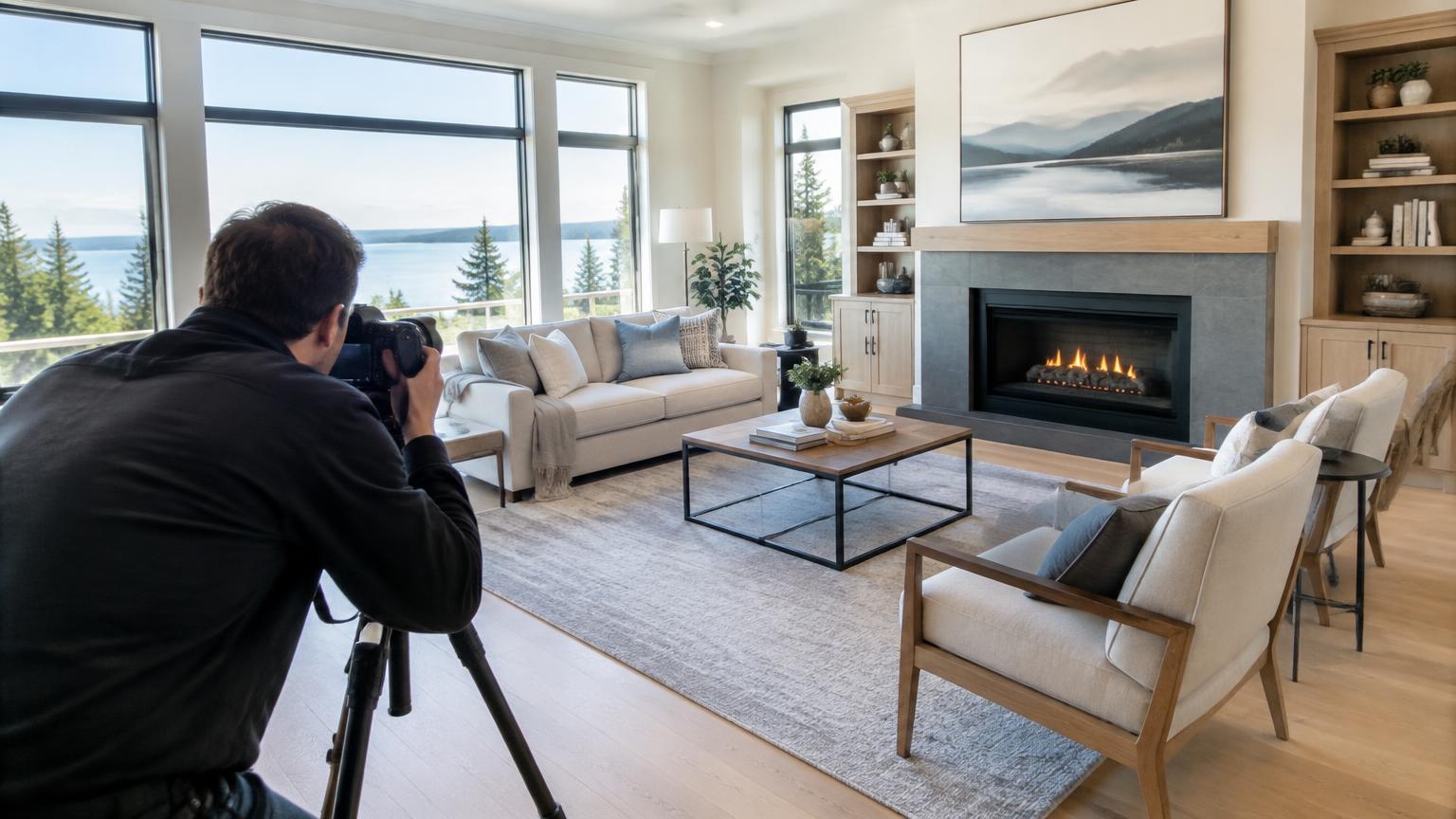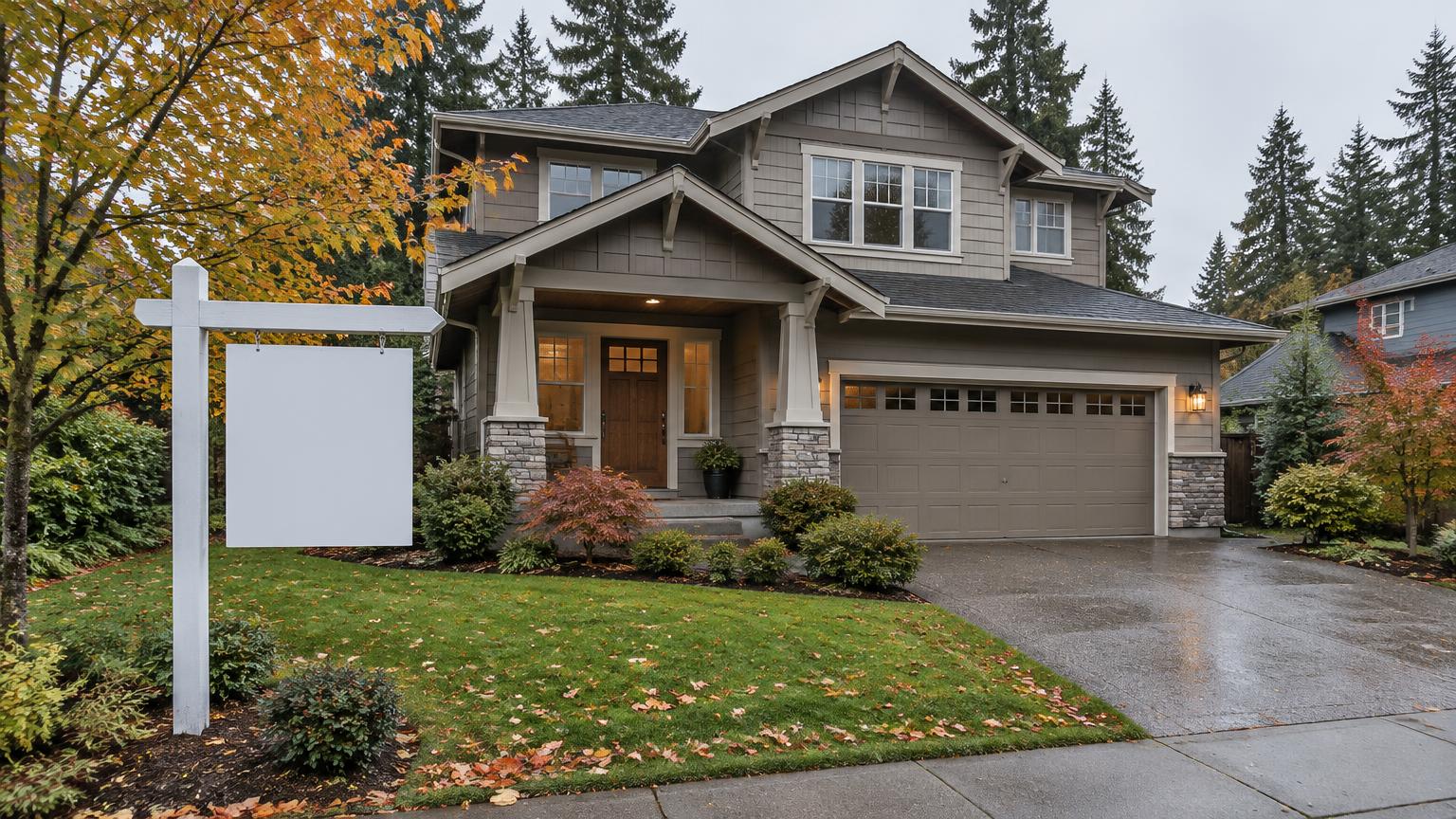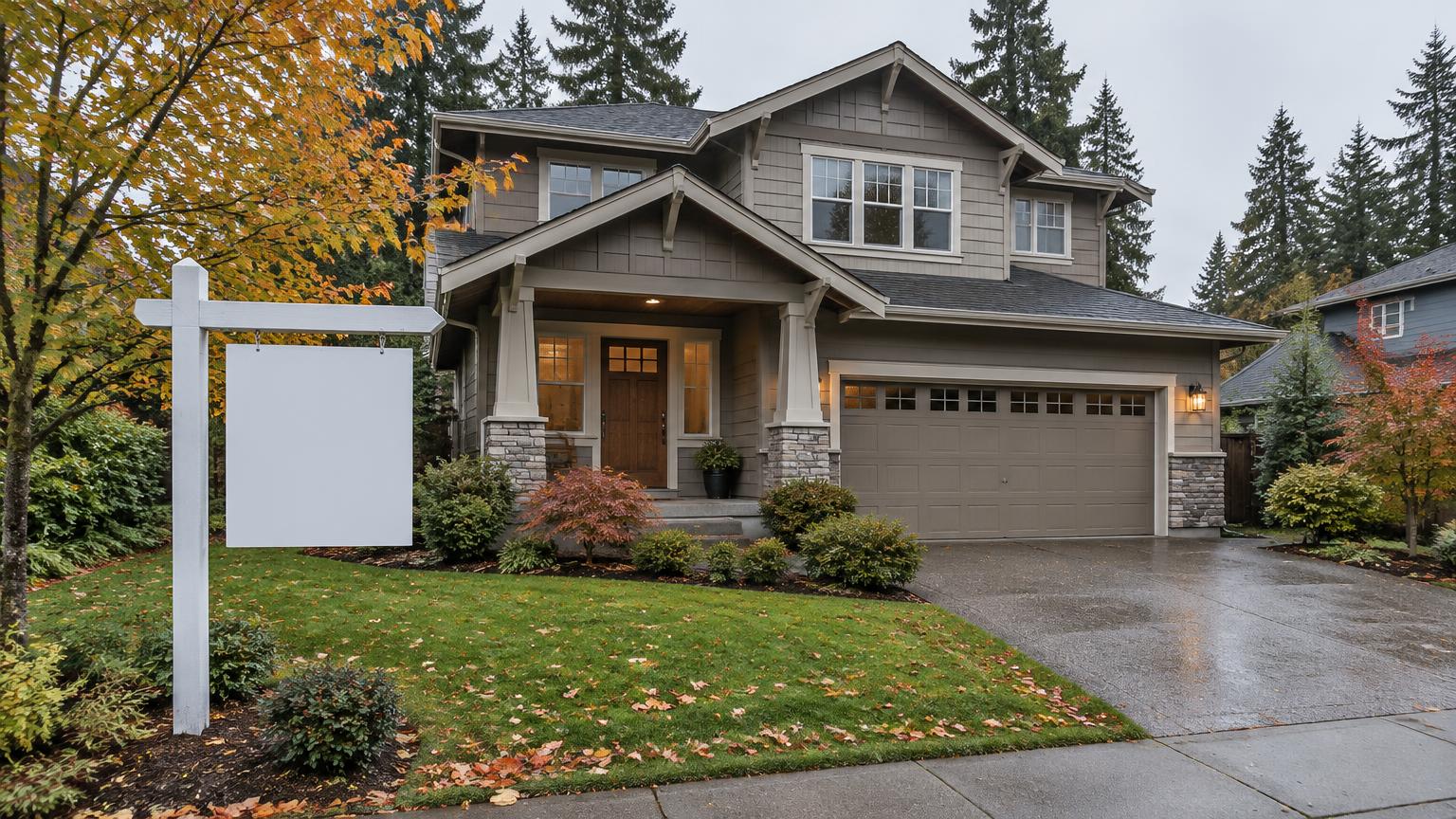
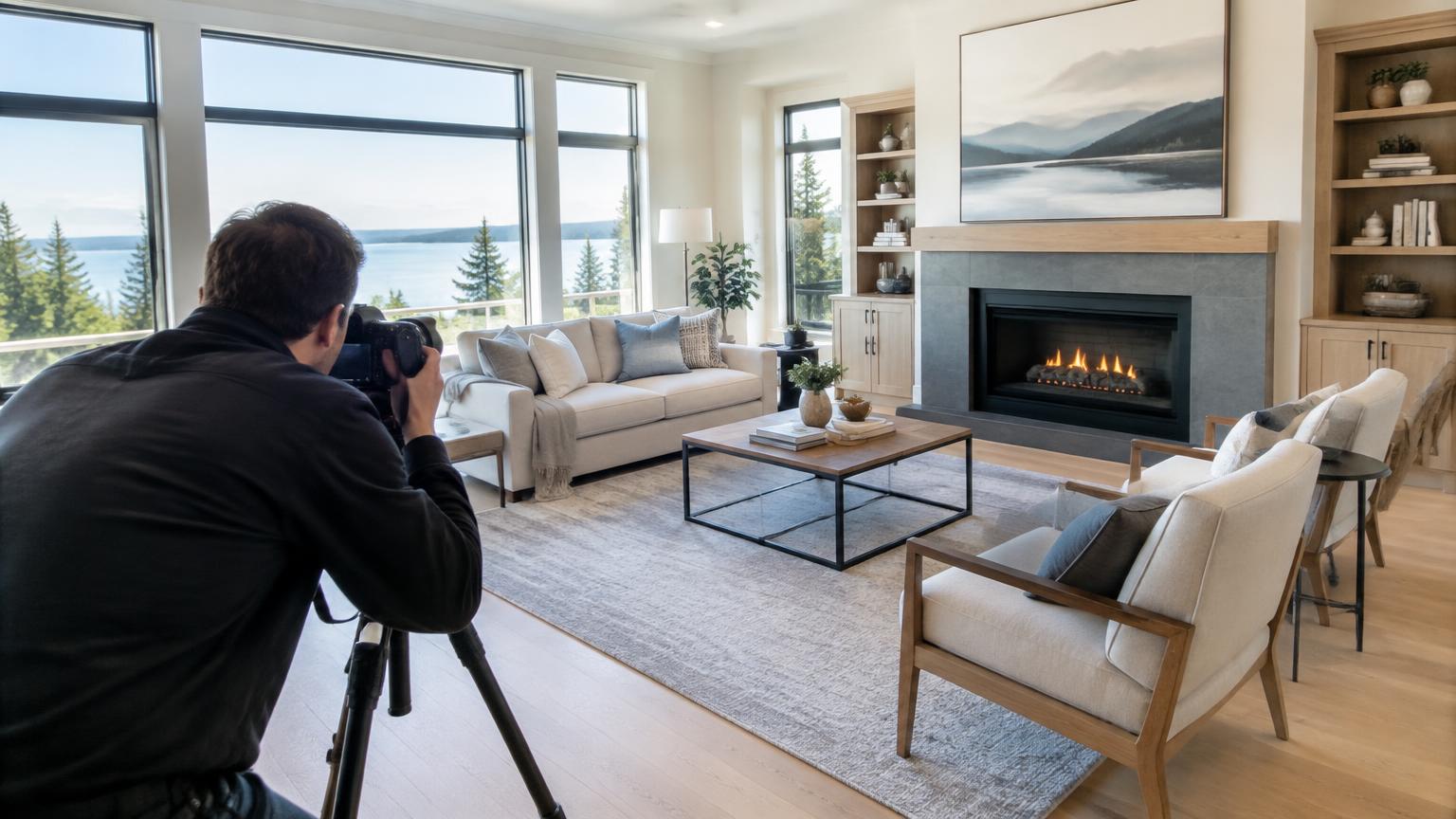
Virtual staging can help buyers picture furniture in an empty room, but it changes a photo—not the room. Evaluate it by image quality, accurate labeling, vendor quote and actual showing feedback, not by an unsupported ROI percentage.
What virtual staging can—and cannot—do
A clearly labeled furniture rendering may help an empty room communicate scale and possible use. It will not repair flooring, improve natural light, remove a utility pole or change a floor plan. Supply accurate measurements and unedited photos so the listing remains trustworthy when buyers tour in person.
Do not say virtual staging increases appraisal value. An appraiser evaluates the property and appropriate evidence, not furniture inserted into a marketing image. If an enhancement implies an architectural alteration, present it separately as a concept, not a depiction of current condition.
| Photo edit | Practical treatment |
|---|---|
| Furniture added to an empty room | Label as virtually staged; retain original |
| Color/exposure correction | Keep accurate appearance of materials and view |
| Removing a defect or permanent feature | Do not use as a representation of current property |
| Proposed renovation rendering | Label as concept, separate from actual photos |
Calculate the project cost from actual bids
Get a vendor quote per image or for the whole project, including revisions, turnaround, licensing and any furniture rendering. Compare that with real staging quotes and the expected time the home may remain for sale. No universal $35–$75 per photo or 400% return should be stated as a verified 2026 King County fact without current invoices and a valid comparison design.
Illustration only: if five images cost $60 each and one revision bundle costs $100, the image budget is $400. Add the photographer’s separate fee if not already included. This is an arithmetic example, not a price recommendation or a measured increase in sale price.
| Illustrative budget item | Calculation |
|---|---|
| Five rendered images | 5 × $60 = $300 |
| One revision bundle | $100 |
| Total example staging-image cost | $400, excluding photography |
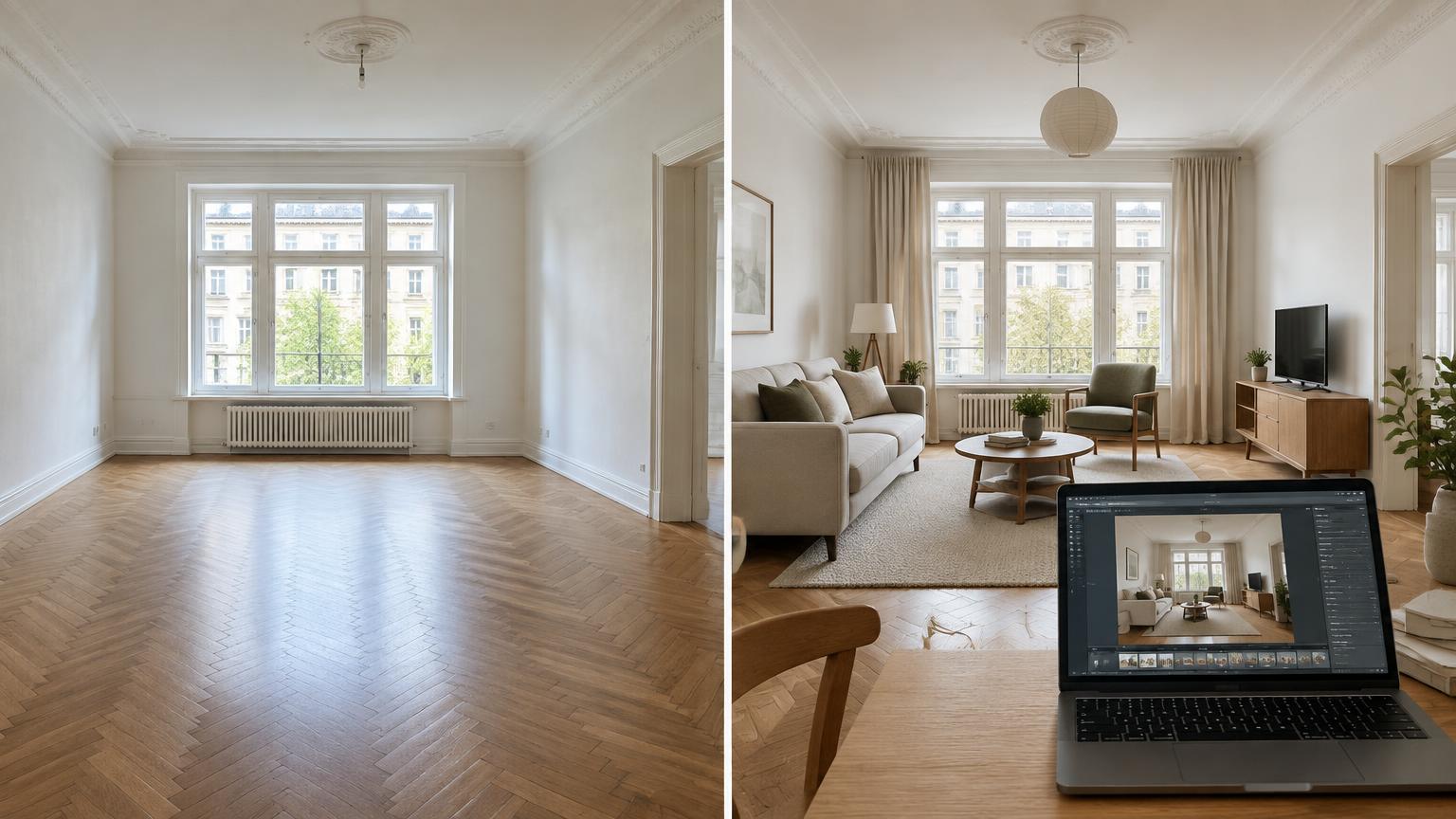
Label edits and protect buyer trust
Washington real-estate advertising guidance prohibits false, deceptive or misleading advertising. Describe virtually staged images as such in the caption or listing context; keep true-to-life, unedited views available and do not replace material features. Confirm any current NWMLS image-specific requirements with the listing broker or NWMLS, rather than inventing a rule number.
Photos may increase the number of people willing to inspect the listing, but the outcome depends on price, condition, market and photography quality. Track listing views, showings and recurring buyer feedback after the new images, without claiming those changes prove a causal ROI.
- Show at least one accurate image of each edited room.
- Do not enlarge rooms or change views digitally.
- Compare the listing against nearby alternatives using the same disclosure standard.
When physical staging may be better
Physical staging affects what buyers see during tours and can help awkward or premium spaces feel coherent; it costs more and may require furniture rental or scheduling. For a small vacant condo, clear labeled virtual images plus accurate floor plans may be enough. For a home where spatial feel is the selling challenge, get a physical-staging quote and compare the options.
A decision should be made room by room with the seller, photographer and broker. Buyers who primarily shortlist online may find labeled virtual furnishings useful, but buyers who prioritize verifying the home’s existing condition need clear disclosure, matching unedited photos and an opportunity to inspect the actual room. Do not infer either preference from the home’s price alone. Neither approach guarantees faster sale or a higher appraisal.
Frequently asked questions
Is virtual staging allowed on NWMLS?
Ask your broker to verify current NWMLS photo requirements; regardless, Washington advertising must not be misleading.
Does it raise appraised value?
Do not assume so. Digital furniture is not a physical improvement to the property.
How much does it cost?
Obtain current vendor quotes for the actual number of images, revisions and usage rights.
Do buyers need to see original photos?
Keep accurate originals available and clearly label staged versions to avoid misrepresentation.
Should I stage every room?
No. Focus on rooms whose empty presentation makes use or scale genuinely harder to understand.
Define what will actually be delivered
For a vacant home, ask the vendor for a room-by-room quote: number of images, revision rounds, furniture style, turnaround and commercial-use rights. Request the unaltered photographs alongside any rendered versions. The photographed room must remain an honest representation of dimensions, windows, surfaces and fixtures; virtual furniture should not conceal a defect or imply that an inaccessible space is usable. If the property is occupied, first decide whether editing personal items or taking new photographs is the more accurate solution.
Budget the project with actual quotes: photo shoot plus virtual editing plus any reshoot and disclosure work. Use the output to help buyers interpret scale and possible furniture placement, not to claim a proven sale-price uplift. If the physical room is difficult to tour, a digitally attractive image may raise expectations the showing cannot meet; pair staged renderings with clear current-condition views.
| Deliverable | Question for vendor | Buyer-facing safeguard |
|---|---|---|
| Original photo | Will unchanged files be supplied? | Publish real-condition reference |
| Edited photo | What objects or surfaces are altered? | Clearly identify digital staging |
| Usage rights | Where may it be published? | Keep license for MLS and site uses |
Measure the result without inventing a return
Compare like periods where possible: dated listing impressions, qualified inquiries, showings and feedback before and after the image change. A simultaneous price reduction, season shift or new competing listing prevents a clean causal claim. Track editing cost as a known expense and treat any difference in offer outcomes as uncertain rather than attributing it to the render alone.
If a property’s major selling point is the actual finish or view, invest first in accurate high-quality photography. If buyers need help imagining furniture in an empty but otherwise sound room, restrained virtual staging may be worth testing. Discuss disclosure language with the listing brokerage and check the current MLS photo policy rather than repeating an unverified rule number.
A publication and showing checklist
Before images go live, mark each digitally furnished image plainly and retain a matching original photograph. Check that the furniture does not cover outlets, windows, stains, floor transitions or permanent features that a buyer needs to evaluate. Check image order: an accurate exterior and actual-condition views should not be buried behind renderings. Verify the listing remarks match the current condition and that the brokerage approves the disclosures.
At a showing, buyers should not be surprised to find an empty room they saw furnished online. Tell showing agents what was virtually added and, when useful, provide a simple plan or dimensions from a reliable source. Obtain the media creator’s usage rights for listing syndication and future marketing. If an edit changes a physical feature instead of furnishing a room, stop and obtain a new accurate photo rather than relying on a footnote.
When to skip the edit
If the room’s problem is condition—water staining, construction work or a cramped floor plan—virtual furniture cannot repair it. A well-lit unedited photograph and an honest explanation are safer than a polished scene that implies a finished space. If the home already contains well-proportioned furniture, a decluttering and photography appointment may be the better use of the budget.
For a vacant home with a hard-to-read layout, commission a sample image before ordering the full package and compare it with the unaltered photo. Review the image on a phone as well as a desktop to catch distorted furniture scale. Decide based on accuracy and usefulness, not an advertised average ROI from unrelated properties.
Sources and further reading
Sources below support the linked general rules and lookup methods. Numerical tables in this article are explicitly labeled hypothetical illustrations, not market statistics or client outcomes. Confirm current forms, fees and transaction-specific advice with the appropriate professional before use.