
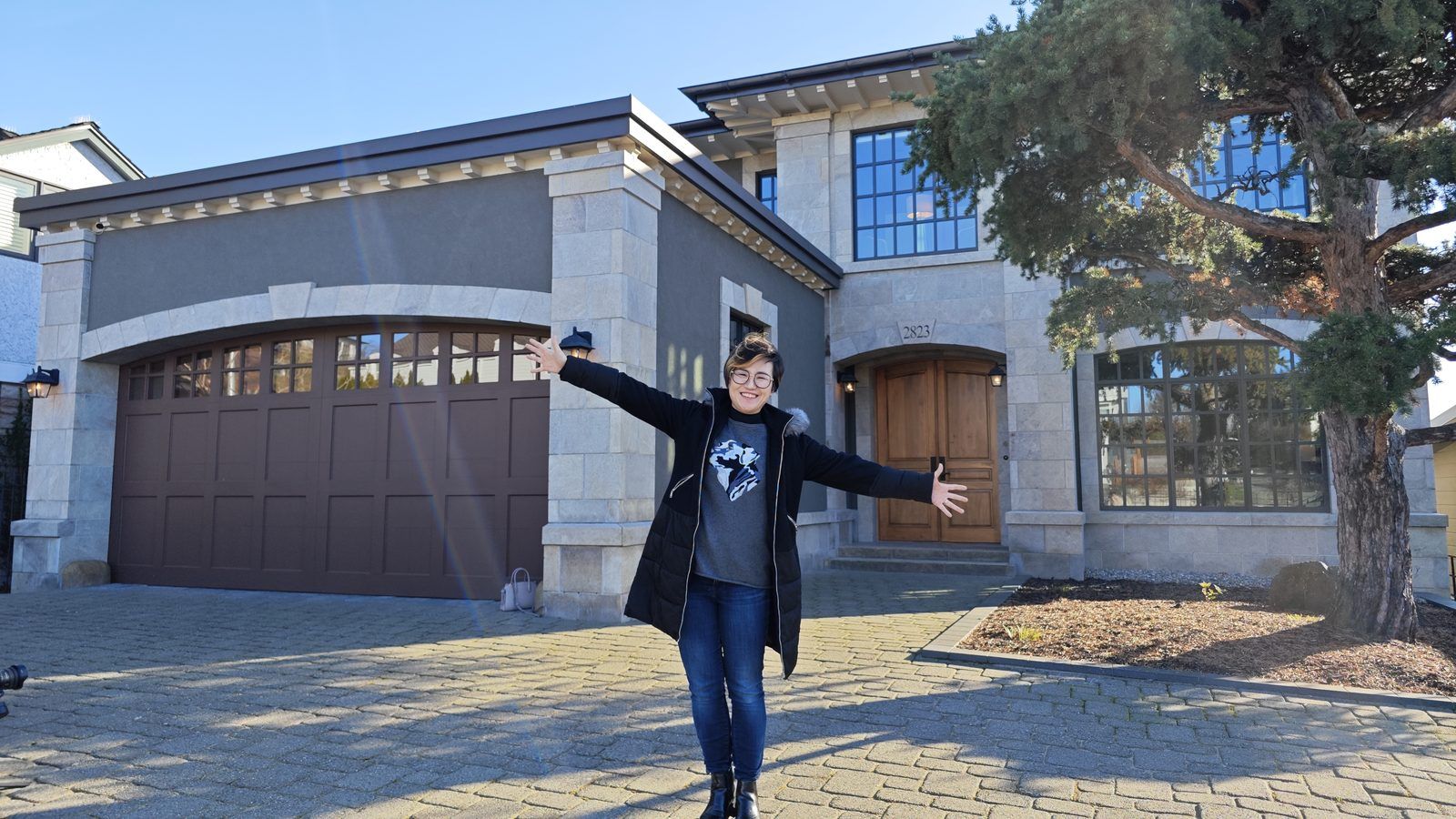
Buyer services
Buy a home in Bellevue & Seattle.
Buying locally or relocating to Washington? Get bilingual buyer representation across Bellevue, Seattle and the Eastside — from budget and showings to closing.
Why buyers choose us
A Greater Seattle team with a long track record, verified client reviews and a trusted partner network — so your purchase is handled from search to move-in.

Proven sales volume
In 2025 our team closed over $202M in sales; in 2024, 148 transactions totaling over $180M. RE/MAX Diamond Team (2023); Maggie Sun earned RE/MAX Diamond (2022), Titan (2021) and Platinum (2020) awards.
Highly rated by clients
Clients rate Maggie's buying and selling service highly, with more than 400 five-star reviews on Google and Zillow. Search “Maggie Real Estate Group” on Google or agent “Maggie Sun” on Zillow to read them.
A deep partner network
Beyond buying and selling, we work with lenders, property managers, attorneys, CPAs and renovation companies, and can refer the right partner for every step from purchase to move-in.
Explore each advantage.
Or schedule a complimentary consultation today.
The U.S. home buying process
In the U.S., buying a new-construction home and a resale home differ slightly, but most purchases go through four stages: preparation, touring homes, offer and contract, and closing.
- 1
Preparation
- •Find the right agent
- •Define your needs
- •Prepare funds
Find the right agent and share your budget, preferred areas, home type and size; your agent then advises based on the market. If you are financing, prepare proof of your down payment (20% is common; some loan programs allow less) and get a pre-approval letter from a lender. Cash buyers prepare proof of funds.
- 2
Touring homes
- •Receive listings that match your needs
- •Tour homes that may fit
Once funds are ready, browse homes on Redfin, Zillow and similar sites, and your agent sends matching listings regularly. When a home interests you, schedule a showing with your agent. Many buyers set aside half a day or a full day each week to see several homes.
- 3
Offer & contract
- •Prepare and submit an offer
- •Negotiate price and terms until both sides agree
- •Inspection and repair requests
- •Submit loan documents and wait for approval
Request the seller's disclosures; if satisfied, your agent prepares an offer. Once accepted, both sides sign a Purchase Agreement and you deposit earnest money (often thousands to tens of thousands of dollars), credited at closing. Offers usually include contingencies such as inspection; within about a week you can hire an inspector and ask the seller to repair issues. Cash purchases can close 1–2 weeks after inspection; financed purchases need an appraisal and typically take 30–40 days. Before closing, funds go to a third-party escrow account.
- 4
Closing
- •Sign, fund and record
- •Get the keys
- •Receive the recorded deed (2–3 months)
Buyer and seller (or their agents) sign documents with the title company to transfer ownership. Keys are usually handed over on closing day, and the recorded paper deed typically arrives 2–3 months later.
Costs of buying, owning and selling
Buying and owning a home in the U.S. involves different fees and taxes. Here they are by stage: buying, owning and selling.
| Buying | Owning | Selling | |
|---|---|---|---|
| Fees |
|
|
|
| Taxes | None |
|
|
Buyers who itemize on IRS Form 1040 may reduce taxable income with deductions such as mortgage interest, property tax on a primary residence and mortgage insurance. Figures are general references, not quotes or tax advice.
WA DOR — Real estate excise tax King County — Property tax IRS Topic 701 — Sale of your home
Buyer Q&A.
Where do I start if I want to buy a home in Washington State?+
Start with a short consultation before you tour anything. In 30 minutes we map your budget, timeline, financing status, and the cities that actually fit your commute and school needs, then send you a written plan. Buyers who begin with a plan instead of open houses write far stronger offers later — book a call and we will build yours in English or Mandarin.
Do I need a mortgage pre-approval before we start looking?+
Not for the first conversation, but yes before serious touring. A fully underwritten pre-approval tells you your real budget and tells listing agents your offer will close, which matters when several buyers compete for the same home. We introduce two or three local lenders and review the letter with you before your first showing.
How much cash do I actually need to buy?+
Plan for three buckets: earnest money (typically 1–3% of price, due within days of mutual acceptance and credited back at closing), your down payment, and closing costs such as lender fees, title, escrow, and prepaid taxes and insurance. We build a cash-to-close worksheet with your own numbers before you write an offer, so nothing is a surprise.
What are the steps from touring homes to closing?+
Consultation and financing, home search and tours, offer and mutual acceptance, inspection, appraisal plus title and HOA document review, loan underwriting, final walkthrough, then closing and keys. Most purchases run 30–45 days from mutual acceptance to closing. You get a written timeline at the start so you always know what comes next.
What does an agent check for when we tour a home?+
Beyond layout and finishes we look at what costs money later: drainage and grading, roof and siding age, signs of past water intrusion, permit history on additions, the health of the HOA, and how the location will affect resale. We tell you what is a negotiating point, what is a reason to walk away, and what is simply normal for a home of that age.
I found a home I love — what happens next?+
We pull comparable sales, review the seller disclosure plus any pre-inspection or title report, then decide price, contingencies, escalation, and closing date together. The offer is drafted, signed electronically, and presented with a lender call to the listing agent. When timing matters, all of that can happen within a few hours.
Which contingencies protect me in a purchase contract?+
The common ones are inspection, financing, appraisal, title and HOA document review, and sometimes the sale of your current home. Each is a defined right to renegotiate or exit within a deadline. Waiving contingencies to win a bidding war raises your risk, so we explain exactly what each waiver exposes you to before you sign.
What if the inspection finds problems?+
You generally have three options inside the inspection period: ask the seller to repair, ask for a credit or price reduction, or terminate and recover your earnest money. We review the report with you, get contractor estimates where the numbers matter, and negotiate from real repair costs rather than a wish list.
What happens if the appraisal comes in below the purchase price?+
The lender only lends against the appraised value, so the gap has to be covered — by you in cash, by a price reduction, or by splitting the difference. We can also challenge the appraisal with stronger comparables. This is exactly why we discuss appraisal risk before you write an aggressive offer.
What do I need to do before and on closing day?+
Before closing: keep your finances unchanged, sign at escrow, wire funds only with verified instructions, and complete the final walkthrough. On closing day the deed records with the county and you receive keys once recording is confirmed, usually the same afternoon. We confirm each step with you as it happens.
Do you still help after closing?+
Yes. We hand off vetted vendors for repairs, remodeling, and property management, answer the first property-tax and insurance questions, and send an annual value update on your home. Most of our business comes from past clients, so the relationship does not end at the closing table.

Contact us & book a consultation
Share your budget, preferred areas and timeline. We'll set up a free consultation in English or Mandarin.
Buyer topic guides
All topic guides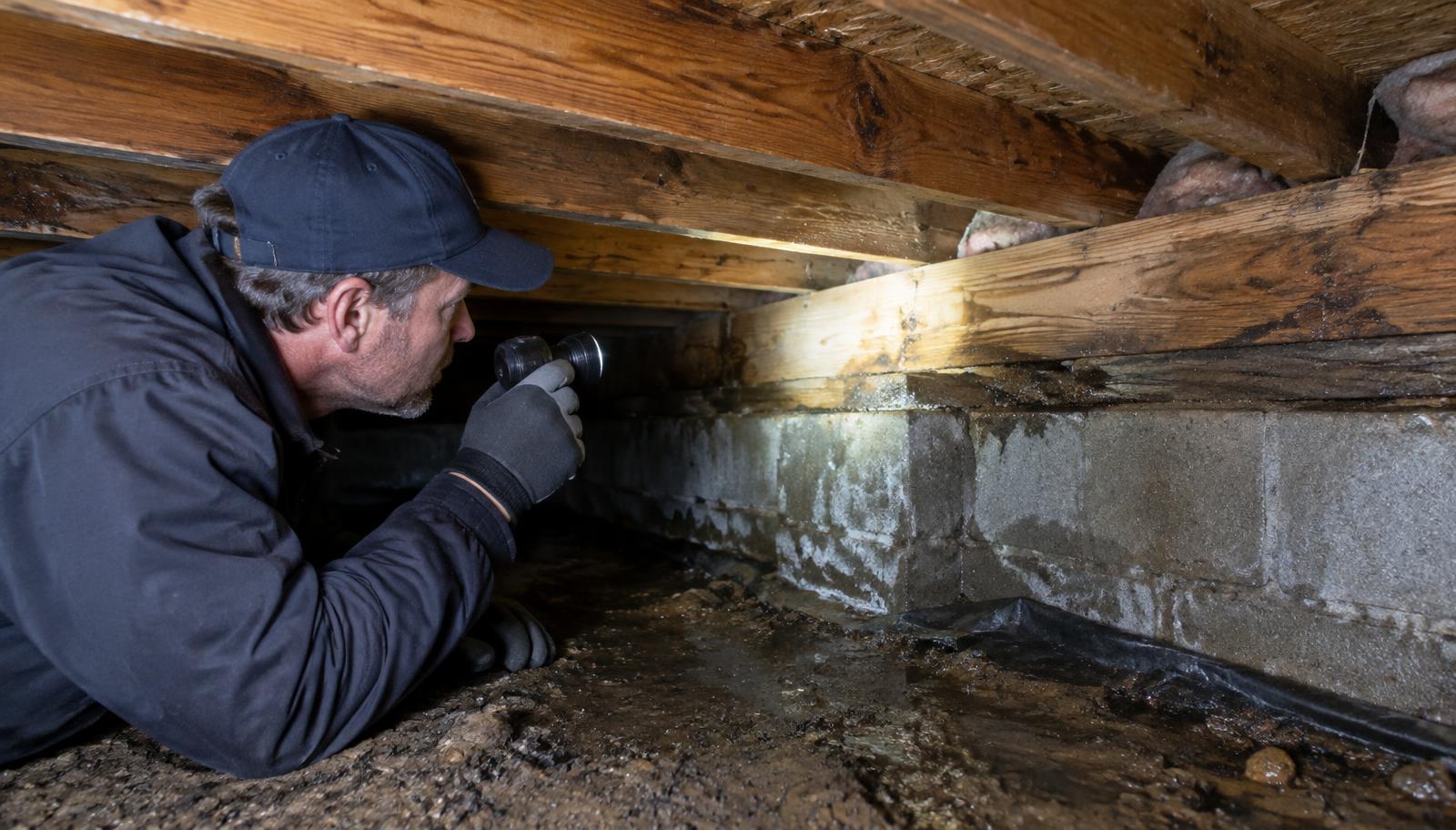
WDO inspection
WDO and termite inspections when buying a home in Washington.
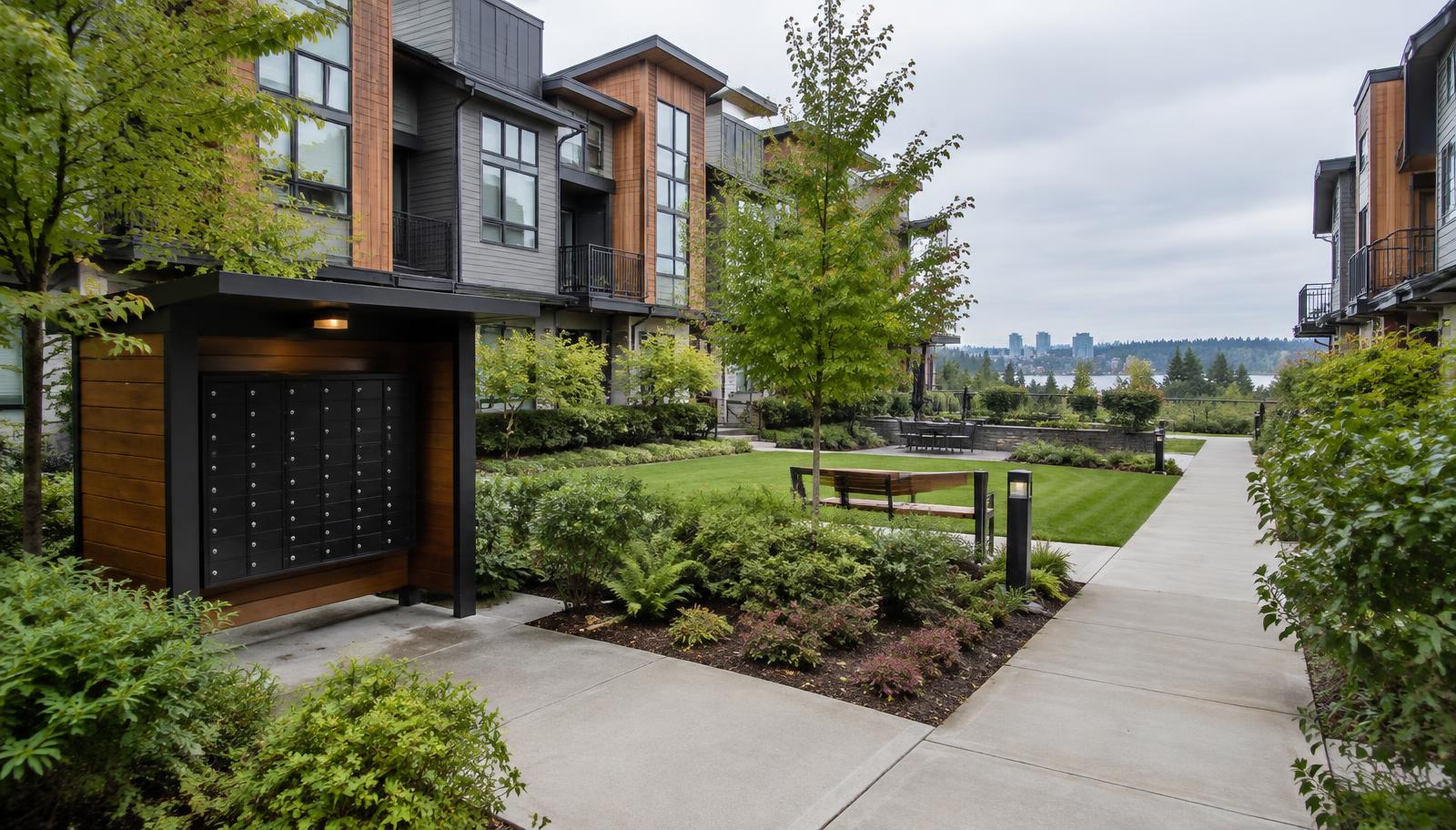
HOA fees
HOA fees on a condo or townhouse: what they cover and when they are too high.
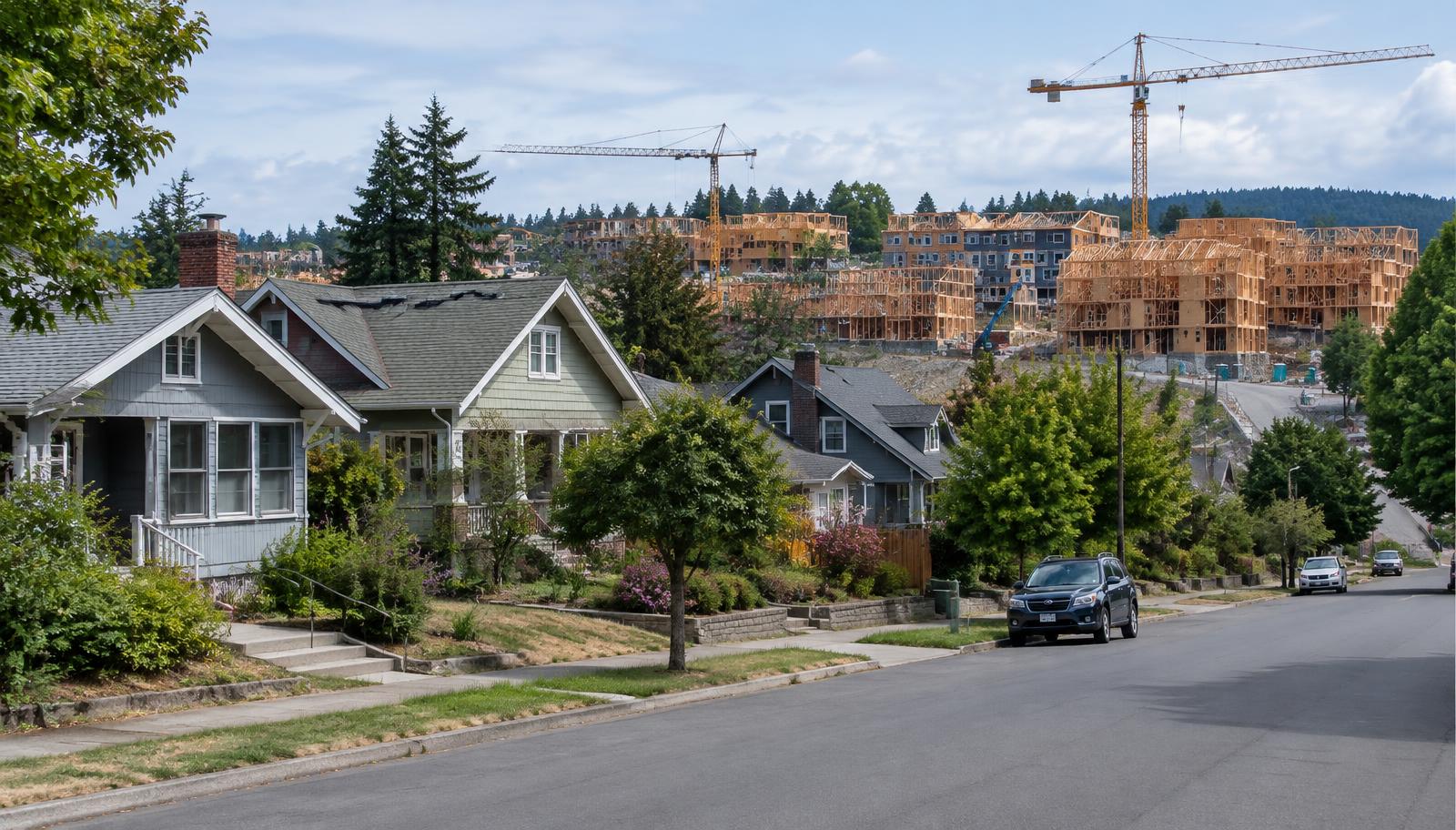
New developments
Buying in a new development or next to one: what to check first.
Short-term rentals