
Rent or sell
Should you rent out your home or sell it when you move?
Many first-time owners keep their starter condo when they buy a bigger home and become landlords almost by accident. Sometimes that builds wealth; sometimes the rent does not cover the payment and the tax break on selling quietly expires. This hub lays out the numbers and rules to check before you decide.
Quick answer
Rent it out only if the rent covers the mortgage, HOA, property tax, landlord insurance, repairs, vacancy and management with room to spare, and you are prepared for Washington's landlord-tenant rules. Sell if the cash flow is negative and you would mainly be holding it hoping for appreciation. Watch the tax clock: if you owned and lived in the home as your main residence for at least two of the last five years, you may exclude up to $250,000 of gain ($500,000 for most married couples filing jointly) when you sell; renting it too long can push you outside that window, and depreciation taken while renting is taxed when you sell. Check your loan's occupancy terms, HOA leasing rules and, in Seattle, rental registration before signing a lease.
2 of 5 years
Ownership and use test for the IRS home-sale gain exclusion
$250K / $500K
Maximum excluded gain, single / most joint filers (IRS Publication 523)
RCW 59.18
Washington's Residential Landlord-Tenant Act applies once you lease it
Questions this hub answers
- should i sell or rent my house
- should i rent out my house or sell
- should i rent or sell my condo
- first time home buyer condo rent vs sell
- accidental landlord
- converting primary residence to rental
- landlord insurance
How to decide in five steps
- 01
Run honest cash flow
Start from realistic rent for comparable units, then subtract mortgage, HOA, property tax, landlord insurance, a repair reserve, vacancy and management. Negative monthly cash flow is a subsidy you pay.
- 02
Check the tax window
Count when you moved out. Selling within the IRS ownership-and-use window can keep the gain exclusion; renting for years can lose it. Ask a tax adviser about depreciation recapture.
- 03
Read your loan and HOA documents
Many owner-occupied loans require you to live in the home for a period after closing. Condo declarations can cap or restrict leasing.
- 04
Learn the local landlord rules
Washington's landlord-tenant law sets deposits, notices and rent-increase limits. Seattle requires rental properties to be registered and inspected under its rental registration program and has additional tenant protections.
- 05
Compare with selling now
Estimate net proceeds after selling costs and tax, then ask where that cash would go — a larger down payment can lower your next mortgage more than the rental earns.
Rent it out or sell it?
| Question | Leans rent | Leans sell |
|---|---|---|
| Monthly cash flow after all costs | Positive with a reserve | Negative or break-even |
| Tax exclusion window | Already outside it, or plan to sell inside it | About to lose the exclusion |
| HOA leasing rules | Rentals allowed, no cap reached | Cap or waiting list |
| Your time and distance | Local, or will hire management | Moving away, no management budget |
| Need for cash | Next purchase is already funded | Need the equity for the next down payment |
Checklist
Before you sign a first lease
- Rent comps for similar units nearby
- Full monthly cost including reserve and vacancy
- Move-out date recorded for the IRS 2-of-5 test
- Loan occupancy clause checked with your lender
- HOA leasing rules and any cap
- Insurance switched to a landlord (dwelling) policy
- Seattle rental registration, if the home is in Seattle
- Written lease and move-in condition checklist that follow RCW 59.18
Rent or sell FAQ
Can I keep the tax-free sale if I rent my home for a while?
Possibly. The IRS test looks at ownership and use as a main home for two of the five years before the sale, so a short rental period may still qualify. Depreciation claimed while renting is generally taxable on sale. Confirm with a tax adviser using IRS Publication 523.
Do I need a different insurance policy?
Yes. A homeowner policy generally assumes you live there. Tell your insurer and switch to a landlord or dwelling policy; condo owners also need to check the HO-6 vs master policy split.
How much can I raise rent in Washington?
Washington adopted statewide limits on annual rent increases and notice requirements in RCW 59.18, with exemptions for some newer buildings. Read the current statute before planning increases.
Is renting my condo a good investment?
Only if the numbers work after every cost. Many starter condos have high HOA fees that make cash flow negative; in that case selling and using the equity elsewhere is often stronger.
Sources
Last checked November 13, 2026. Official sources for the key rules on this page; they describe general rules, and your contract, lender, tax adviser, association documents and each agency's current rules control your specific case.
Related guides
Related
Selling a rental to your tenant
If you already rent it and want out.
Related
HOA fees on a condo or townhouse
Why HOA dues decide cash flow.
Related
Pay off the mortgage or buy a rental?
Where your equity works hardest.
Related
Buying an investment property on the Eastside
Running numbers like an investor.
Related
Washington investment property ROI
How to calculate returns.
Other topic guides

Family transfers
Gift of equity and selling a home to a family member in Washington.

Title & closing
Selling a house with a lien in Bellevue and Greater Seattle.
Land value
Selling an older Eastside home to a builder: land value vs. retail sale.

Visa & foreign buyers
Buying a home in Bellevue as a foreign national or visa holder.

Tech relocation
Moving to Bellevue for a tech job: rent first or buy now?

Schools & addresses
Buying by school assignment in the Bellevue School District.

Waterfront & unique homes
How to price a waterfront or one-of-a-kind home.

Listing problems
How to cancel a listing agreement and change agents.

Building & financing
Construction loans for self-employed and small business owners.

Land & lot value
Should you split a double lot before selling it?

Water & site risk
Flood zone, creek and drainage checks before you buy.

Landlords & investors
Selling a rental property to your current tenant.

Choosing an agent
How to choose a real estate agent in Seattle and on the Eastside.

Interview & review
Questions to ask before hiring — and how to tell if your agent is doing a good job.
Fees & commission
Who pays realtor fees in Washington — and what an agent actually keeps.

First-time buyers
Buying your first home in Washington State — including without a US credit history.

Home value
Home value estimates for Bellevue and Redmond sellers: compare the evidence.
Investment property
Buying an investment property on the Eastside: returns, rules and the numbers to run.

Listing presentation
Staging and listing photos: virtual staging, AI edits and what buyers trust.
Stalled listings
Your house is not selling: what to change, and whether to pause the listing.

Seller options
Instant cash offer vs listing your home: how to compare them properly.
Due diligence
Easements, shared driveways and recorded restrictions: check before you buy.

Buyer strategy
Competing with all-cash offers as a financed buyer on the Eastside.

List price strategy
Pricing below market, offer review dates and how many showings to expect.

Offers and negotiation
What counts as a low-ball offer — and how to counter without losing the deal.
Inspection negotiation
Home inspection negotiation in Washington: repair requests, credits and difficult sellers.
Solar homes
Buying a house with solar panels: owned vs leased, transfers and price drops.

Selling while living there
Selling a house while living in it: showings, kids, pets and the stress of selling.

Buying and selling at the same time
Home sale contingencies in Washington: buying a house contingent on selling yours.

Contract cancellation
Can you back out of buying a house before closing in Washington?
Seller disclosure
Washington's Form 17 seller disclosure: what buyers and sellers need to know.
Structural risk
Buying a house with foundation issues in the Seattle area: risks, inspections and negotiation.

Mortgage options
Alternatives to a 30-year fixed mortgage for Washington buyers.
Property type decision
Condo vs single-family home: which holds up better as a long-term investment on the Eastside?

Rankings & best-of lists
Best places to live in the Seattle area, ranked — and how to read every ranking.

Selling an inherited home
Selling a parent's house in probate in Washington: authority, taxes and timing.

Concessions & credits
Seller concessions and seller credits: limits, price reduction vs credit, and repair trade-offs.
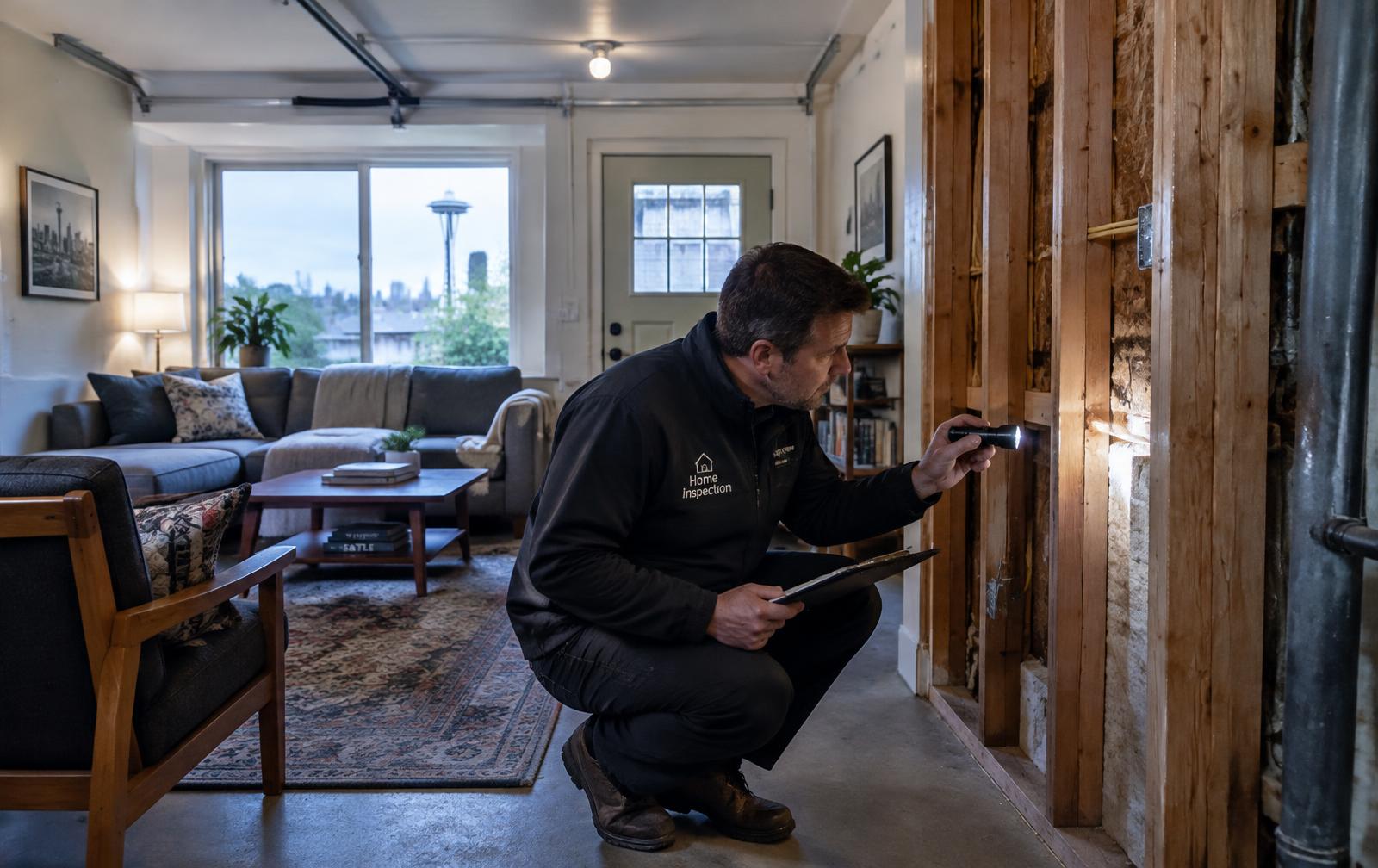
Permits & unpermitted additions
Buying a house with unpermitted work in Seattle and the Eastside: how to check permits and price the risk.

Final walkthrough
Final walkthrough checklist for Washington buyers — resale homes and new construction.
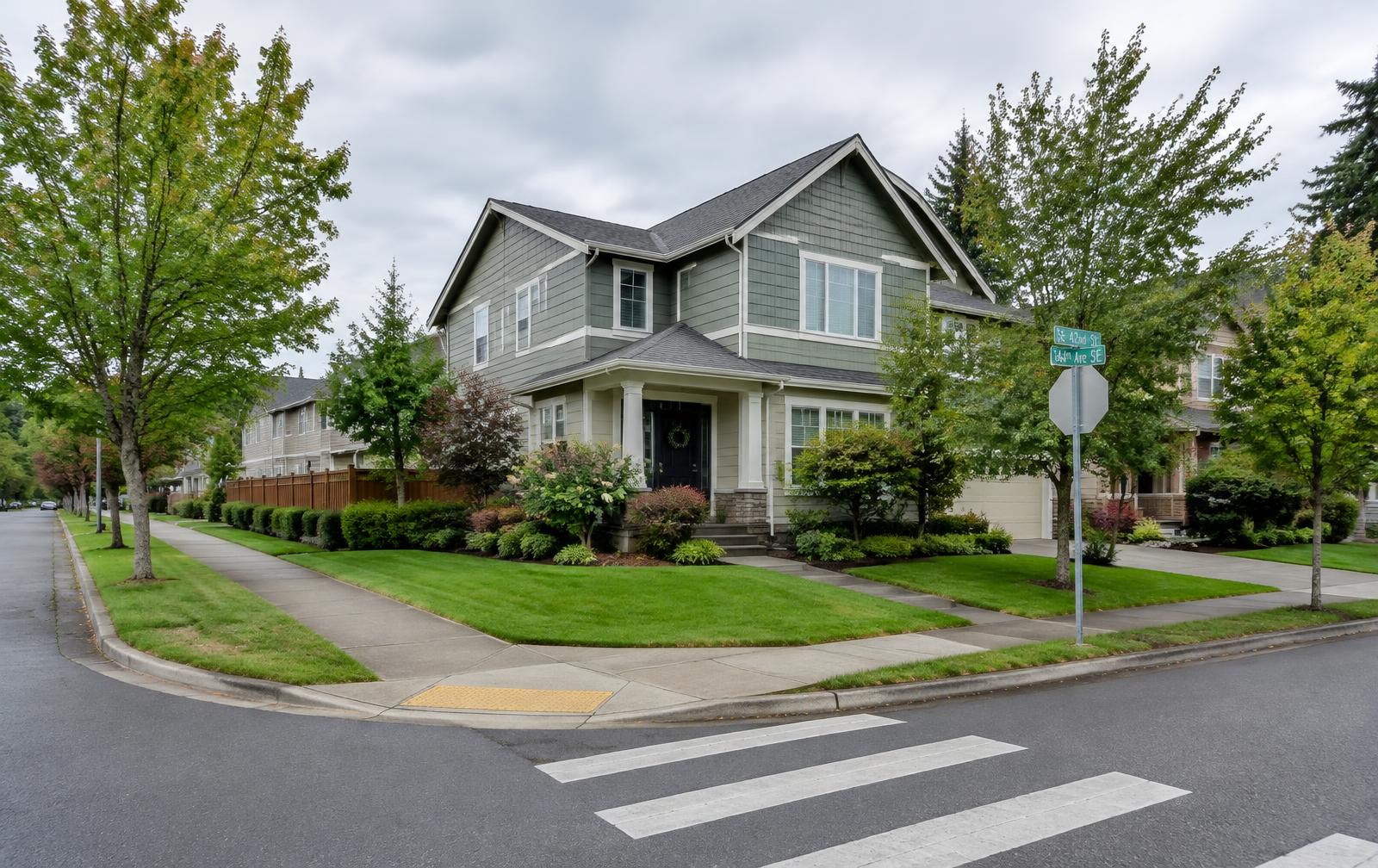
Lot & location trade-offs
Corner lot pros and cons, and living near a school: what Seattle-area buyers should weigh.

Buying land
Buying land to build a house in Washington: is the lot really buildable?

ADUs & backyard cottages
Financing an ADU or backyard cottage when your home still has a mortgage.

Real estate vs other assets
Real estate vs stocks: liquidity, leverage and taxes for Washington owners.

Market risk explained
Will the Seattle housing market crash? The economic signals that actually matter.
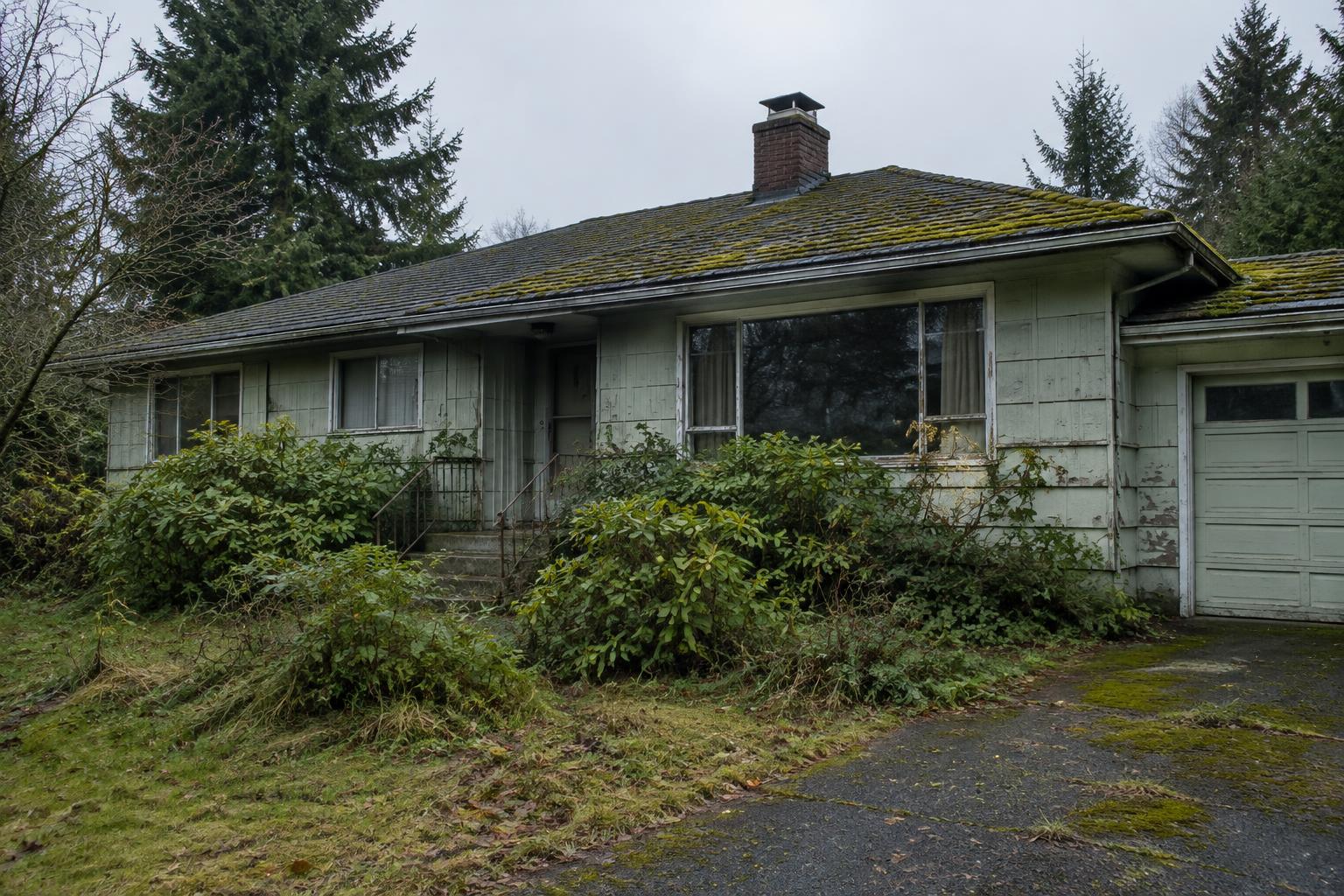
Selling a house that needs work
Selling a house as-is in Washington: what "as-is" does and does not mean.

Selling timeline
How long does it take to sell a house in Seattle? A stage-by-stage timeline.
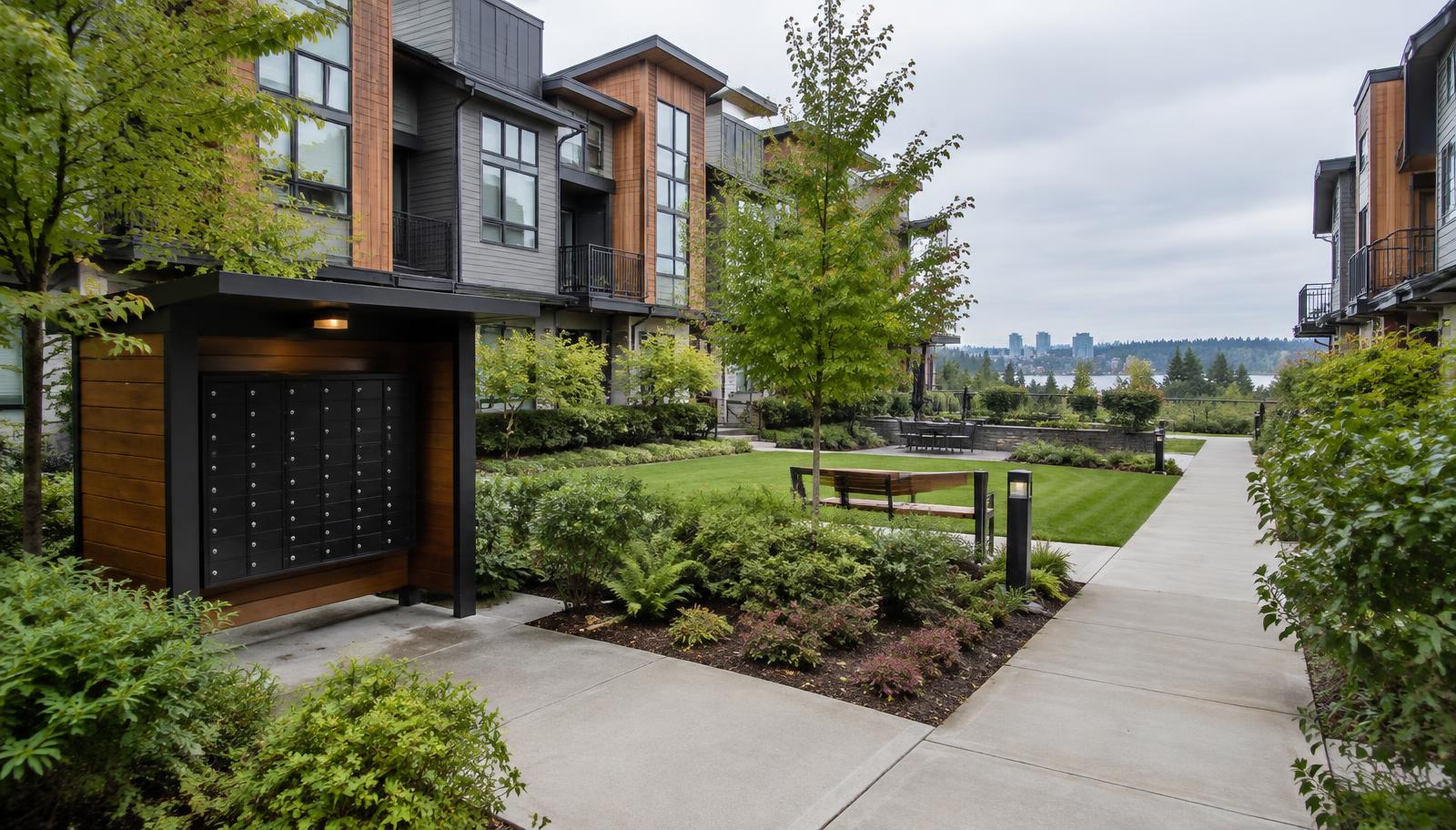
HOA fees
HOA fees on a condo or townhouse: what they cover and when they are too high.
WDO inspection
WDO and termite inspections when buying a home in Washington.

Pay off or invest
Pay off your mortgage early or buy a rental property?
New developments
Buying in a new development or next to one: what to check first.
Short-term rentals
Buying next to short-term rentals in Seattle: rules, comps and quality of life.
Related articles
Moving up and unsure whether to keep your first home?
Tell us the address. We will pull rent and sale comps, estimate cash flow and net proceeds side by side, and point out which tax and HOA questions to take to your adviser.
Compare rent vs sell