
Topic guides
Situation guides for Seattle & Eastside buyers and owners.
Some situations do not fit the standard buy or sell playbook — buying on a work visa or from overseas, landing on the Eastside with a relocation offer, searching around a school assignment, transferring a home between family members, clearing a lien, or selling land to a builder. Each hub below collects the steps, numbers, paperwork and Washington-specific rules for one of those situations, plus the articles and city guides that go deeper.

Family transfers
Gift of equity and selling a home to a family member in Washington.
A gift of equity is the difference between a home's appraised value and the price a relative actually pays. The lender treats that difference as the b…

Title & closing
Selling a house with a lien in Bellevue and Greater Seattle.
A lien is a legal claim recorded against your property for an unpaid debt. You can still sell: escrow orders a title report, lists every recorded lien…
Land value
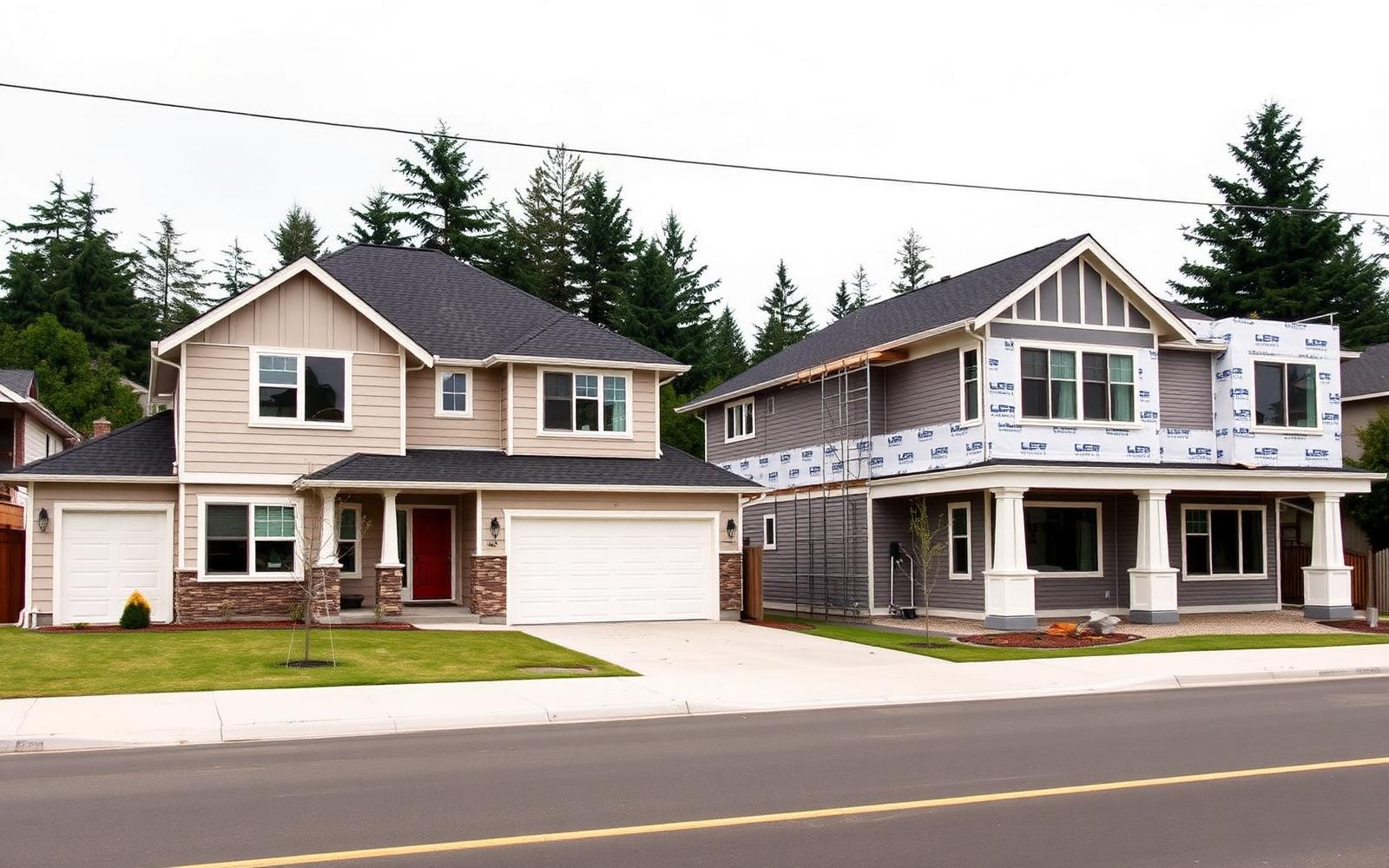
Selling an older Eastside home to a builder: land value vs. retail sale.
Builders back into an offer: expected finished value, minus construction cost, minus permits, financing and profit, equals the land they can pay for. …

Visa & foreign buyers
Buying a home in Bellevue as a foreign national or visa holder.
A non-US citizen can buy a home in Bellevue. Visa holders with US employment income (H-1B, L-1, O-1, TN) usually qualify for standard conforming or ju…

Tech relocation
Moving to Bellevue for a tech job: rent first or buy now?
Renting first may give you time to test a new commute and neighborhood; buying sooner may suit households with a stable budget and a confirmed locatio…

Schools & addresses
Buying by school assignment in the Bellevue School District.
Bellevue School District assigns students to a neighborhood school based on the home's address and the current service-area map. Boundaries are review…

Waterfront & unique homes
How to price a waterfront or one-of-a-kind home.
Price a waterfront home in two layers: a land value based on usable frontage, exposure, bottom condition and moorage rights, plus the depreciated cont…

Listing problems
How to cancel a listing agreement and change agents.
A listing agreement is a contract with the brokerage, not the individual agent. To exit early you request a written release from the designated broker…

Building & financing
Construction loans for self-employed and small business owners.
Most self-employed borrowers finance a new build with a one-time close construction-to-permanent loan: the lender approves the borrower, the builder a…

Land & lot value
Should you split a double lot before selling it?
Splitting first usually raises gross proceeds but costs money and months: survey, short plat application, utility and access design, city review, and …

Water & site risk
Flood zone, creek and drainage checks before you buy.
Check three layers, not one. First the FEMA flood map for the property, which drives whether a lender requires flood insurance. Second the county or c…

Landlords & investors
Selling a rental property to your current tenant.
Selling to your tenant works like any sale, with three additions. Establish market value independently — an appraisal or broker price opinion — so the…

Choosing an agent
How to choose a real estate agent in Seattle and on the Eastside.
Build a shortlist of three to five licensed brokers from sources you can verify — past clients in your own network, brokers who actually closed sales …

Interview & review
Questions to ask before hiring — and how to tell if your agent is doing a good job.
Before hiring, ask every candidate the same questions in four groups: general (licence, brokerage, who does the work, agreement terms), buyer-specific…

Fees & commission
Who pays realtor fees in Washington — and what an agent actually keeps.
In Washington, compensation is negotiable and set by written agreement, not by law or by a standard rate. A seller agrees a listing fee with their own…

First-time buyers
Buying your first home in Washington State — including without a US credit history.
In Washington, you usually count as a first-time buyer if you have not owned a home in the past three years. Start with a lender pre-approval, then as…

Home value
How to get an accurate home value estimate in Bellevue, Redmond and West Bellevue.
For an accurate value, combine three sources: an automated estimate as a rough range, a comparative market analysis (CMA) from a local broker using re…
Investment property
Buying an investment property on the Eastside: returns, rules and the numbers to run.
Start by deciding what the property must do for you — monthly cash flow, long-term appreciation, or a future home for family. Then underwrite it with …

Listing presentation
Staging and listing photos: virtual staging, AI edits and what buyers trust.
Real (physical) staging changes the house a buyer walks into; virtual staging only changes the photo. Virtual staging is reasonable for an empty room …
Stalled listings
Your house is not selling: what to change, and whether to pause the listing.
Diagnose before you discount. No showings usually means price or photos; many showings and no offers usually means condition, layout or a disclosure i…

Seller options
Instant cash offer vs listing your home: how to compare them properly.
Compare three numbers, not one: the gross offer, the deductions (service fee, repair or concession deductions, closing costs, remaining mortgage), and…
Due diligence
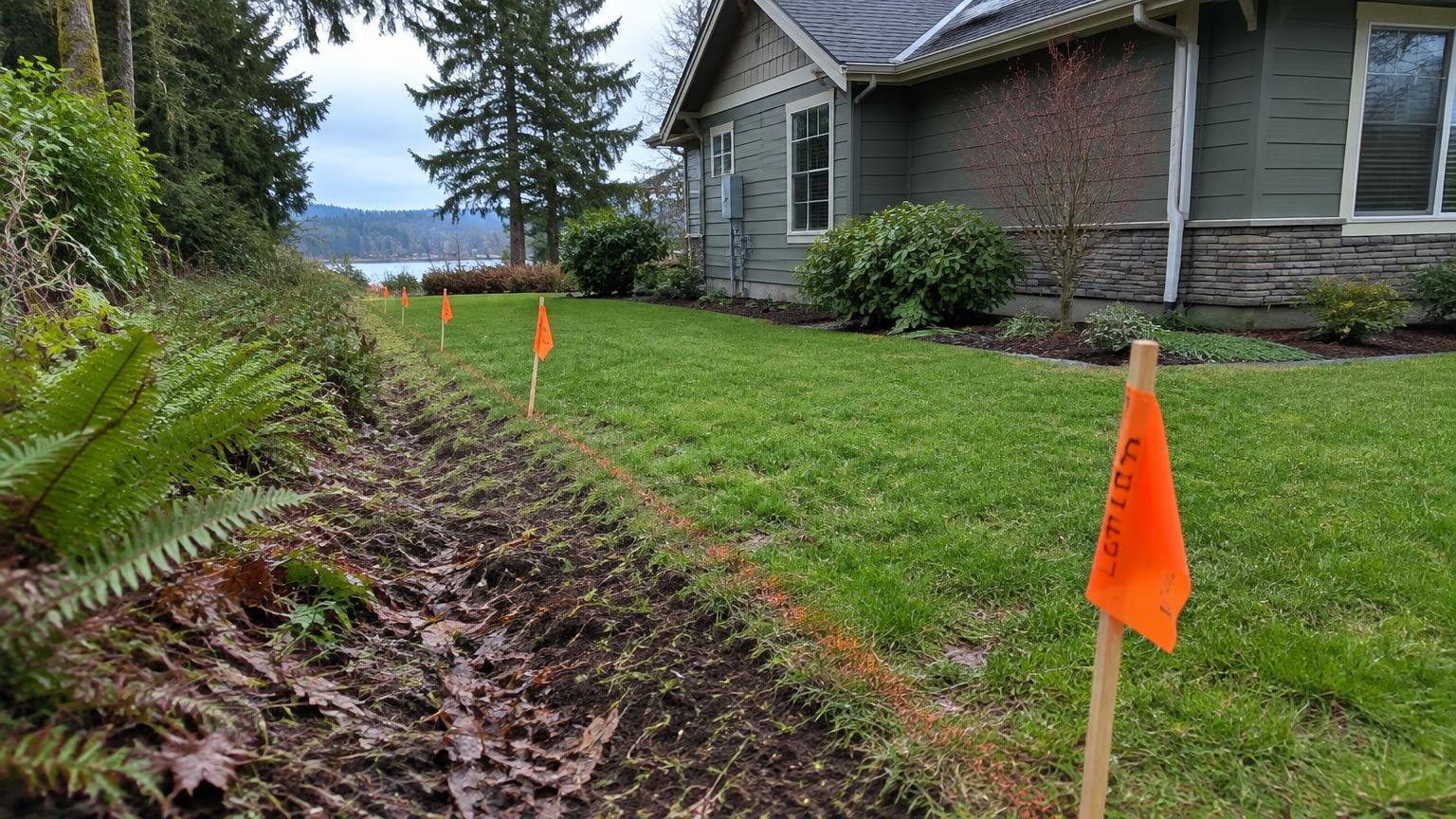
Easements, shared driveways and recorded restrictions: check before you buy.
Easements and restrictions appear in the preliminary title commitment (Schedule B exceptions), the recorded plat, the survey, and any CC&Rs or HOA dec…

Buyer strategy
Competing with all-cash offers as a financed buyer on the Eastside.
A seller choosing cash is buying speed and the removal of financing and appraisal risk. A financed buyer narrows that gap with a fully underwritten pr…

List price strategy
Pricing below market, offer review dates and how many showings to expect.
Pricing slightly below recent comparable sales can draw more showings and several offers, but it only works when there is enough active buyer demand a…

Offers and negotiation
What counts as a low-ball offer — and how to counter without losing the deal.
There is no fixed percentage that makes an offer a low-ball. An offer is low when it sits well under what recent comparable sales and current competit…
Inspection negotiation
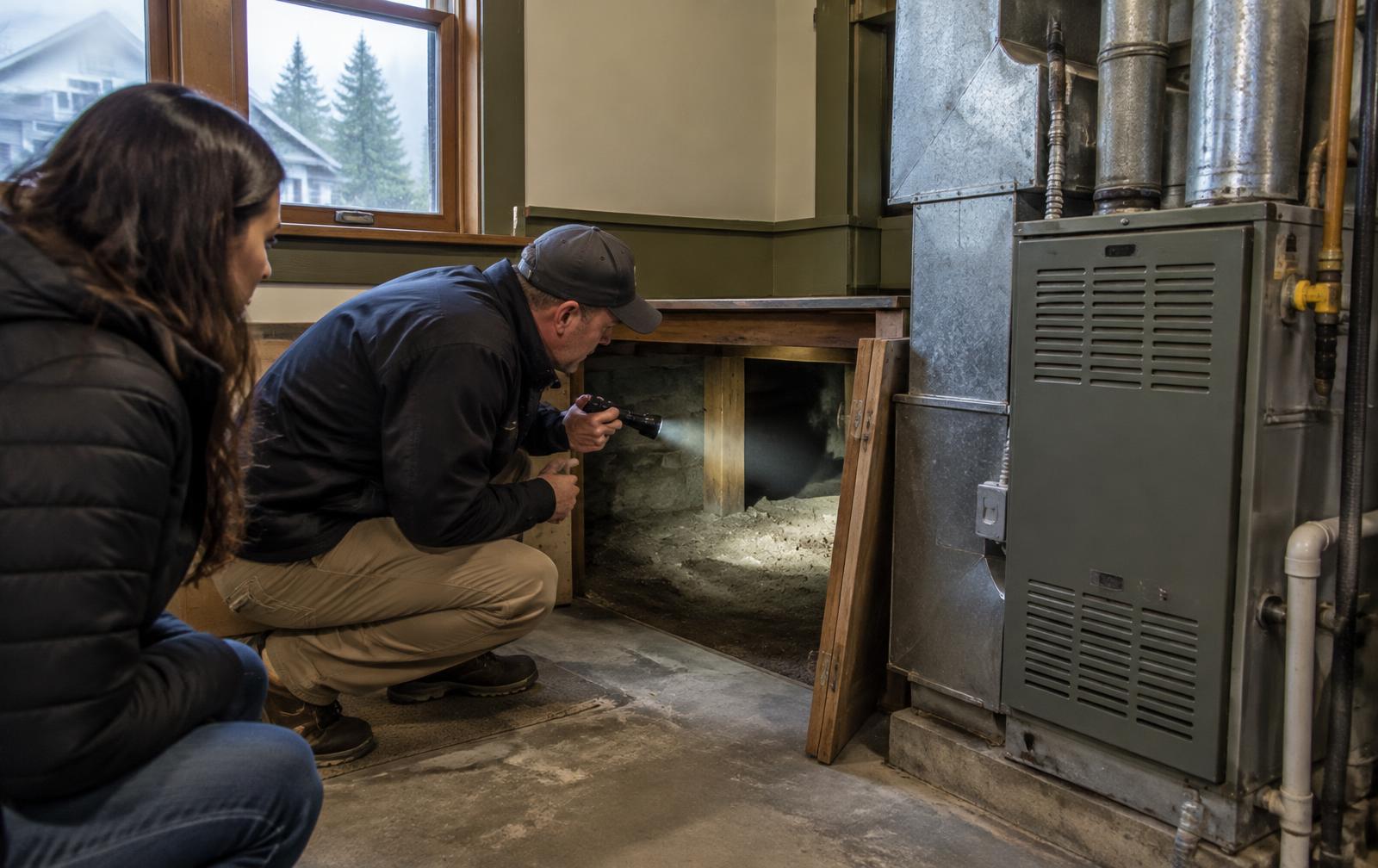
Home inspection negotiation in Washington: repair requests, credits and difficult sellers.
Ask for what is material — safety, structure, water, roof, major systems — and support each item with the inspector's notes or a contractor estimate. …
Solar homes
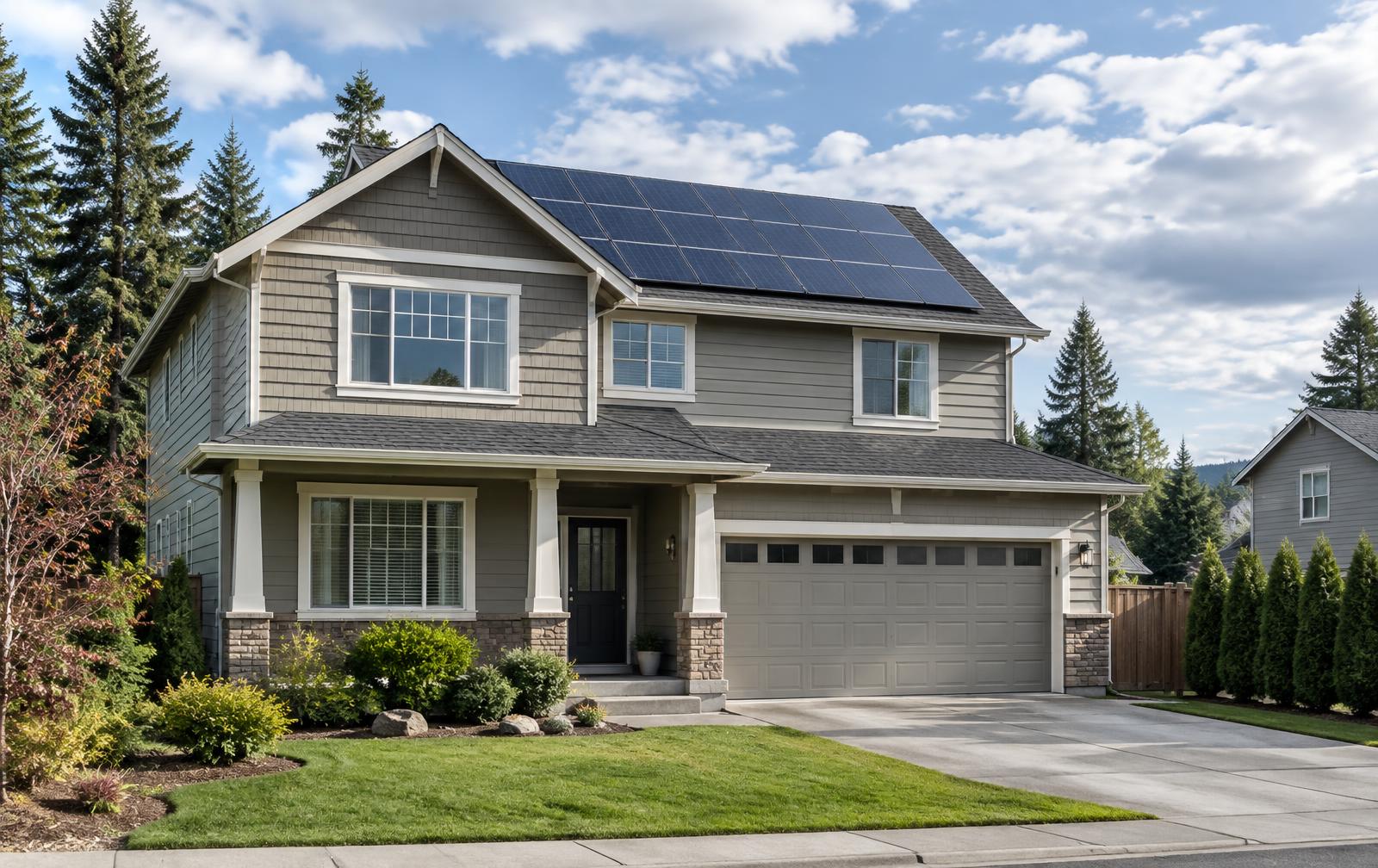
Buying a house with solar panels: owned vs leased, transfers and price drops.
First find out whether the system is owned outright, financed with a loan, leased, or on a power purchase agreement. Owned systems usually transfer wi…

Selling while living there
Selling a house while living in it: showings, kids, pets and the stress of selling.
Plan the hard work before the first showing: declutter and pack early, set showing windows that fit your household, and build a 15-minute reset routin…