
Concessions & credits
Seller concessions and seller credits: limits, price reduction vs credit, and repair trade-offs.
After an inspection or in a slower market, buyers often ask the seller to "help with closing costs" — or to fix something before closing. Each option lands differently on the buyer's cash, the lender's rules and the seller's net. This hub explains concession limits by loan type, when a price reduction beats a credit, and how to handle appliances and furniture in the deal.

Quick answer
A seller concession (often written as a seller credit) is money the seller pays toward the buyer's closing costs or prepaids; it cannot exceed the buyer's actual allowable costs and usually cannot be taken as cash. Lenders cap it: for a conventional primary-residence loan, Fannie Mae allows 3% of price with under 10% down, 6% with 10–25% down and 9% with more than 25% down (2% on investment property); FHA allows up to 6% and VA treats concessions above 4% as excess. A credit lowers the buyer's cash to close; a price reduction lowers the loan, payment and tax basis. For repairs, a credit or price adjustment is usually cleaner than asking the seller to replace an appliance under deadline.
3 / 6 / 9%
Fannie Mae caps on a primary residence by down payment band
6%
FHA cap on seller contributions toward buyer costs
4%
VA threshold above which concessions are treated as excess
Questions this hub answers
- seller concessions
- seller credit
- seller credit vs price reduction
- seller concessions closing costs
- seller credit vs new appliance
- sell house furniture included
- how much can a seller contribute to closing costs
How to structure a concession or credit
- 01
Check the buyer's loan program first
The cap depends on loan type, occupancy and down payment. Ask the lender for the maximum before writing the number into the offer or addendum.
- 02
Match the credit to real costs
A credit can only cover allowable closing costs and prepaids. Any amount beyond the buyer's actual costs is usually lost or forces a renegotiation.
- 03
Compare credit vs price reduction
A credit puts cash back at closing; a price cut lowers the loan and the monthly payment slightly. Buyers short on cash usually prefer a credit.
- 04
Decide on repairs vs credit
Seller-done repairs under deadline invite disputes over quality. A credit lets the buyer choose the contractor and the appliance.
- 05
Treat furniture as separate property
Furniture and movable items are personal property. Lenders generally will not finance them, so list them in a separate bill of sale with no value inside the loan.
- 06
Write it in the right form
In NWMLS transactions, concessions go in the purchase agreement or an addendum, and repair agreements in the inspection response. Confirm the lender has the final version.
Seller credit vs price reduction vs seller repair
| Option | Buyer's cash to close | Loan and payment | Seller's risk |
|---|---|---|---|
| Seller credit toward closing costs | Lower | Unchanged | Low — fixed amount |
| Price reduction | Slightly lower (down payment) | Lower | Low — may affect appraisal comps |
| Seller replaces appliance / repairs | Unchanged | Unchanged | Medium — quality and deadline disputes |
| Furniture included | Unchanged | Not financed | Low with a separate bill of sale |

Checklist
Concession checklist for buyers and sellers
- Lender has confirmed the maximum concession for this loan and occupancy.
- Estimated closing costs and prepaids are at least as large as the credit.
- Credit vs price reduction compared on cash-to-close and monthly payment.
- Repair items converted to a credit where possible.
- Appliances that stay are listed in the purchase agreement.
- Furniture and personal property are on a separate bill of sale.
- Final numbers match the lender's closing disclosure.
Seller concessions FAQ
How much can a seller contribute to closing costs?
It depends on the loan. Conventional primary-residence loans allow 3%, 6% or 9% of the price depending on down payment; FHA allows up to 6%; VA treats concessions over 4% as excess. Your lender confirms the exact limit.
Is a seller credit better than a price reduction?
For buyers short on cash, a credit usually helps more because it lowers cash to close. A price reduction lowers the loan and payment a little. Sellers often prefer a credit because the recorded price stays higher.
Should I ask for a new appliance or a credit after inspection?
A credit is usually cleaner: you choose the model and installer, and the seller avoids a deadline repair. Check that the credit fits within your loan's concession limit.
Can I sell a house with furniture included?
Yes, but list furniture on a separate bill of sale. Lenders generally do not finance personal property, so its value should not be built into the loan.
Related guides
Other topic guides

Family transfers
Gift of equity and selling a home to a family member in Washington.

Title & closing
Selling a house with a lien in Bellevue and Greater Seattle.
Land value
Selling an older Eastside home to a builder: land value vs. retail sale.

Visa & foreign buyers
Buying a home in Bellevue as a foreign national or visa holder.

Tech relocation
Moving to Bellevue for a tech job: rent first or buy now?

Schools & addresses
Buying by school assignment in the Bellevue School District.

Waterfront & unique homes
How to price a waterfront or one-of-a-kind home.

Listing problems
How to cancel a listing agreement and change agents.

Building & financing
Construction loans for self-employed and small business owners.

Land & lot value
Should you split a double lot before selling it?

Water & site risk
Flood zone, creek and drainage checks before you buy.

Landlords & investors
Selling a rental property to your current tenant.

Choosing an agent
How to choose a real estate agent in Seattle and on the Eastside.

Interview & review
Questions to ask before hiring — and how to tell if your agent is doing a good job.

Fees & commission
Who pays realtor fees in Washington — and what an agent actually keeps.

First-time buyers
Buying your first home in Washington State — including without a US credit history.

Home value
How to get an accurate home value estimate in Bellevue, Redmond and West Bellevue.
Investment property
Buying an investment property on the Eastside: returns, rules and the numbers to run.

Listing presentation
Staging and listing photos: virtual staging, AI edits and what buyers trust.
Stalled listings
Your house is not selling: what to change, and whether to pause the listing.

Seller options
Instant cash offer vs listing your home: how to compare them properly.

Due diligence
Easements, shared driveways and recorded restrictions: check before you buy.

Buyer strategy
Competing with all-cash offers as a financed buyer on the Eastside.

List price strategy
Pricing below market, offer review dates and how many showings to expect.

Offers and negotiation
What counts as a low-ball offer — and how to counter without losing the deal.
Inspection negotiation
Home inspection negotiation in Washington: repair requests, credits and difficult sellers.
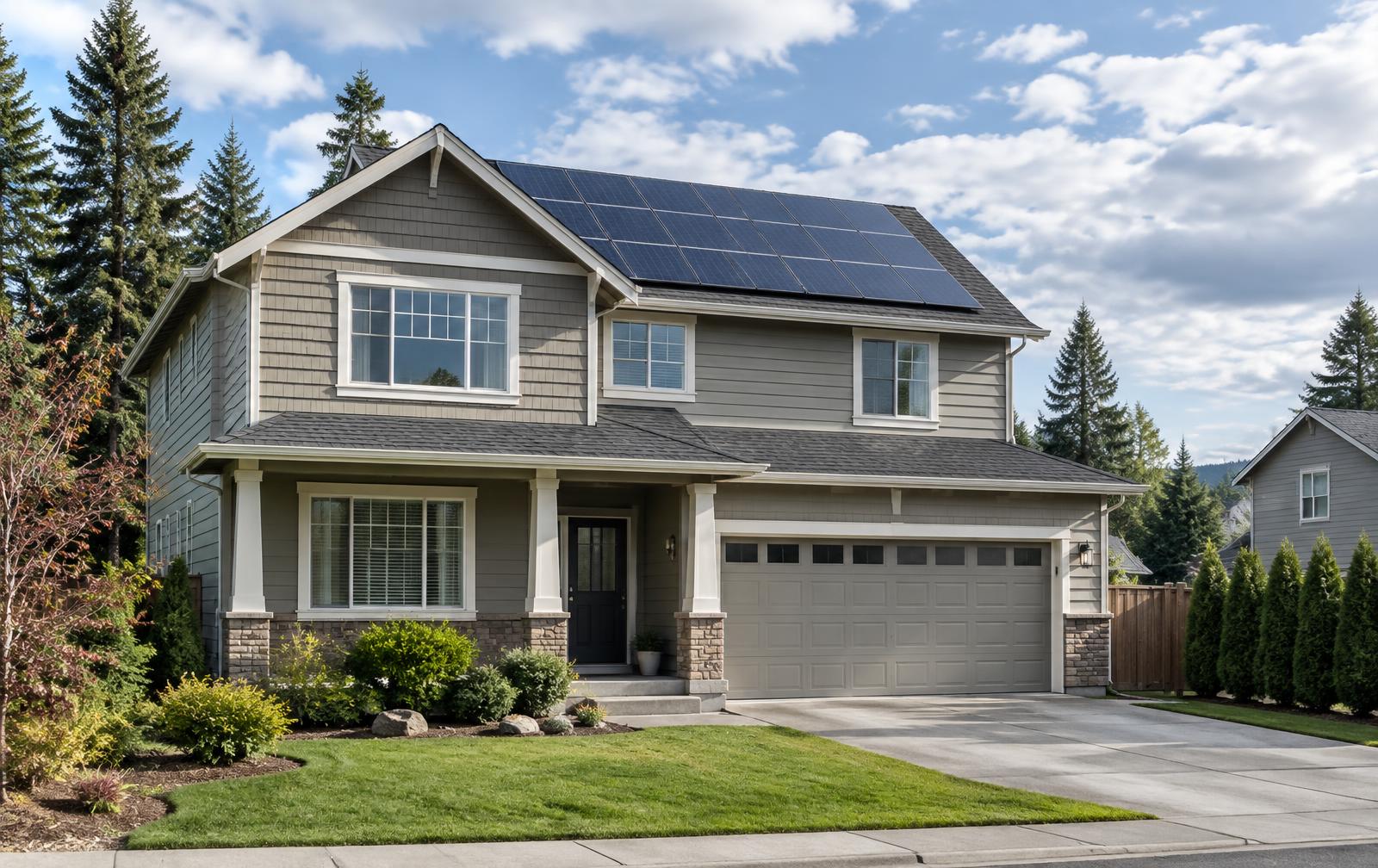
Solar homes
Buying a house with solar panels: owned vs leased, transfers and price drops.

Selling while living there
Selling a house while living in it: showings, kids, pets and the stress of selling.

Buying and selling at the same time
Home sale contingencies in Washington: buying a house contingent on selling yours.

Contract cancellation
Can you back out of buying a house before closing in Washington?
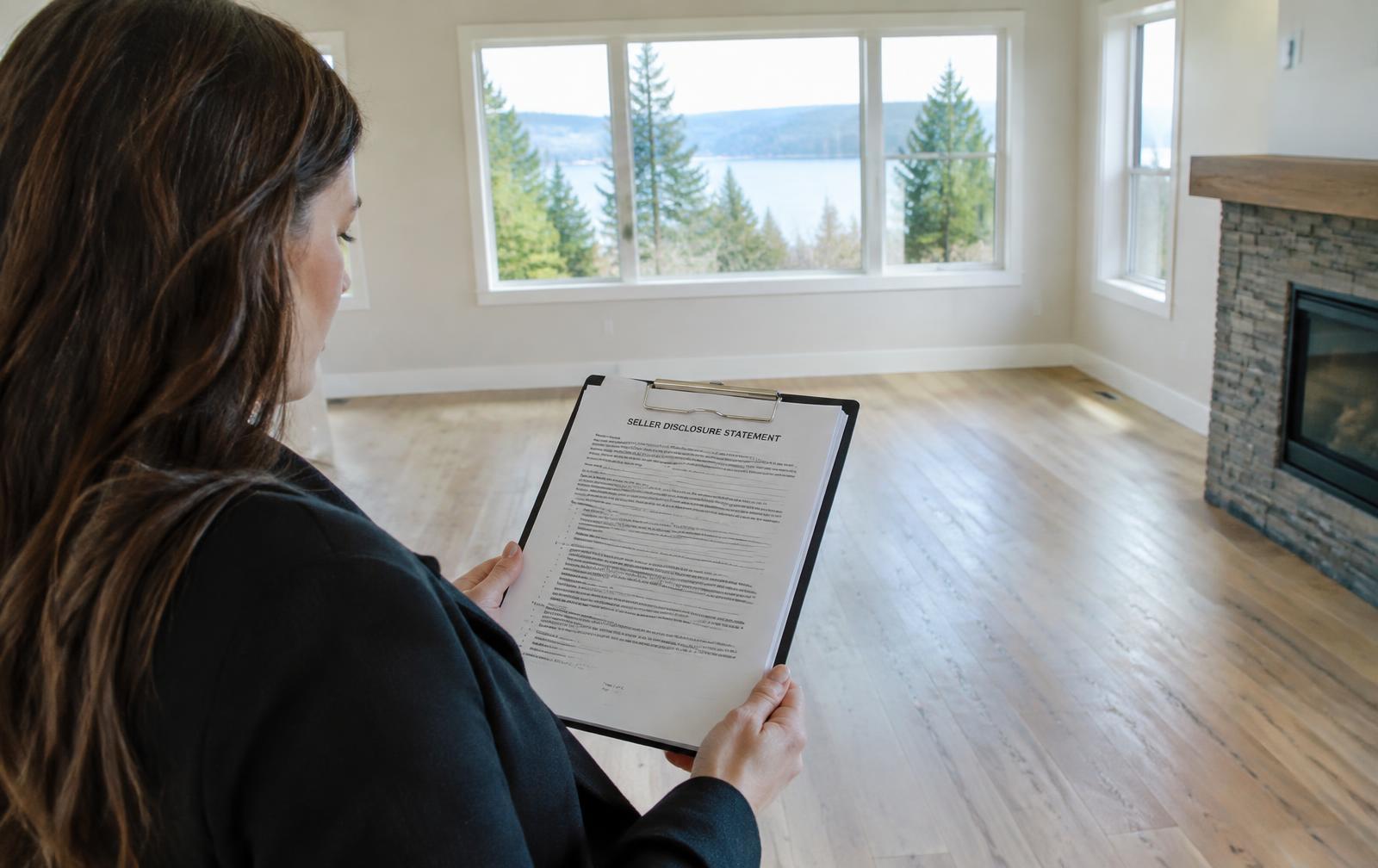
Seller disclosure
Washington's Form 17 seller disclosure: what buyers and sellers need to know.

Structural risk
Buying a house with foundation issues in the Seattle area: risks, inspections and negotiation.

Mortgage options
Alternatives to a 30-year fixed mortgage for Washington buyers.
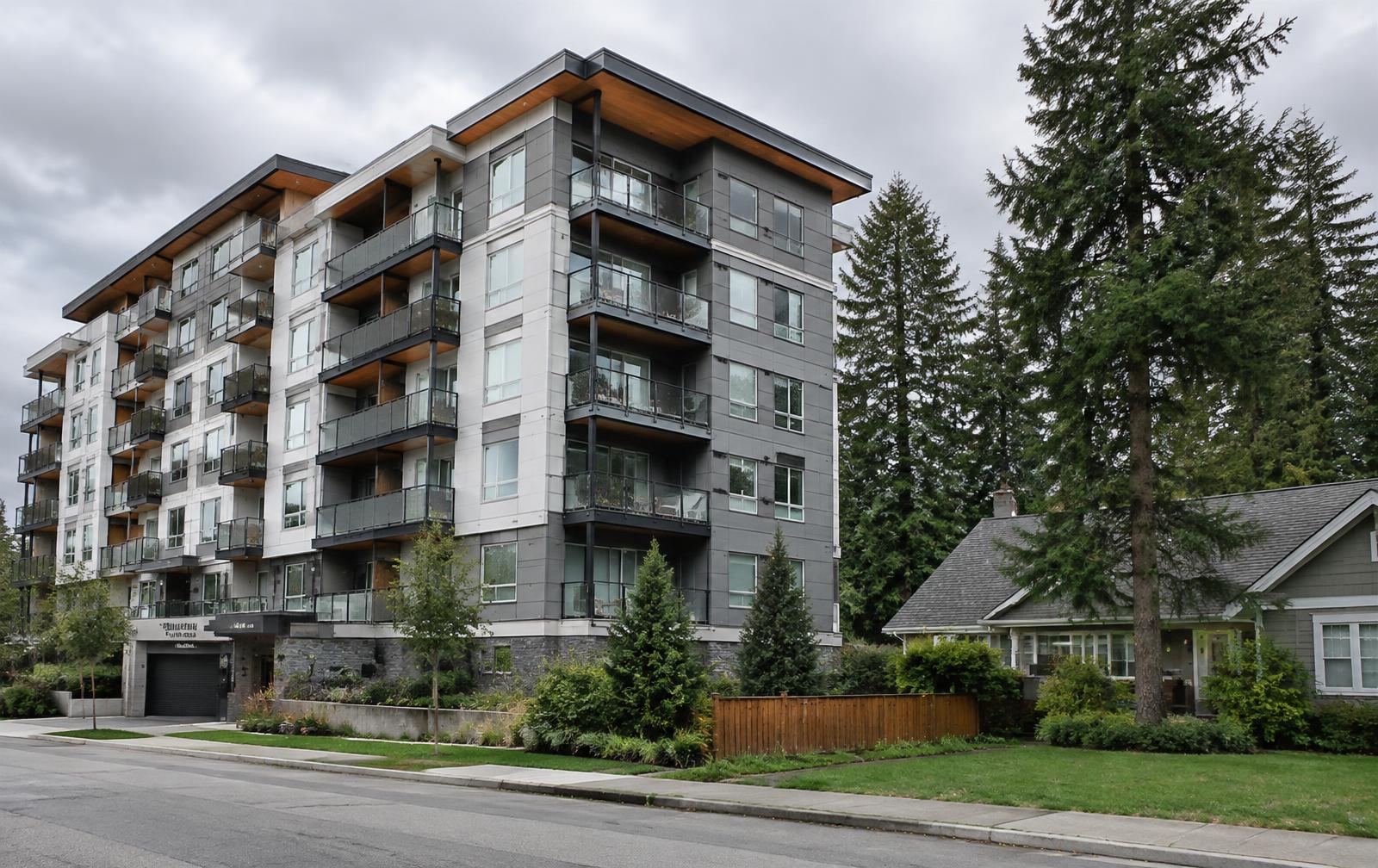
Property type decision
Condo vs single-family home: which holds up better as a long-term investment on the Eastside?

Rankings & best-of lists
Best places to live in the Seattle area, ranked — and how to read every ranking.

Selling an inherited home
Selling a parent's house in probate in Washington: authority, taxes and timing.

Permits & unpermitted additions
Buying a house with unpermitted work in Seattle and the Eastside: how to check permits and price the risk.

Final walkthrough
Final walkthrough checklist for Washington buyers — resale homes and new construction.
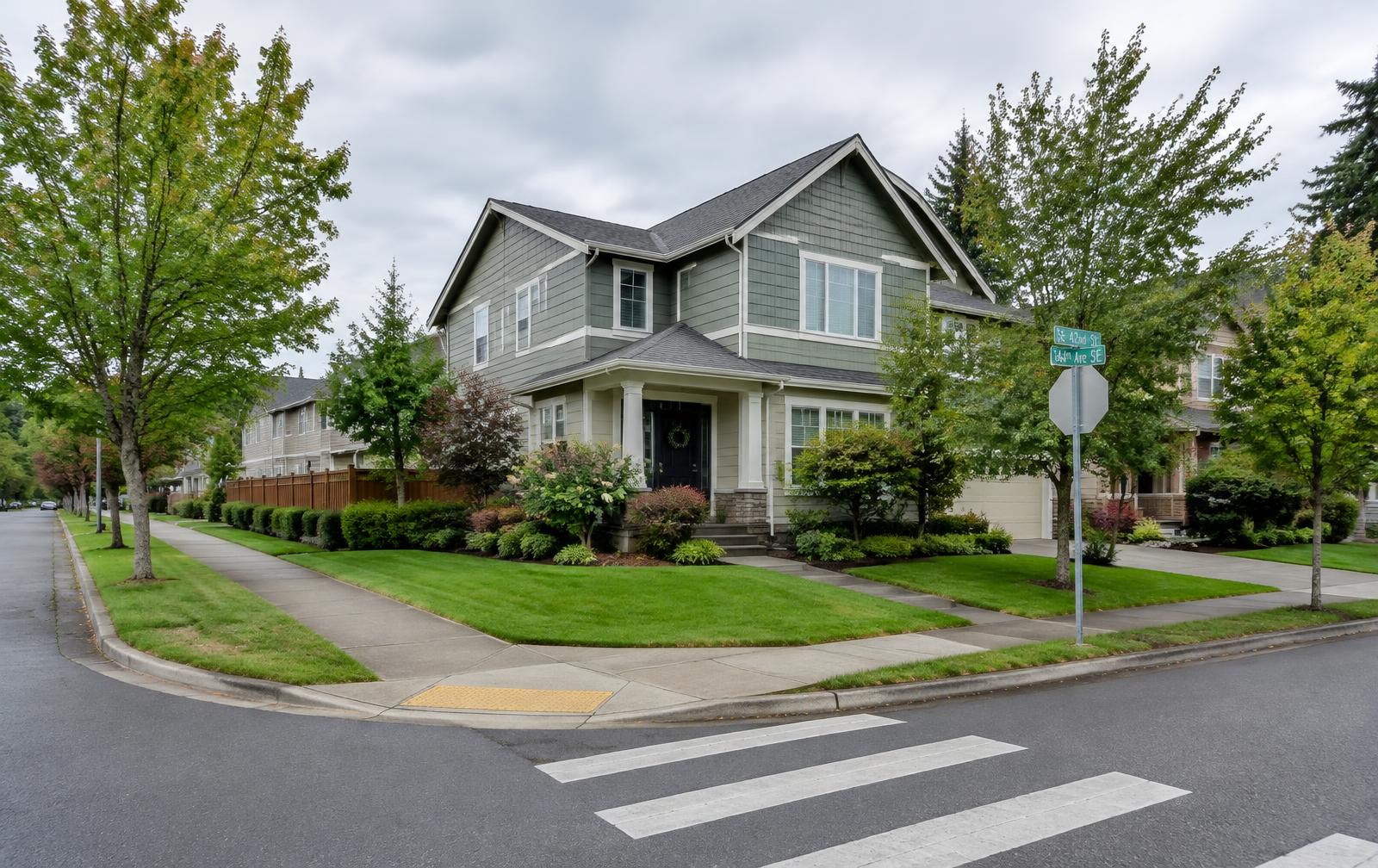
Lot & location trade-offs
Corner lot pros and cons, and living near a school: what Seattle-area buyers should weigh.
Related articles
Negotiating credits on your sale or purchase?
We run the cash-to-close and net-proceeds math both ways before you counter, and check the number with the buyer's lender.
Run the numbers with us