
Building & financing
Construction loans for self-employed and small business owners.
Building is the natural answer when the Eastside has the lot you want but not the house. The obstacle for founders, consultants and small business owners is rarely the project — it is proving income to an underwriter who reads a K-1 differently than a W-2. This hub covers both halves: how construction financing works, and what self-employed borrowers need on file.

Quick answer
Most self-employed borrowers finance a new build with a one-time close construction-to-permanent loan: the lender approves the borrower, the builder and the plans together, releases funds in inspected draws during construction, then converts to a standard mortgage at completion. Expect two years of business and personal returns, year-to-date profit and loss, business bank statements and a CPA letter; qualifying income is net income after deductions, plus add-backs such as depreciation. Budget a 10-15% contingency and confirm whether the lot is already owned free and clear, since lot equity often serves as part of the down payment.
2 years
Business and personal tax returns most lenders require
10–15%
Contingency reserve typically required in the build budget
Draws
Funds released in inspected stages, not one lump sum
Questions this hub answers
- construction loan for self employed
- one time close construction loan requirements
- how do lenders calculate self employed income
- construction to permanent loan washington
- financing a custom home build
From lot to keys
- 01
Get pre-underwritten before you buy the lot
Self-employed files take longer to read. Having income reviewed first tells you the real budget and prevents buying a lot the build cannot be financed on.
- 02
Confirm the lot can be built on
Zoning, critical areas, slope, utilities, septic or sewer capacity and permit timelines decide feasibility. A cheap lot with a hard site can cost more than a more expensive, easy one.
- 03
Choose one-time close or two-close
One-time close means a single approval and one set of closing costs, with the rate locked earlier. Two-close means a short construction loan, then a separate permanent loan — more flexibility, more cost.
- 04
Get the builder approved with the plans and budget
Lenders underwrite the builder as well as the borrower: license, insurance, references, fixed-price contract, and a line-item budget with contingency.
- 05
Manage the draw schedule during the build
Each stage is inspected before funds release, and you pay interest only on what has been drawn. Change orders need lender sign-off, so decide the finishes before the framing goes up.
One-time close vs two-close
| Item | One-time close | Two-close |
|---|---|---|
| Approvals | Single approval for build and mortgage | Approved twice, at build and at conversion |
| Closing costs | One set | Two sets |
| Rate risk | Locked earlier, less exposure | Repriced at the permanent loan |
| Flexibility | Changes need lender approval | Easier to change lender or product later |
| Best for | Fixed-price contract, clear scope | Complex builds or an evolving budget |

Checklist
Documents self-employed borrowers should have ready
- Two years of business and personal federal tax returns, all schedules
- Year-to-date profit and loss statement and balance sheet
- Twelve months of business bank statements
- CPA letter confirming ownership share and business continuity
- Fixed-price builder contract with a line-item budget and contingency
- Plans, specifications, permit status and the builder's license and insurance
Self-employed construction financing questions
Why do lenders use net income instead of revenue?
Qualifying income is what remains after the deductions you took, with certain non-cash items such as depreciation added back. Aggressive write-offs lower taxes and also lower qualifying income — worth planning two years before you build.
Can I use the lot as my down payment?
Often yes. If the lot is owned outright, its appraised value can count as equity toward the required contribution. Confirm with your lender before paying cash for a lot, because how and when you bought it matters.
What if the build goes over budget?
That is what the contingency is for. Beyond it, you cover the overage in cash or request a loan modification, which is not guaranteed. A fixed-price contract with a clear allowance schedule is the strongest protection.
Do I make payments during construction?
Typically interest-only on the amount drawn so far, which rises as the build progresses. If you are also paying rent or another mortgage, plan the overlap into your cash flow from the start.
Related reading
Other topic guides

Family transfers
Gift of equity and selling a home to a family member in Washington.

Title & closing
Selling a house with a lien in Bellevue and Greater Seattle.
Land value
Selling an older Eastside home to a builder: land value vs. retail sale.

Visa & foreign buyers
Buying a home in Bellevue as a foreign national or visa holder.

Tech relocation
Moving to Bellevue for a tech job: rent first or buy now?

Schools & addresses
Buying by school assignment in the Bellevue School District.

Waterfront & unique homes
How to price a waterfront or one-of-a-kind home.

Listing problems
How to cancel a listing agreement and change agents.

Land & lot value
Should you split a double lot before selling it?

Water & site risk
Flood zone, creek and drainage checks before you buy.

Landlords & investors
Selling a rental property to your current tenant.

Choosing an agent
How to choose a real estate agent in Seattle and on the Eastside.

Interview & review
Questions to ask before hiring — and how to tell if your agent is doing a good job.

Fees & commission
Who pays realtor fees in Washington — and what an agent actually keeps.

First-time buyers
Buying your first home in Washington State — including without a US credit history.

Home value
How to get an accurate home value estimate in Bellevue, Redmond and West Bellevue.
Investment property
Buying an investment property on the Eastside: returns, rules and the numbers to run.

Listing presentation
Staging and listing photos: virtual staging, AI edits and what buyers trust.
Stalled listings
Your house is not selling: what to change, and whether to pause the listing.

Seller options
Instant cash offer vs listing your home: how to compare them properly.
Due diligence
Easements, shared driveways and recorded restrictions: check before you buy.

Buyer strategy
Competing with all-cash offers as a financed buyer on the Eastside.

List price strategy
Pricing below market, offer review dates and how many showings to expect.

Offers and negotiation
What counts as a low-ball offer — and how to counter without losing the deal.
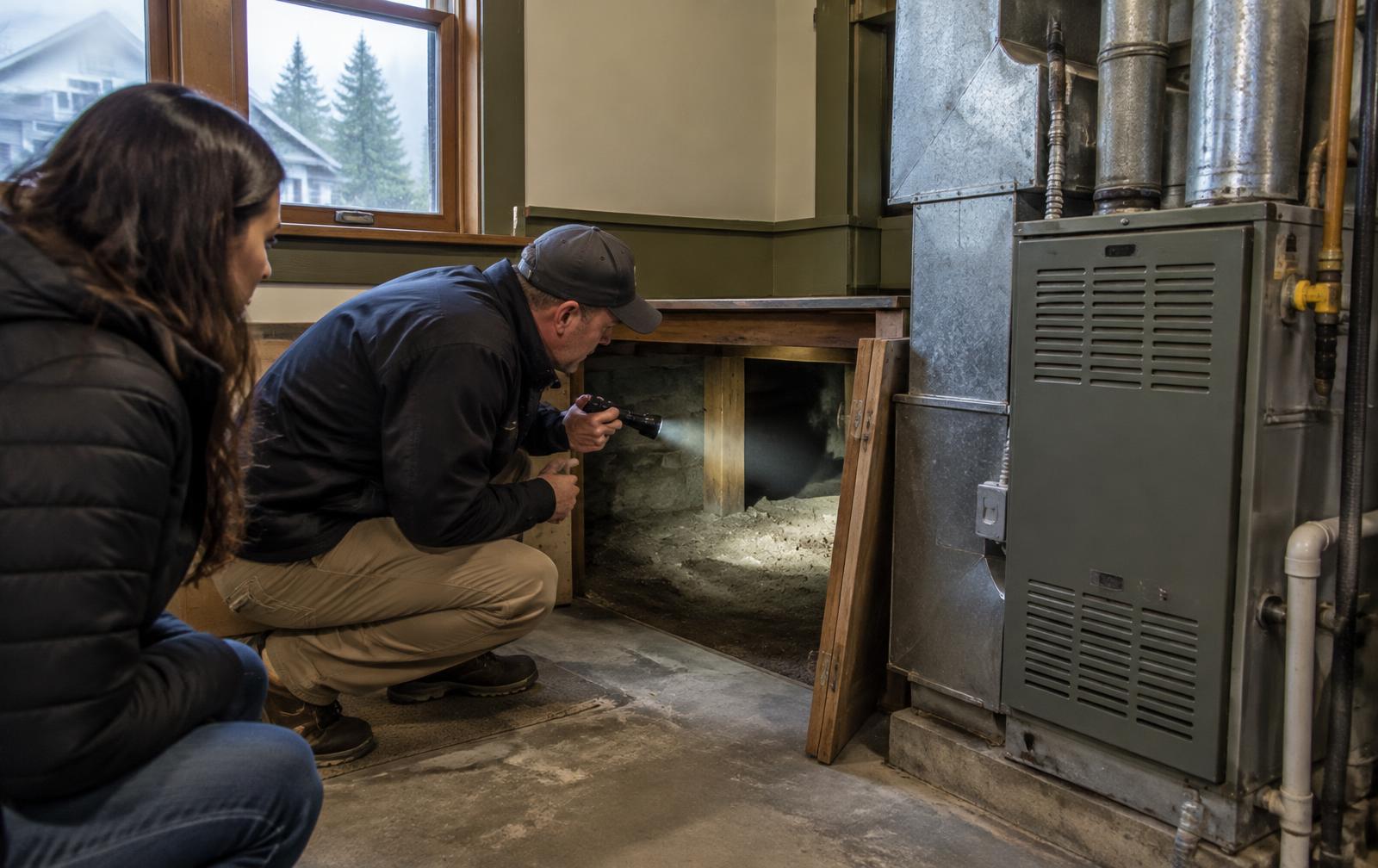
Inspection negotiation
Home inspection negotiation in Washington: repair requests, credits and difficult sellers.
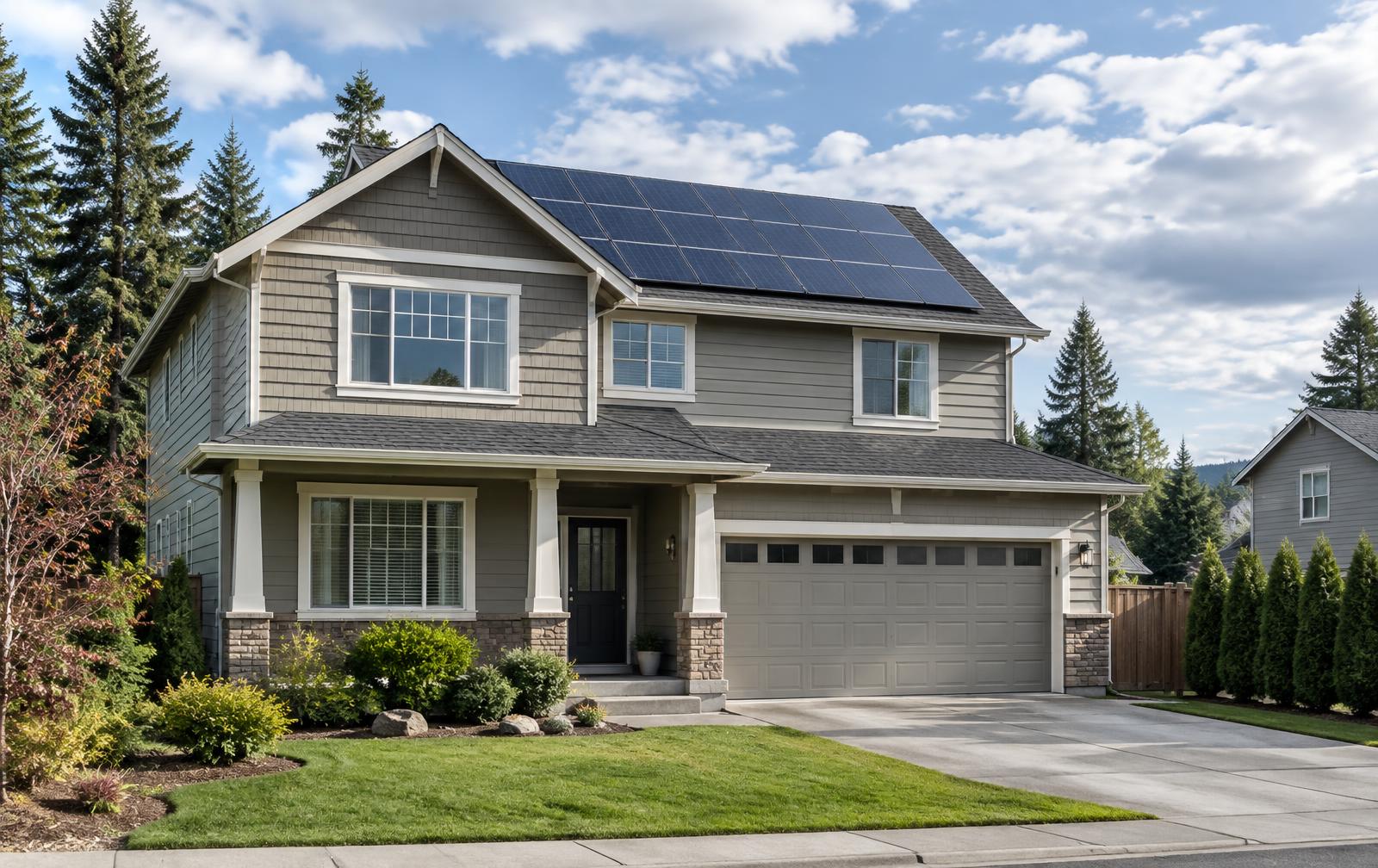
Solar homes
Buying a house with solar panels: owned vs leased, transfers and price drops.

Selling while living there
Selling a house while living in it: showings, kids, pets and the stress of selling.

Buying and selling at the same time
Home sale contingencies in Washington: buying a house contingent on selling yours.

Contract cancellation
Can you back out of buying a house before closing in Washington?
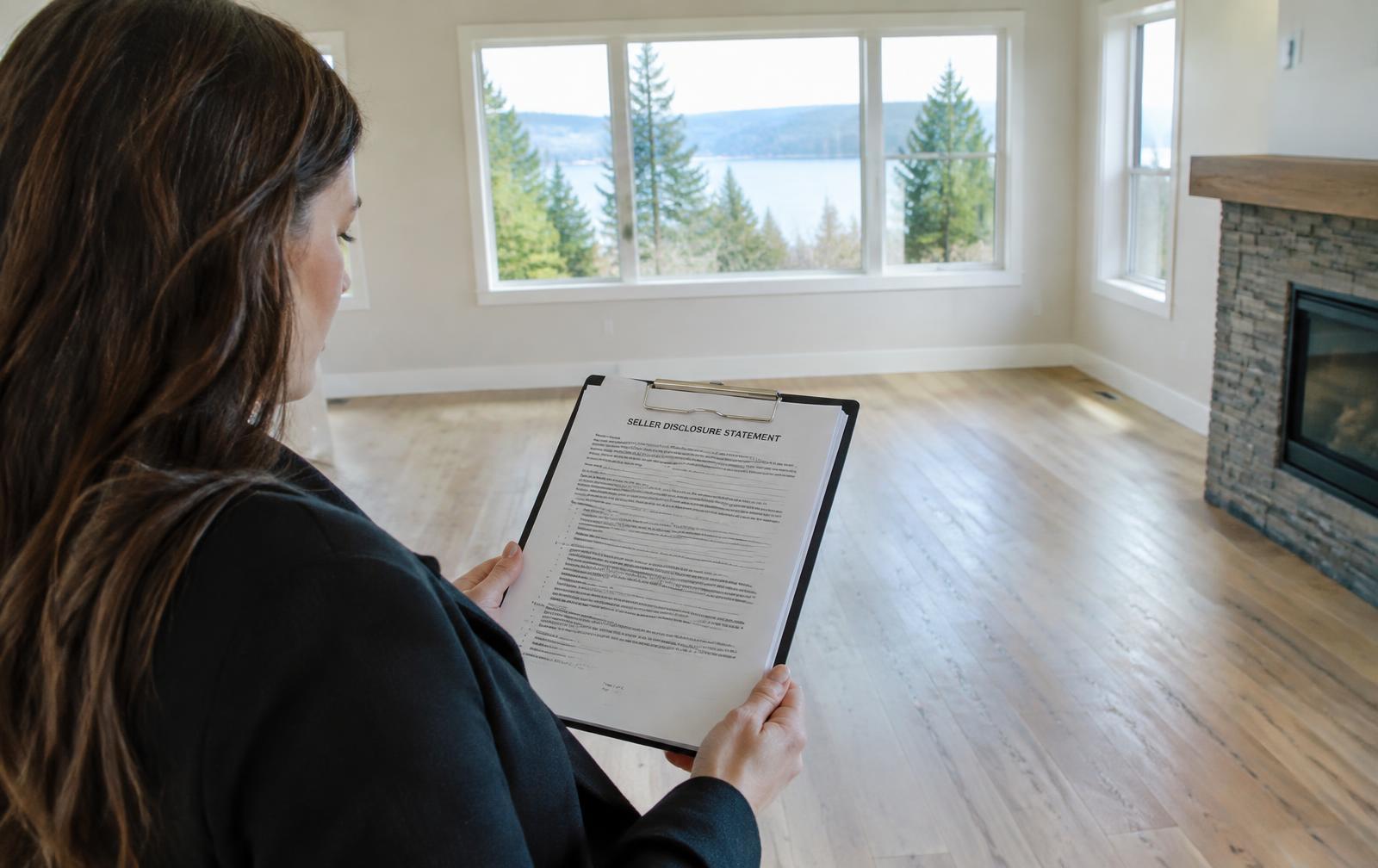
Seller disclosure
Washington's Form 17 seller disclosure: what buyers and sellers need to know.

Structural risk
Buying a house with foundation issues in the Seattle area: risks, inspections and negotiation.

Mortgage options
Alternatives to a 30-year fixed mortgage for Washington buyers.
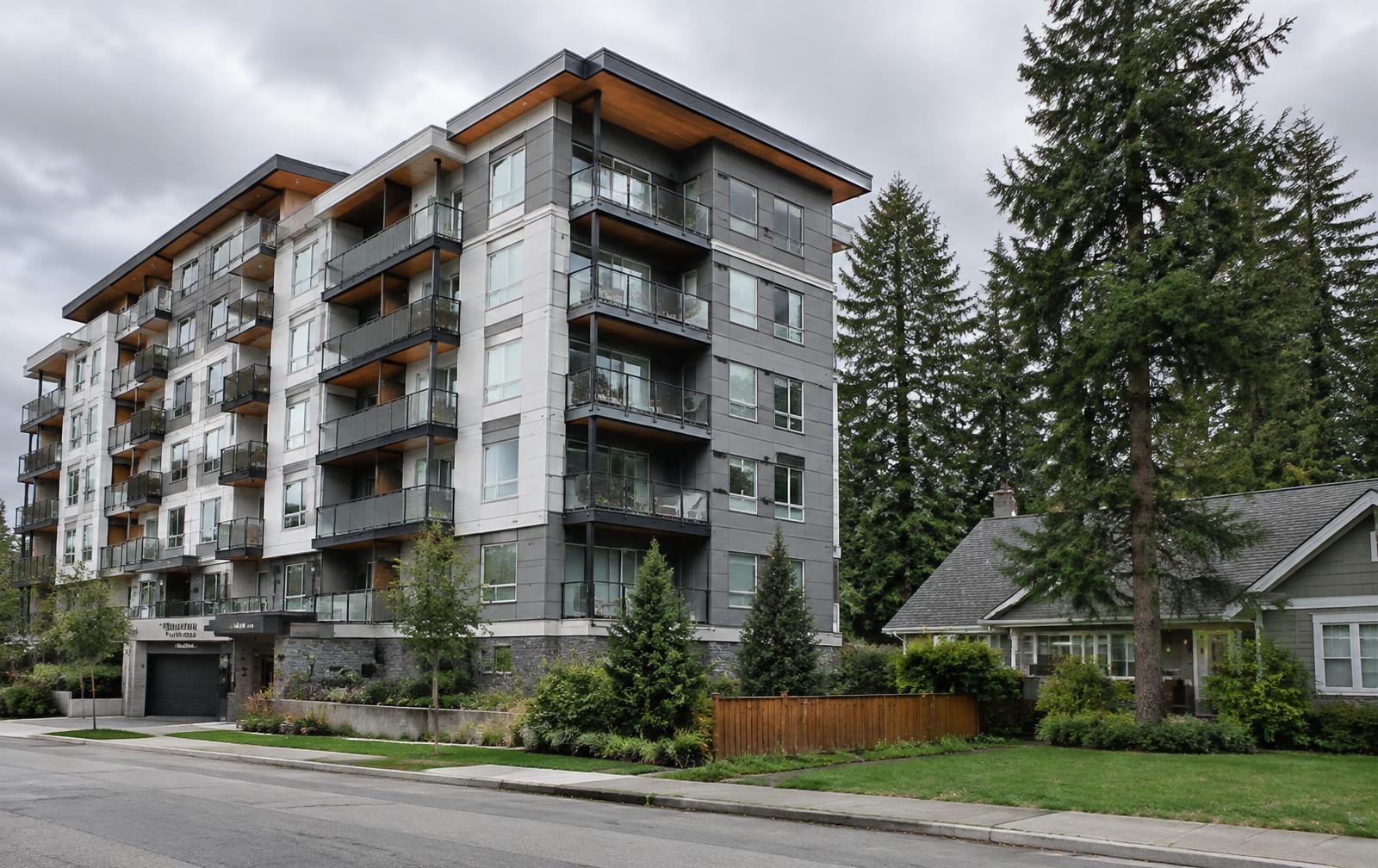
Property type decision
Condo vs single-family home: which holds up better as a long-term investment on the Eastside?

Rankings & best-of lists
Best places to live in the Seattle area, ranked — and how to read every ranking.

Selling an inherited home
Selling a parent's house in probate in Washington: authority, taxes and timing.

Concessions & credits
Seller concessions and seller credits: limits, price reduction vs credit, and repair trade-offs.
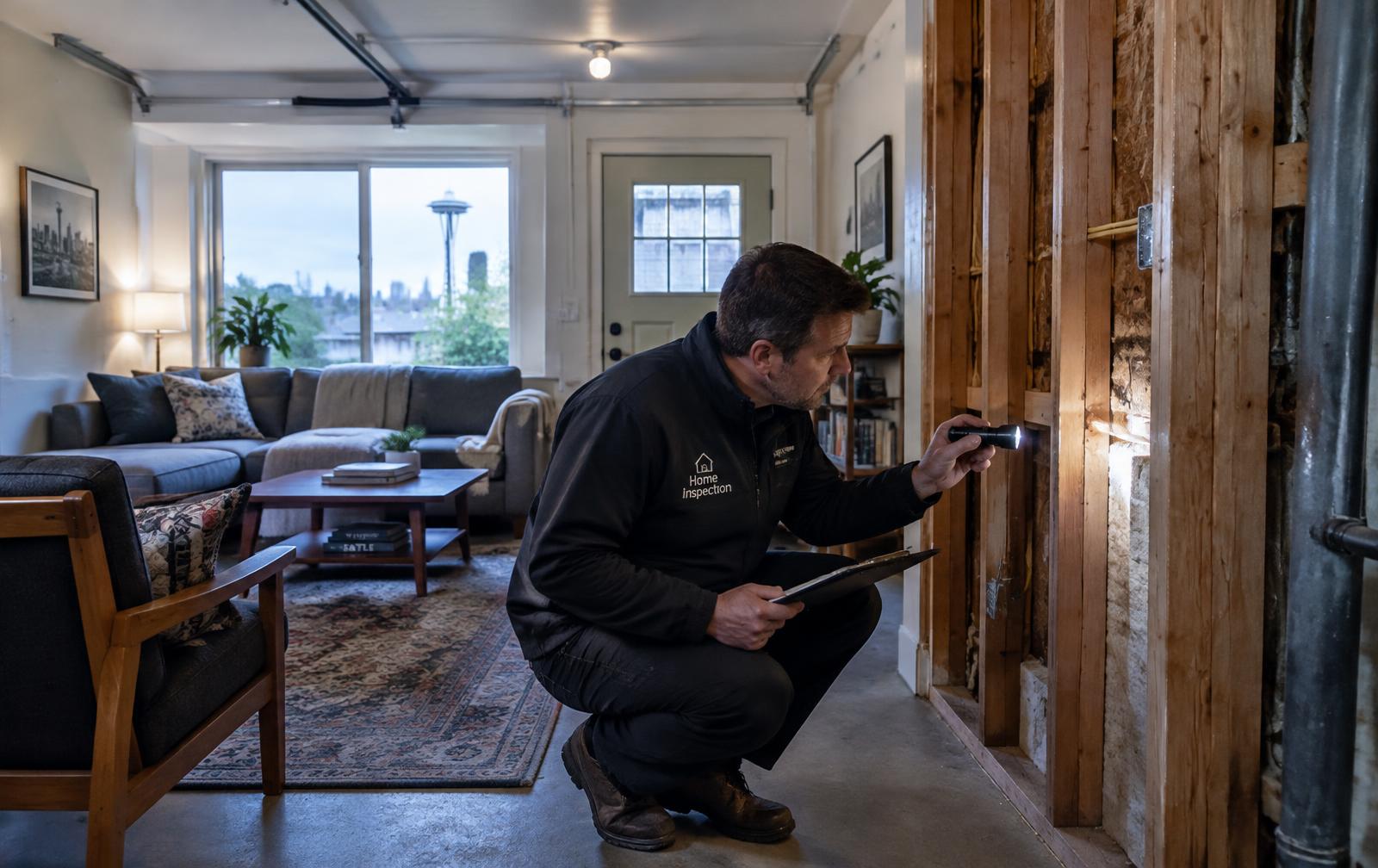
Permits & unpermitted additions
Buying a house with unpermitted work in Seattle and the Eastside: how to check permits and price the risk.

Final walkthrough
Final walkthrough checklist for Washington buyers — resale homes and new construction.
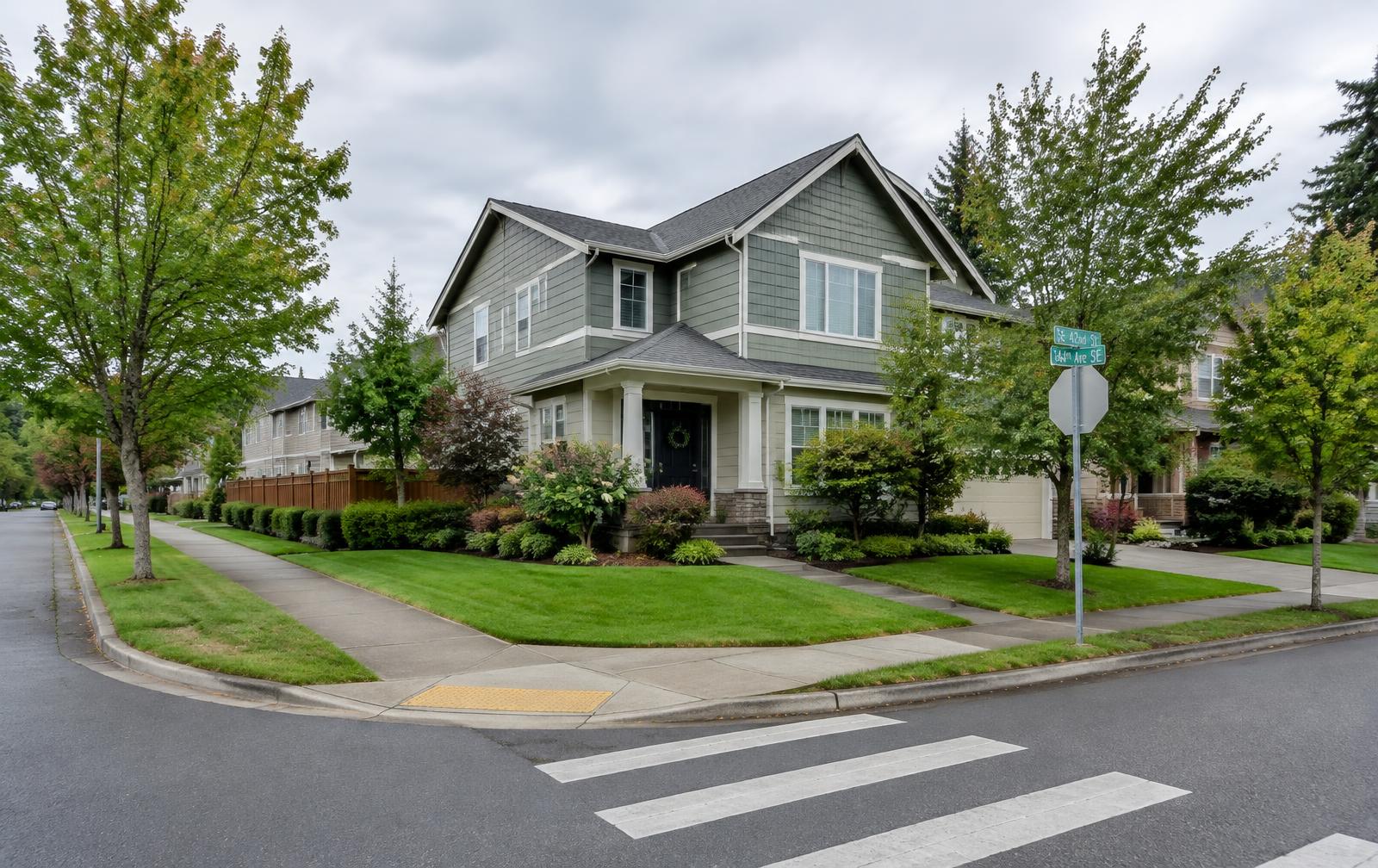
Lot & location trade-offs
Corner lot pros and cons, and living near a school: what Seattle-area buyers should weigh.
Thinking about building on the Eastside?
We will help you test the lot for feasibility, connect you with lenders who read self-employed files well, and review the builder contract before you sign.
Talk about your build