
Land & lot value
Should you split a double lot before selling it?
An oversized or double lot is the one thing an Eastside builder cannot manufacture. The question is whether you should do the subdivision work yourself and sell two parcels, or sell the potential and let a builder carry the risk. The answer depends on zoning, cost, timeline and how much uncertainty you are willing to hold.

Quick answer
Splitting first usually raises gross proceeds but costs money and months: survey, short plat application, utility and access design, city review, and sometimes road or drainage improvements. Selling whole is faster and simpler, and builders will pay for entitled potential — but they discount for the risk they are taking on. The deciding factors are whether the zoning clearly supports the split, whether each resulting parcel meets minimum size and street frontage, and whether you can afford to wait through permit review.
Short plat
The process used for small residential divisions
Months
Typical review timeline, varies by jurisdiction
2 buyers
A split changes who competes for your property
Questions this hub answers
- should i split a double lot before selling
- how to subdivide a residential lot
- short plat process king county
- is it worth subdividing before selling
- selling land to a builder vs subdividing
Deciding split or sell whole
- 01
Confirm zoning and minimum lot size
Start with the city or county zoning designation, minimum lot area, width and street frontage. If either resulting parcel misses a minimum, the split is a variance question, not a paperwork question.
- 02
Check critical areas and trees
Wetlands, streams, steep slope and significant tree retention rules can remove buildable area entirely. This is the step that most often kills an otherwise obvious split.
- 03
Price the access and utilities
A back parcel needs legal access and services. Shared driveway easements, sewer extension, stormwater detention and frontage improvements are the costs sellers routinely underestimate.
- 04
Run both numbers side by side
Two finished parcels minus all costs, carrying and time, versus one clean sale to a builder today. Compare the net, not the headline price.
- 05
Consider selling entitled, not built
A middle path: obtain the short plat approval, then sell both parcels. You capture much of the entitlement gain without taking on vertical construction risk.
Split first vs sell whole
| Factor | Split first | Sell whole |
|---|---|---|
| Gross proceeds | Usually higher | Lower, discounted for risk |
| Out-of-pocket cost | Survey, application, engineering, fees | Minimal |
| Timeline | Months of review, possible appeals | Normal sale timeline |
| Risk holder | You | The builder |
| Buyer pool | Builders and individual lot buyers | Builders and land buyers |

Checklist
Due diligence before you apply
- Zoning designation, minimum lot size, width and frontage requirements
- Critical areas map and any tree retention or buffer requirement
- Existing survey, plat, easements and any restrictive covenant
- Sewer or septic capacity and stormwater detention requirements
- Written cost estimate from a civil engineer or land use consultant
- Two or three builder opinions on what the unsplit parcel is worth today
Lot split questions
Does a bigger lot always mean more value?
Only when the extra land is usable and buildable. Unusable slope, buffer or setback area adds maintenance rather than value. A buildable second parcel is a different asset class from a large yard.
Can I split a lot with a house already on it?
Often yes, provided the existing house still meets setbacks and lot coverage on its new smaller parcel after the line is drawn. Where it does not, the split may require moving or removing part of the structure.
What if the HOA prohibits subdivision?
Recorded covenants can restrict division even where zoning allows it. Check the CC&Rs before spending on survey work; amending them usually requires a supermajority of owners.
Who pays for road or utility improvements?
Whoever files the application generally carries the conditions of approval. If you split first, the frontage, drainage and utility conditions land on you; if the builder applies, they price those conditions into their offer.
Related reading
Other topic guides

Family transfers
Gift of equity and selling a home to a family member in Washington.

Title & closing
Selling a house with a lien in Bellevue and Greater Seattle.
Land value
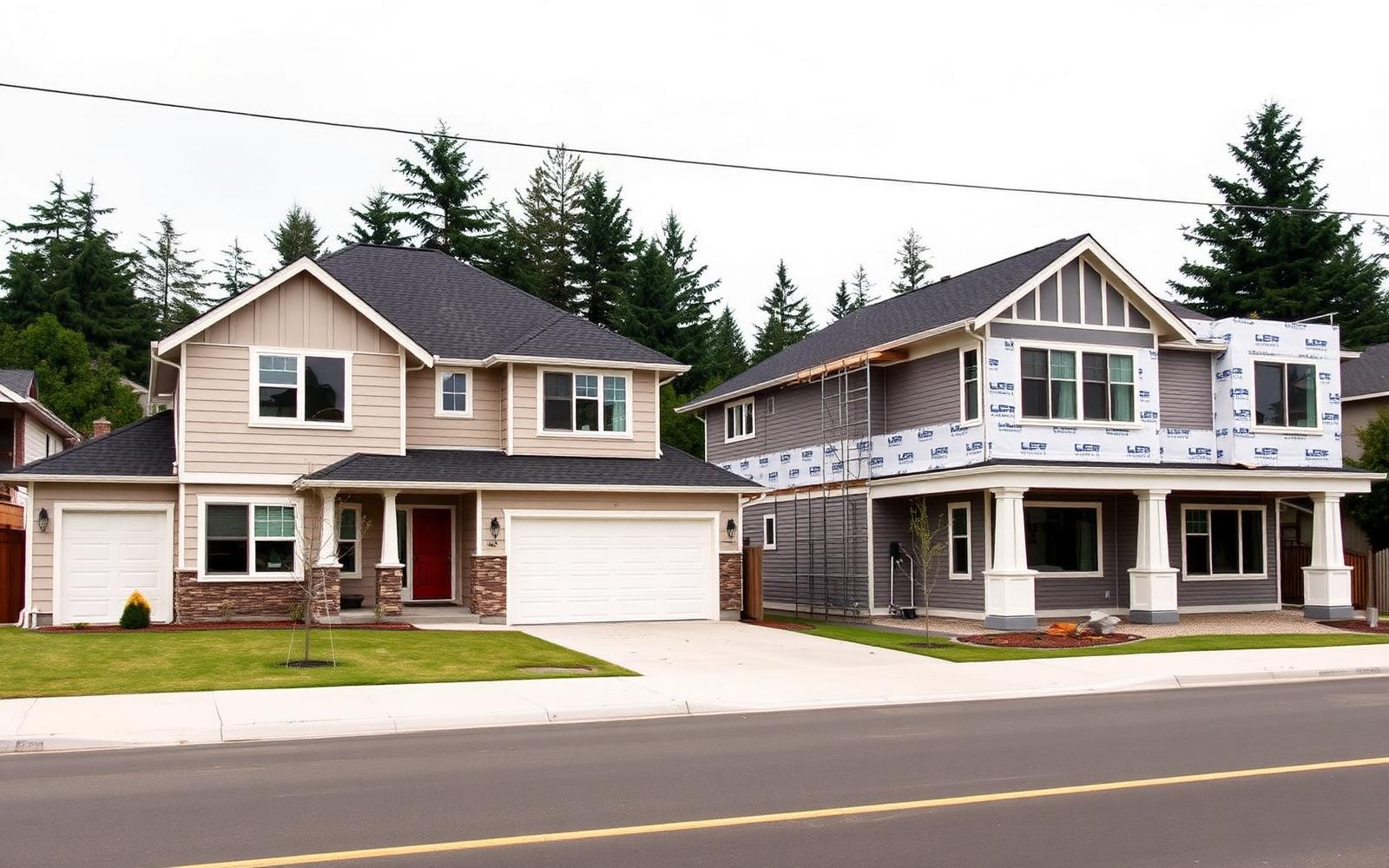
Selling an older Eastside home to a builder: land value vs. retail sale.

Visa & foreign buyers
Buying a home in Bellevue as a foreign national or visa holder.

Tech relocation
Moving to Bellevue for a tech job: rent first or buy now?

Schools & addresses
Buying by school assignment in the Bellevue School District.

Waterfront & unique homes
How to price a waterfront or one-of-a-kind home.

Listing problems
How to cancel a listing agreement and change agents.

Building & financing
Construction loans for self-employed and small business owners.

Water & site risk
Flood zone, creek and drainage checks before you buy.

Landlords & investors
Selling a rental property to your current tenant.

Choosing an agent
How to choose a real estate agent in Seattle and on the Eastside.

Interview & review
Questions to ask before hiring — and how to tell if your agent is doing a good job.

Fees & commission
Who pays realtor fees in Washington — and what an agent actually keeps.

First-time buyers
Buying your first home in Washington State — including without a US credit history.

Home value
How to get an accurate home value estimate in Bellevue, Redmond and West Bellevue.
Investment property
Buying an investment property on the Eastside: returns, rules and the numbers to run.

Listing presentation
Staging and listing photos: virtual staging, AI edits and what buyers trust.
Stalled listings
Your house is not selling: what to change, and whether to pause the listing.

Seller options
Instant cash offer vs listing your home: how to compare them properly.
Due diligence
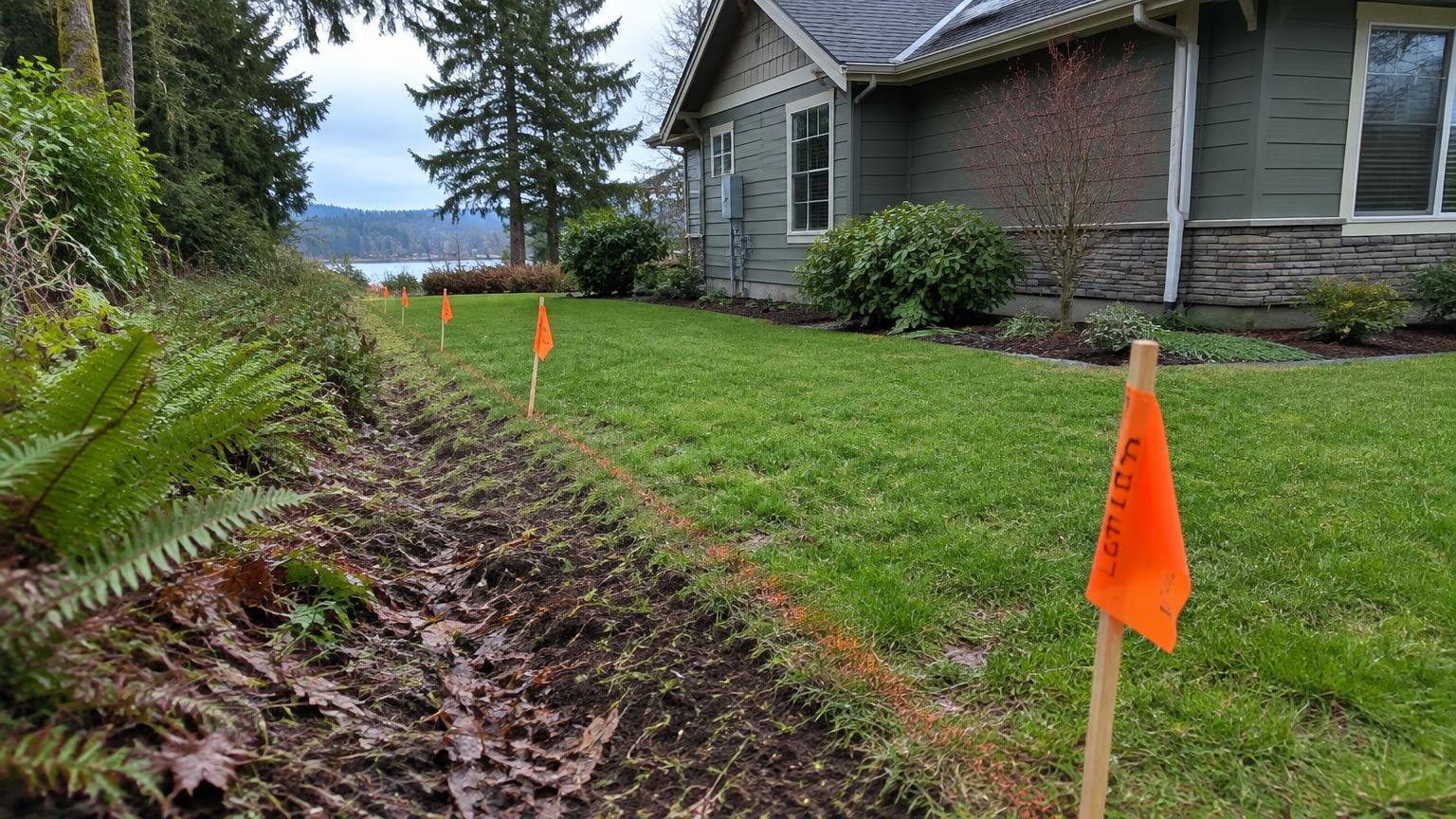
Easements, shared driveways and recorded restrictions: check before you buy.

Buyer strategy
Competing with all-cash offers as a financed buyer on the Eastside.

List price strategy
Pricing below market, offer review dates and how many showings to expect.

Offers and negotiation
What counts as a low-ball offer — and how to counter without losing the deal.
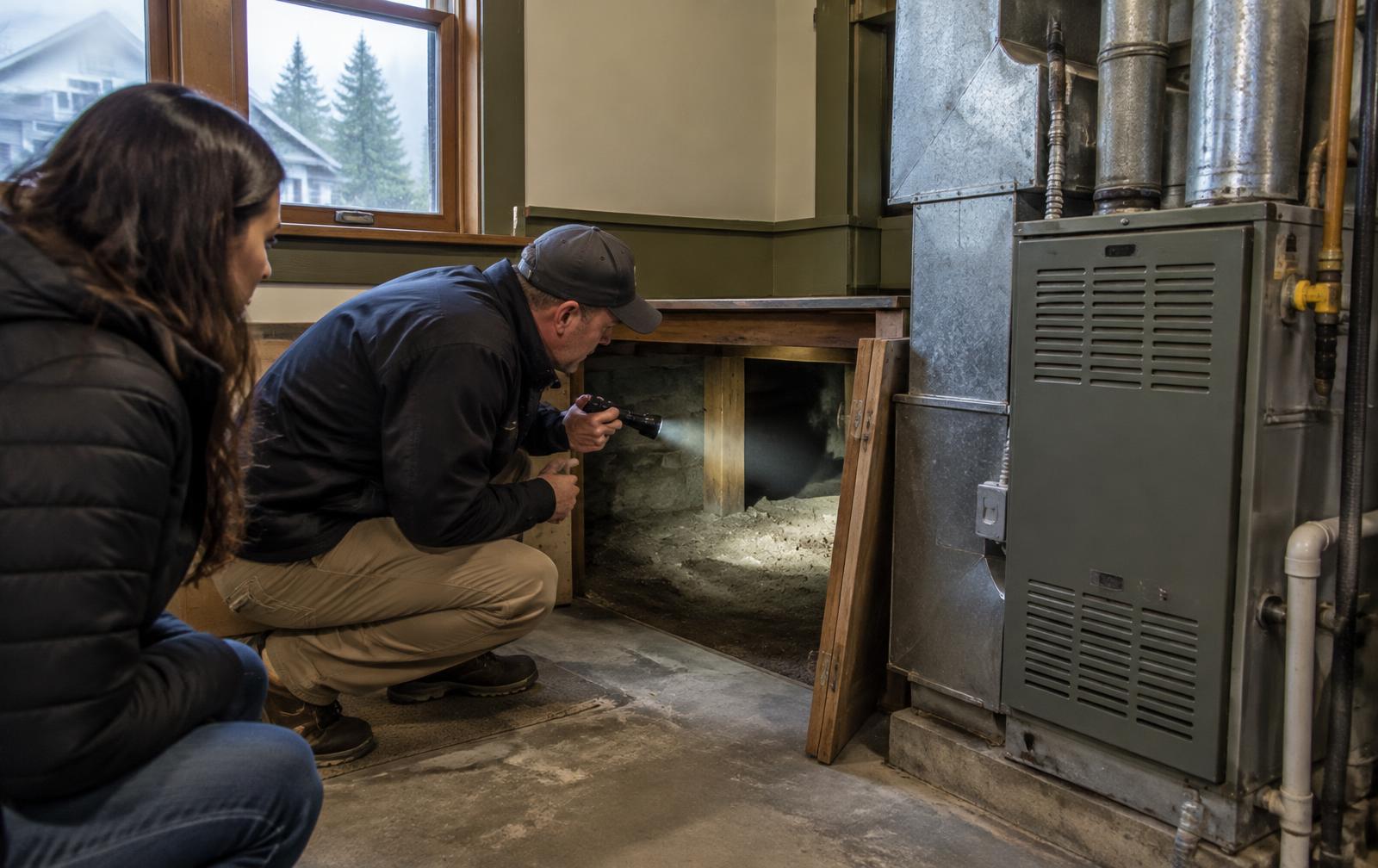
Inspection negotiation
Home inspection negotiation in Washington: repair requests, credits and difficult sellers.
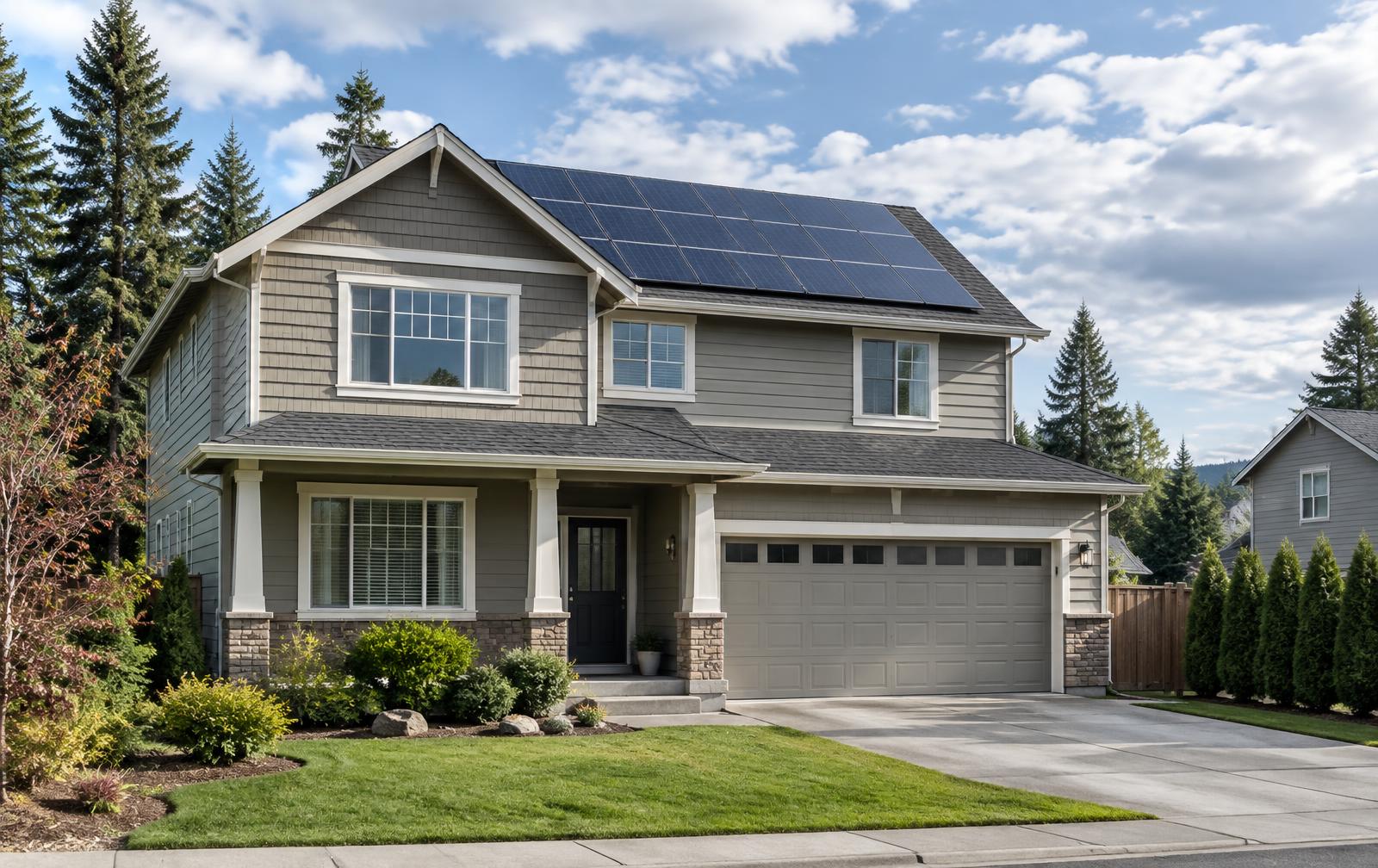
Solar homes
Buying a house with solar panels: owned vs leased, transfers and price drops.

Selling while living there
Selling a house while living in it: showings, kids, pets and the stress of selling.

Buying and selling at the same time
Home sale contingencies in Washington: buying a house contingent on selling yours.

Contract cancellation
Can you back out of buying a house before closing in Washington?
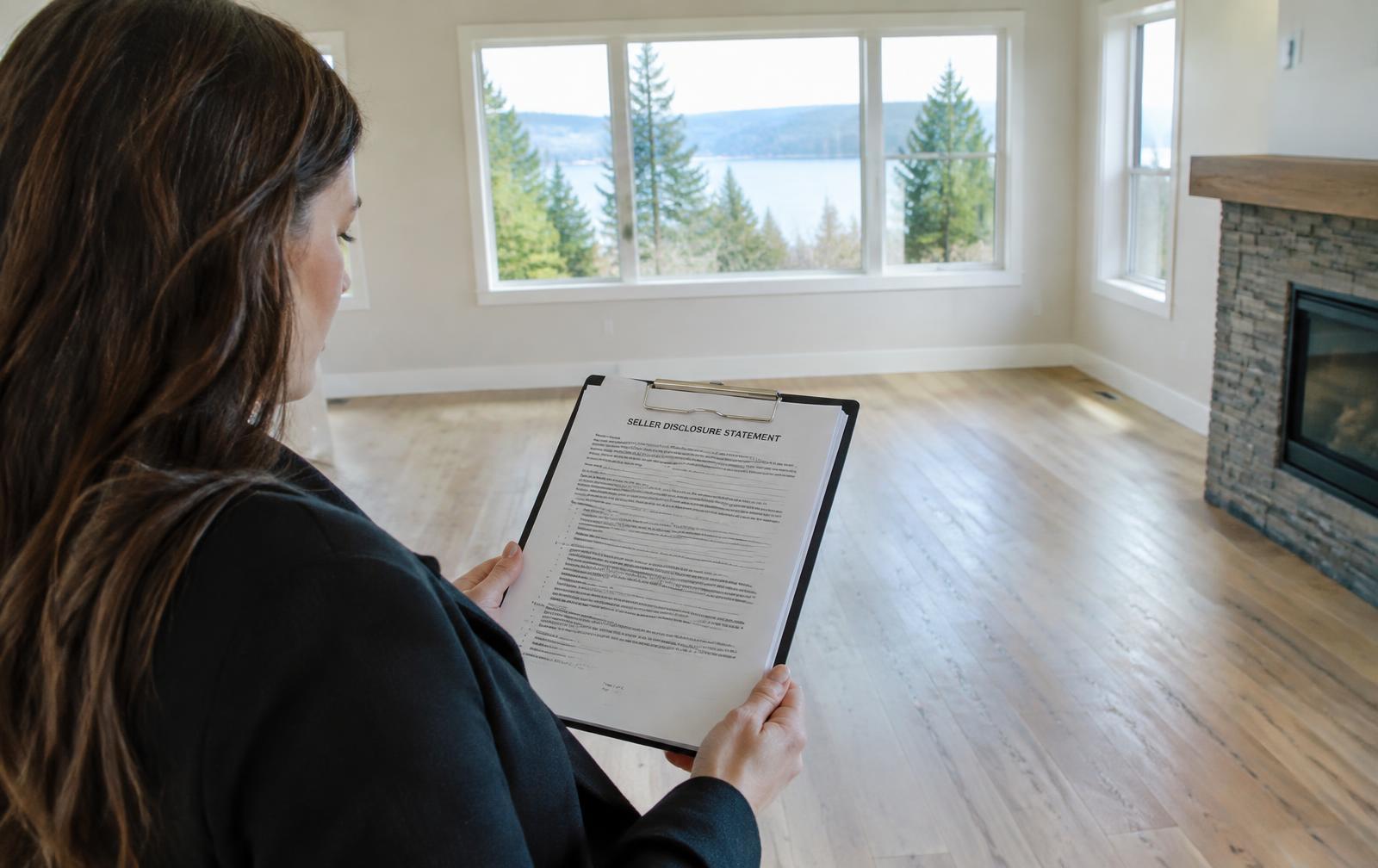
Seller disclosure
Washington's Form 17 seller disclosure: what buyers and sellers need to know.

Structural risk
Buying a house with foundation issues in the Seattle area: risks, inspections and negotiation.

Mortgage options
Alternatives to a 30-year fixed mortgage for Washington buyers.
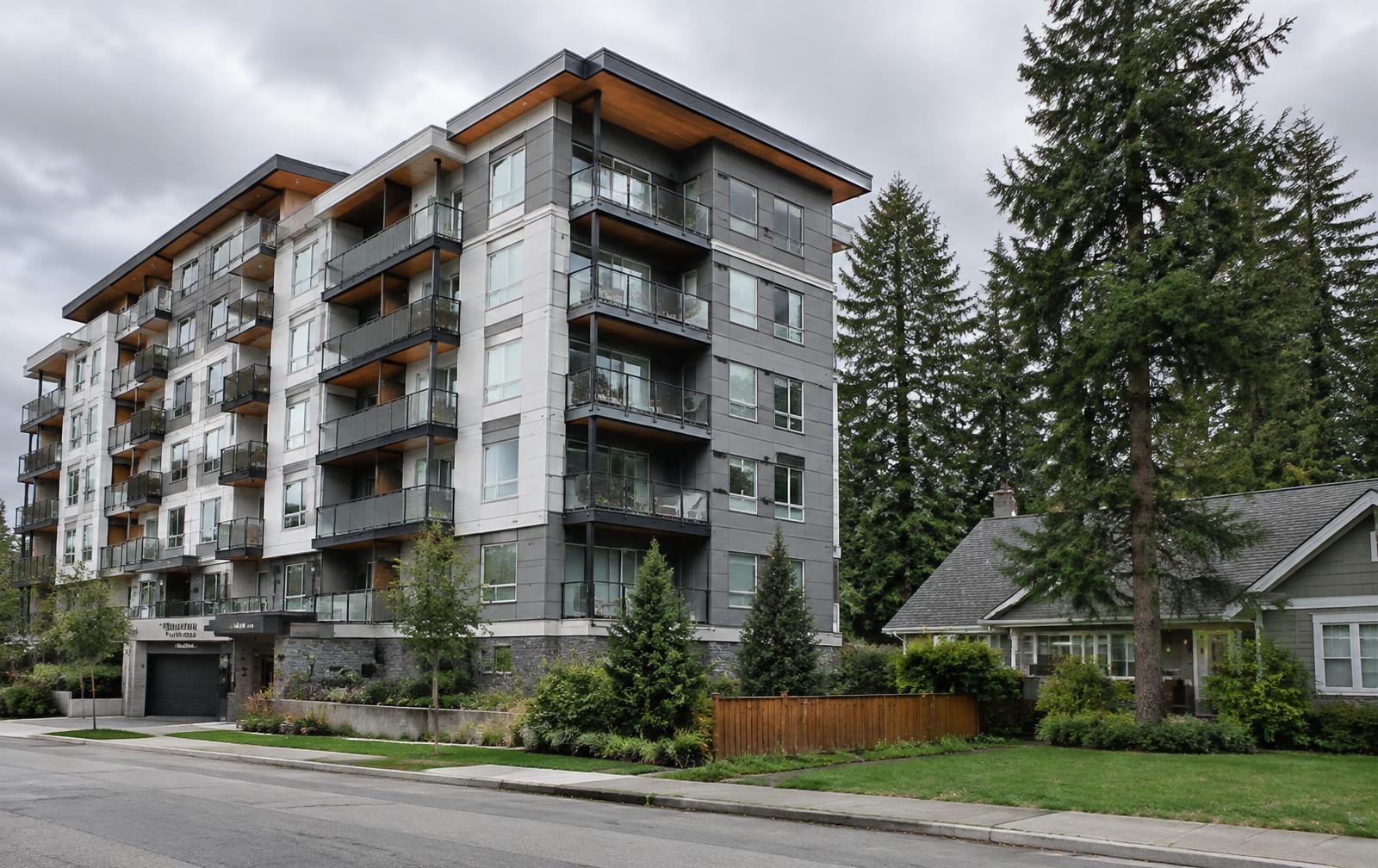
Property type decision
Condo vs single-family home: which holds up better as a long-term investment on the Eastside?

Rankings & best-of lists
Best places to live in the Seattle area, ranked — and how to read every ranking.

Selling an inherited home
Selling a parent's house in probate in Washington: authority, taxes and timing.

Concessions & credits
Seller concessions and seller credits: limits, price reduction vs credit, and repair trade-offs.
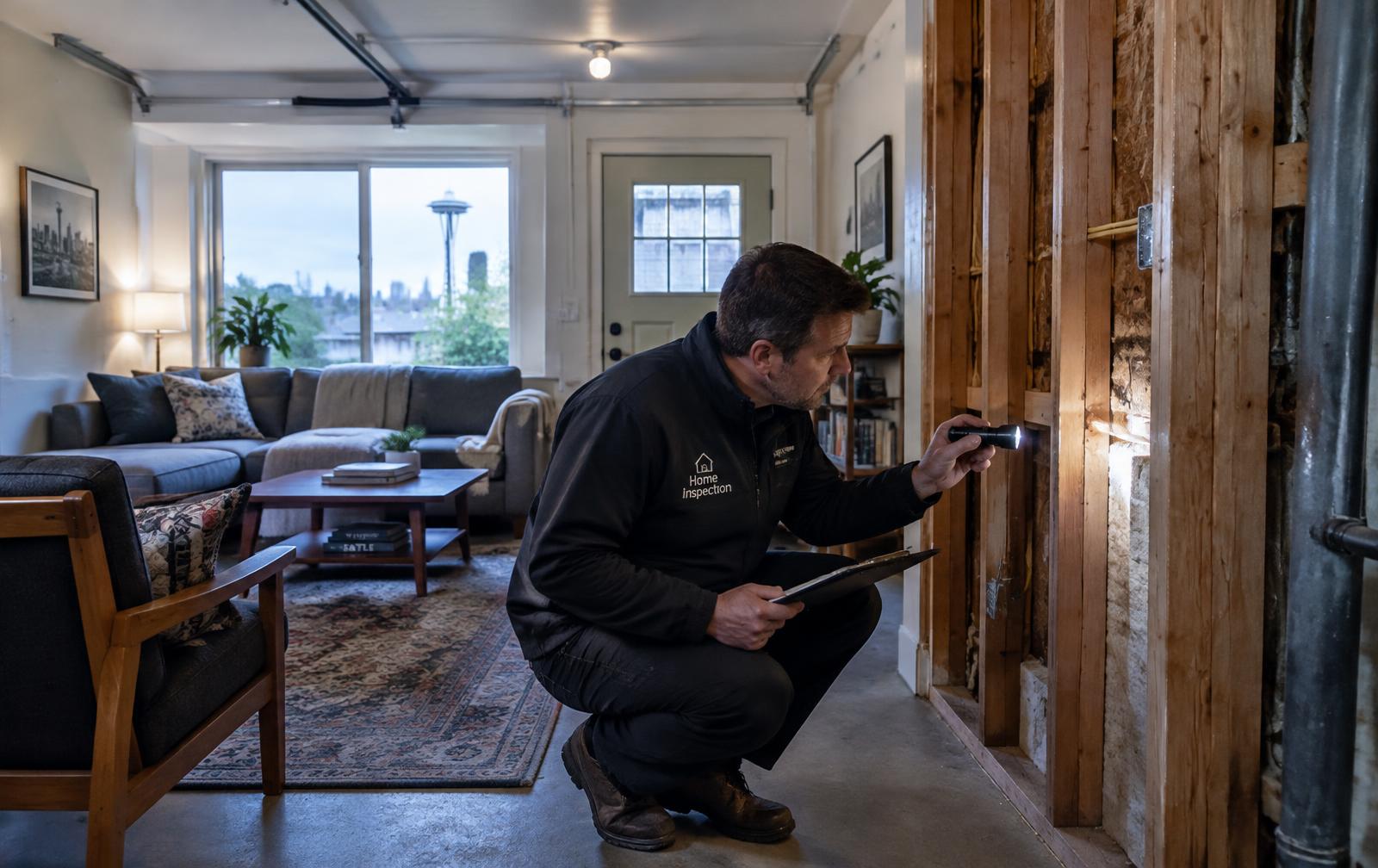
Permits & unpermitted additions
Buying a house with unpermitted work in Seattle and the Eastside: how to check permits and price the risk.
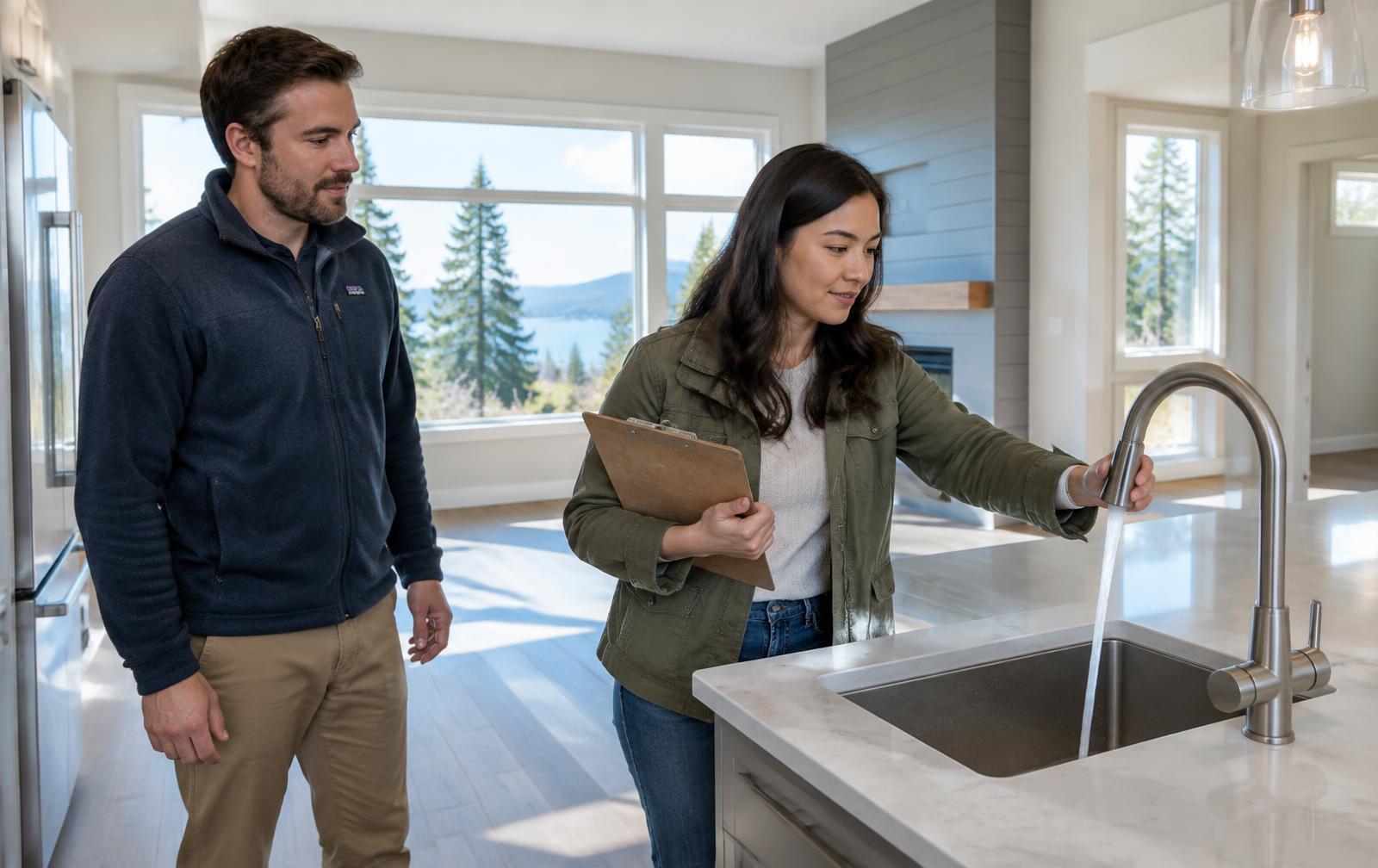
Final walkthrough
Final walkthrough checklist for Washington buyers — resale homes and new construction.
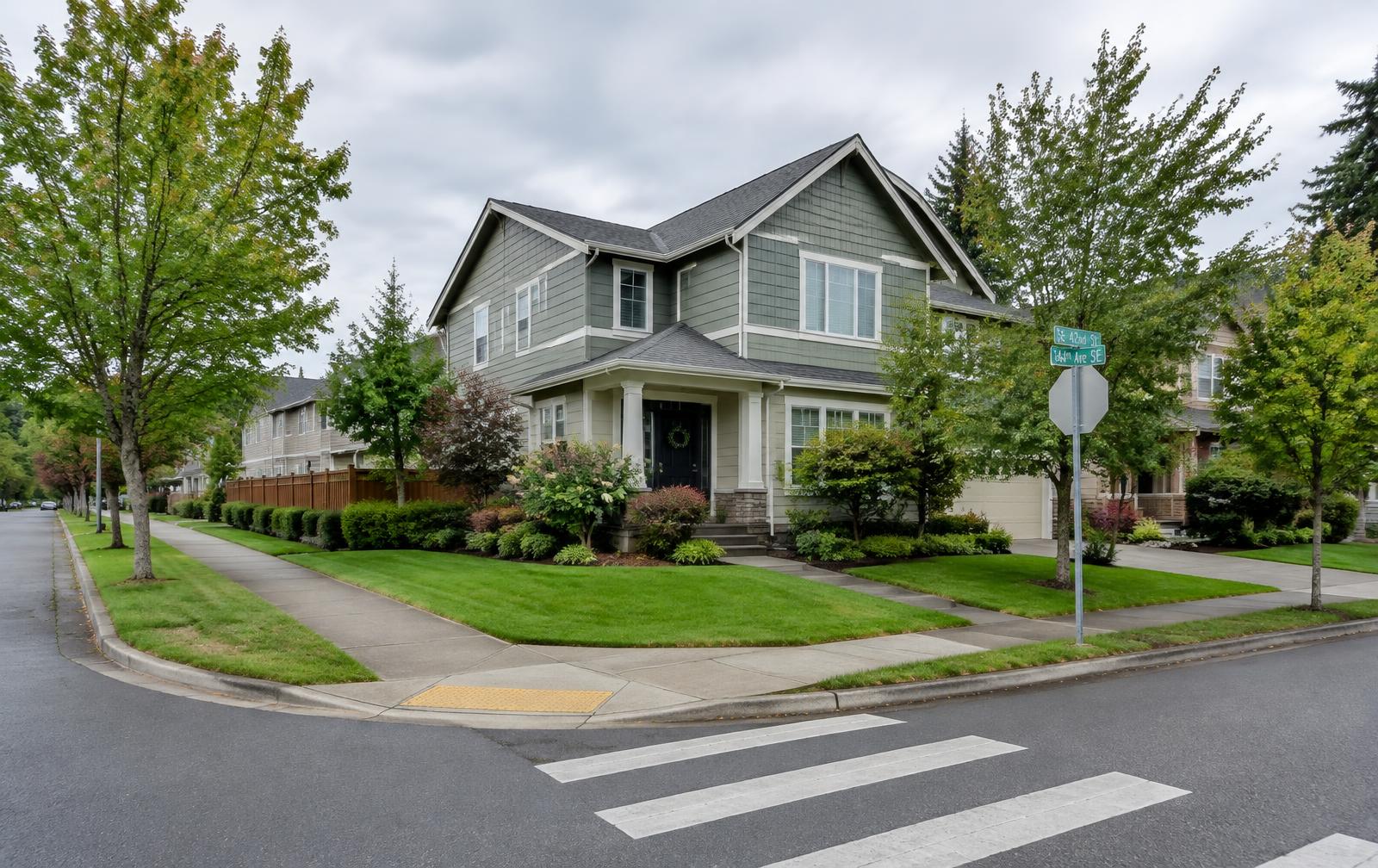
Lot & location trade-offs
Corner lot pros and cons, and living near a school: what Seattle-area buyers should weigh.
Not sure what your lot supports?
Send us the parcel number. We will check the zoning and critical areas, ask builders what they would pay today, and put both scenarios in one page.
Get a lot analysis