
Land value
Selling an older Eastside home to a builder: land value vs. retail sale.
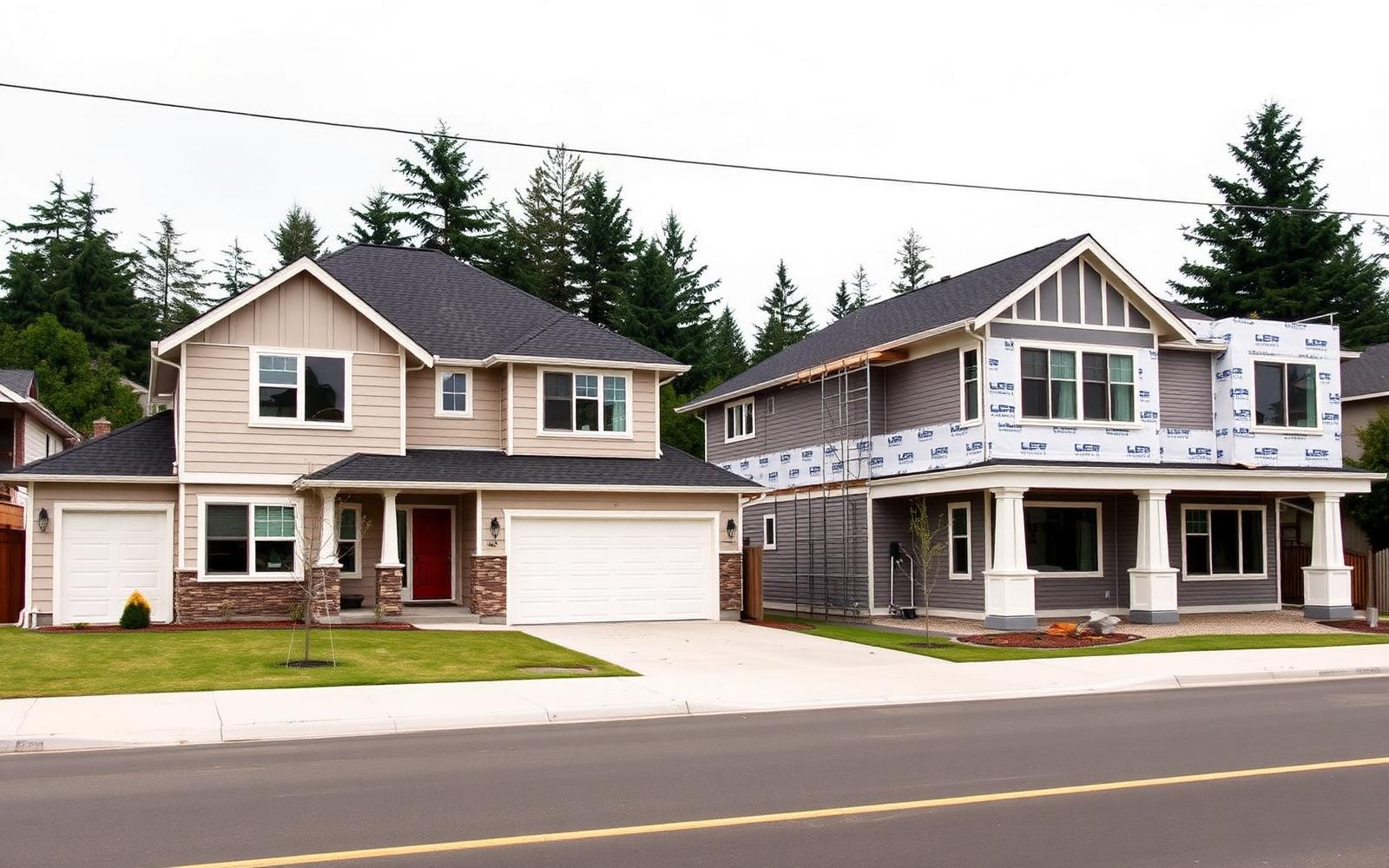
On much of the Eastside the land is worth more than the house standing on it. A 1965 rambler in Bellevue, Kirkland or Redmond can be worth more to a builder as a buildable lot than to a retail buyer as a dated home. The decision comes down to four variables: lot size, zoning, buildable area and the cost of getting the house to retail condition.
Quick answer
Builders back into an offer: expected finished value, minus construction cost, minus permits, financing and profit, equals the land they can pay for. When that number beats your as-is retail value minus repairs and holding costs, selling to a builder wins. On typical Eastside teardown lots, land is 55%–80% of the finished home's value, which is why aging houses on large lots still trade quickly.
55–80%
Land share of finished value on typical Eastside teardown lots
2 offers
Minimum builder bids we solicit before recommending a path
As-is
Most builder purchases close without repairs or staging
Questions this hub answers
- sell house to builder
- teardown house value and land value vs house value
- selling a dilapidated or inherited property as-is
- pros and cons of buying a corner lot on a busy road
- selling a home too soon after buying
How we run the builder-versus-retail decision
- 01
Confirm what the lot allows
Zoning, lot size, critical areas, setbacks, tree retention and whether a lot split or DADU is possible. Two identical houses can have very different land values on this basis alone.
- 02
Model the retail path honestly
As-is list price, versus a repaired-and-staged price minus the repair budget, minus carrying cost and the risk of inspection renegotiation.
- 03
Solicit competing builder offers
We market the parcel to Eastside builders and land buyers so you see more than one number. Terms matter as much as price: feasibility period, earnest money at risk, and rent-back.
- 04
Compare net, not gross
Excise tax, commission, capital gains exposure and any lien payoffs come off both scenarios. The higher headline number is not always the higher net.
- 05
Negotiate timing you can live with
Builders often accept a long closing or a free rent-back while you find your next home — a real advantage over a retail buyer with a loan clock running.
Builder sale vs. retail sale, side by side
| Factor | Sell to a builder | Retail sale |
|---|---|---|
| Condition required | As-is; no repairs or staging | Repairs, paint, staging and photos |
| Price driver | Buildable land value | Comparable finished homes |
| Timeline | Feasibility period, then a clean close | Marketing, offers, inspection, appraisal |
| Financing risk | Often cash or builder credit line | Buyer loan and appraisal contingencies |
| Best when | Large or splittable lot, dated or damaged house | House is livable and shows well |

Checklist
What raises a builder's offer
- Lot size at or above the zoning minimum for a split
- Flat, rectangular parcel with street frontage and utilities at the curb
- No critical-area, wetland or steep-slope overlay
- Fewer significant trees subject to retention rules
- Clear title and a seller who can close on the builder's schedule
- Existing survey, soils report or prior feasibility work
Questions from owners of older Eastside homes
How do builders decide what to pay for a teardown lot?
They start from the finished value of the home they can build, subtract hard construction cost, permits and impact fees, financing, sales cost and a required profit margin. Whatever remains is the land offer. Anything that reduces risk or cost — clean title, no critical areas, an easy permit path — raises it.
Is my land worth more than my house?
On the Eastside it often is. If a comparable new build sells for well above what your house would fetch even fully renovated, and the lot is buildable, land value is likely the higher path. We test this with builder feedback rather than an online estimate.
Can I sell a dilapidated or inherited house without repairs?
Yes. Builders and land buyers purchase as-is, and it is usually the right route when repairs would exceed the value they add. Washington seller disclosure obligations still apply, so we document known conditions rather than hide them.
Does a corner lot on a busy road hurt or help?
For a retail buyer, traffic noise typically costs value and slows the sale. For a builder, a corner lot can be an advantage: two street frontages sometimes allow a lot split or a better driveway and unit layout. The same feature is priced differently by the two buyer types.
What if I bought recently and need to sell soon?
Run the tax math first. Selling within two years generally means you have not met the IRS ownership-and-use test for the capital gains exclusion, though partial exclusions exist for job relocation, health and unforeseen circumstances. Then compare net proceeds against the cost of holding or renting the home instead.
Keep reading
Other topic guides
Family transfers
Gift of equity and selling a home to a family member in Washington.

Title & closing
Selling a house with a lien in Bellevue and Greater Seattle.

Visa & foreign buyers
Buying a home in Bellevue as a foreign national or visa holder.

Tech relocation
Moving to Bellevue for a tech job: rent first or buy now?

Schools & addresses
Buying by school assignment in the Bellevue School District.

Waterfront & unique homes
How to price a waterfront or one-of-a-kind home.

Listing problems
How to cancel a listing agreement and change agents.

Building & financing
Construction loans for self-employed and small business owners.

Land & lot value
Should you split a double lot before selling it?

Water & site risk
Flood zone, creek and drainage checks before you buy.

Landlords & investors
Selling a rental property to your current tenant.

Choosing an agent
How to choose a real estate agent in Seattle and on the Eastside.

Interview & review
Questions to ask before hiring — and how to tell if your agent is doing a good job.
Fees & commission
Who pays realtor fees in Washington — and what an agent actually keeps.

First-time buyers
Buying your first home in Washington State — including without a US credit history.

Home value
How to get an accurate home value estimate in Bellevue, Redmond and West Bellevue.
Investment property
Buying an investment property on the Eastside: returns, rules and the numbers to run.
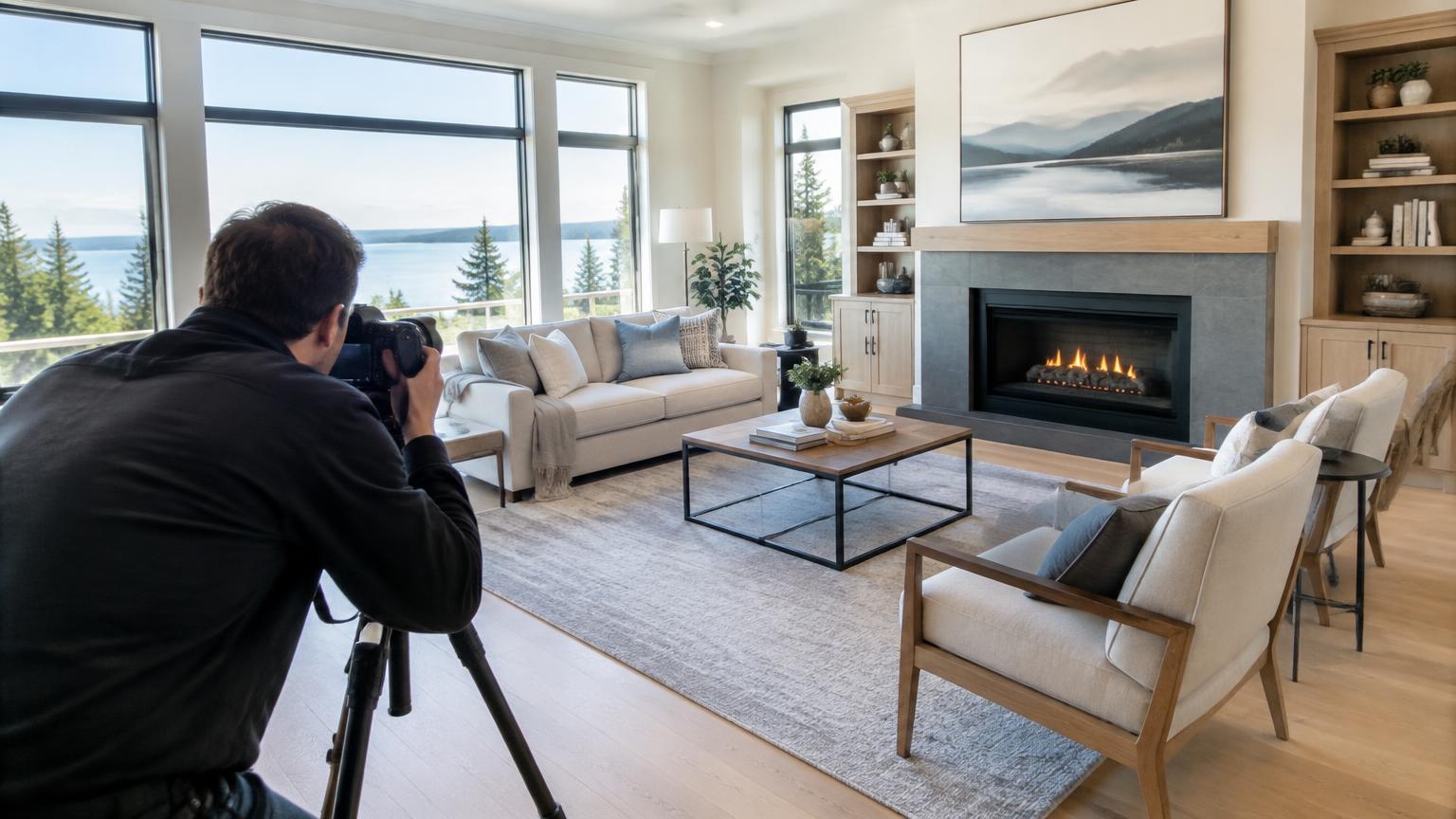
Listing presentation
Staging and listing photos: virtual staging, AI edits and what buyers trust.
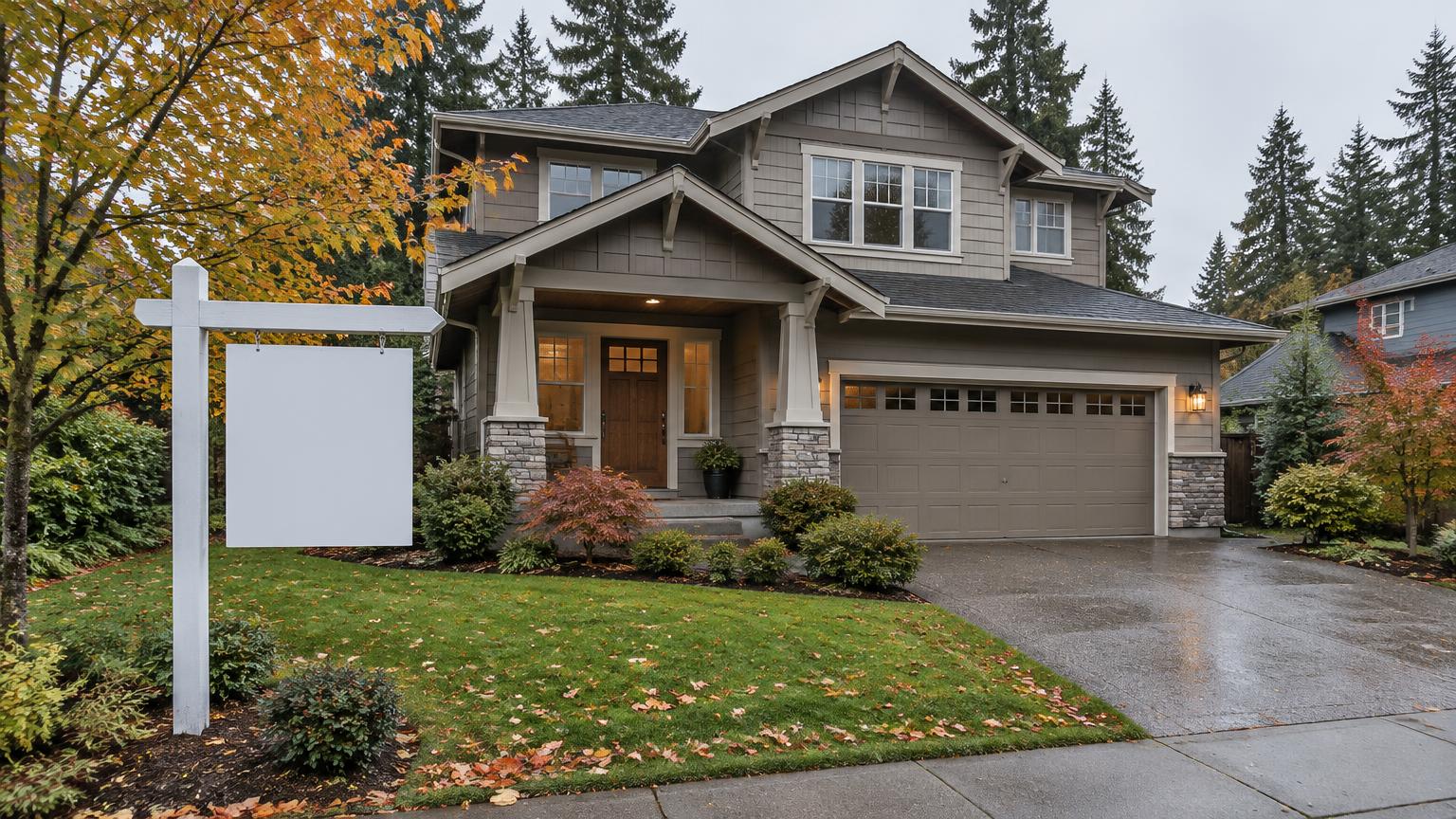
Stalled listings
Your house is not selling: what to change, and whether to pause the listing.
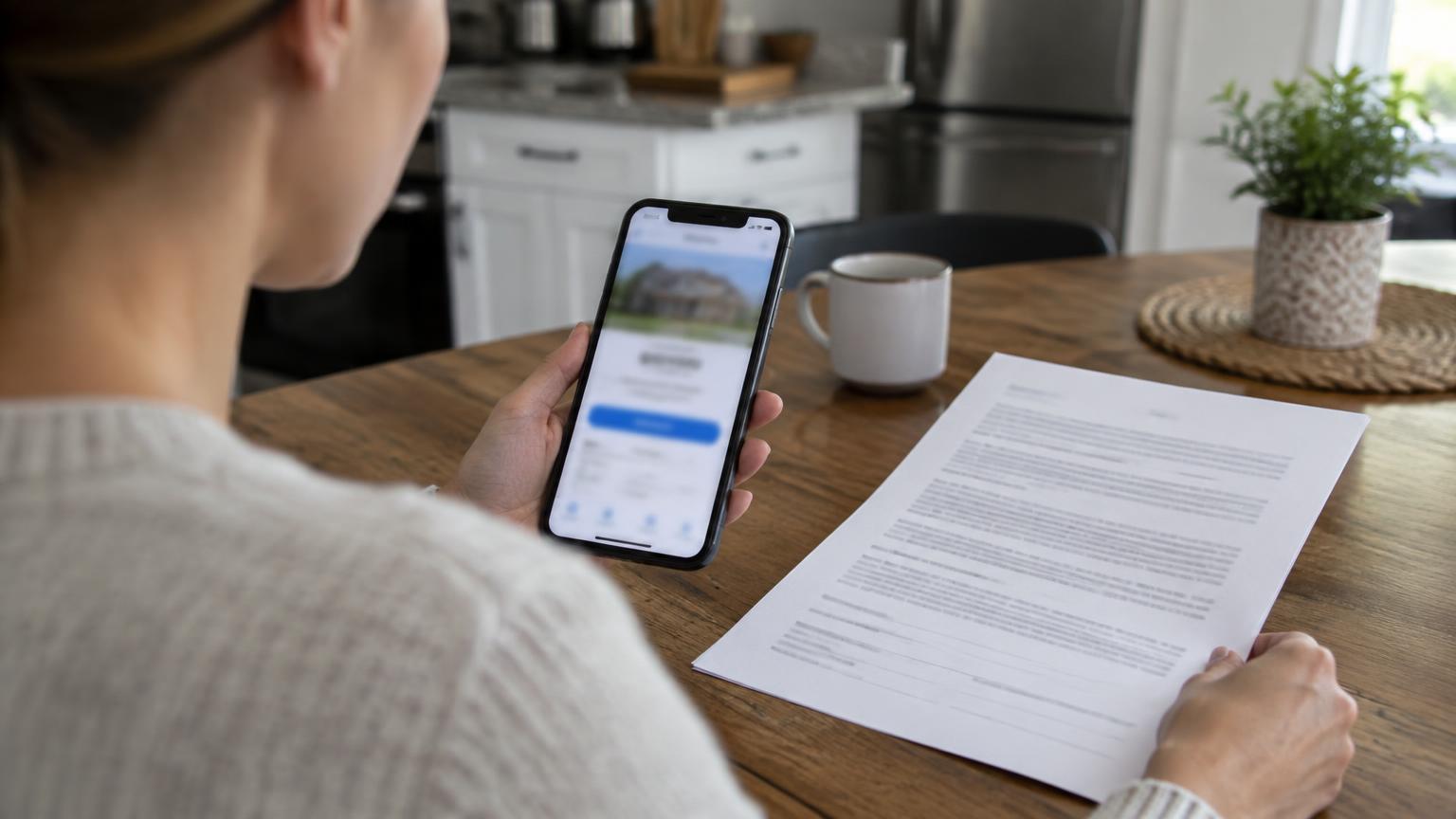
Seller options
Instant cash offer vs listing your home: how to compare them properly.
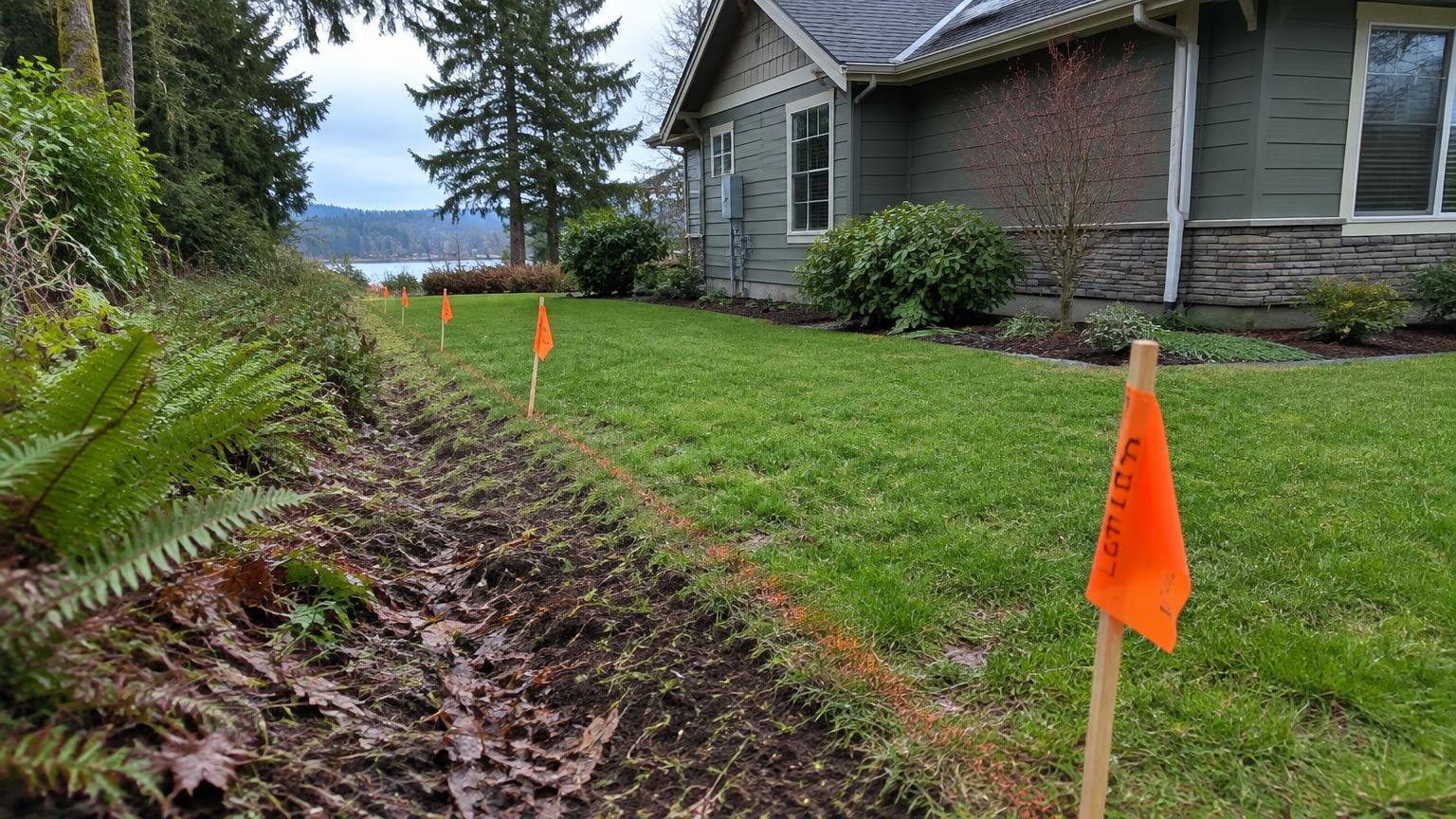
Due diligence
Easements, shared driveways and recorded restrictions: check before you buy.
Buyer strategy
Competing with all-cash offers as a financed buyer on the Eastside.

List price strategy
Pricing below market, offer review dates and how many showings to expect.

Offers and negotiation
What counts as a low-ball offer — and how to counter without losing the deal.
Inspection negotiation
Home inspection negotiation in Washington: repair requests, credits and difficult sellers.
Solar homes
Buying a house with solar panels: owned vs leased, transfers and price drops.

Selling while living there
Selling a house while living in it: showings, kids, pets and the stress of selling.
Wondering what a builder would pay for your lot?
Send us the address. We will check zoning and buildable area, solicit competing builder offers, and put the retail number next to them.
Get a land valuation