
Water & site risk
Flood zone, creek and drainage checks before you buy.
In the Puget Sound region, water is the site risk that most often surprises buyers — and it is not only mapped flood zones. Seasonal creeks, wetland buffers, high groundwater, hillside seepage and undersized stormwater systems all affect insurance, lending, remodeling rights and resale. This hub is the check to run before the inspection contingency expires.

Quick answer
Check three layers, not one. First the FEMA flood map for the property, which drives whether a lender requires flood insurance. Second the county or city critical areas map, which shows wetlands, streams, buffers and landslide or erosion hazard areas — these limit what you can build or remodel even outside a flood zone. Third the property itself: grading, downspout and footing drains, sump pump, crawl space moisture, water staining and neighbor history. Order flood insurance quotes during the inspection period, not after.
3 layers
Flood map, critical areas map, and the property itself
Lender-driven
Flood insurance is required by lenders in mapped high-risk zones
Buffers
Wetland and stream buffers restrict building outside flood zones too
Questions this hub answers
- how to check flood zone before buying house
- buying a house near a creek
- critical areas and wetland buffer rules
- is flood insurance required in washington
- high groundwater crawl space problems
Running the water check
- 01
Pull the FEMA flood map for the parcel
Search the address on the FEMA Flood Map Service Center and note the zone. A mapped high-risk zone means a lender will require flood insurance, which changes your monthly payment.
- 02
Open the county or city critical areas map
Wetlands, streams, steep slope and erosion hazard layers show what regulates the site. Buffers apply even where the house never floods, and they govern additions, decks and tree removal.
- 03
Read the seller disclosure carefully
Washington's seller disclosure form asks about drainage, flooding and standing water. Vague or 'don't know' answers are a reason to ask more questions, not fewer.
- 04
Add the right inspections
Beyond a general inspection, consider a sewer scope, a crawl space and drainage review, and on sloped sites a geotechnical opinion. Water damage is usually cumulative, not sudden.
- 05
Get quotes before the contingency ends
Flood insurance and repair estimates are numbers, not feelings. Have them in hand while you can still renegotiate or walk.
What each signal usually means
| Signal | What to check | Effect on the deal |
|---|---|---|
| Mapped high-risk flood zone | Elevation certificate, insurance quote | Lender requires flood insurance; affordability changes |
| Stream or wetland on or near the lot | Buffer width, permitted work | Limits additions, decks and tree removal |
| Standing water or soggy yard | Grading, footing drains, downspouts | Often fixable; price the fix before closing |
| Efflorescence or staining in crawl space | Moisture reading, vapor barrier, sump | Points to chronic intrusion, not one storm |
| Downhill of a steep slope | Geotechnical opinion, seepage history | Can affect insurability and future permits |

Checklist
Water due diligence checklist
- FEMA flood zone designation for the exact parcel
- County or city critical areas map layers and buffer widths
- Seller disclosure answers on drainage, flooding and standing water
- Crawl space or basement moisture inspection with readings
- Condition of gutters, downspouts, footing drains and any sump pump
- Written flood insurance quote before the contingency expires
Flood and water risk questions
Is a home outside the flood zone safe?
Not automatically. A large share of water damage claims come from outside mapped high-risk zones — surface water, blocked drainage and groundwater are not what flood maps measure. Inspect the site regardless of the map.
Does flood insurance cost the same everywhere?
No. Pricing reflects the specific structure — elevation, foundation type, and where the lowest floor sits relative to base flood elevation. An elevation certificate can substantially change the quote, so get a property-specific number rather than a rule of thumb.
Can I still remodel a house inside a buffer?
Usually yes for maintenance and interior work, with limits on expanding the footprint toward the stream or wetland. The rules are local, so confirm with the permitting counter before you buy for the remodel potential.
Do buyers avoid these homes at resale?
Some do, which is why the discount you negotiate matters. A documented, permitted drainage fix reads very differently to the next buyer than an undisclosed damp crawl space.
Related reading
Other topic guides

Family transfers
Gift of equity and selling a home to a family member in Washington.

Title & closing
Selling a house with a lien in Bellevue and Greater Seattle.
Land value
Selling an older Eastside home to a builder: land value vs. retail sale.

Visa & foreign buyers
Buying a home in Bellevue as a foreign national or visa holder.

Tech relocation
Moving to Bellevue for a tech job: rent first or buy now?

Schools & addresses
Buying by school assignment in the Bellevue School District.

Waterfront & unique homes
How to price a waterfront or one-of-a-kind home.

Listing problems
How to cancel a listing agreement and change agents.

Building & financing
Construction loans for self-employed and small business owners.

Land & lot value
Should you split a double lot before selling it?

Landlords & investors
Selling a rental property to your current tenant.

Choosing an agent
How to choose a real estate agent in Seattle and on the Eastside.

Interview & review
Questions to ask before hiring — and how to tell if your agent is doing a good job.

Fees & commission
Who pays realtor fees in Washington — and what an agent actually keeps.

First-time buyers
Buying your first home in Washington State — including without a US credit history.

Home value
How to get an accurate home value estimate in Bellevue, Redmond and West Bellevue.
Investment property
Buying an investment property on the Eastside: returns, rules and the numbers to run.

Listing presentation
Staging and listing photos: virtual staging, AI edits and what buyers trust.
Stalled listings
Your house is not selling: what to change, and whether to pause the listing.

Seller options
Instant cash offer vs listing your home: how to compare them properly.
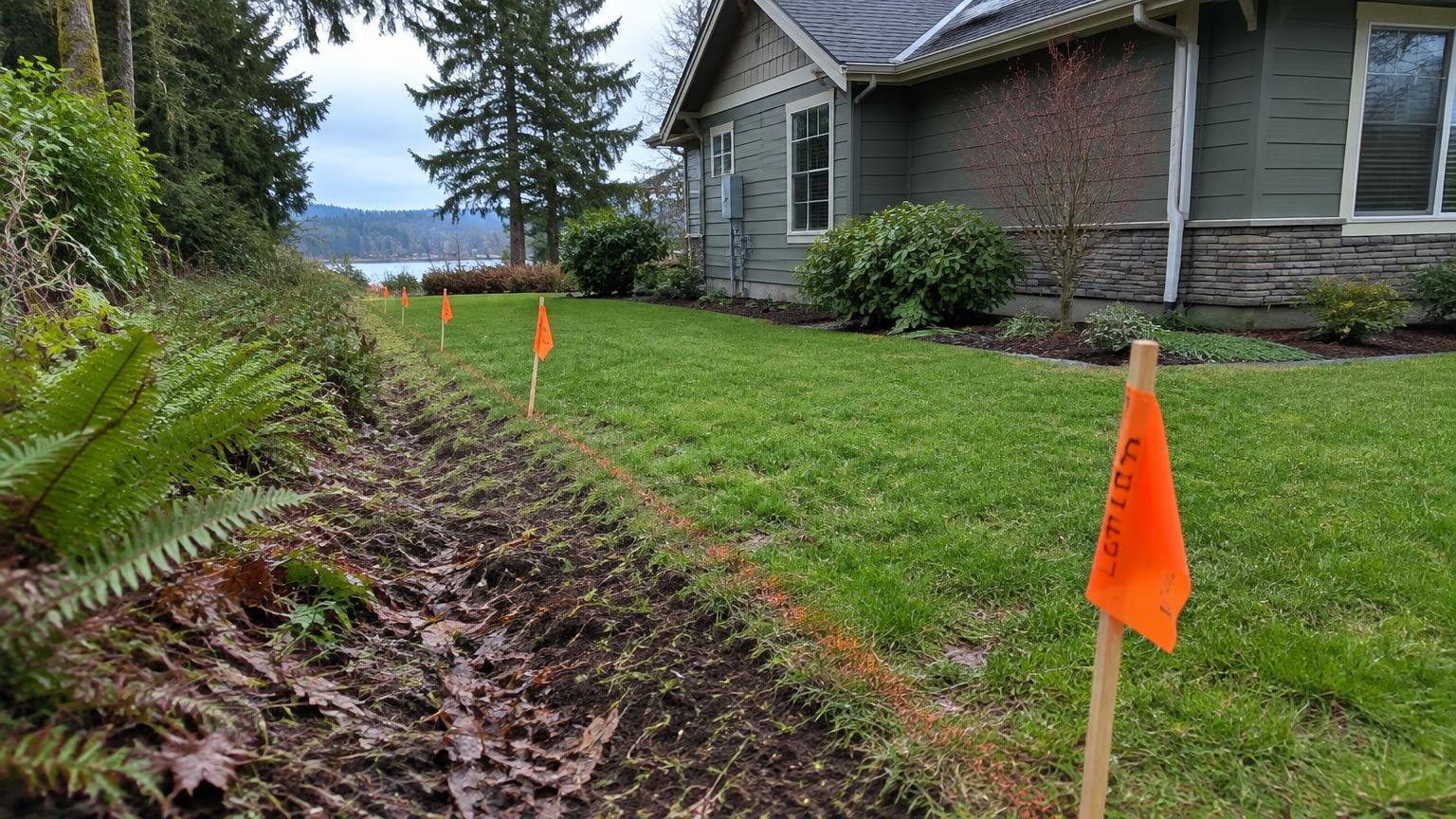
Due diligence
Easements, shared driveways and recorded restrictions: check before you buy.

Buyer strategy
Competing with all-cash offers as a financed buyer on the Eastside.

List price strategy
Pricing below market, offer review dates and how many showings to expect.

Offers and negotiation
What counts as a low-ball offer — and how to counter without losing the deal.
Inspection negotiation
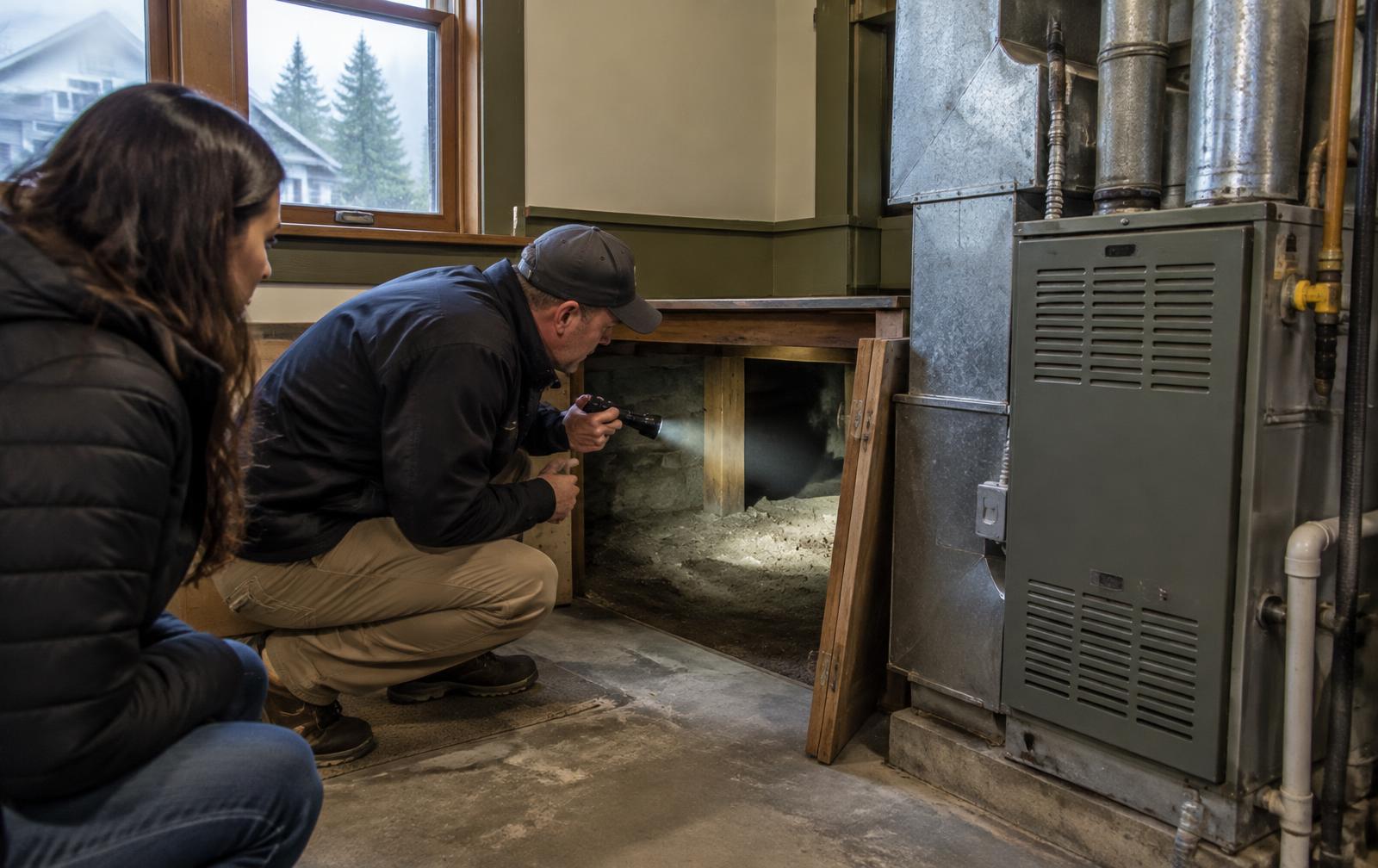
Home inspection negotiation in Washington: repair requests, credits and difficult sellers.
Solar homes
Buying a house with solar panels: owned vs leased, transfers and price drops.

Selling while living there
Selling a house while living in it: showings, kids, pets and the stress of selling.

Buying and selling at the same time
Home sale contingencies in Washington: buying a house contingent on selling yours.

Contract cancellation
Can you back out of buying a house before closing in Washington?
Seller disclosure
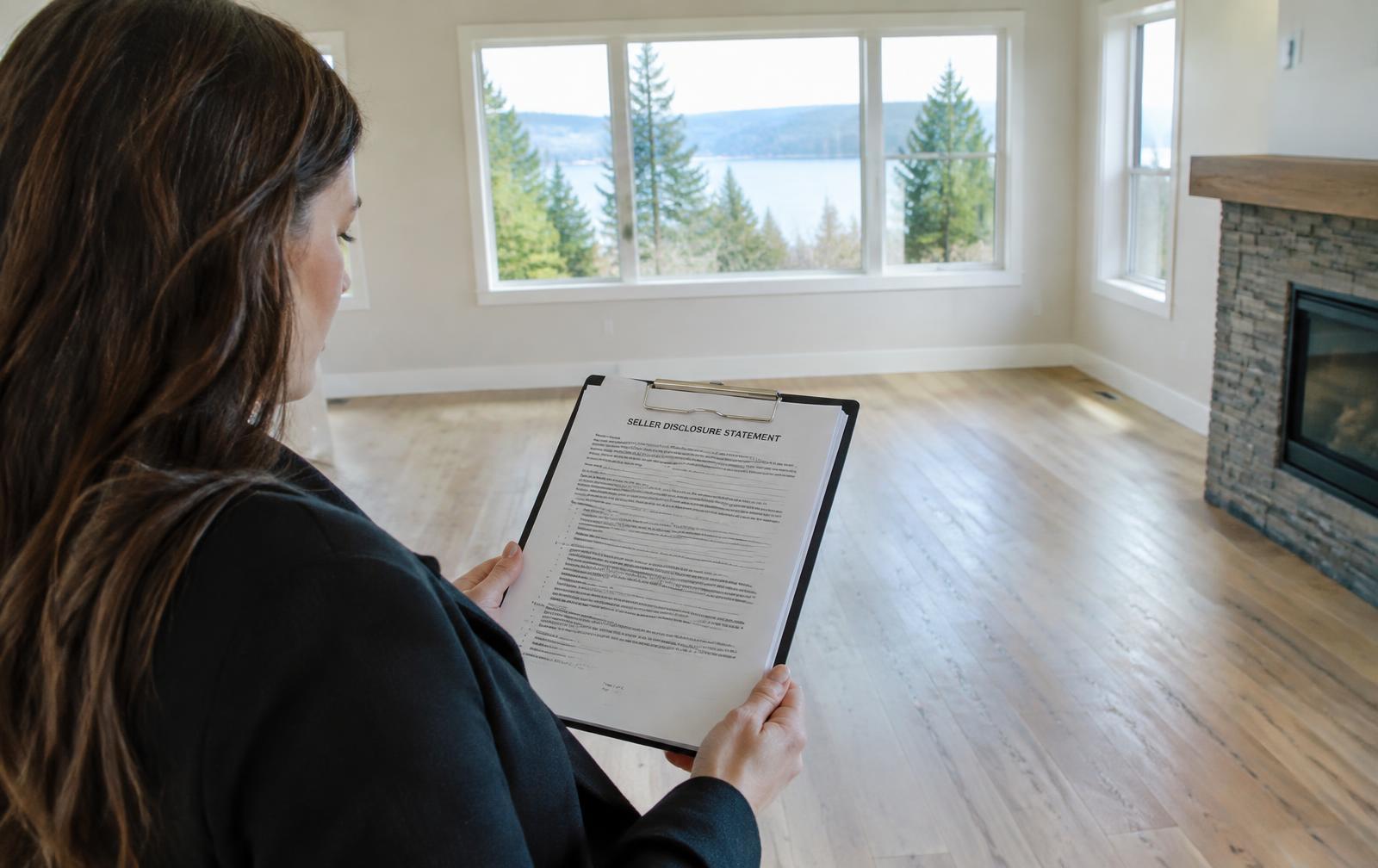
Washington's Form 17 seller disclosure: what buyers and sellers need to know.
Structural risk
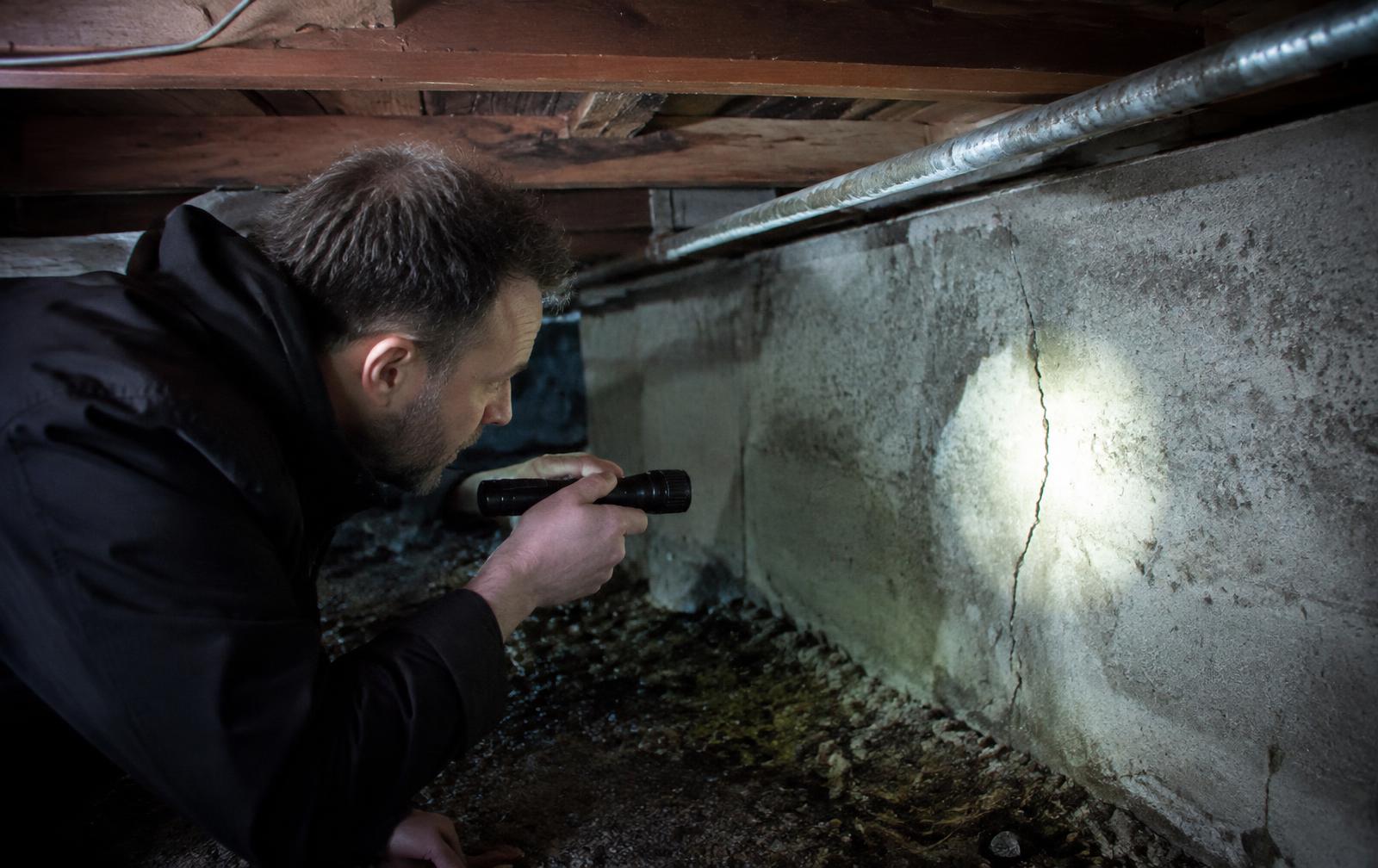
Buying a house with foundation issues in the Seattle area: risks, inspections and negotiation.

Mortgage options
Alternatives to a 30-year fixed mortgage for Washington buyers.
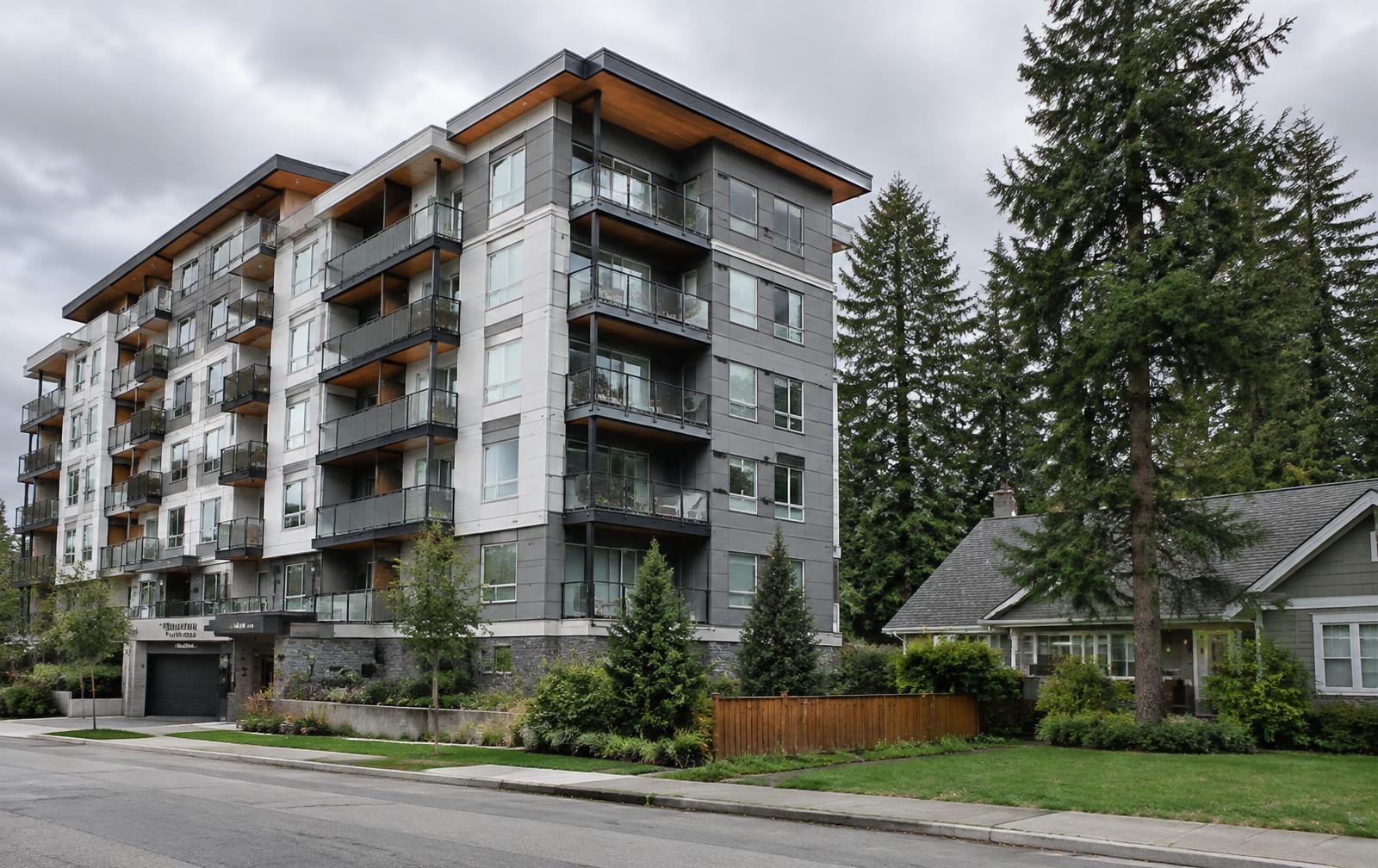
Property type decision
Condo vs single-family home: which holds up better as a long-term investment on the Eastside?

Rankings & best-of lists
Best places to live in the Seattle area, ranked — and how to read every ranking.
Selling an inherited home
Selling a parent's house in probate in Washington: authority, taxes and timing.

Concessions & credits
Seller concessions and seller credits: limits, price reduction vs credit, and repair trade-offs.
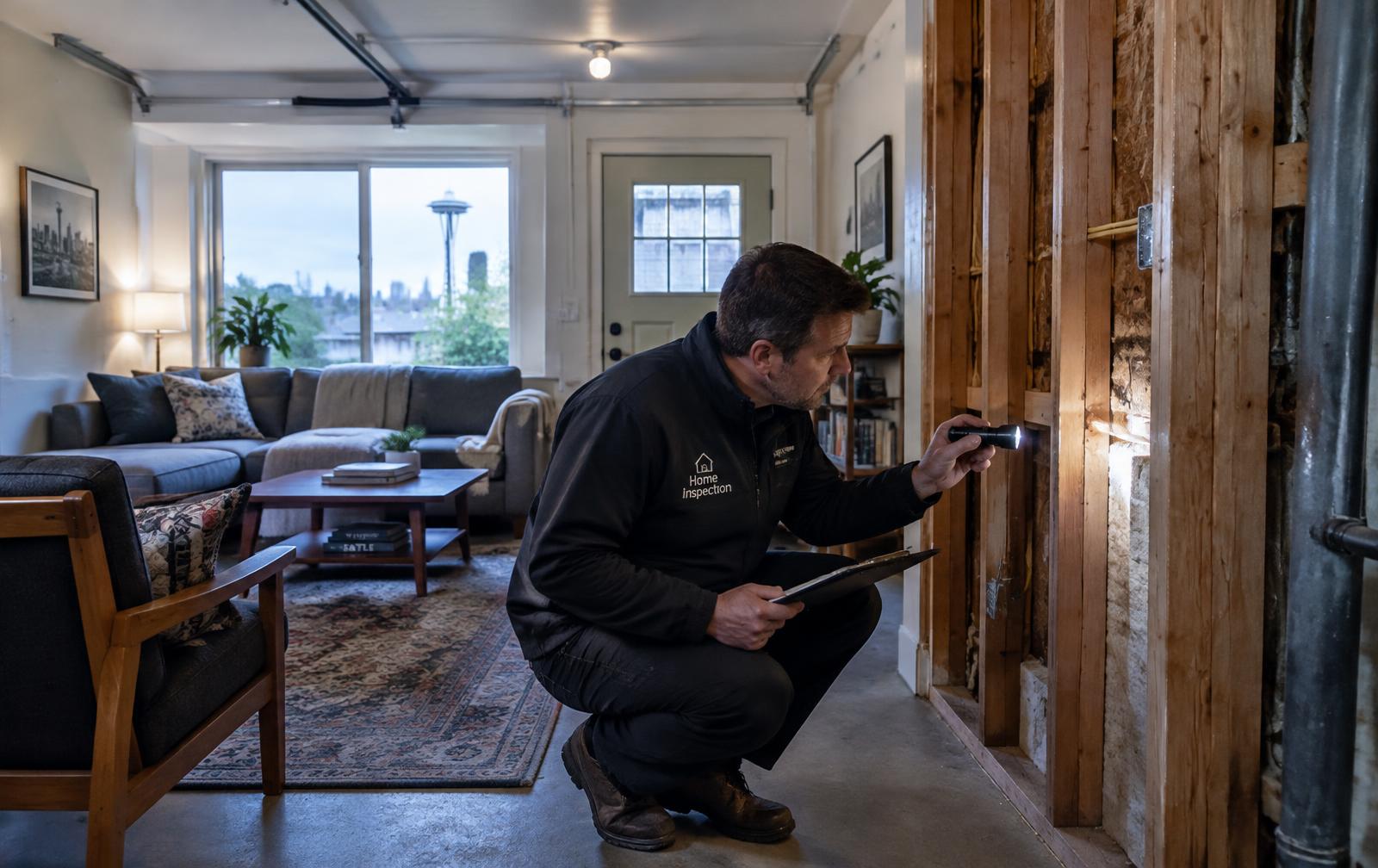
Permits & unpermitted additions
Buying a house with unpermitted work in Seattle and the Eastside: how to check permits and price the risk.
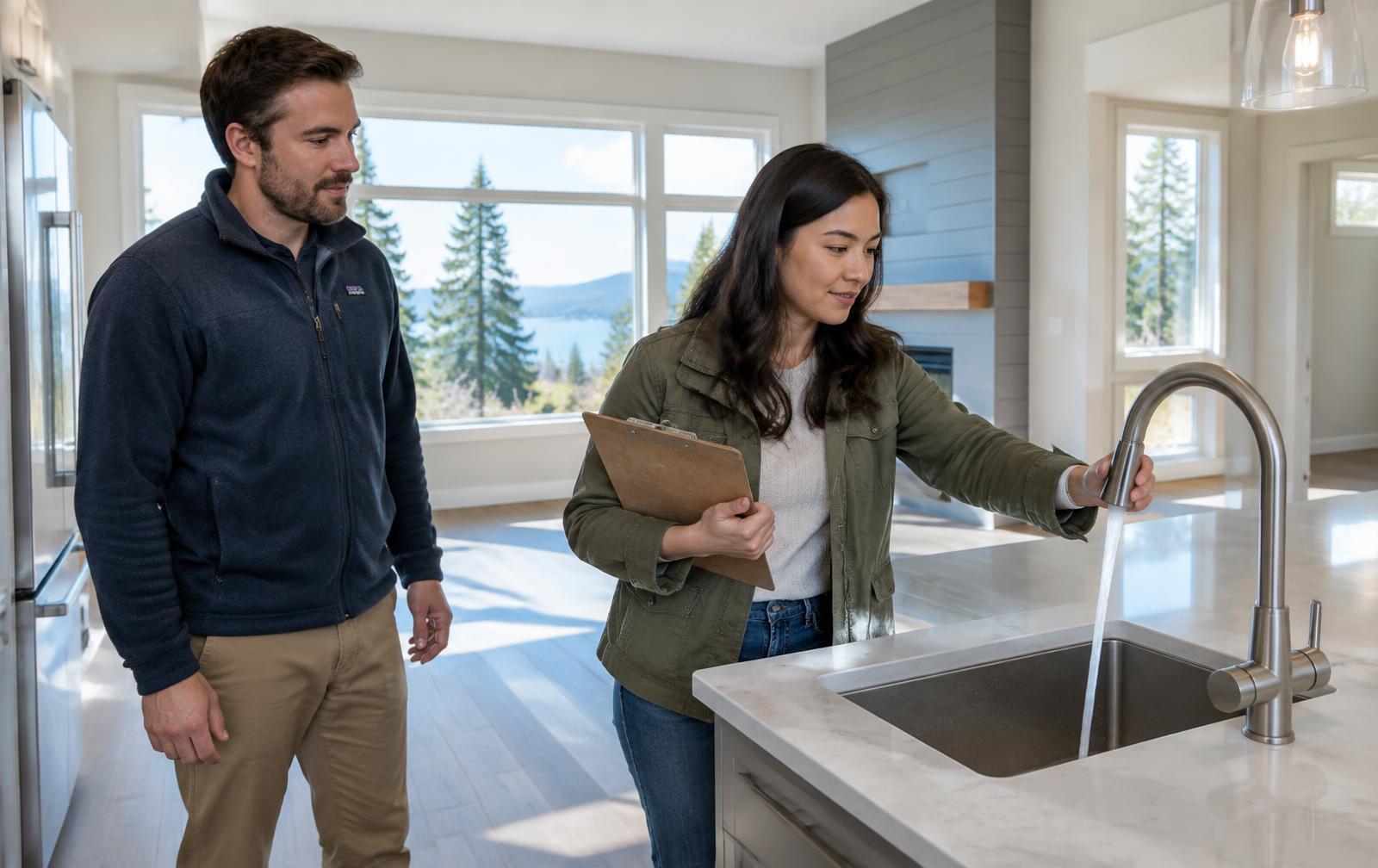
Final walkthrough
Final walkthrough checklist for Washington buyers — resale homes and new construction.
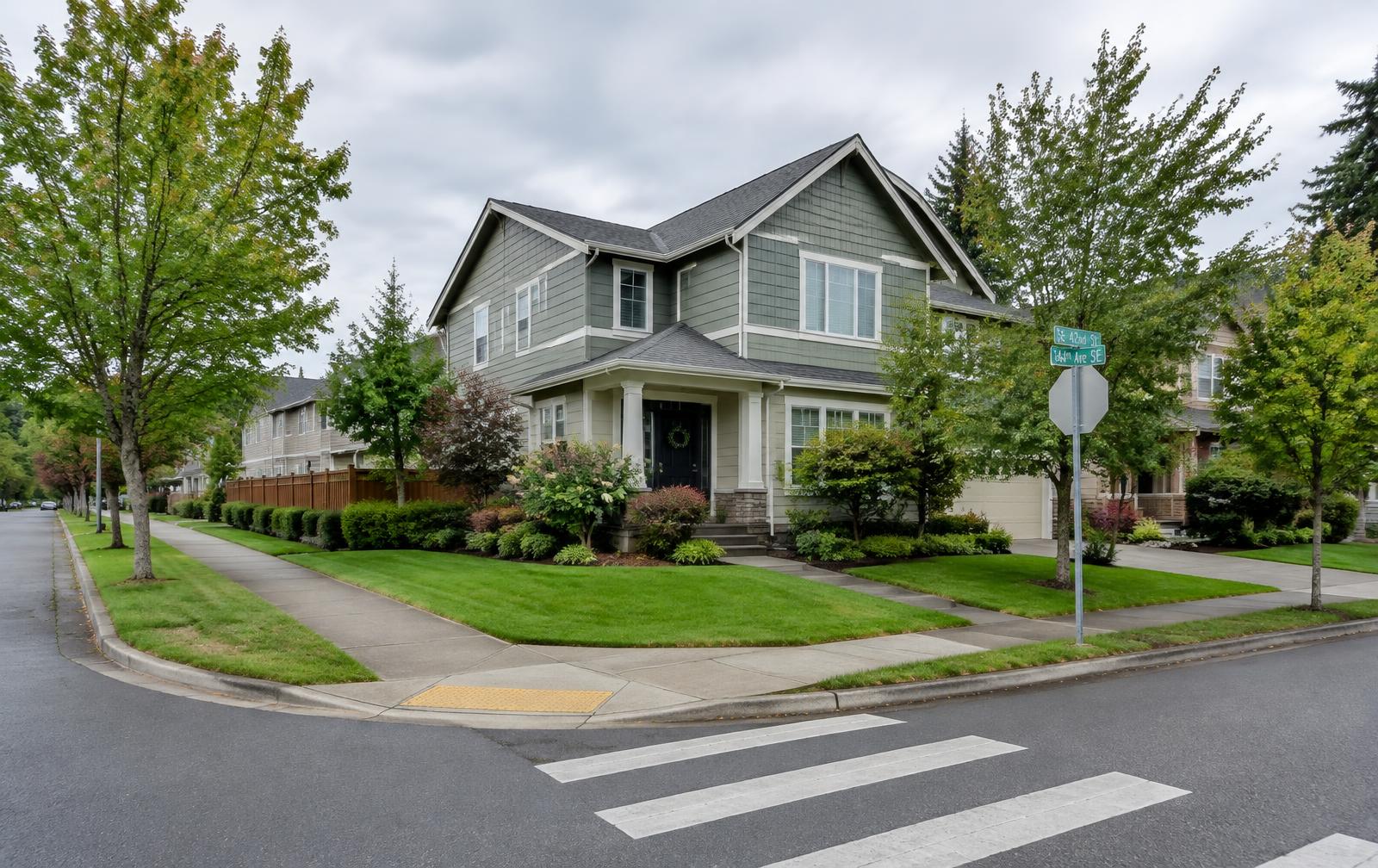
Lot & location trade-offs
Corner lot pros and cons, and living near a school: what Seattle-area buyers should weigh.
Want a water-risk read on a specific address?
Send us the listing. We will check the flood map and critical areas layers, flag what the disclosure does not say, and tell you which inspections are worth adding.
Ask about a property