
Waterfront & unique homes
How to price a waterfront or one-of-a-kind home.
Standard pricing assumes comparable homes. Waterfront, view and acreage properties rarely have them — two houses 200 feet apart on Lake Washington can be worth millions apart because of frontage, bottom type, moorage rights and how the view sits. This hub explains how experienced brokers and appraisers build a price when the comp set is thin.

Quick answer
Price a waterfront home in two layers: a land value based on usable frontage, exposure, bottom condition and moorage rights, plus the depreciated contributory value of the improvements. Adjust for intangibles — privacy, view corridor, quiet water, sunset exposure — using paired sales rather than a flat percentage, and widen the search to 24 months and the whole lake or shoreline rather than the immediate neighborhood. Then test the price with a pre-market week before it becomes public days-on-market.
24 mo
Typical comp window used when waterfront sales are scarce
2 layers
Land value plus contributory value of the house
Paired sales
Method used to isolate view, frontage and privacy premiums
Questions this hub answers
- how to price unique waterfront property
- waterfront home appraisal no comparables
- how much is a lake view worth
- intangible qualities that add home value
- lake washington waterfront home value
Building a defensible waterfront price
- 01
Measure what is actually waterfront
Usable, level frontage is not the same as recorded frontage. Steep bank, bulkhead condition, tideland or lakebed ownership and dock permits all change the number before any house is considered.
- 02
Separate land from improvements
On high-value shoreline, most of the value is land. Price the land first, then ask what the existing house adds on top of it — sometimes very little, which reframes the whole listing strategy.
- 03
Use paired sales for the intangibles
Compare two otherwise similar sales that differ mainly in view, privacy or forest buffer. The difference in price is your evidence for the premium, instead of a guessed percentage.
- 04
Widen the comp geography, not the standard
For rare property, the correct comp may be on another lake or another shoreline. Adjust for market segment and date rather than settling for a nearby but fundamentally different house.
- 05
Test the price before it becomes public
A short pre-market period tells you how the target buyer pool reacts. Days on market is the one number you cannot take back, so test first and set the public price with feedback in hand.
What moves a waterfront price, and by how much
| Feature | Direction | Why it matters |
|---|---|---|
| Usable low-bank frontage | Strong premium | Direct access is the scarcest waterfront attribute in the region. |
| Existing permitted dock or moorage | Premium | New shoreline permits are slow and uncertain; an existing one carries value. |
| High bank or stairs-only access | Discount | Narrows the buyer pool sharply, especially for families and downsizers. |
| Bulkhead or erosion repair needed | Discount | Buyers price in permitting time as well as construction cost. |
| Privacy, forest buffer, quiet water | Premium | Hard to quantify, but consistently visible in paired sales at the top end. |

Checklist
Before you set an asking price
- Pull the plat, survey and any shoreline or dock permits on file
- Confirm ownership of tidelands or lakebed and any shared-access easements
- Photograph the view corridor at the hour the property shows best
- Assemble 24 months of shoreline sales, not just neighborhood sales
- Get a contractor estimate for any bulkhead, dock or drainage work
- Agree in advance what evidence would justify a price change after two weeks
Waterfront pricing questions
What if there are no comparable sales at all?
That is normal for rare property. The answer is a land-plus-improvements build-up supported by paired sales from a wider geography, and an appraiser experienced with shoreline property. A thin comp set is a reason for more analysis, not a reason to guess high.
Should I price high and negotiate down?
On unique property this usually backfires. The qualified buyer pool is small and watches days on market closely; a long stale period costs more than the theoretical upside. Price to the evidence and let scarcity work.
Do I need an appraisal before listing?
Not always, but for unusual property a pre-listing appraisal gives you an independent document to point at when an offer is challenged, and it often shortens the lender appraisal later.
How much does a view add?
There is no fixed percentage. Territorial, partial water and full unobstructed water views behave very differently, and the same view is worth more where it is protected from future building. Paired sales are the only reliable evidence.
Related reading
Other topic guides
Family transfers
Gift of equity and selling a home to a family member in Washington.

Title & closing
Selling a house with a lien in Bellevue and Greater Seattle.
Land value
Selling an older Eastside home to a builder: land value vs. retail sale.

Visa & foreign buyers
Buying a home in Bellevue as a foreign national or visa holder.

Tech relocation
Moving to Bellevue for a tech job: rent first or buy now?

Schools & addresses
Buying by school assignment in the Bellevue School District.

Listing problems
How to cancel a listing agreement and change agents.

Building & financing
Construction loans for self-employed and small business owners.

Land & lot value
Should you split a double lot before selling it?

Water & site risk
Flood zone, creek and drainage checks before you buy.

Landlords & investors
Selling a rental property to your current tenant.

Choosing an agent
How to choose a real estate agent in Seattle and on the Eastside.

Interview & review
Questions to ask before hiring — and how to tell if your agent is doing a good job.

Fees & commission
Who pays realtor fees in Washington — and what an agent actually keeps.
First-time buyers
Buying your first home in Washington State — including without a US credit history.

Home value
How to get an accurate home value estimate in Bellevue, Redmond and West Bellevue.
Investment property
Buying an investment property on the Eastside: returns, rules and the numbers to run.
Listing presentation
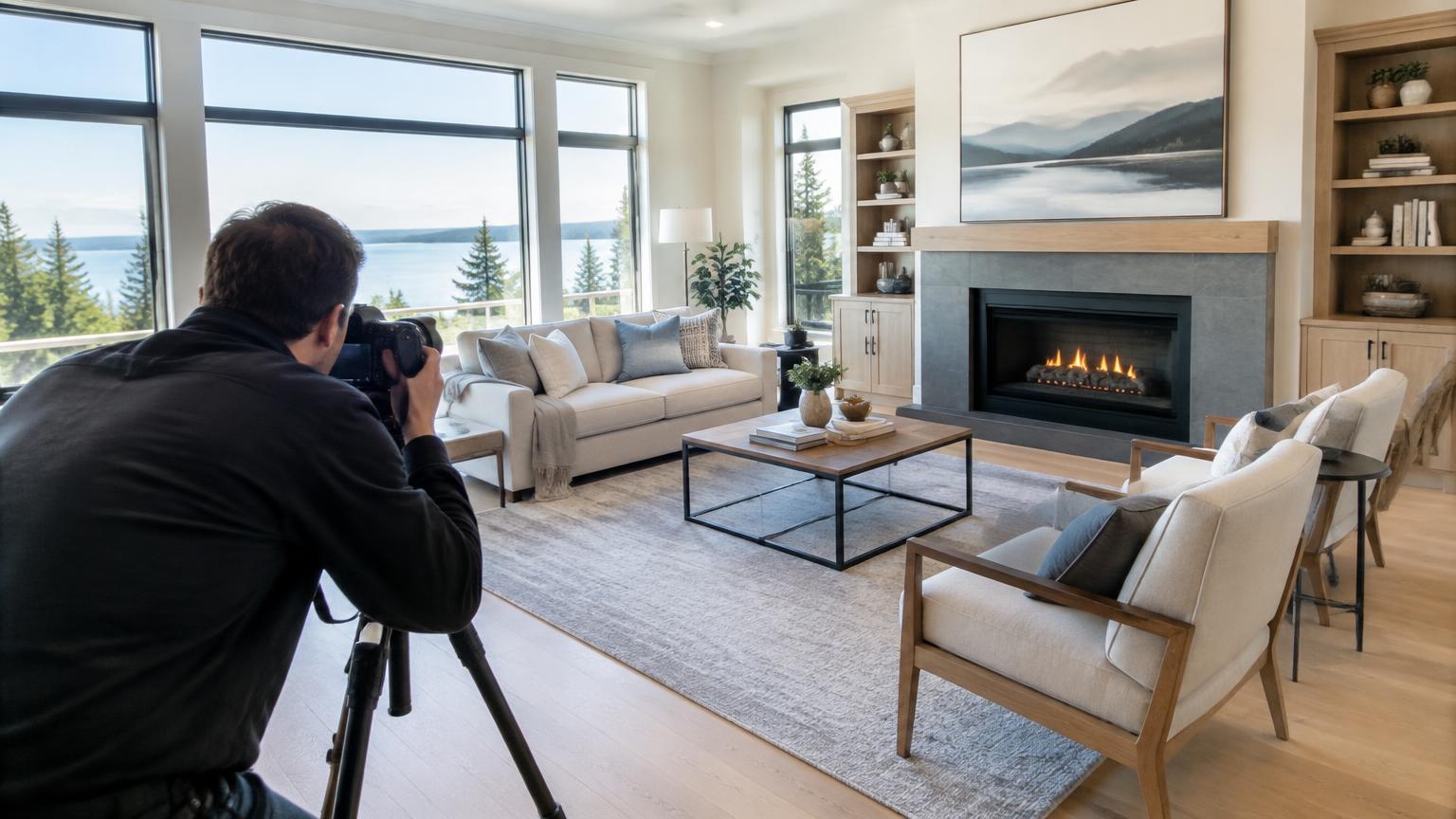
Staging and listing photos: virtual staging, AI edits and what buyers trust.
Stalled listings
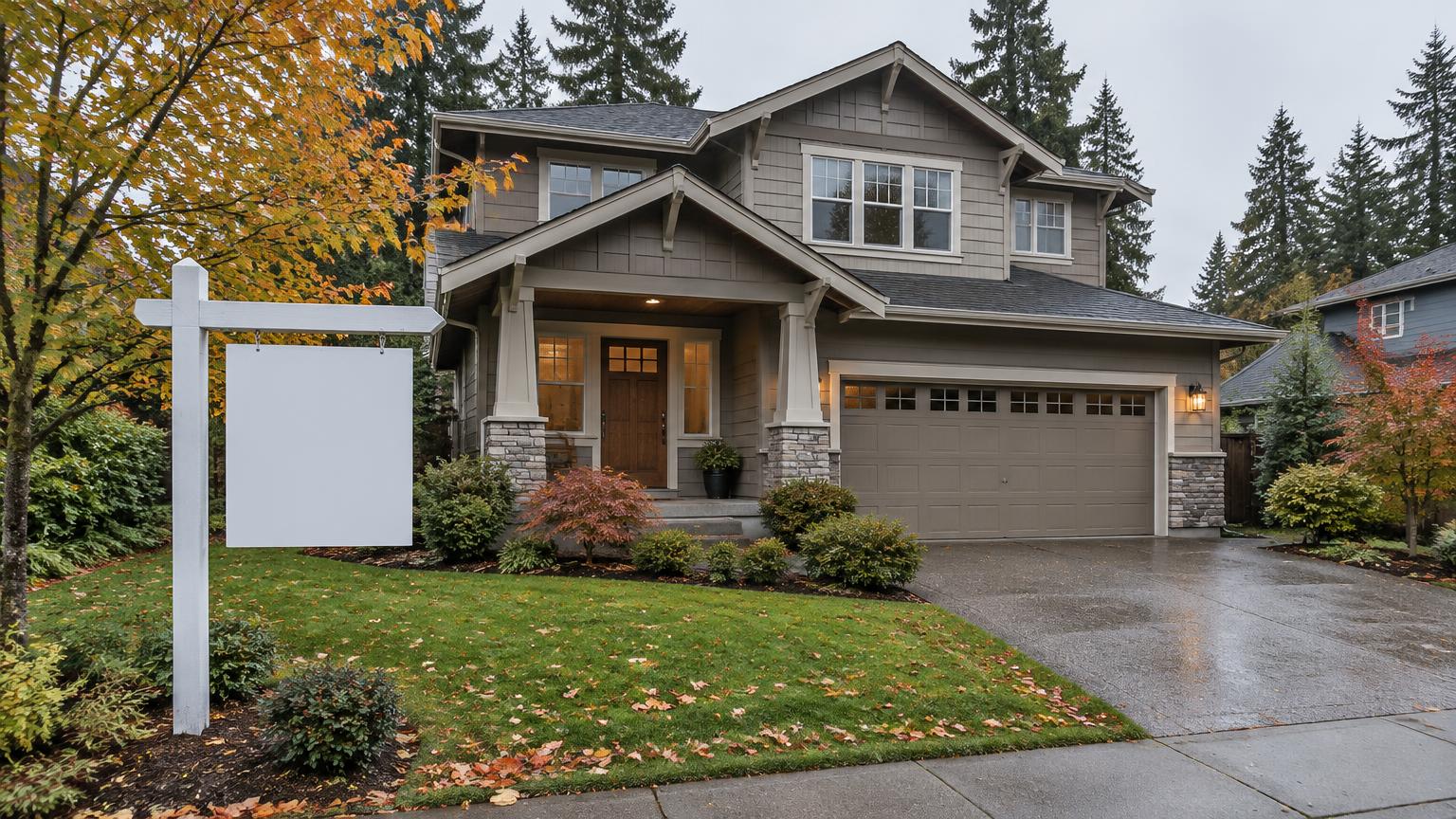
Your house is not selling: what to change, and whether to pause the listing.
Seller options
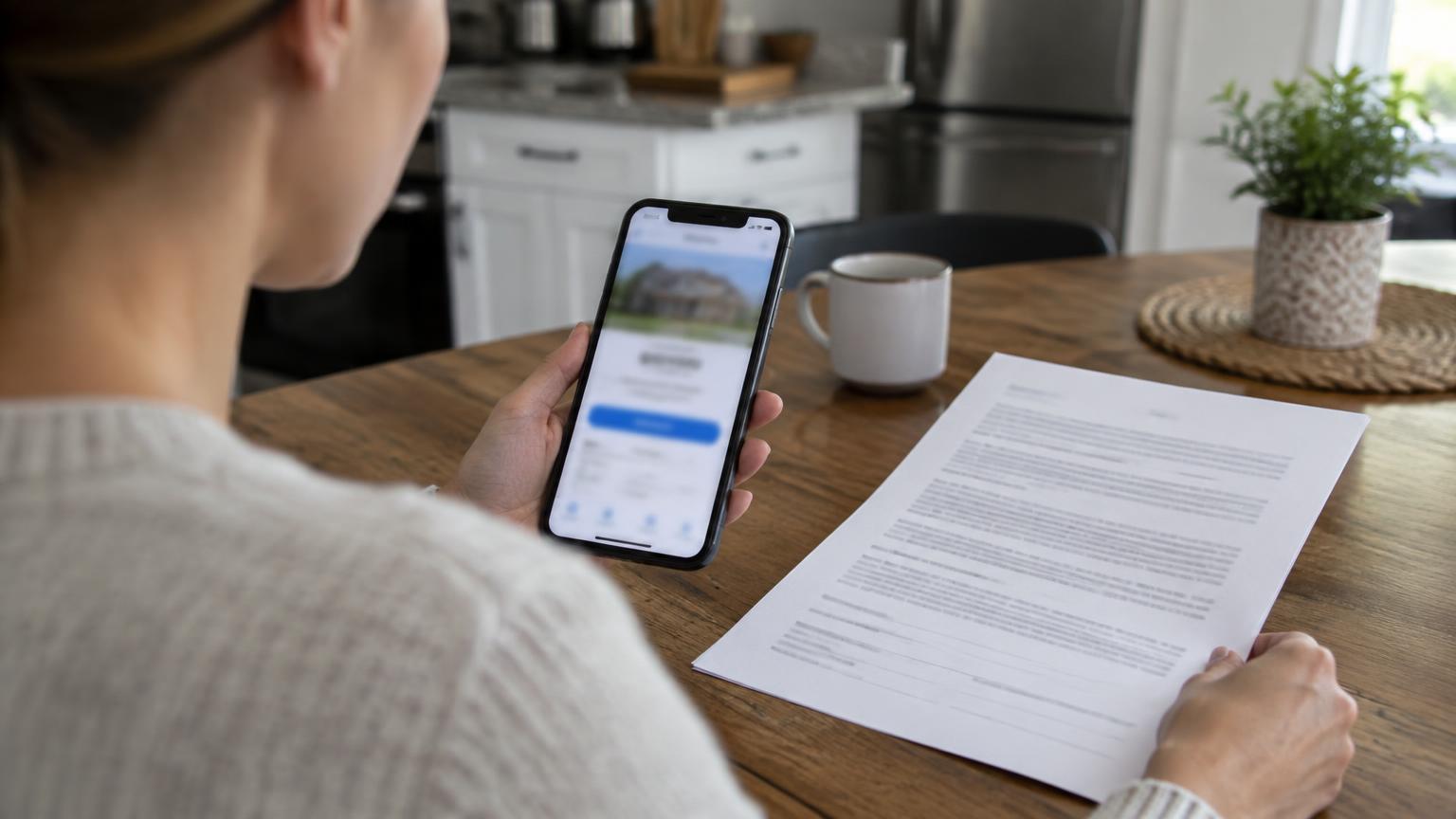
Instant cash offer vs listing your home: how to compare them properly.
Due diligence
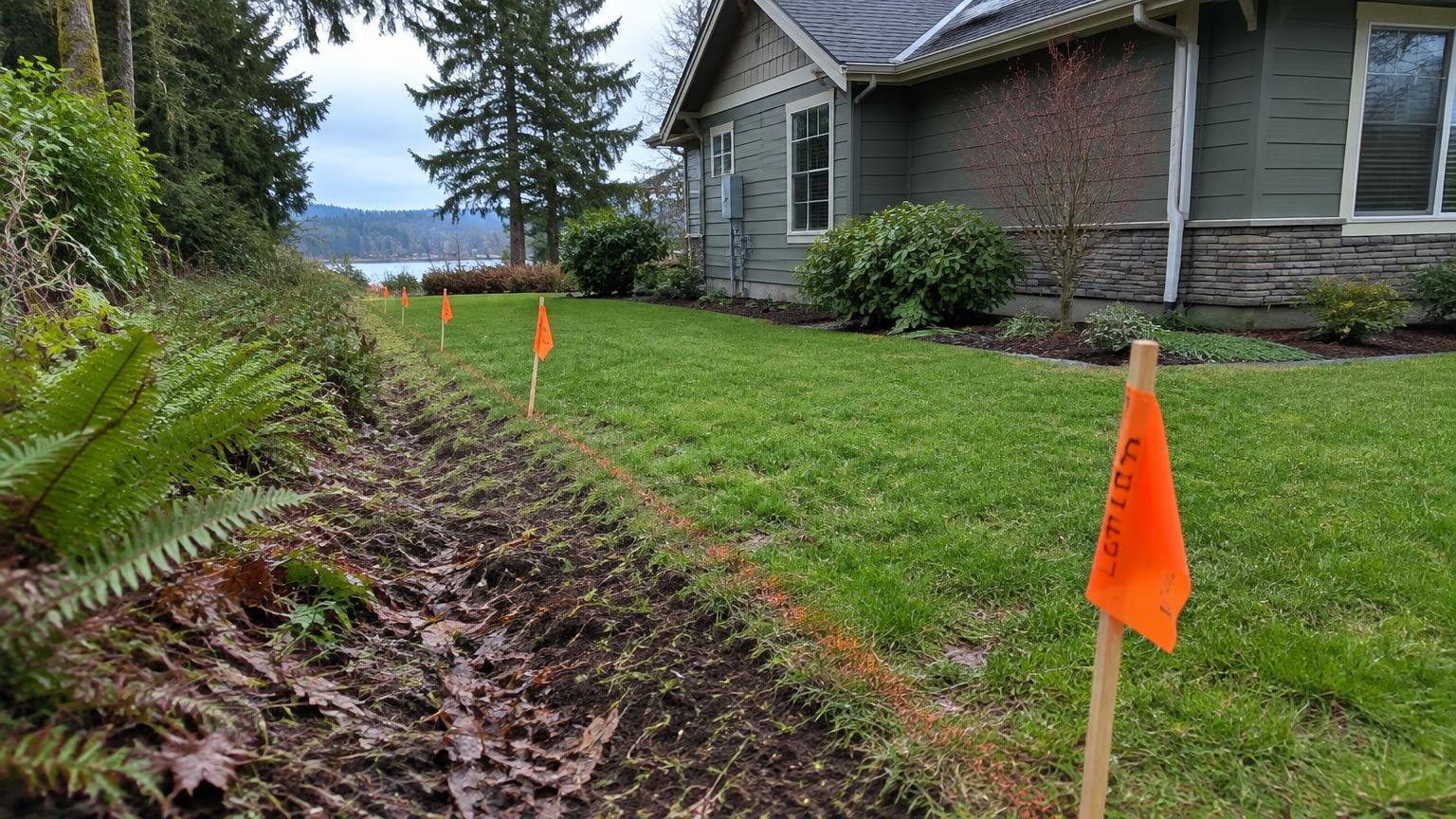
Easements, shared driveways and recorded restrictions: check before you buy.

Buyer strategy
Competing with all-cash offers as a financed buyer on the Eastside.

List price strategy
Pricing below market, offer review dates and how many showings to expect.

Offers and negotiation
What counts as a low-ball offer — and how to counter without losing the deal.
Inspection negotiation
Home inspection negotiation in Washington: repair requests, credits and difficult sellers.
Solar homes
Buying a house with solar panels: owned vs leased, transfers and price drops.

Selling while living there
Selling a house while living in it: showings, kids, pets and the stress of selling.

Buying and selling at the same time
Home sale contingencies in Washington: buying a house contingent on selling yours.

Contract cancellation
Can you back out of buying a house before closing in Washington?
Seller disclosure
Washington's Form 17 seller disclosure: what buyers and sellers need to know.
Structural risk
Buying a house with foundation issues in the Seattle area: risks, inspections and negotiation.

Mortgage options
Alternatives to a 30-year fixed mortgage for Washington buyers.
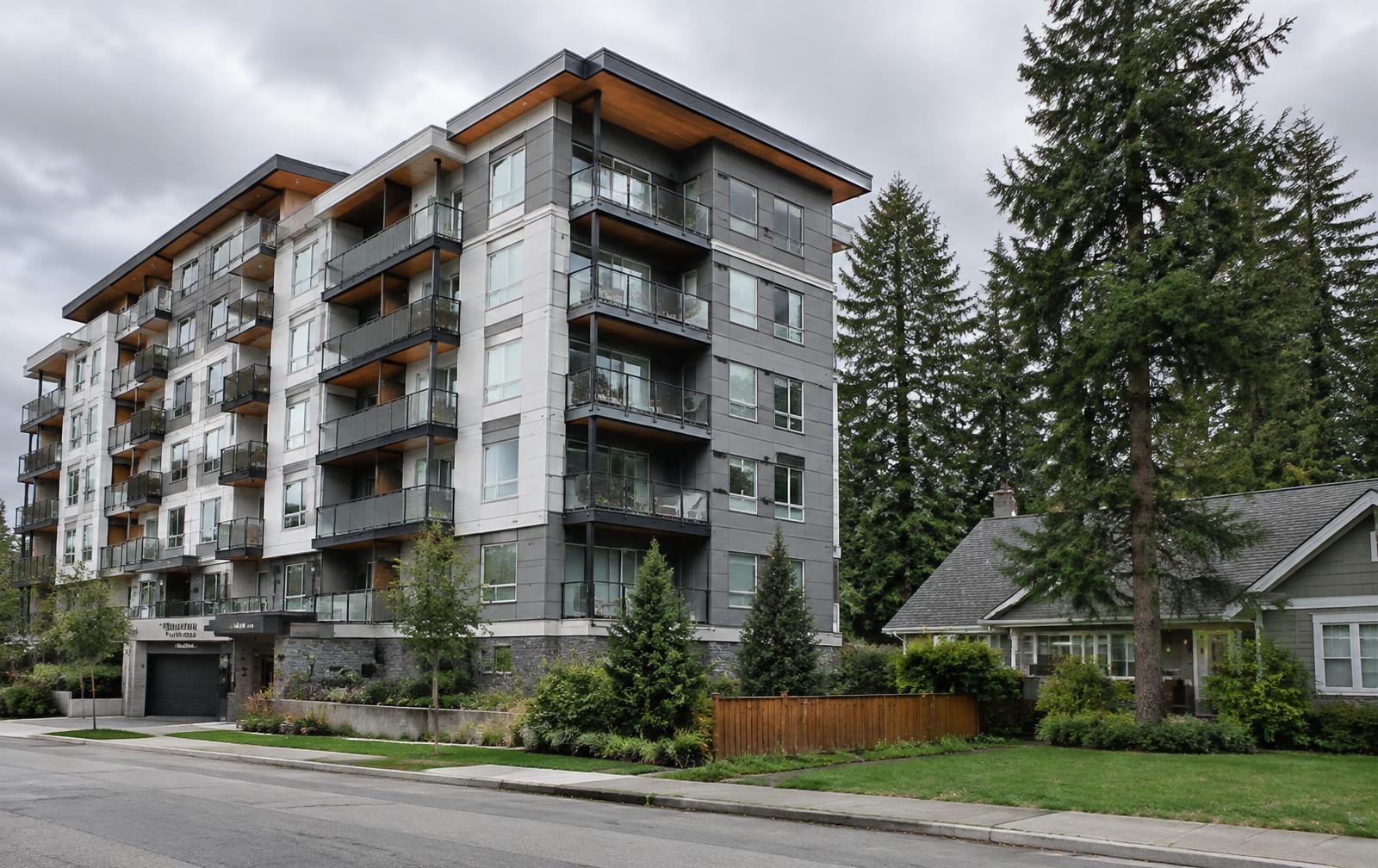
Property type decision
Condo vs single-family home: which holds up better as a long-term investment on the Eastside?

Rankings & best-of lists
Best places to live in the Seattle area, ranked — and how to read every ranking.

Selling an inherited home
Selling a parent's house in probate in Washington: authority, taxes and timing.

Concessions & credits
Seller concessions and seller credits: limits, price reduction vs credit, and repair trade-offs.
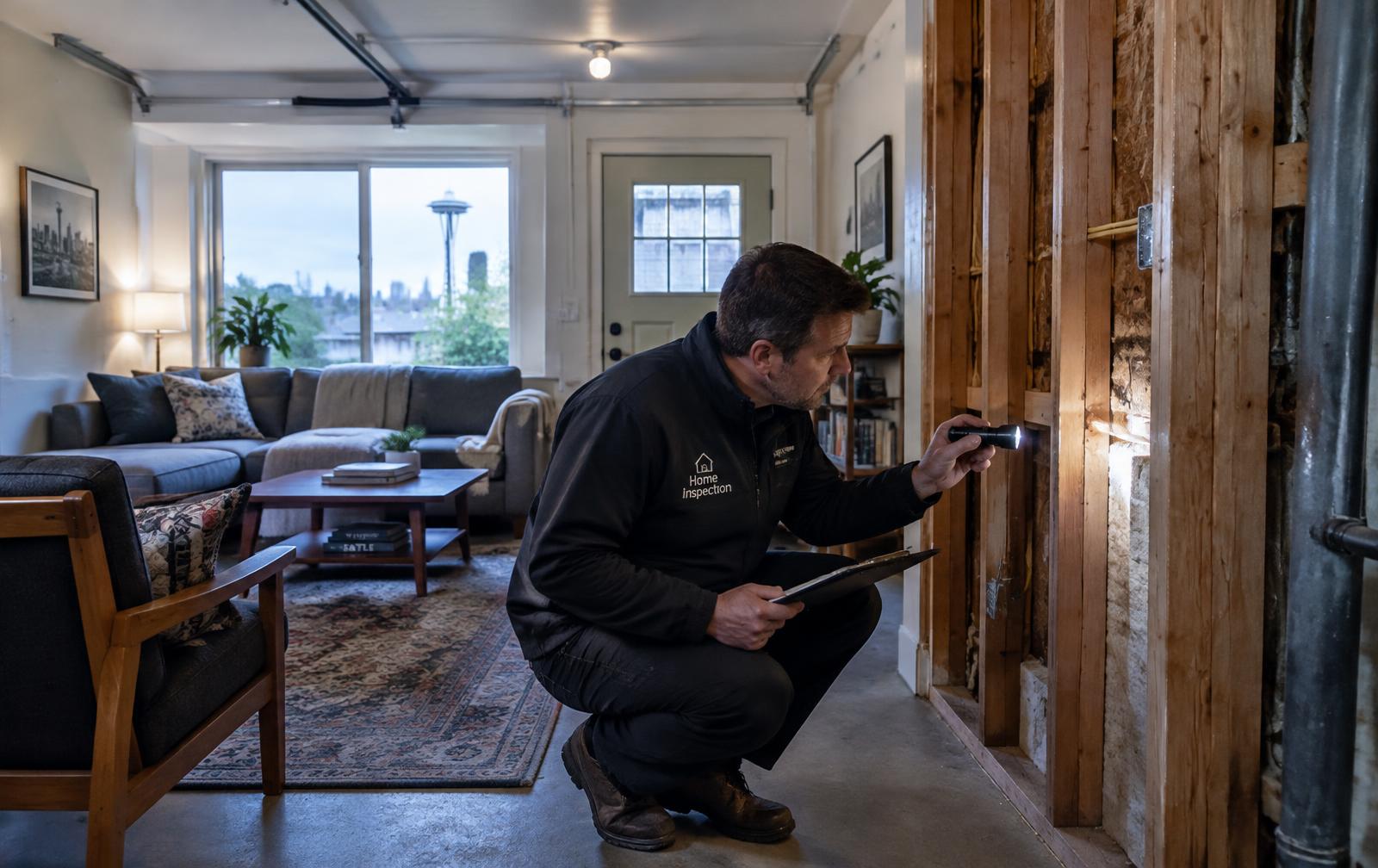
Permits & unpermitted additions
Buying a house with unpermitted work in Seattle and the Eastside: how to check permits and price the risk.
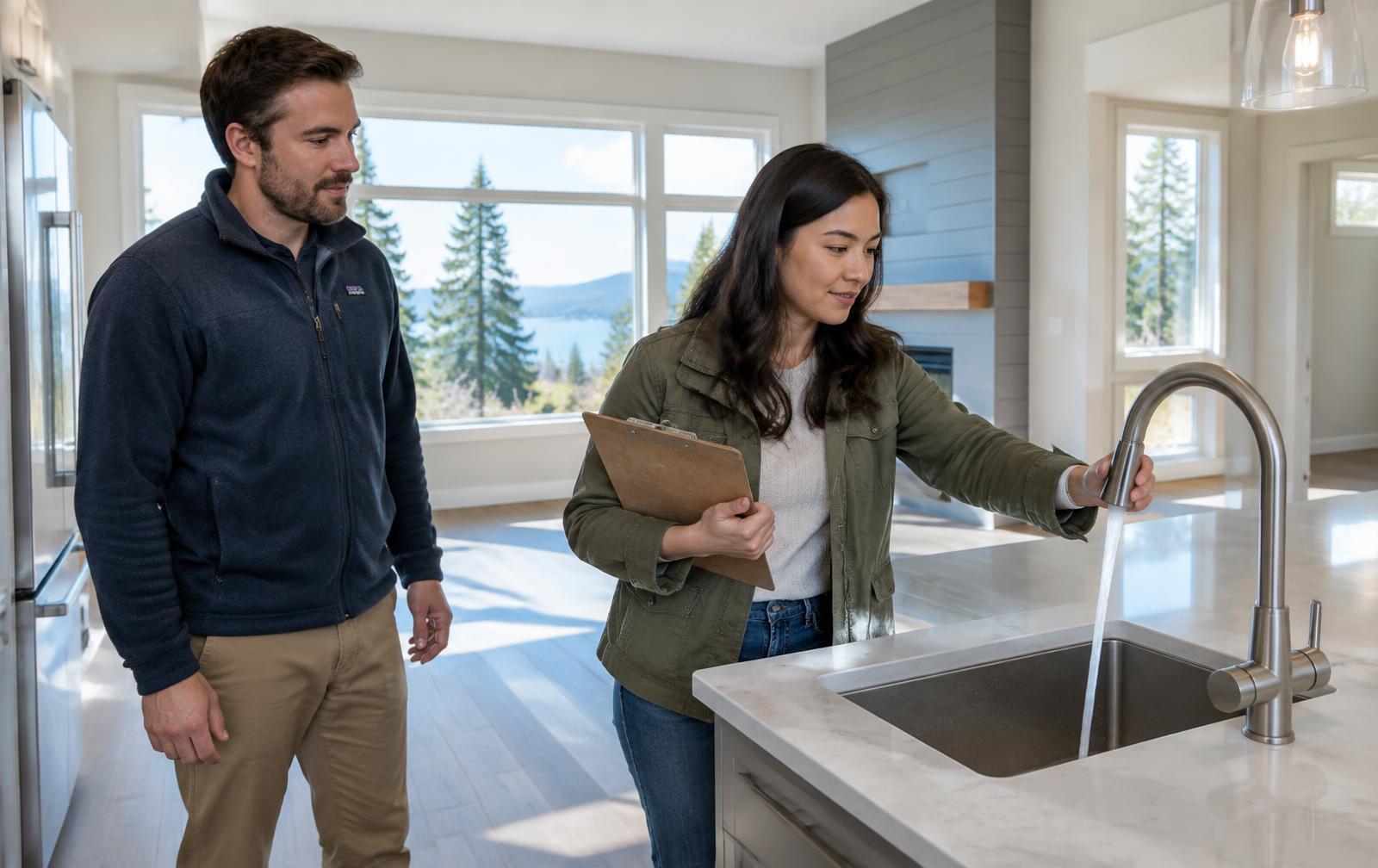
Final walkthrough
Final walkthrough checklist for Washington buyers — resale homes and new construction.
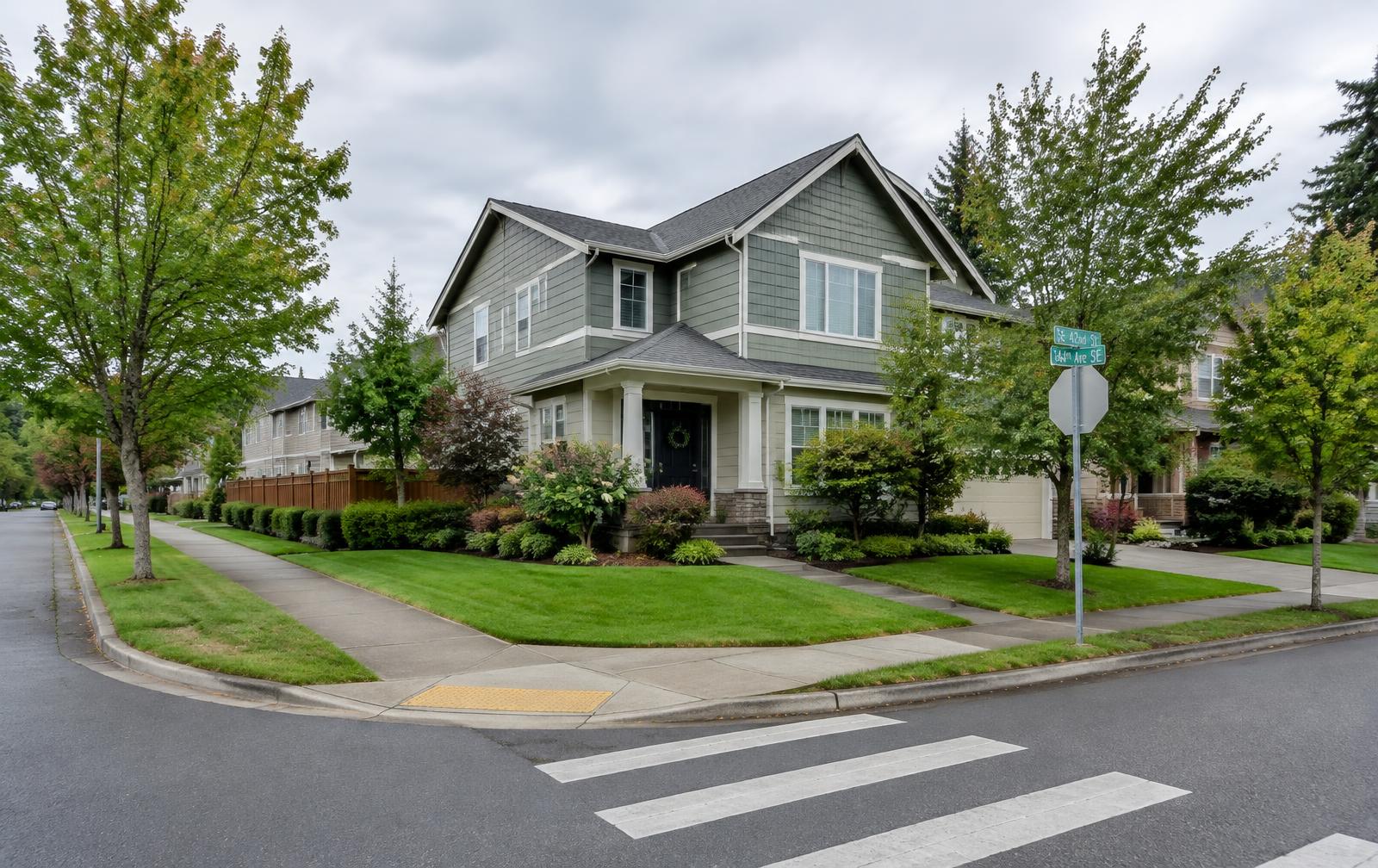
Lot & location trade-offs
Corner lot pros and cons, and living near a school: what Seattle-area buyers should weigh.
Have a waterfront or unique property to value?
Send us the address. We will pull shoreline sales, review permits and survey, and give you a price range with the evidence behind each adjustment.
Request a valuation