
Landlords & investors
Selling a rental property to your current tenant.
When rent no longer covers the mortgage, or a long-term tenant asks to buy, a direct sale can be the cleanest exit — no vacancy, no turnover cost, no staging. It is also the transaction where owners most often skip the paperwork because the parties know each other. This hub keeps the friendliness and adds the structure.

Quick answer
Selling to your tenant works like any sale, with three additions. Establish market value independently — an appraisal or broker price opinion — so the price is defensible to a lender and to family later. Handle the lease explicitly: it survives the sale, so the purchase and sale agreement should state how the lease, security deposit and prepaid rent are terminated or credited at closing. Then plan the tax side: depreciation taken over the years is recaptured on sale, a 1031 exchange is unavailable if you simply cash out, and an installment sale can spread gain across years but not the recapture.
No vacancy
The main economic advantage of selling to a sitting tenant
Recapture
Depreciation taken is taxed on sale, separate from capital gain
Lease survives
A sale does not end the tenancy by itself
Questions this hub answers
- selling rental property to current tenant
- can i sell my rental to my tenant
- installment sale capital gains tax
- depreciation recapture when selling a rental
- how to handle a lease when selling
Running the sale properly
- 01
Set the price with independent evidence
An appraisal or broker price opinion protects both sides. Below-market pricing between unrelated parties is allowed, but the lender still underwrites to value and the number should be documented.
- 02
Confirm the tenant can actually finance it
Ask for a lender pre-approval before taking the property off the market mentally. A verbal 'we want to buy it' has cost many owners an entire selling season.
- 03
Deal with the lease and the deposit in writing
State in the agreement how the lease ends at closing, how the security deposit and any prepaid rent are credited, and who handles utilities and prorated rent on the closing date.
- 04
Decide cash sale, seller financing or installment sale
Seller financing can bridge a tenant who is close but not bankable. An installment sale spreads capital gain over the years you receive payments — but depreciation recapture is generally due in the year of sale.
- 05
Close through escrow with full title work
Familiarity is not a substitute for title insurance, a payoff statement and a recorded deed. Escrow also handles the excise tax affidavit and the prorations neatly.
Ways to structure the sale
| Structure | How it works | Trade-off |
|---|---|---|
| Straight cash sale | Tenant obtains a mortgage; you receive proceeds at closing | Simplest; full gain and recapture in one tax year |
| Seller financing | You hold a note secured by the property | Income stream and buyer flexibility; you carry default risk |
| Installment sale | Payments spread over years, gain reported as received | Spreads capital gain; recapture generally due up front |
| 1031 exchange | Proceeds roll into another investment property | Defers gain; strict identification and closing deadlines |

Checklist
Documents and decisions before closing
- Appraisal or broker price opinion establishing market value
- Written lender pre-approval from the tenant-buyer
- Purchase and sale agreement addressing lease termination and deposit credit
- Security deposit accounting and any prepaid rent reconciliation
- Basis worksheet: purchase price, capital improvements, depreciation taken
- CPA review of recapture, capital gain and any installment sale terms
Selling to a tenant — questions owners ask
Do I still need a broker if the buyer is already found?
You need the contract, disclosures, timelines and escrow handled correctly; a broker can be engaged at a reduced scope for exactly that. The risk in a friendly sale is procedural, not finding a buyer.
What happens to the lease at closing?
A lease runs with the property, so it does not end automatically. When the tenant becomes the owner the tenancy merges, but the agreement should still say so explicitly and settle the deposit and prorated rent.
Can I do a 1031 exchange when selling to my tenant?
Yes, if you are exchanging into another qualifying investment property and follow the identification and closing deadlines with a qualified intermediary set up before closing. You cannot decide after the funds hit your account.
Is an installment sale a way to avoid tax?
No — it spreads capital gain across the years you receive payments, which can reduce the rate applied in a single year. Depreciation recapture is generally taxed in the year of sale regardless. Confirm the specifics with your CPA.
Related reading
Other topic guides

Family transfers
Gift of equity and selling a home to a family member in Washington.

Title & closing
Selling a house with a lien in Bellevue and Greater Seattle.
Land value
Selling an older Eastside home to a builder: land value vs. retail sale.

Visa & foreign buyers
Buying a home in Bellevue as a foreign national or visa holder.

Tech relocation
Moving to Bellevue for a tech job: rent first or buy now?

Schools & addresses
Buying by school assignment in the Bellevue School District.

Waterfront & unique homes
How to price a waterfront or one-of-a-kind home.

Listing problems
How to cancel a listing agreement and change agents.

Building & financing
Construction loans for self-employed and small business owners.

Land & lot value
Should you split a double lot before selling it?

Water & site risk
Flood zone, creek and drainage checks before you buy.

Choosing an agent
How to choose a real estate agent in Seattle and on the Eastside.

Interview & review
Questions to ask before hiring — and how to tell if your agent is doing a good job.
Fees & commission
Who pays realtor fees in Washington — and what an agent actually keeps.

First-time buyers
Buying your first home in Washington State — including without a US credit history.

Home value
How to get an accurate home value estimate in Bellevue, Redmond and West Bellevue.
Investment property
Buying an investment property on the Eastside: returns, rules and the numbers to run.

Listing presentation
Staging and listing photos: virtual staging, AI edits and what buyers trust.
Stalled listings
Your house is not selling: what to change, and whether to pause the listing.

Seller options
Instant cash offer vs listing your home: how to compare them properly.

Due diligence
Easements, shared driveways and recorded restrictions: check before you buy.

Buyer strategy
Competing with all-cash offers as a financed buyer on the Eastside.

List price strategy
Pricing below market, offer review dates and how many showings to expect.

Offers and negotiation
What counts as a low-ball offer — and how to counter without losing the deal.
Inspection negotiation
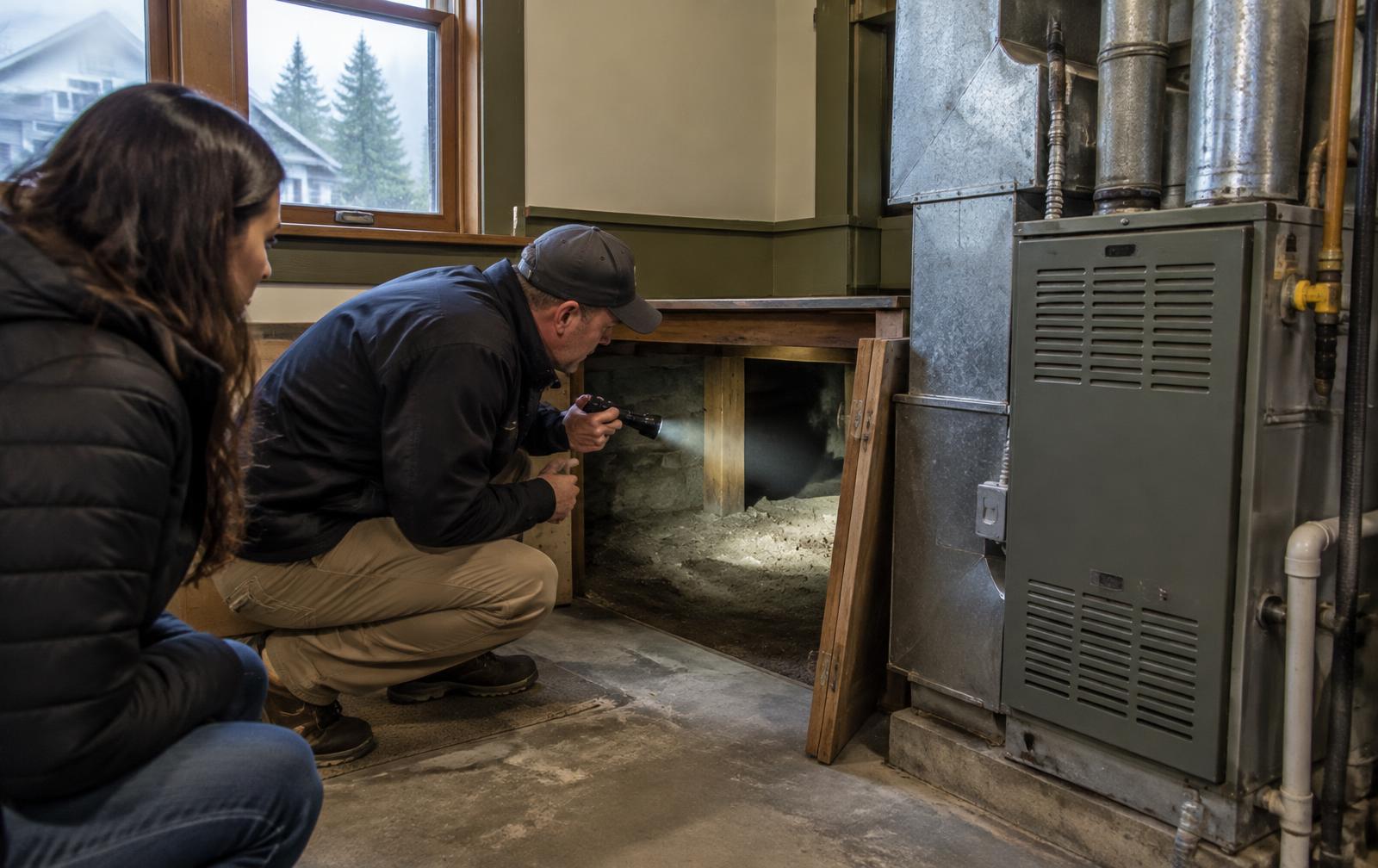
Home inspection negotiation in Washington: repair requests, credits and difficult sellers.
Solar homes
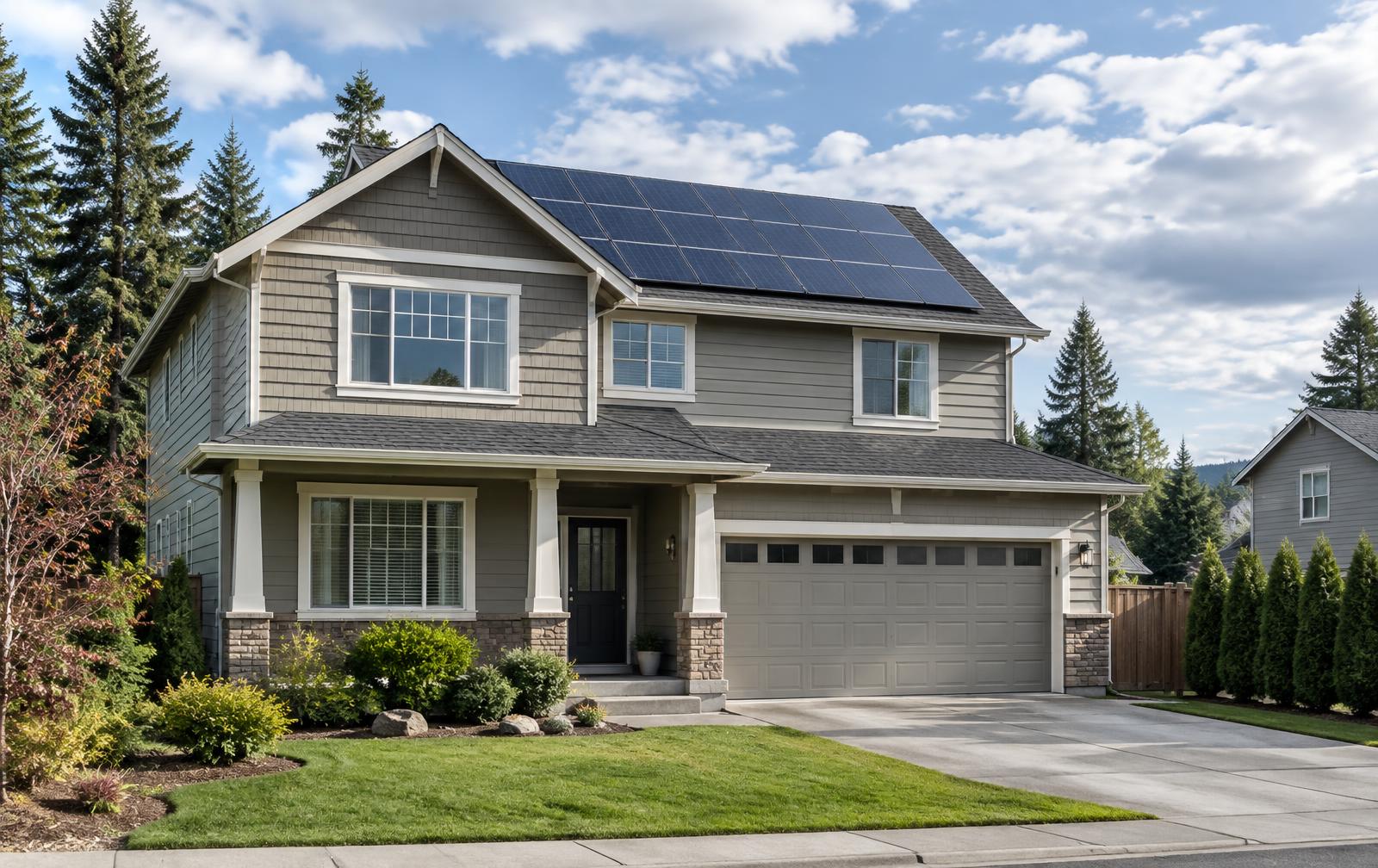
Buying a house with solar panels: owned vs leased, transfers and price drops.

Selling while living there
Selling a house while living in it: showings, kids, pets and the stress of selling.

Buying and selling at the same time
Home sale contingencies in Washington: buying a house contingent on selling yours.

Contract cancellation
Can you back out of buying a house before closing in Washington?
Seller disclosure
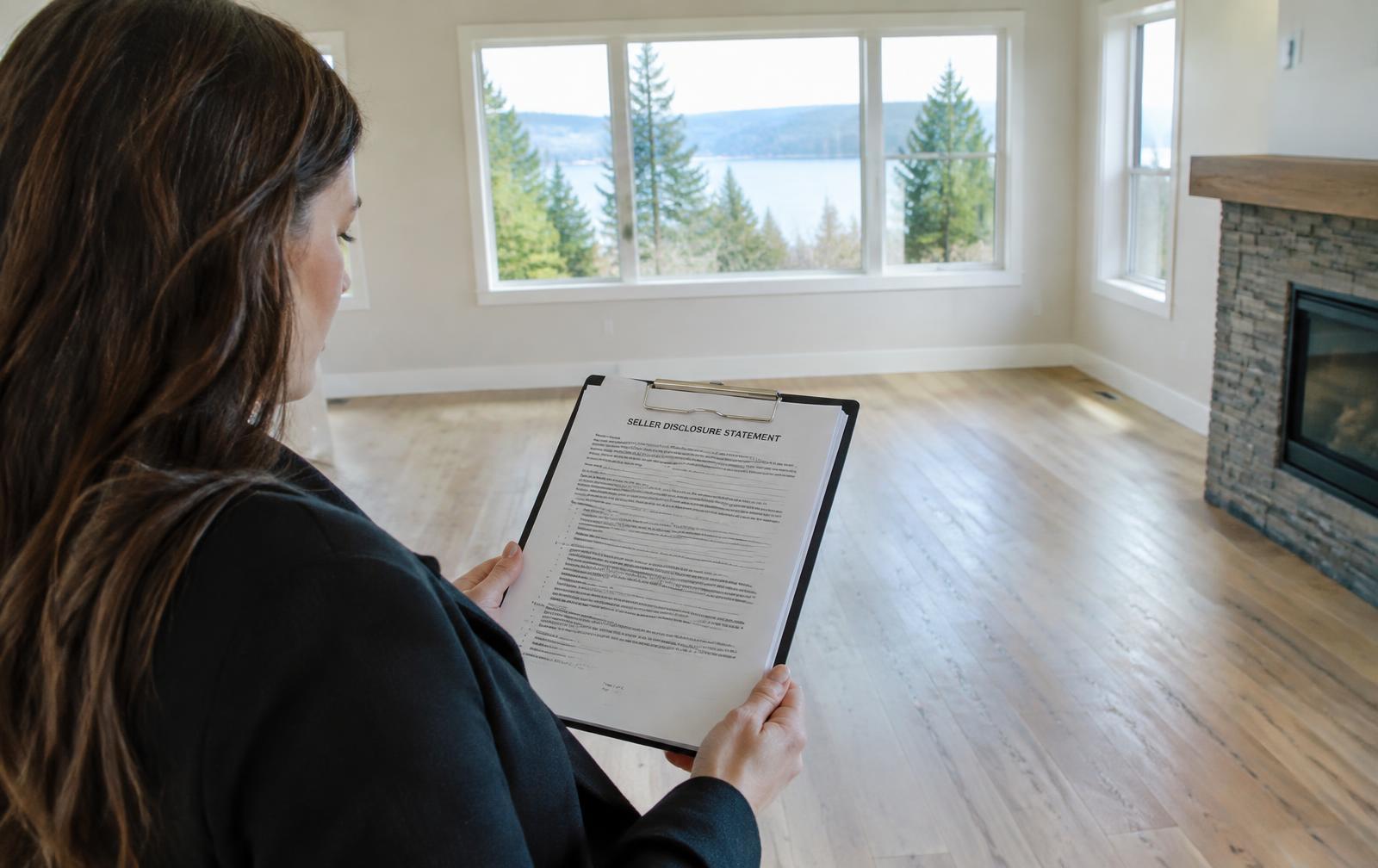
Washington's Form 17 seller disclosure: what buyers and sellers need to know.

Structural risk
Buying a house with foundation issues in the Seattle area: risks, inspections and negotiation.

Mortgage options
Alternatives to a 30-year fixed mortgage for Washington buyers.
Property type decision
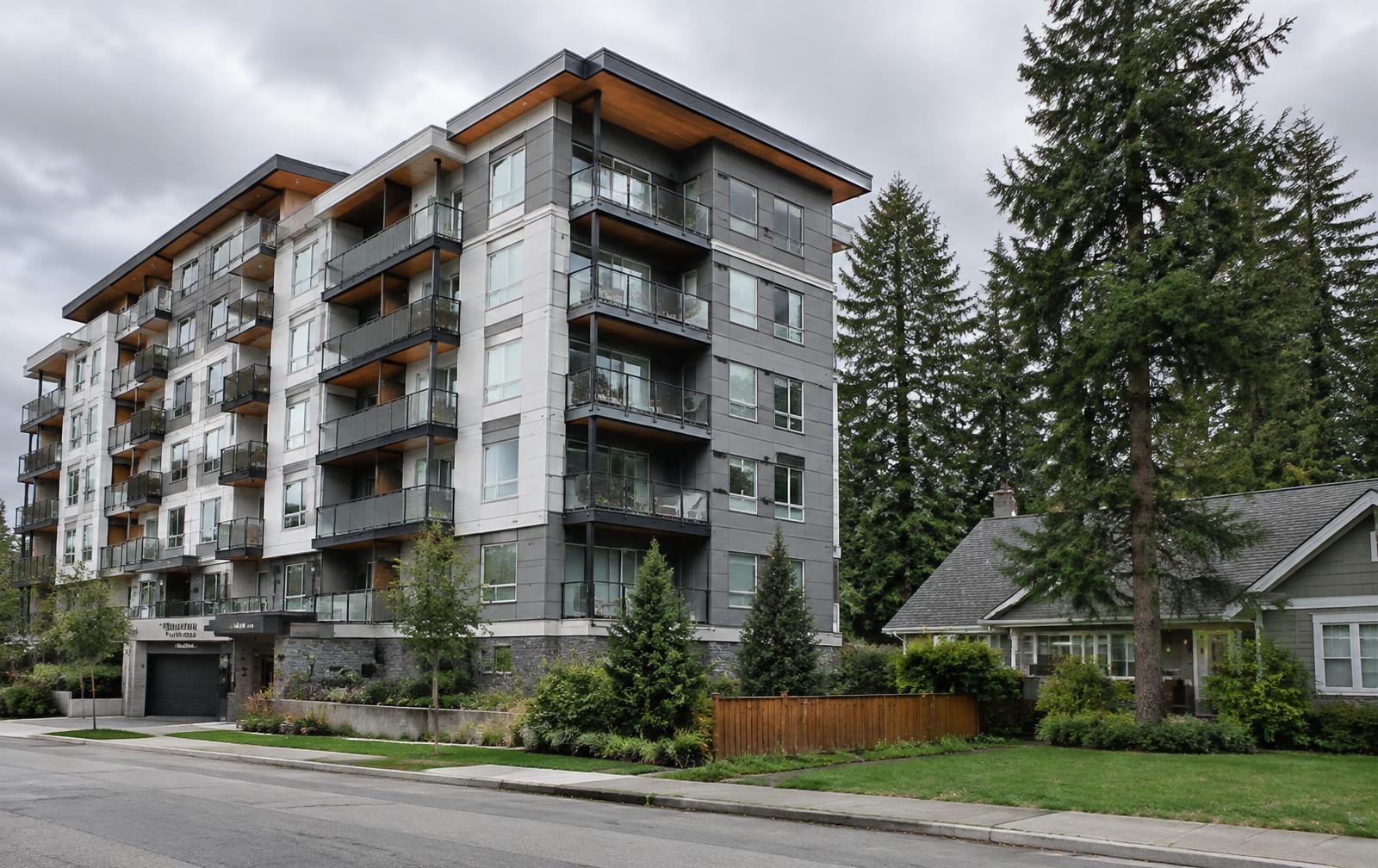
Condo vs single-family home: which holds up better as a long-term investment on the Eastside?

Rankings & best-of lists
Best places to live in the Seattle area, ranked — and how to read every ranking.

Selling an inherited home
Selling a parent's house in probate in Washington: authority, taxes and timing.

Concessions & credits
Seller concessions and seller credits: limits, price reduction vs credit, and repair trade-offs.
Permits & unpermitted additions
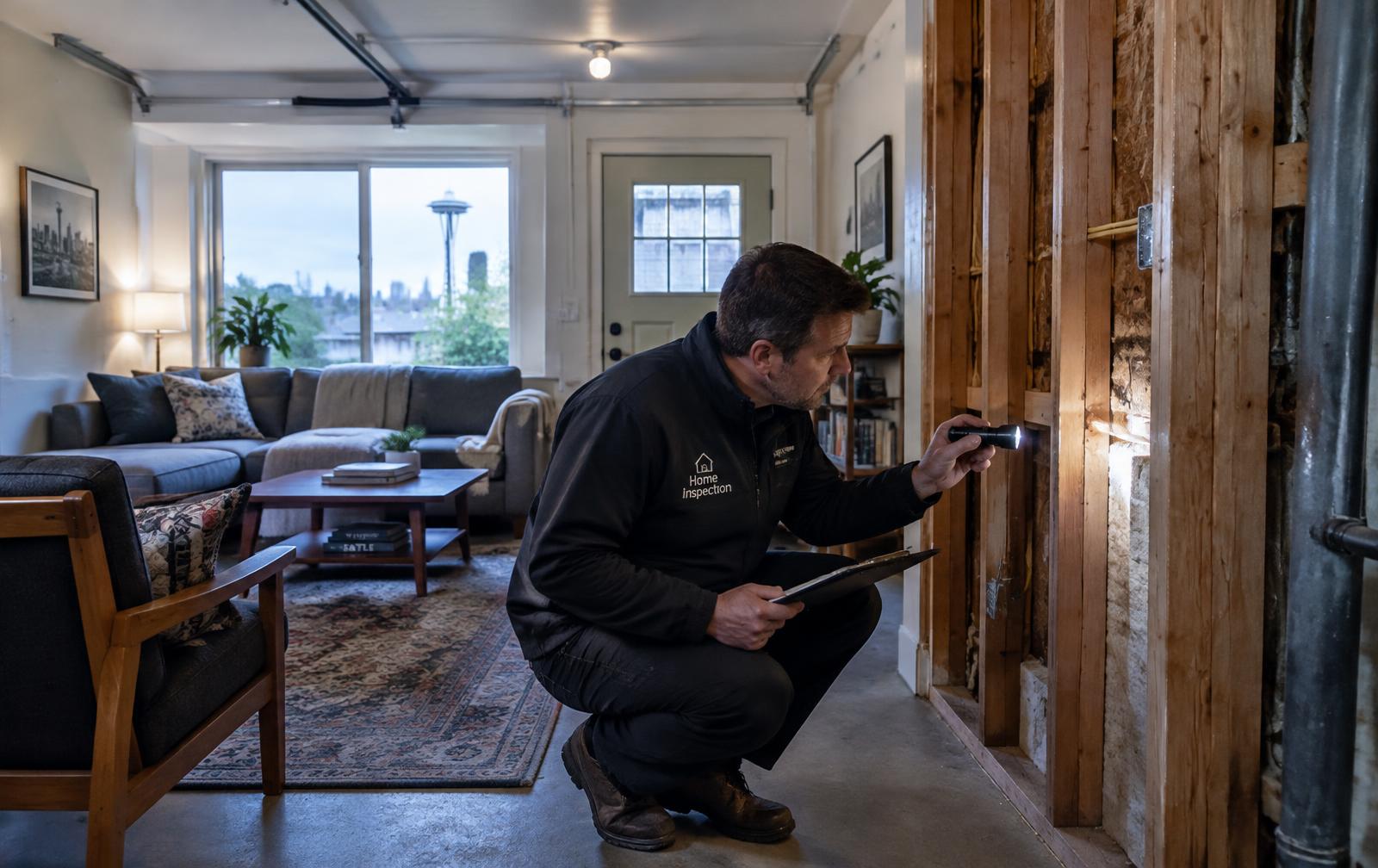
Buying a house with unpermitted work in Seattle and the Eastside: how to check permits and price the risk.

Final walkthrough
Final walkthrough checklist for Washington buyers — resale homes and new construction.
Lot & location trade-offs
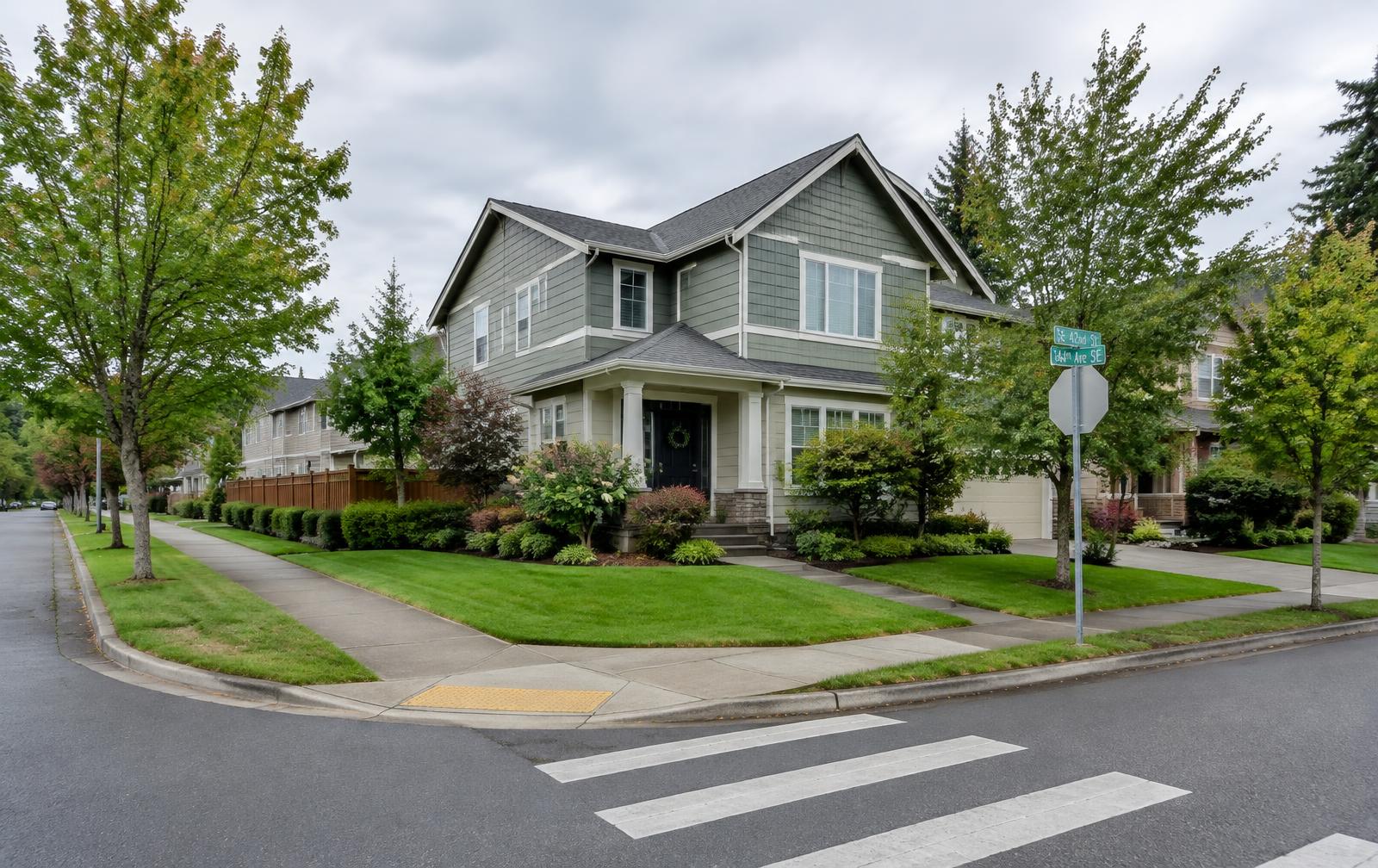
Corner lot pros and cons, and living near a school: what Seattle-area buyers should weigh.
Tenant asking to buy your rental?
We will value the property, structure the agreement and coordinate escrow — so a friendly deal stays friendly and still closes correctly.
Talk to our team