
Fees & commission
Who pays realtor fees in Washington — and what an agent actually keeps.
Two different questions get mixed together constantly: who writes the cheque at closing, and how much of that money the individual agent keeps. They have different answers. This hub separates the seller's listing fee, the buyer's brokerage compensation and any seller concession — then follows the money from the closing statement through to what actually reaches a broker.
Quick answer
In Washington, compensation is negotiable and set by written agreement, not by law or by a standard rate. A seller agrees a listing fee with their own brokerage in the listing agreement. A buyer agrees compensation with their own brokerage in a buyer agency agreement; that amount may be paid by the buyer directly, offset by a seller concession negotiated in the purchase agreement, or a combination. Because NWMLS stopped requiring sellers to offer buyer-broker compensation in 2019, there is no automatic split to assume — read the three documents that decide it: the listing agreement, the buyer agency agreement and the purchase and sale agreement. What the agent personally keeps is smaller again, after the brokerage split, referral fees, taxes and their own marketing costs.
3 documents
Listing agreement, buyer agency agreement, purchase agreement
Negotiable
No legally set rate in Washington
Since 2019
NWMLS no longer requires an offer of buyer-broker compensation
Gross ≠ net
Splits, referral fees, taxes and costs come out before the agent is paid
Questions this hub answers
- who pays realtor fees in washington state
- how do realtors get paid
- real estate agent commission explained
- how much does a real estate agent make per sale
- buyer agency compensation and seller concessions
- are realtor fees negotiable
Follow the money, step by step
- 01
1. The seller's listing fee
Agreed in the listing agreement between the seller and the listing brokerage. It states the amount or percentage, what it covers, the term and the cancellation terms. This is the only fee the seller has agreed with their own side.
- 02
2. The buyer's brokerage compensation
Agreed separately between the buyer and the buyer's brokerage, in writing, before they tour or write an offer. The agreement names the amount and how it will be satisfied — directly by the buyer, through a seller concession, or partly each way.
- 03
3. Seller concessions in the purchase agreement
If the seller agrees to contribute, it is negotiated as a term of the purchase and sale agreement — the same place other credits live. A seller may offer the full amount, part of it, or none, and the buyer covers any shortfall. Lender rules can cap total seller contributions, so check with the lender before relying on one.
- 04
4. The closing statement
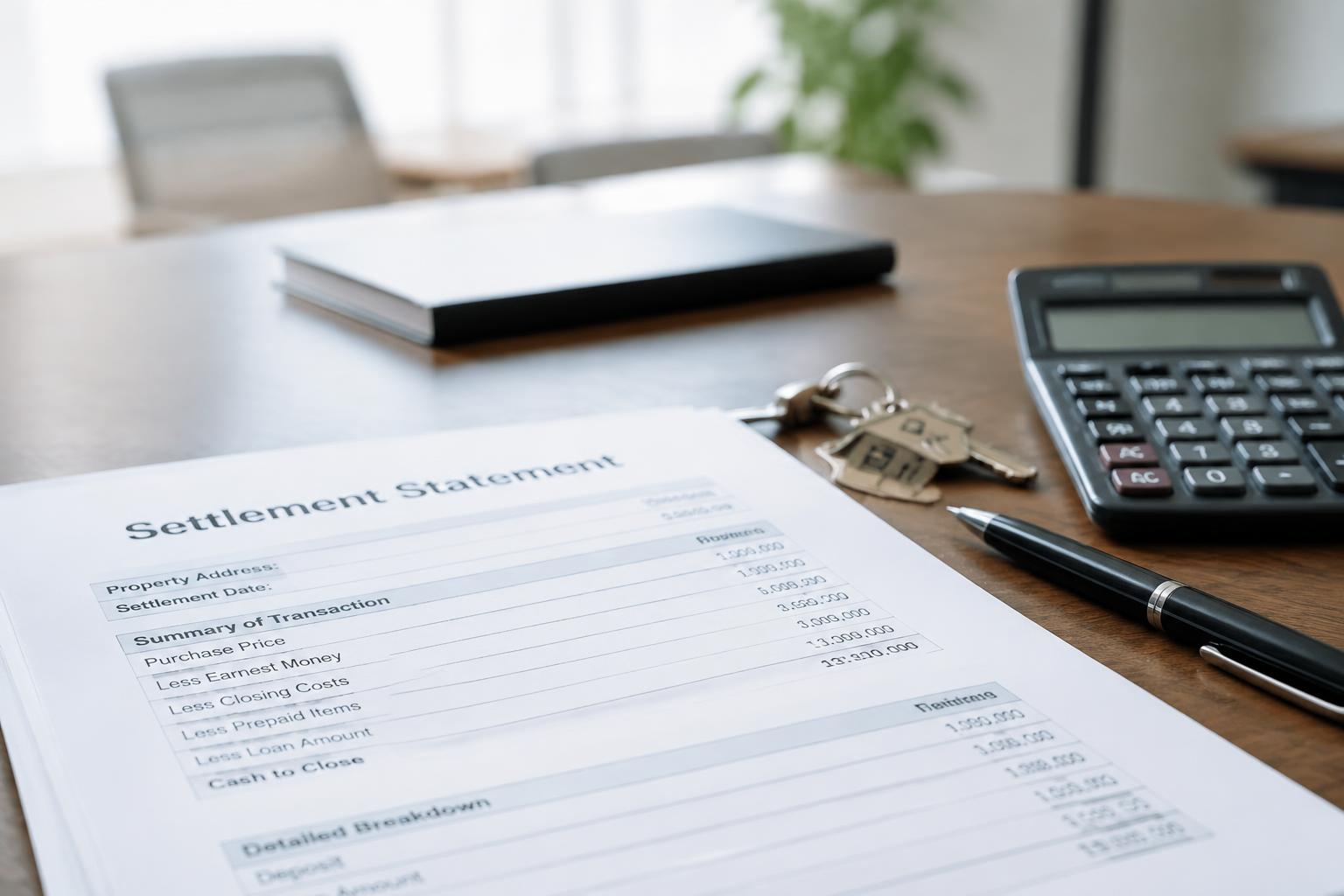
At closing, escrow disburses according to the signed agreements. This is where the seller sees the total deducted from proceeds and the buyer sees any amount paid or credited on their side — the document to reconcile against what you were told.
- 05
5. What the broker actually receives
The firm is paid first, then the broker's split applies, then referral fees if any, then self-employment taxes, licence and association costs, and the marketing the broker paid for themselves. Gross commission on a sale is not personal income.
Who agrees what, and where it is written
| Item | Agreed between | Document that decides it |
|---|---|---|
| Listing fee | Seller and listing brokerage | Listing agreement |
| Buyer brokerage compensation | Buyer and buyer's brokerage | Buyer agency agreement |
| Seller concession toward buyer costs | Seller and buyer | Purchase and sale agreement |
| Actual disbursement | All parties, via escrow | Closing / settlement statement |
| Broker's personal share | Broker and their firm | Independent contractor agreement with the brokerage |

Checklist
Before you sign anything with a fee in it
- You can point to the exact clause that states the amount or percentage.
- You know the term of the agreement and how it ends.
- You know which services the fee covers and which costs are billed separately.
- As a buyer, you know how your brokerage compensation will be satisfied if the seller offers nothing.
- As a seller, you know what happens to the fee if the sale falls through or you cancel.
- You have asked your lender whether a planned seller concession fits their limits.
- You have compared at least two written proposals, not just two verbal quotes.
- You have asked what is negotiable — fees in Washington are not fixed.
Common questions
Who pays realtor fees in Washington state?
It depends on what was agreed in writing. The seller agrees a listing fee with their own brokerage. The buyer agrees compensation with their own brokerage, and that can be paid by the buyer, covered through a seller concession negotiated in the purchase agreement, or split between the two. There is no automatic rule that the seller pays both sides.
Are real estate commissions negotiable?
Yes. Washington does not set a rate, and no association or MLS may set one. What matters is what the written agreement says, so negotiate before signing — including the term and cancellation terms, not just the number.
How much does an agent make on a sale?
Far less than the gross figure on the closing statement. The brokerage is paid first and the broker receives an agreed split, then pays referral fees where applicable, self-employment taxes, licence and association dues, insurance and their own marketing. The net share varies by firm and by broker arrangement, so ask rather than assume a standard number.
What changed with NWMLS in 2019?
NWMLS stopped requiring sellers to offer compensation to the buyer's broker and began publishing the amount offered where one was made. That is why buyer-side compensation is now agreed in the buyer agency agreement and, if the seller contributes, negotiated in the purchase agreement rather than assumed.
Do I still owe a fee if the sale falls apart?
Read the agreement. Some obligations are tied to closing, some survive cancellation, and some apply if you sell to a buyer introduced during the term. This is a clause to check before signing rather than after a deal collapses.
Go deeper
Related
Who pays realtor fees in Washington state?
The three documents and how they interact.
Related
How much commission does an agent make on a sale?
From gross commission to take-home.
Related
How much are closing costs in Washington state?
Buyer and seller cost estimates, line by line.
Related
The complete guide to selling a home in Seattle
Net proceeds, preparation and timing.
Related
Selling services
Pricing evidence, preparation and marketing delivery.
Other topic guides

Family transfers
Gift of equity and selling a home to a family member in Washington.

Title & closing
Selling a house with a lien in Bellevue and Greater Seattle.
Land value
Selling an older Eastside home to a builder: land value vs. retail sale.

Visa & foreign buyers
Buying a home in Bellevue as a foreign national or visa holder.

Tech relocation
Relocating to Bellevue for a tech job: rent first or buy now.

Schools & addresses
Buying by school assignment in the Bellevue School District.

Waterfront & unique homes
How to price a waterfront or one-of-a-kind home.

Listing problems
How to cancel a listing agreement and change agents.

Building & financing
Construction loans for self-employed and small business owners.

Land & lot value
Should you split a double lot before selling it?

Water & site risk
Flood zone, creek and drainage checks before you buy.

Landlords & investors
Selling a rental property to your current tenant.

Choosing an agent
How to choose a real estate agent in Seattle and on the Eastside.

Interview & review
Questions to ask before hiring — and how to tell if your agent is doing a good job.
Want your numbers, not an average?
Send us the property and your timeline. We will build a written net-proceeds or cash-to-close estimate with every fee line named, so you can compare proposals on the same basis.
Request a net sheet