
Part 1: Why Seattle's Housing Market Will Enter a Prolonged Sideways Phase in 2026
As we approach the 2026 market cycle, investor expectations for Seattle's real estate market show stark polarization. Some cautious buyers await dramatic price corrections due to high interest rates, while others hedge their bets, anticipating rate drops to the 4% range to trigger another price rebound. However, based on forecasts from leading institutions (including Moody’s and Zillow), combined with inventory trends from NWMLS (Northwest Multiple Listing Service) and macroeconomic analysis, one conclusion is clear: 2026 will mark Seattle's entry into a rare "Sideways Market" era.
This market phase renders "average price growth" metrics meaningless. Success in 2026 won't come from chasing broad market beta returns but from identifying alpha opportunities in specific assets. With the full implementation of HB1110 (Missing Middle Housing), zoning changes will create extreme value divergence—some properties will double in worth while others face liquidity droughts. Market data reveals Seattle's 2026 investment strategy has shifted from betting on overall market beta to targeting assets with structural appreciation potential.
Part 2: What Changed in Seattle's 2025 Housing Market? Three Key Data Points
2025 saw Seattle's market transition structurally from premium bidding wars to value normalization, with dominance formally shifting from sellers to rational buyers. This transformation is evident not only in extended transaction cycles but also in the stark performance gap between core urban and suburban properties. Understanding 2026 trends requires grasping 2025's pivotal turning point. For a comprehensive 2025 Seattle market recap, revisit our previous blog.
-
High Rates Suppressed Overall Purchasing Power
NWMLS data shows King County's active listings rose year-over-year by late 2025, eliminating "no inventory" anxiety as FOMO gave way to financial pragmatism.
-
Stable Core Employment But Limited New Demand
Eastside hubs like Bellevue and Kirkland maintained ~5% price growth supported by tech RSUs, while suburbs (Lynnwood, Mukilteo) saw 3-5% declines due to inventory gluts.
-
Inventory Recovery Neutralized Price Momentum
Median days on market (DOM) stretched from 7-10 days to 25-30 days by 2025's end. NWMLS reports 51.1% of homes now sell below list price in this buyer's market.
Part 3: How Will 2026 Macro Policies and Rates Impact Seattle Home Prices?
2026's macro environment—caught between Trump administration fiscal policies and Fed independence—will keep mortgage rates volatile. Policy impacts on Seattle's tech job market remain the key anchor for local purchasing power, with effects concentrated in fiscal and monetary dimensions.
-
Fiscal Policies Bolster Luxury Demand While Raising Ownership Costs
Trump's tax cuts inject tech liquidity, but tariffs and immigration restrictions spike construction costs. This push-pull dynamic forces 2026 buyers to balance high asset values against steep maintenance. Per NAHB's 2025 builder survey (NAHB/Wells Fargo HMI), tariffs add $10,900 per home on average. CAP think tank estimates $17,500 per new home from tariffs.
-
Tax Cuts Sustain Tech Sector and Luxury Home Demand
Seattle prices remain tethered to Amazon/Microsoft/NVIDIA profitability. Continued tech tax cuts mean stable RSU values underpin Eastside's $2M+ luxury market.
-
Tariffs and Immigration Policies Inflate Construction/Renovation Costs
Import tariffs raise material prices, while labor shortages (exacerbated by immigration curbs) drive up renovation fees. Buyers will prioritize move-in-ready homes to avoid "renovation cost traps."
-
Institutional Buyer Restrictions Have Minimal Seattle Impact
With Seattle's 3% cap rates (vs. 6% nationally), institutional SFR holdings are negligible—policy changes won't meaningfully affect the market.
-
Monetary Uncertainty Keeps Mortgage Rates Volatile at Elevated Levels
2026 rate markets face extreme volatility—waiting for lower rates becomes high-risk speculation. As Powell's term concludes, political-monetary tensions will directly impact mortgage rate swings. Below is the 30Y Fixed Mortgage Rate's recent range and projections:
Rates aren't returning to pandemic lows but oscillating in a higher, stable band.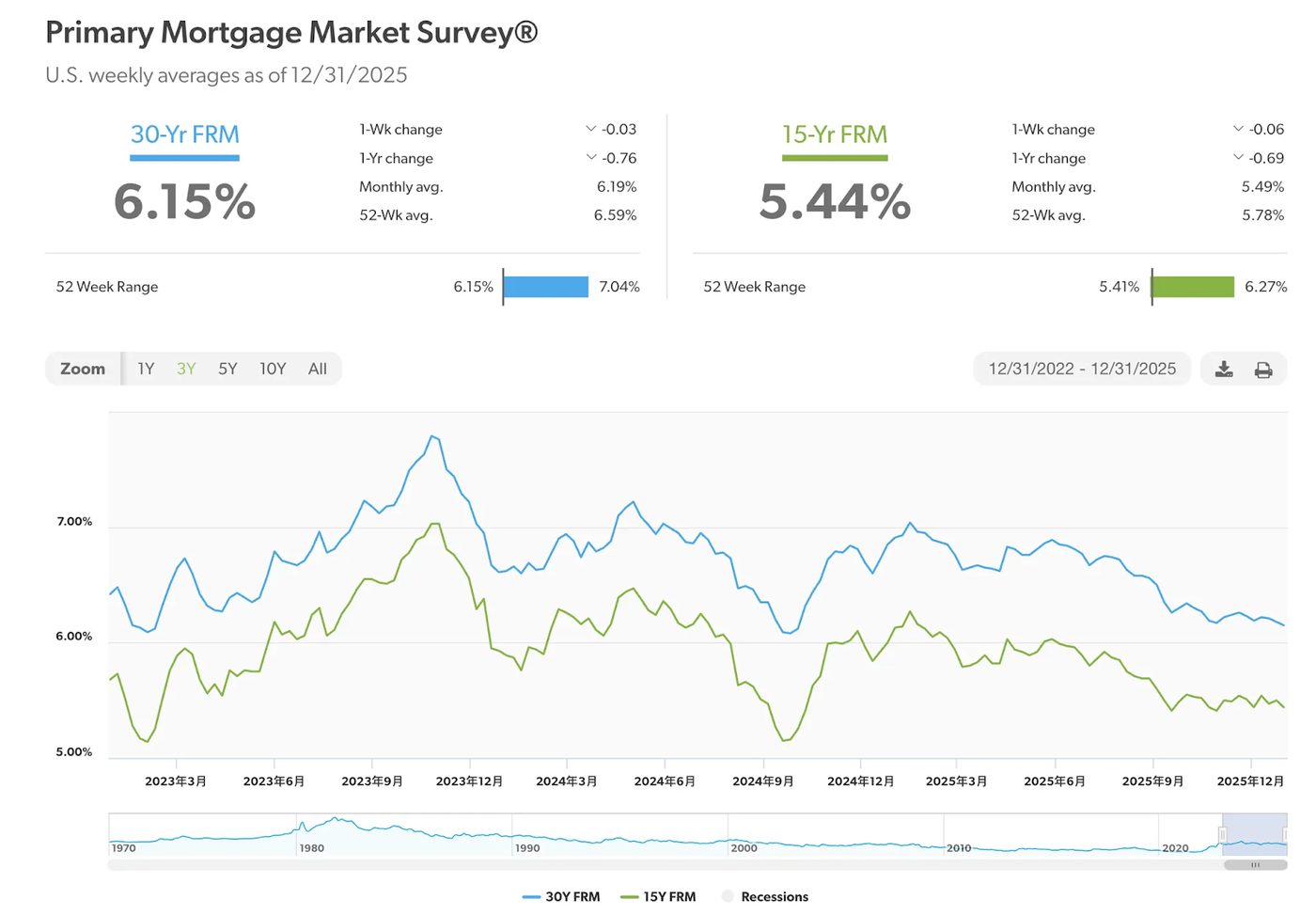
Source: Freddie Mac / Mortgage Market Survey
-
Political Pressure Amplifies Rate Volatility
Administrative pressure for rate cuts may destabilize 10-year Treasury yields (mortgage rates' anchor). Buyers must adapt to ~6% rates rather than hoping for 4%. Mortgage trends follow long-term Treasuries—the 10Y yield is their primary driver.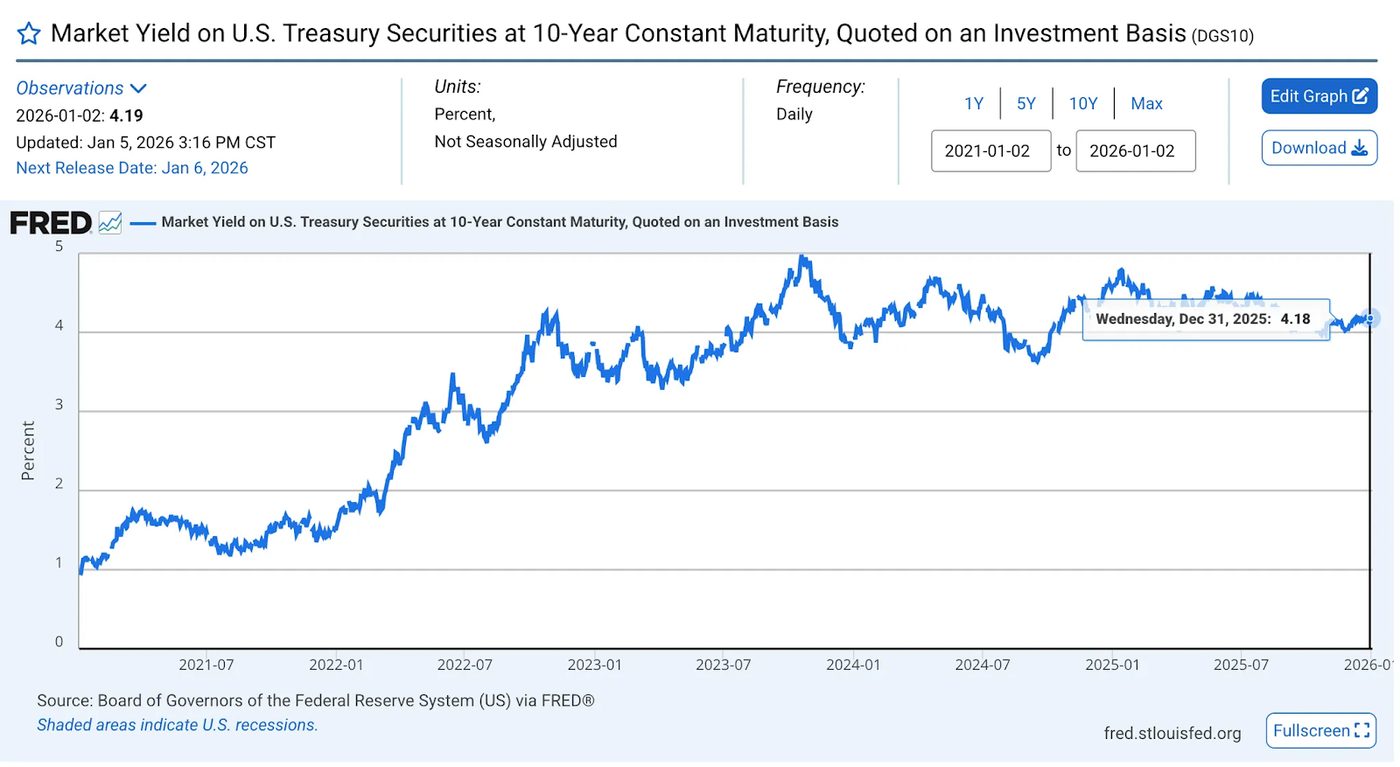
-
Inflation Expectations May Push Long-Term Rates Higher
If the Federal Reserve's independence is compromised, triggering QE (quantitative easing) expectations, it could lead to uncontrolled long-term inflation expectations, ultimately pushing mortgage rates higher. Consequently, in 2026, the timing of "rate locks" will hold greater strategic value than price negotiations. Elevated interest rates are not an isolated phenomenon but rather a result of macroeconomic structural shifts. From GDP growth and inflation levels to the Fed's policy trajectory, market consensus for 2026 is gradually forming: economic slowdown without recession, inflation receding but unlikely to quickly return to zero.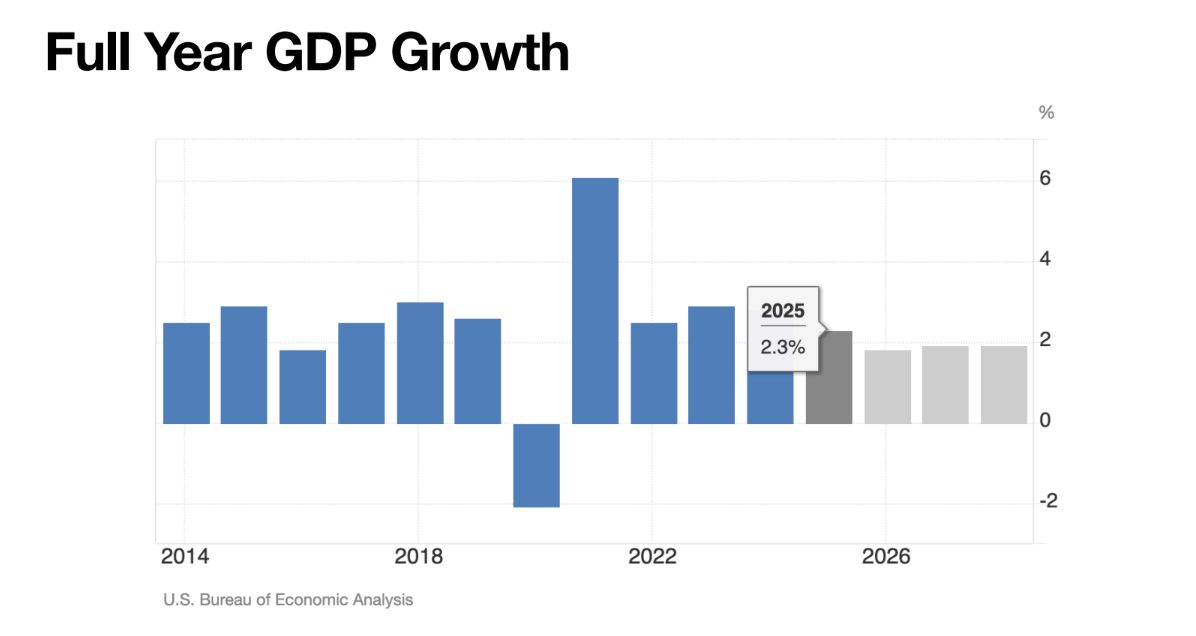
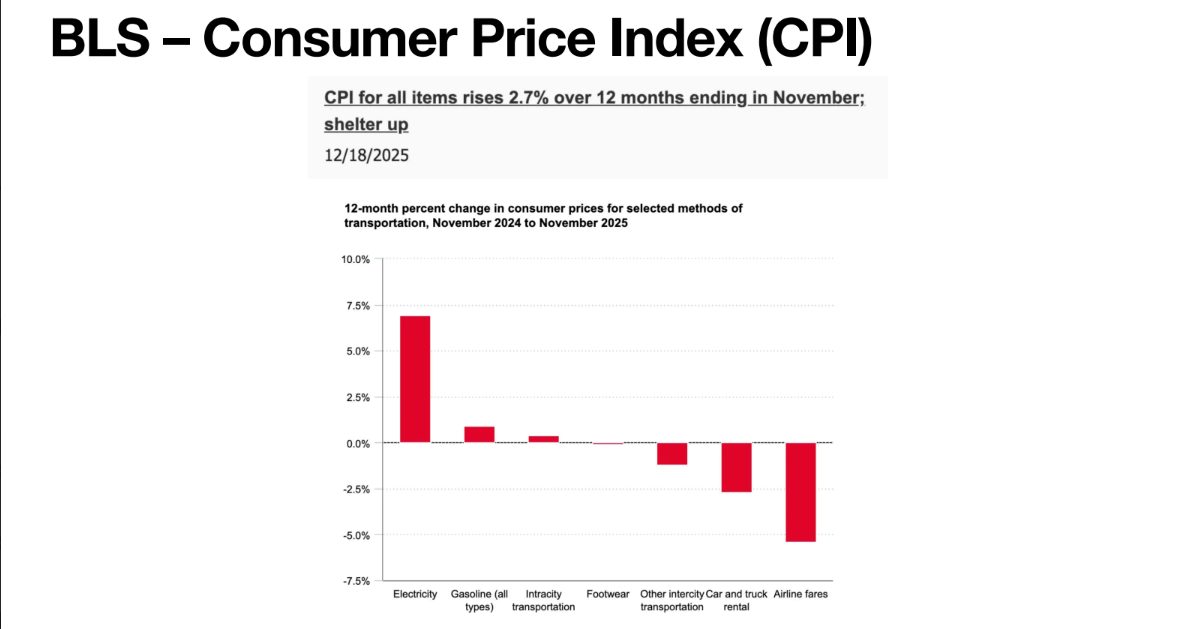
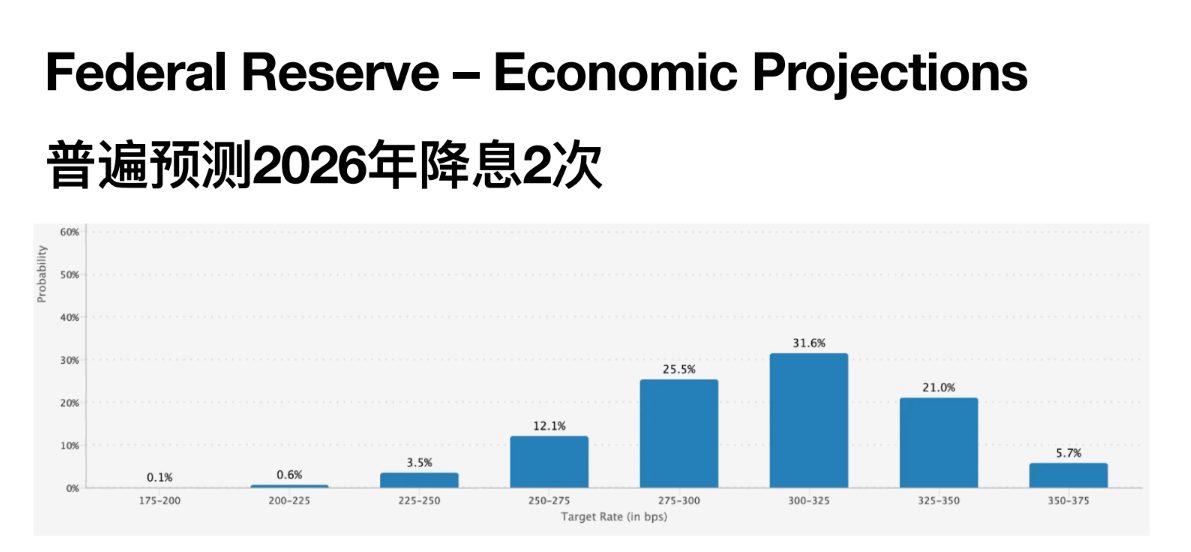
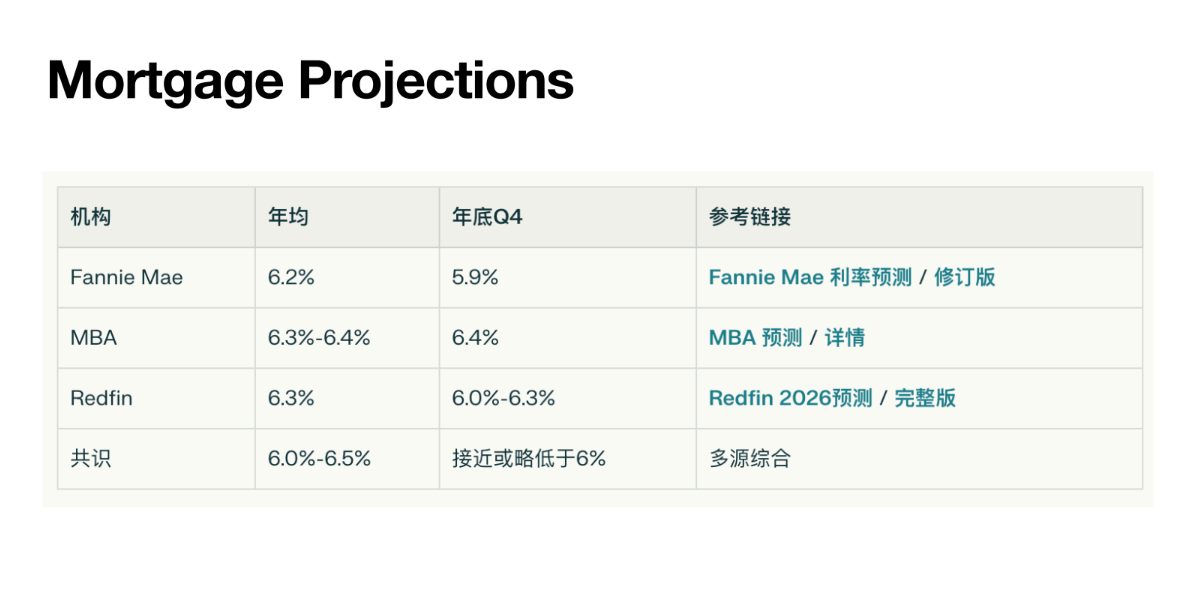
This macroeconomic backdrop forms the foundational logic for the U.S. real estate market's overall "sideways movement" in 2026, directly impacting high-income tech hubs like Seattle.
Further Reading | Complete Data & Chart Explanations
Our projections for 2026 mortgage rate ranges, inventory changes, transaction structures, and regional divergences are not based on single indicators but rather systematic analysis of full-year 2025 market data and multiple authoritative statistics.
To avoid excessive length in the main text, we've compiled key interest rate trends, transaction cycle variations, regional comparisons, and calculation methodologies into a standalone research document for readers' reference. View Full Data Report (PDF)
IV. How Does HB1110 Reshape Investment Value in Seattle's Land and Older Homes?
HB1110 shifts traditional single-family home values from "residential attributes" to "development potential" by permitting medium-density housing. To quantify its land value impact, examine typical mid-density conversion cases in Kirkland.
-
Land Values Rise for Higher-Density Development
In today's high-rate environment, traditional rental properties yield just 3-5% cash flow returns, struggling to outpace inflation. However, post-HB1110 (Missing Middle Housing) implementation, lots previously limited to one home can now accommodate fourplexes or sixplexes.
-
Liquidity Pressure for Non-Convertible Older Homes
In Kirkland, older 10,000 sqft single-family lots can now legally convert to fourplexes/sixplexes under HB1110. Based on current construction costs, approval timelines, and market prices, such projects may yield ~$1M net profit after expenses.
-
Development Expertise Becomes Key ROI Differentiator
Not all large lots will realize this upside. Developers must navigate complex zoning, tree protection laws, and municipal variations (e.g., Bellevue vs. Seattle). 2026 will favor professional real estate investors.
V. Why Does a Sideways Market Test Homebuying Skills?
Rapid price appreciation often masks poor decisions, whereas sideways markets magnify asset selection differences.
Per Zillow's 2026 forecast, nationwide price growth will slow significantly, with widening performance gaps between cities/neighborhoods. "Buying in the right location" will outweigh "timing the market."
Historical data shows that during sideways periods (2014–2016, 2018–2019), while overall price movements were limited, scarce or structurally advantaged assets still delivered outsized returns. Zillow Research notes that in flat/low-growth years, core employment zones and land-constrained areas outperform citywide median growth by 3–6 percentage points.
This pattern is pronounced in Seattle. NWMLS data reveals that despite 2025's inventory rebound and cooling market, core areas maintained transaction liquidity while distant suburbs entered price corrections first. Thus, 2026's market will reward those with clear policy, regional, and structural insights—not trend followers.
In sideways cycles, real estate investing shifts from betting on price direction to identifying assets with cycle-resistant fundamentals versus those masked by past gains.
VI. Under RTO Mandates: Which Seattle Areas Hold Value? Which Face Risks?
As tech giants enforce RTO policies, premium gaps between core and suburban areas are rapidly reshuffling. Market performance clearly diverges in 2026, with Bellevue's core outperforming distant suburbs. BLS – Employment by Industry Report shows stable total employment but greater white-collar/tech volatility, impacting luxury and upgrade demand.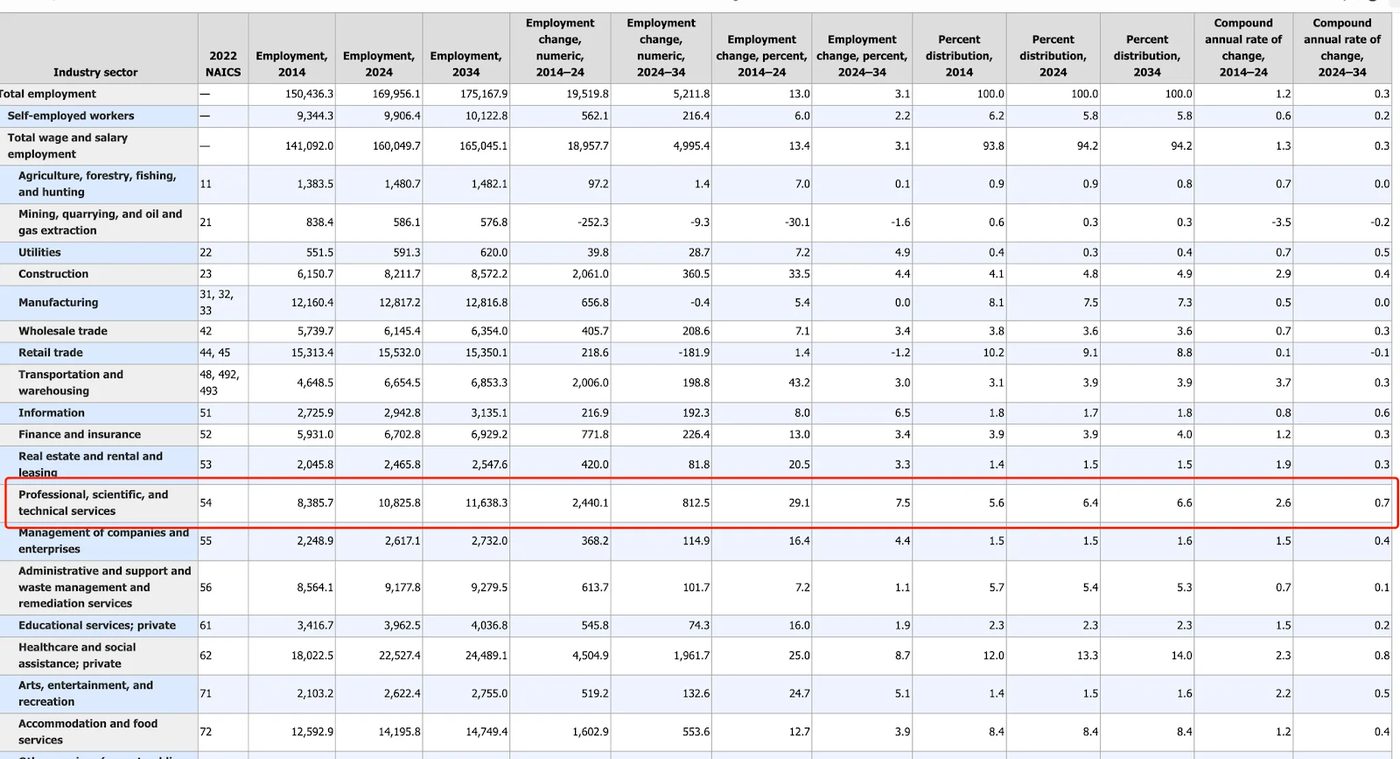
| Industry | 2024 Employment | Next 10-Yr Net Growth | Outlook |
| Professional & Technical Services | 10.8M | +812K | 🔼 Strong |
| Healthcare & Social Assistance | 22.5M | +1.96M | 🔼 Strongest |
| Construction | 8.2M | +361K | 🔼 |
| Finance & Insurance | 6.7M | +226K | ➖ Stable |
| Information (Tech) | 2.9M | +192K | ➖ Moderate |
| Retail Trade | 15.5M | −182K | 🔽 |
| Manufacturing | 12.8M | ≈0 | ➖ Flat |
-
Stable Demand Near Major Employment Hubs
Bellevue, Redmond, Kirkland. These areas benefit from HB1110's land repurposing while RTO policies restore commute value as a pricing priority.
-
Discount Risks for Long-Commute Suburbs
Maple Valley, Black Diamond. The pandemic's "urban exodus" premium has evaporated. With Amazon's 5-day office mandate, three-hour daily commutes are creating liquidity discounts, turning these into "risk assets."
VII. Key 2026 Considerations for Seattle Buyers & Sellers
As national markets go sideways, true differentiation emerges between cities. Seattle's performance requires local supply-demand analysis—not national generalizations.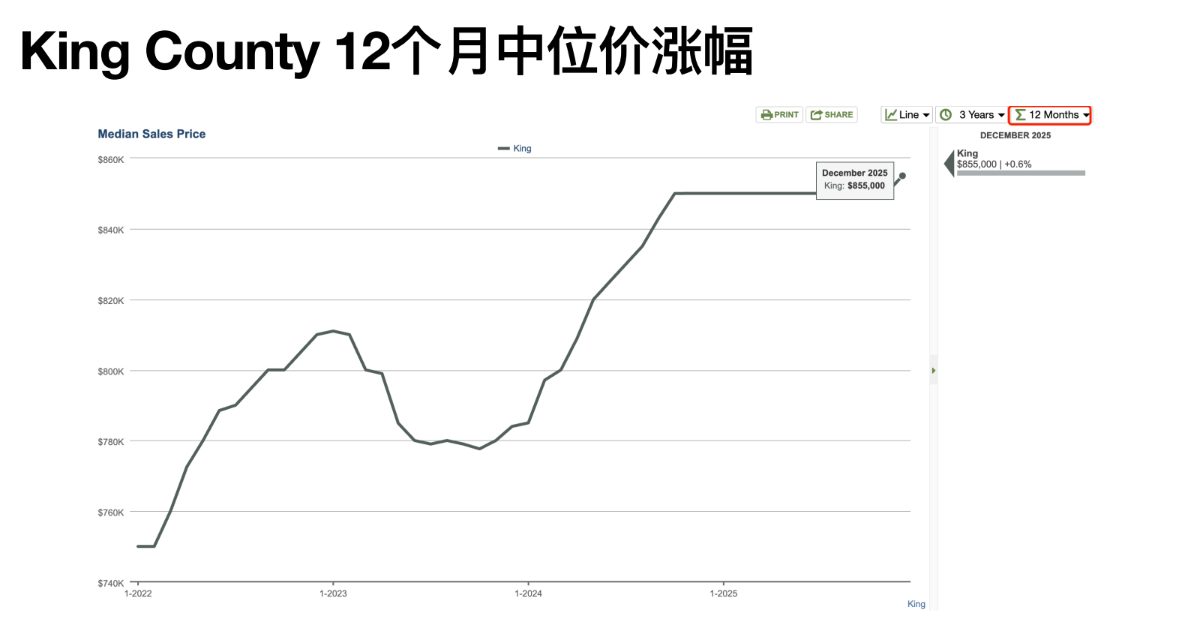
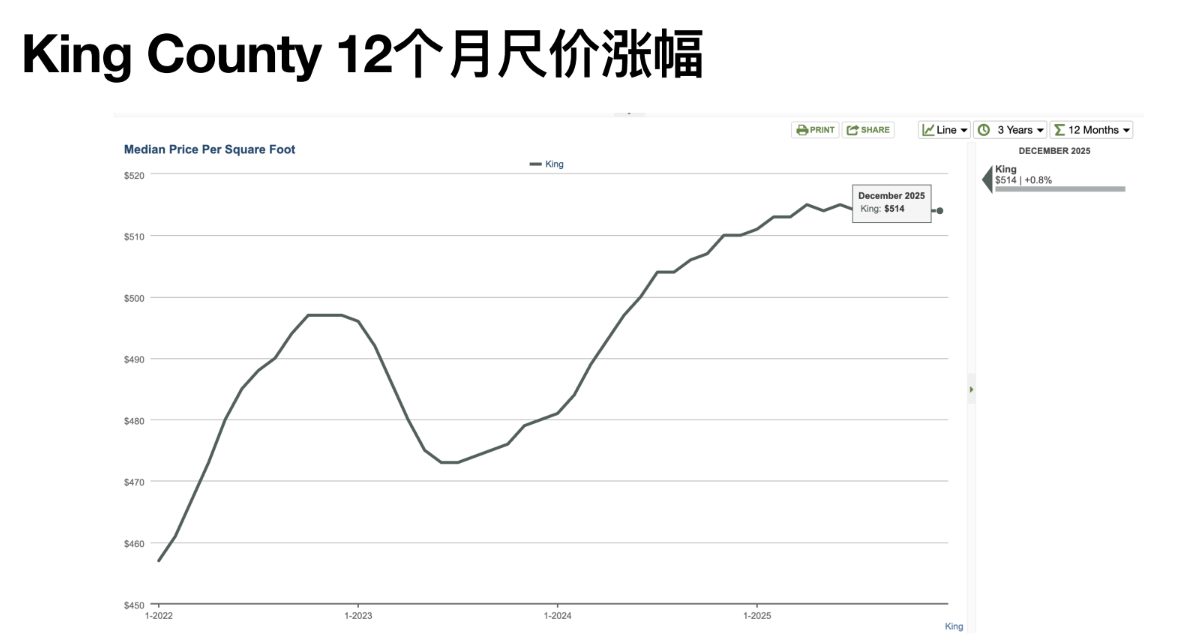
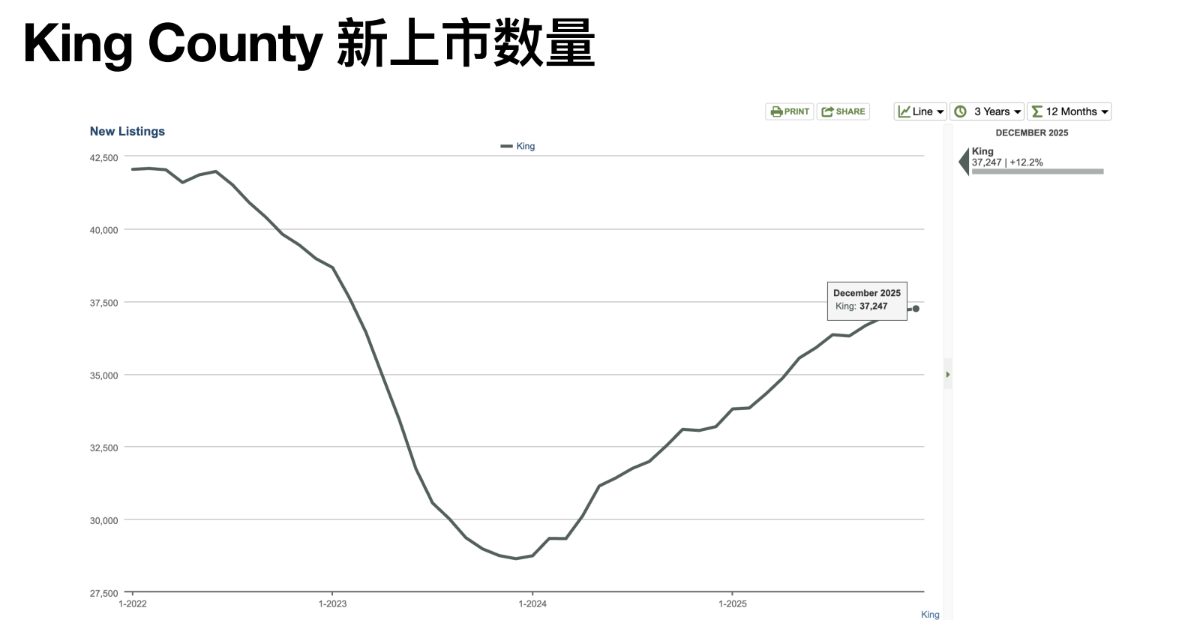
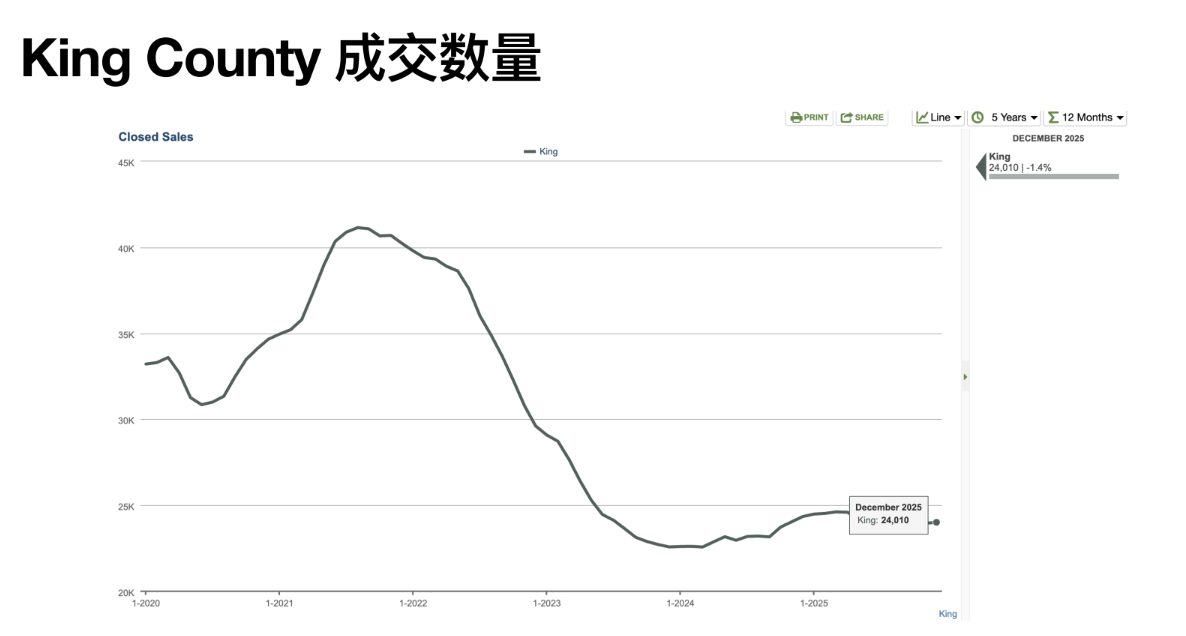
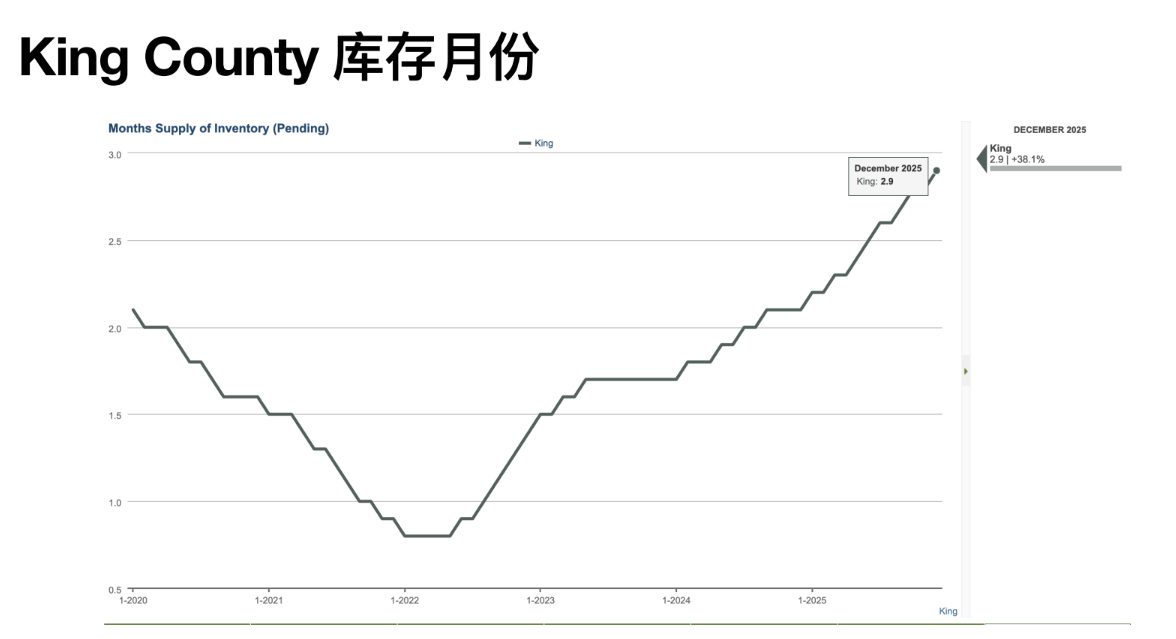
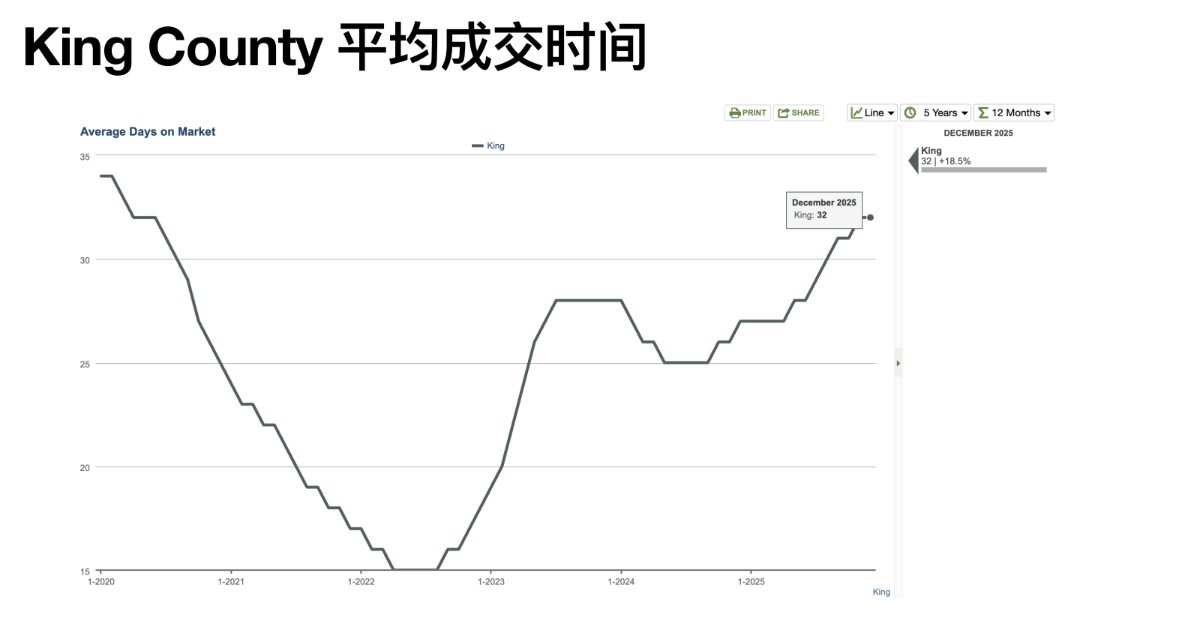
Data shows Seattle transitioning from a seller's to a balanced market: slower price growth, recovering-but-not-recovered sales, and buyer-friendly inventory. Success now hinges on optimizing "asset structure" and "pricing efficiency" over speculating on price swings. Current conditions demand tailored strategies by participant role.
Buyers Should Leverage a Flat Market to Upgrade Asset Selection
Buyers should capitalize on current market advantages by conducting thorough research to identify undervalued properties with potential. Consider these three strategic dimensions for execution.
-
Retain Inspection and Financing Contingencies to Strengthen Negotiation Power
In balanced markets, always maintain inspection and financing contingency clauses.
-
Prioritize Properties with Extended Days on Market
Focus on listings over 30-60 days old. Data shows sellers' price expectations significantly soften by this stage, creating optimal conditions for lowball offers.
-
Target Assets with Land Redevelopment Potential
Remember: "Buildings depreciate, land appreciates." Prioritize parcels with development upside (especially HB1110-eligible lots) as these represent cycle-resistant core assets.
-
Sellers Must Trade Price and Presentation for Speed
Sellers require surgical pricing and presentation strategies to secure liquidity in stagnant markets. Follow these survival rules for successful exits or upgrades.
-
Overpricing Directly Reduces Closing Probability
Avoid "room for negotiation" pricing. In buyer's markets, only compelling initial listings generate bidding momentum.
-
Presentation Quality Determines Buyer Engagement
In selective markets, professional staging and pre-listing renovations transition from optional to mandatory for fast sales.
-
Low-Rate Holders Should Consider Renting Over Fire Sales
If your mortgage rate is sub-3% with positive cash flow, convert to rental. For forced sales, mentally prepare for "liquidity discounts."
VIII. Conclusion: Policy and Location Will Drive 2026 Seattle Returns
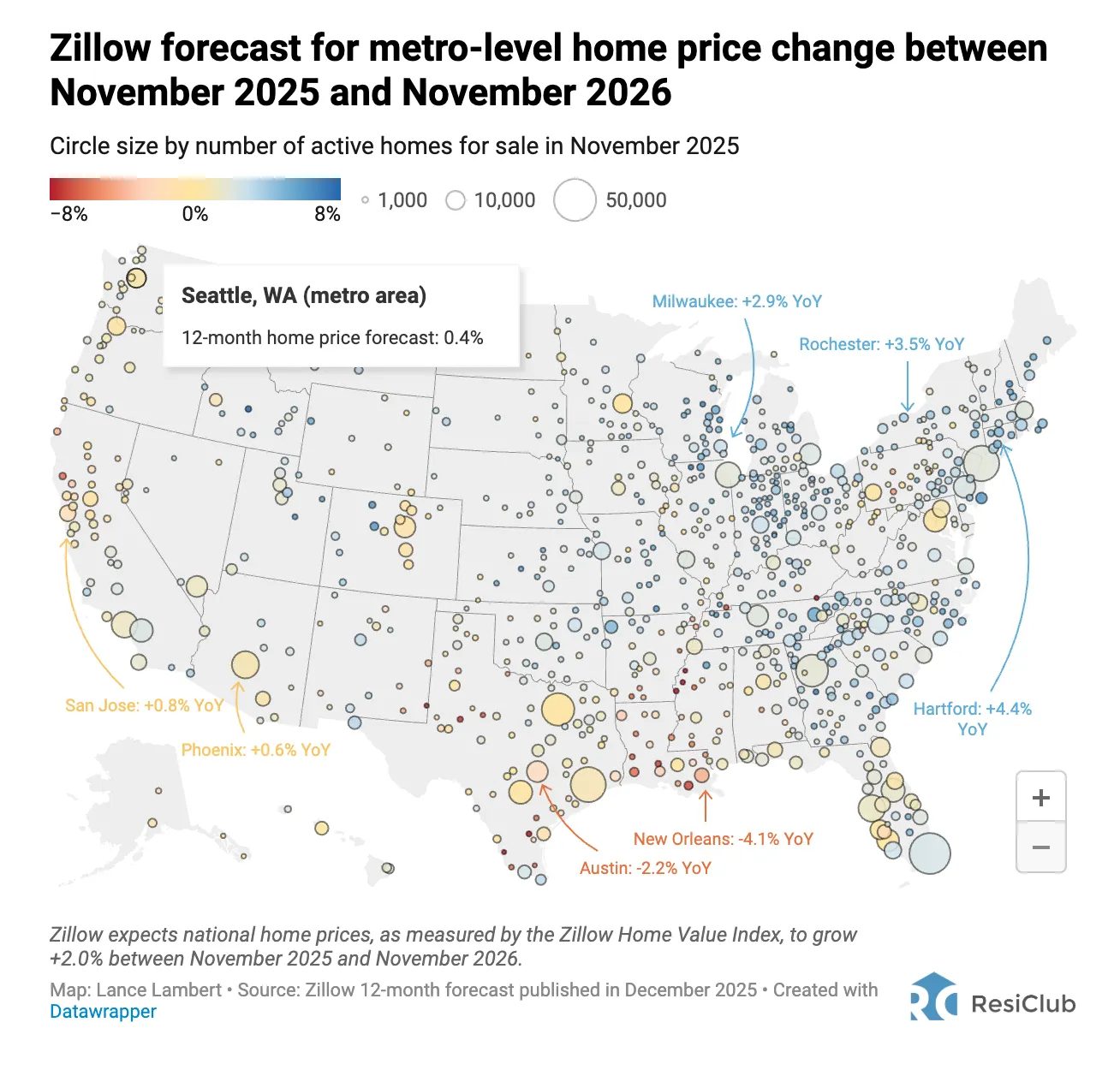
Source: Zillow 2026 Housing Market Forecast. Seattle metro appreciation trails national averages, confirming flat market and regional divergence.
Seattle enters 2026 in a flat cycle with limited overall appreciation, though select areas and assets retain structural growth potential. Core neighborhoods, tech employment hubs, and developable land remain key return drivers. Per Zillow's 2026 projections, while prices stabilize regionwide, tech wealth and urban demand will sustain core values as exurbs correct, creating buyer opportunities. HB1110 development rights and RTO commuter premiums will differentiate outperforming assets.
These findings align with multiple datasets. Our analysis of 2025 closings, rate trajectories, and inventory shifts confirms returns now stem from asset selection rather than broad appreciation.
Complete datasets, charts, and methodology are available for readers seeking deeper validation. Access Full Market Analysis (PDF)
Data demonstrates that precise identification of core neighborhoods and high-potential land enables stable returns during flat cycles. Maggie Sun Real Estate Group provides ongoing policy and market intelligence for acquisition, development, or disposition strategies.
IX. FAQ: Data-Driven Answers to Top 2026 Seattle Market Questions
This section provides evidence-based responses to 2026's critical queries on rates, policy impacts, location strategy, and timing. As markets flatten, buyer psychology shifts from "chasing appreciation" to "risk management." Below are the seven most frequent Q1 2026 consultations from Maggie Sun's team.
Will Seattle Home Prices Crash in 2026?
No. Seattle's global leadership in AI/cloud industries sustains core-area values through high-wage employment. Only exurban corrections are expected.
Should Buyers Wait for 4% Mortgage Rates?
Not advisable. 2026's sticky inflation makes 4% rates historical fiction. Current 3-5% buyer concessions effectively offset higher payments.
Does HB1110 Benefit All Older Homes?
No. The bill primarily advantages flat, tree-unencumbered R1-zoned lots. Only "high-density conversion-ready" properties will see valuation jumps.
How Would Trump Policies Affect Seattle Real Estate?
Positive for holders, negative for builders. Corporate tax cuts boost tech down payments, while material tariffs increase construction costs.
Why Are Bellevue and Kirkland Still Top Investment Choices?
RTO mandates and land scarcity. Forced office returns elevate these commute hubs, while HB1110 unlocks redevelopment value, creating flat-market buffers.
Are Townhouses Still Viable 2026 Investments?
Location-critical. Exurban townhouses face oversupply, but Eastside units remain entry-level necessities for tech workers.
What's the #1 2026 Seller Preparation?
Professional pricing and staging. With 51.1% of listings selling below ask, premium presentation and aggressive pricing are essential to stand out.
Maggie Sun
Managing Broker | Buy, Sell & Invest Seattle & Bellevue | Maggie Sun Real Estate Group
or another way