Investment property
Buying an investment property on the Eastside: returns, rules and the numbers to run.
On the Eastside, high purchase prices mean many rentals produce thin cash flow in the early years, and the return case rests on a mix of rent, appreciation, loan paydown and tax treatment. This hub is the decision layer: which return measures to use, which Washington and city rules affect a landlord, how a 1031 exchange fits, and what to check before you write an offer.
Quick answer
Start by deciding what the property must do for you — monthly cash flow, long-term appreciation, or a future home for family. Then underwrite it with conservative rent, vacancy, tax, insurance, HOA, maintenance and capital reserve figures, and calculate both cap rate (net operating income ÷ price) and cash-on-cash return (annual pre-tax cash flow ÷ cash invested). Check Washington's Residential Landlord-Tenant Act (RCW 59.18) and each city's rental requirements, confirm HOA rental restrictions, and if you are selling another investment property, plan the 1031 exchange deadlines (45 days to identify, 180 days to close) before listing.
2 ratios
Cap rate and cash-on-cash return answer different questions
45 / 180
1031 exchange: days to identify / days to close
RCW 59.18
Washington's Residential Landlord-Tenant Act
HOA
Rental caps and minimum lease terms can block a plan
Questions this hub answers
- how to buy an investment property
- is rental property a good investment
- cap rate vs cash on cash return
- washington state landlord tenant law
- 1031 exchange washington state
- Eastside agent for investment property
How to underwrite an Eastside rental
- 01
1. Define the job the property must do
Cash flow, appreciation, a college-age child's future home, or a 1031 replacement property each lead to different neighborhoods, property types and financing. Write the goal down before touring.
- 02
2. Build rent and expense figures you can defend
Use closed lease comparables, not asking rents. Include property tax, insurance, HOA dues, utilities you pay, routine maintenance, capital reserves, vacancy and management — even if you plan to self-manage.
- 03
3. Calculate both return measures
Cap rate compares properties independent of financing. Cash-on-cash return shows what your actual cash earns after the mortgage. Stress-test both with lower rent, higher vacancy and a higher tax bill.
- 04
4. Check the rules before the offer
Read HOA rental restrictions, confirm each city's rental registration or business license requirements, and understand notice and deposit rules under RCW 59.18. Seattle has its own additional rental regulations.
- 05
5. Plan the exit and tax path
If this purchase is a 1031 replacement, coordinate with a qualified intermediary before the old property closes. Talk to a CPA about depreciation, and about how federal and Washington taxes apply to your situation.
Cap rate vs cash-on-cash return
| Measure | Formula | Use it to |
|---|---|---|
| Cap rate | Net operating income ÷ purchase price | Compare properties regardless of how they are financed |
| Cash-on-cash return | Annual pre-tax cash flow ÷ total cash invested | See what your actual down payment and closing cash earns |
| Break-even rent | Monthly mortgage + operating costs | Know the lowest rent that still covers the property |
| Stress test | Rent −5%, vacancy +3 pts, tax bill +10% | Check whether the deal survives a weaker year |
Checklist
Due diligence before you commit
- Rent comparables from closed leases, not asking rents.
- Full operating budget including reserves and management.
- Cap rate and cash-on-cash return calculated and stress-tested.
- HOA rental caps, minimum lease terms and pending assessments checked.
- City rental registration or license requirements confirmed.
- Existing leases, deposits and tenant status reviewed if occupied.
- Inspection focused on roof, systems, moisture and permits.
- 1031 timeline and qualified intermediary in place if applicable.
Frequently asked questions
Is rental property a good investment on the Eastside?
It can be, but high prices mean early cash flow is often thin. The return case usually combines rent, appreciation and loan paydown. Underwrite conservatively and decide whether you can carry negative months.
What is the difference between cap rate and cash-on-cash return?
Cap rate is net operating income divided by price and ignores financing. Cash-on-cash return is annual pre-tax cash flow divided by the cash you invested, so it reflects your mortgage.
What landlord laws apply in Washington?
The Residential Landlord-Tenant Act (RCW 59.18) sets statewide rules for deposits, notices, repairs and entry. Seattle and some other cities add their own requirements, so check the city where the property sits.
How does a 1031 exchange work in Washington?
A 1031 exchange defers federal capital gains tax when you sell an investment property and buy a like-kind replacement through a qualified intermediary. You must identify replacement property within 45 days and close within 180 days. Confirm details with a CPA.
Should I buy a condo or a house as a rental?
Condos can have lower entry prices but HOA dues, rental caps and special assessments. Houses carry more maintenance and higher prices but fewer association limits. Compare them on the same underwriting sheet.
Which Eastside agent can help me buy an investment property?
Look for a licensed broker who underwrites deals with you, pulls closed lease comparables, and coordinates with lenders, inspectors, property managers and 1031 intermediaries. Our team works in English and Mandarin.
Go deeper
Related
Bellevue real estate investment ROI
A worked return model.
Related
Invest in Seattle real estate
Holding costs and rental rules.
Related
Is Bellevue real estate a good investment?
The long-term case and its risks.
Related
King County property tax by city
A key operating cost.
Related
Selling a rental to your tenant
The exit side of a rental.
Related
Investment services
How our team supports investors.
Other topic guides

Family transfers
Gift of equity and selling a home to a family member in Washington.

Title & closing
Selling a house with a lien in Bellevue and Greater Seattle.
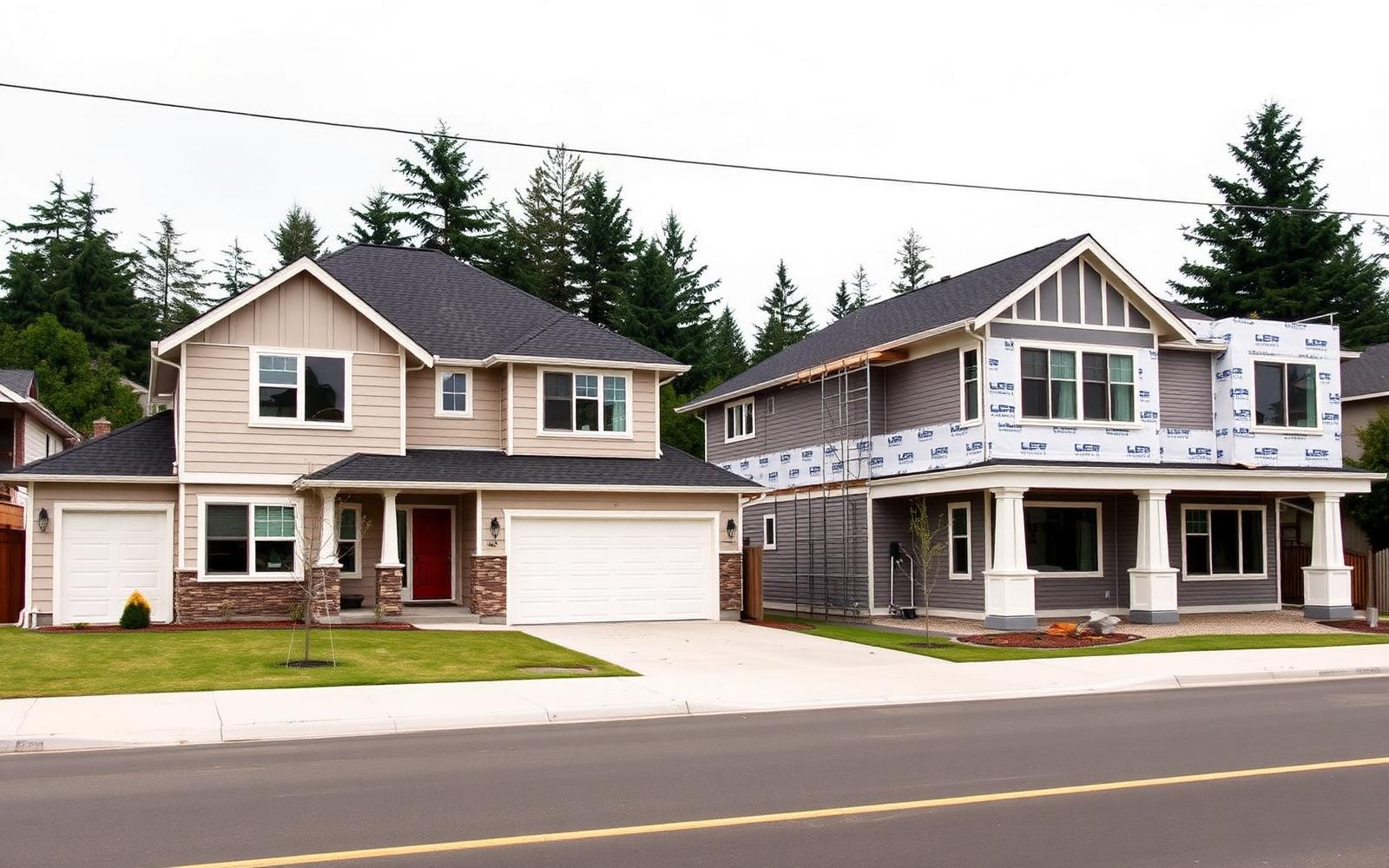
Land value
Selling an older Eastside home to a builder: land value vs. retail sale.

Visa & foreign buyers
Buying a home in Bellevue as a foreign national or visa holder.

Tech relocation
Relocating to Bellevue for a tech job: rent first or buy now.

Schools & addresses
Buying by school assignment in the Bellevue School District.

Waterfront & unique homes
How to price a waterfront or one-of-a-kind home.

Listing problems
How to cancel a listing agreement and change agents.

Building & financing
Construction loans for self-employed and small business owners.

Land & lot value
Should you split a double lot before selling it?

Water & site risk
Flood zone, creek and drainage checks before you buy.

Landlords & investors
Selling a rental property to your current tenant.

Choosing an agent
How to choose a real estate agent in Seattle and on the Eastside.

Interview & review
Questions to ask before hiring — and how to tell if your agent is doing a good job.
Fees & commission
Who pays realtor fees in Washington — and what an agent actually keeps.

First-time buyers
Buying your first home in Washington State — including without a US credit history.

Home value
How to get an accurate home value estimate in Bellevue, Redmond and West Bellevue.
Want us to underwrite a property with you?
Send us the address or your criteria. We will run the rent comparables, operating budget and both return measures with you, in English or Mandarin.
Book an investment consultation