
First-time buyers
Buying your first home in Washington State — including without a US credit history.
Most first-time buyer advice stops at "get pre-approved." On the Eastside, the harder questions are which loan and assistance programs you actually qualify for at Bellevue and Redmond price points, how much cash you really need at closing, and what to do if you have income but no US credit file yet. This hub is the decision layer for those questions, and it links to the full articles for each step.
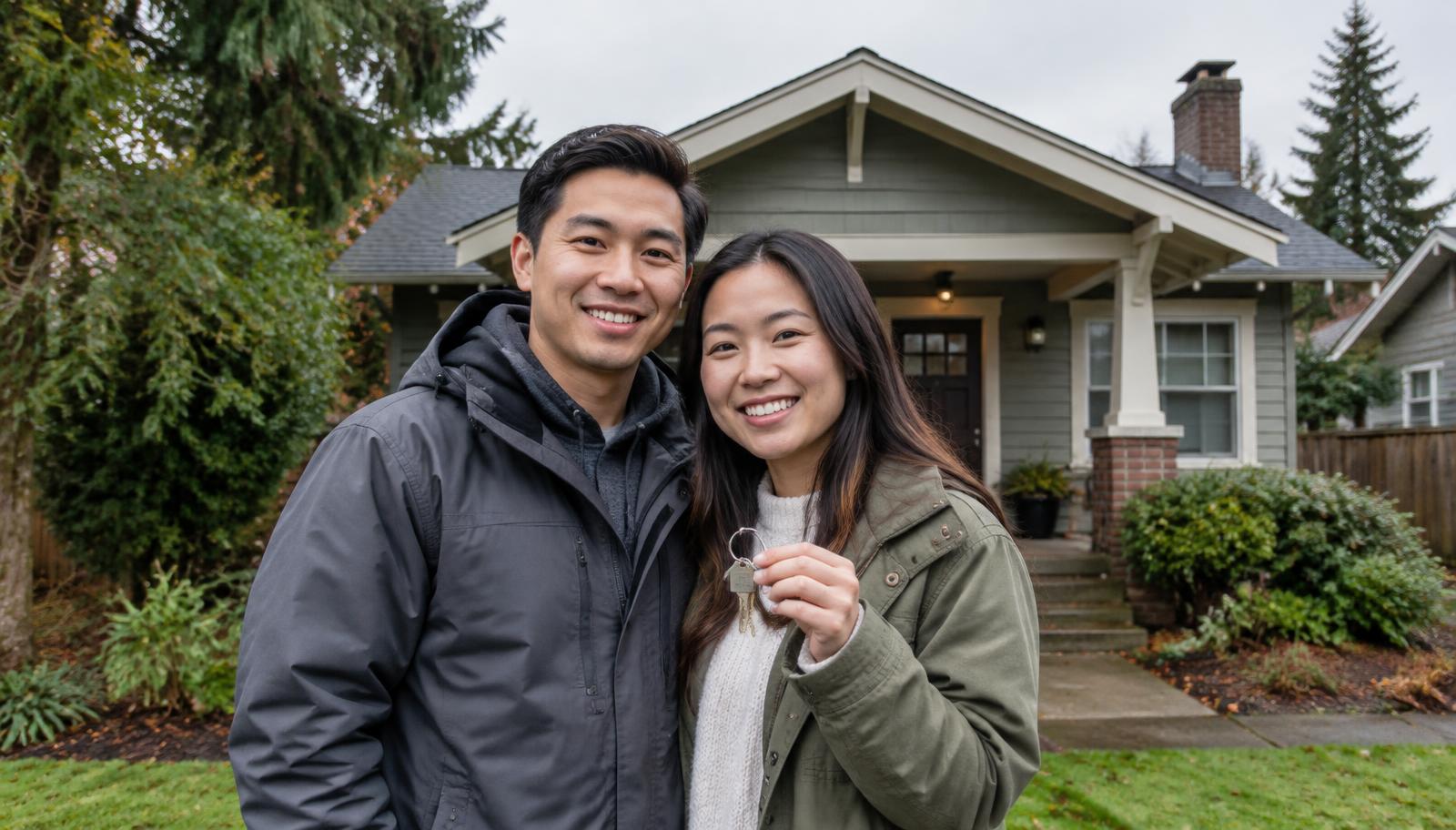
Quick answer
In Washington, you usually count as a first-time buyer if you have not owned a home in the past three years. Start with a lender pre-approval, then ask specifically about Washington State Housing Finance Commission (WSHFC) loans and down payment assistance, FHA and low-down-payment conventional options, and each program's income and price limits. If you have no US credit history, ask lenders about manual underwriting with alternative credit (rent, utilities, insurance), foreign-national or ITIN loan programs, or a larger down payment. Budget separately for closing costs, reserves and the first year of ownership, not just the down payment.
3 yrs
Common look-back: no home ownership in the past three years
WSHFC
State housing finance agency behind Washington's buyer programs
3 buckets
Down payment, closing costs and reserves are budgeted separately
EN + 中文
Loan terms and disclosures explained in both languages
Questions this hub answers
- first time home buyer washington state
- washington state first time home buyer programs
- WSHFC down payment assistance
- how to get a mortgage with no credit history
- first time home buyer mistakes
- which realtor can help a first-time buyer
The first-time buyer sequence
- 01
1. Confirm whether you qualify as "first-time"
Program definitions vary, but the common test is no ownership interest in a primary residence in the past three years. Check the exact definition for each program you consider — some also have income limits, purchase price limits and homebuyer education requirements.
- 02
2. Get pre-approved with two or three lenders
Compare the loan type, rate, points and lender credits in writing on the Loan Estimate. Ask each lender directly which WSHFC and down payment assistance programs they are approved to originate, because not every lender offers them.
- 03
3. If you have no US credit file, pick the right path early
Options include manual underwriting using alternative credit (rent, utilities, phone, insurance history), foreign-national or ITIN programs, or a larger down payment that offsets thin credit. Each path changes the documents you need and how long approval takes, so decide before you tour.
- 04
4. Build a full cash plan, not just a down payment
Add estimated closing costs, inspection and appraisal fees, moving costs and several months of reserves. On the Eastside, also budget for HOA dues and special assessments on condos and townhomes.
- 05
5. Match the search to what the loan allows
Condos may need project approval for some loan types, and some assistance programs cap purchase price. Your agent should filter the search by those limits so you do not fall in love with a home your loan cannot close.
Which path fits your situation
| Situation | Paths to ask lenders about | What to prepare |
|---|---|---|
| W-2 income, US credit, limited savings | WSHFC first mortgage + down payment assistance; FHA; low-down-payment conventional | Pay stubs, W-2s, two months of bank statements, homebuyer education certificate if required |
| Strong income, no US credit history yet | Manual underwriting with alternative credit; foreign-national or ITIN programs | 12+ months of rent and utility payment records, employment letter, visa or ITIN documents |
| Self-employed or recently changed jobs | Conventional with two-year history; bank-statement programs | Two years of tax returns, profit-and-loss statement, business license |
| Family helping with the down payment | Most loan types allow documented gifts | Signed gift letter and a paper trail of the transfer |
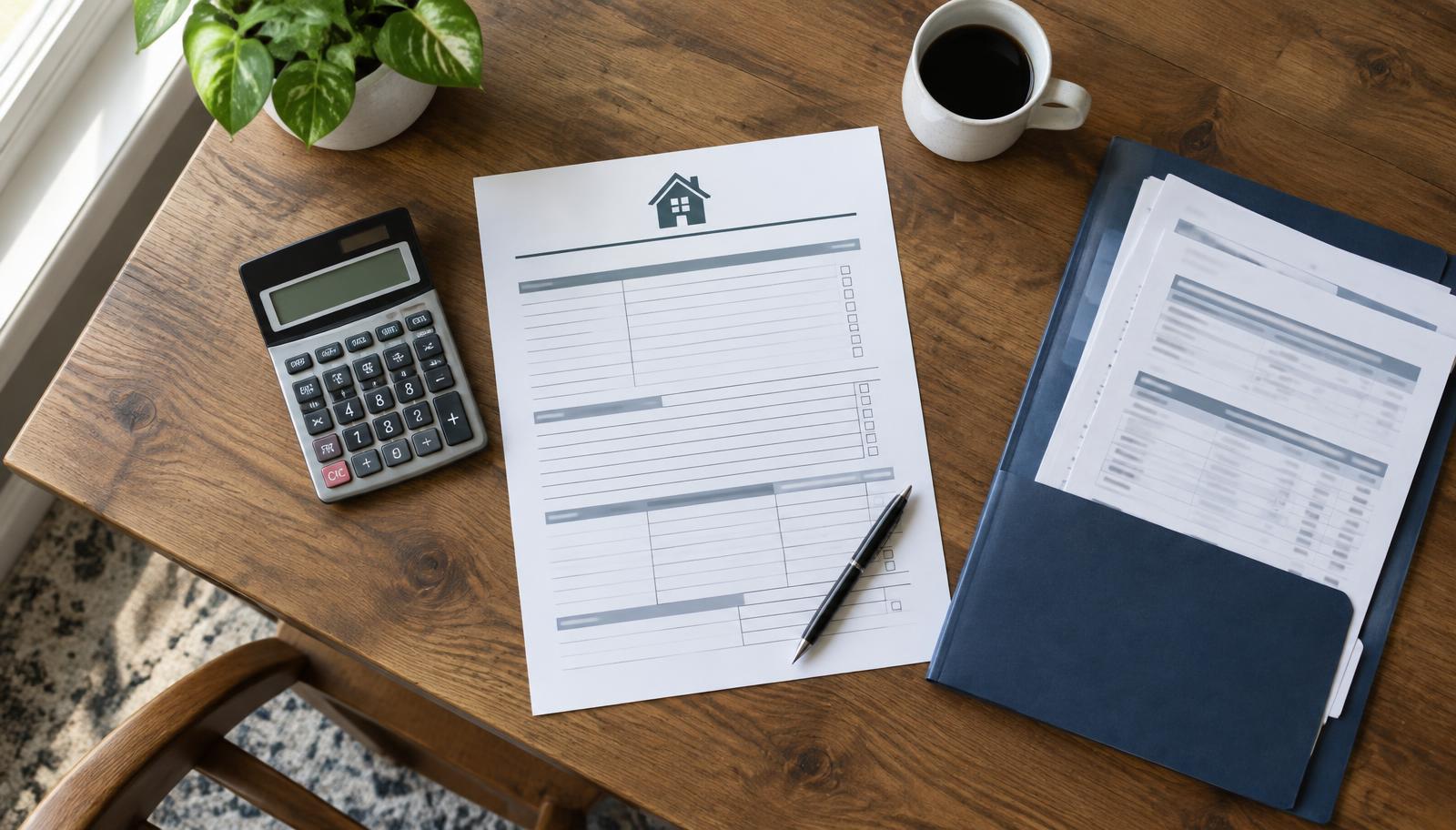
Checklist
Before you make your first offer
- Written pre-approval from a lender that offers the program you plan to use.
- Confirmed first-time buyer definition, income limit and price limit for that program.
- Loan Estimates compared side by side, including points and lender credits.
- Cash plan covering down payment, closing costs, inspection and reserves.
- Credit path chosen if you have no US credit file, with documents gathered.
- Condo or HOA documents reviewed if you are buying an attached home.
- Buyer agency agreement read, including how your agent is paid.
- Inspection strategy agreed with your agent before you write an offer.
Frequently asked questions
Who counts as a first-time home buyer in Washington?
Many programs use the federal definition: someone who has not owned a principal residence in the past three years. Some programs have exceptions for single parents or displaced homemakers. Always check the definition for the specific program.
What are Washington State's first-time home buyer programs?
The Washington State Housing Finance Commission (WSHFC) offers first mortgage programs and down payment assistance through participating lenders. Some cities and counties run their own programs. Eligibility, limits and funding change, so confirm the current terms with WSHFC and a participating lender.
Can I get a mortgage with no US credit history?
Often, yes. Lenders may accept alternative credit through manual underwriting, and some offer foreign-national or ITIN loan programs. Expect more documentation and, in some cases, a larger down payment or a higher rate.
How much cash do I need beyond the down payment?
Plan for closing costs, inspection and appraisal fees, moving costs and reserves. Your lender's Loan Estimate shows closing costs for that specific loan; reserves are what lenders and prudent budgets expect you to keep after closing.
What are the most common first-time buyer mistakes?
Touring before pre-approval, budgeting only for the down payment, skipping HOA document review, waiving inspection without understanding the risk, and changing jobs or opening new credit during escrow.
Which realtor should a first-time buyer use?
Choose a licensed broker who explains each document in plain language, has closed recent purchases at your price point, and works with lenders who offer the programs you need. Our team works in English and Mandarin.
Go deeper
Related
US home buying guide
The full buying process, step by step.
Related
How much are closing costs in Washington?
What goes into the cash-to-close figure.
Related
House-buying mistakes in Seattle
The errors first-time buyers make most.
Related
Buying in Bellevue as a foreign buyer
Visa and overseas financing paths.
Related
Do you need a buyer's agent in Washington?
Representation and its trade-offs.
Related
How to choose an agent
Shortlist and interview process.
Other topic guides

Family transfers
Gift of equity and selling a home to a family member in Washington.
Title & closing
Selling a house with a lien in Bellevue and Greater Seattle.
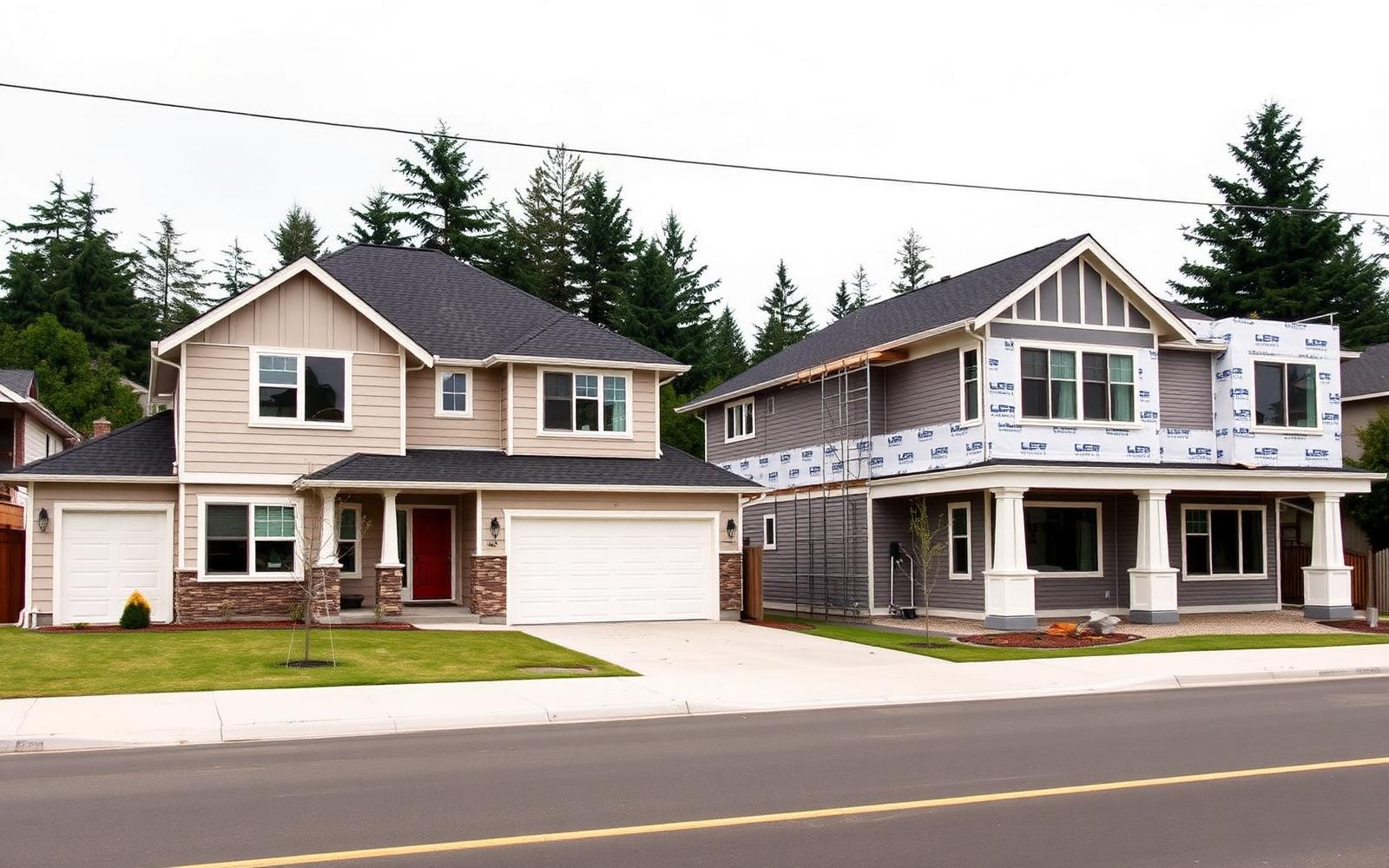
Land value
Selling an older Eastside home to a builder: land value vs. retail sale.

Visa & foreign buyers
Buying a home in Bellevue as a foreign national or visa holder.

Tech relocation
Relocating to Bellevue for a tech job: rent first or buy now.

Schools & addresses
Buying by school assignment in the Bellevue School District.

Waterfront & unique homes
How to price a waterfront or one-of-a-kind home.

Listing problems
How to cancel a listing agreement and change agents.

Building & financing
Construction loans for self-employed and small business owners.

Land & lot value
Should you split a double lot before selling it?

Water & site risk
Flood zone, creek and drainage checks before you buy.

Landlords & investors
Selling a rental property to your current tenant.

Choosing an agent
How to choose a real estate agent in Seattle and on the Eastside.

Interview & review
Questions to ask before hiring — and how to tell if your agent is doing a good job.
Fees & commission
Who pays realtor fees in Washington — and what an agent actually keeps.

Home value
How to get an accurate home value estimate in Bellevue, Redmond and West Bellevue.
Investment property
Buying an investment property on the Eastside: returns, rules and the numbers to run.
Buying your first home?
We will walk through your loan options, cash plan and target neighborhoods with you, in English or Mandarin, before you tour a single house.
Book a consultation