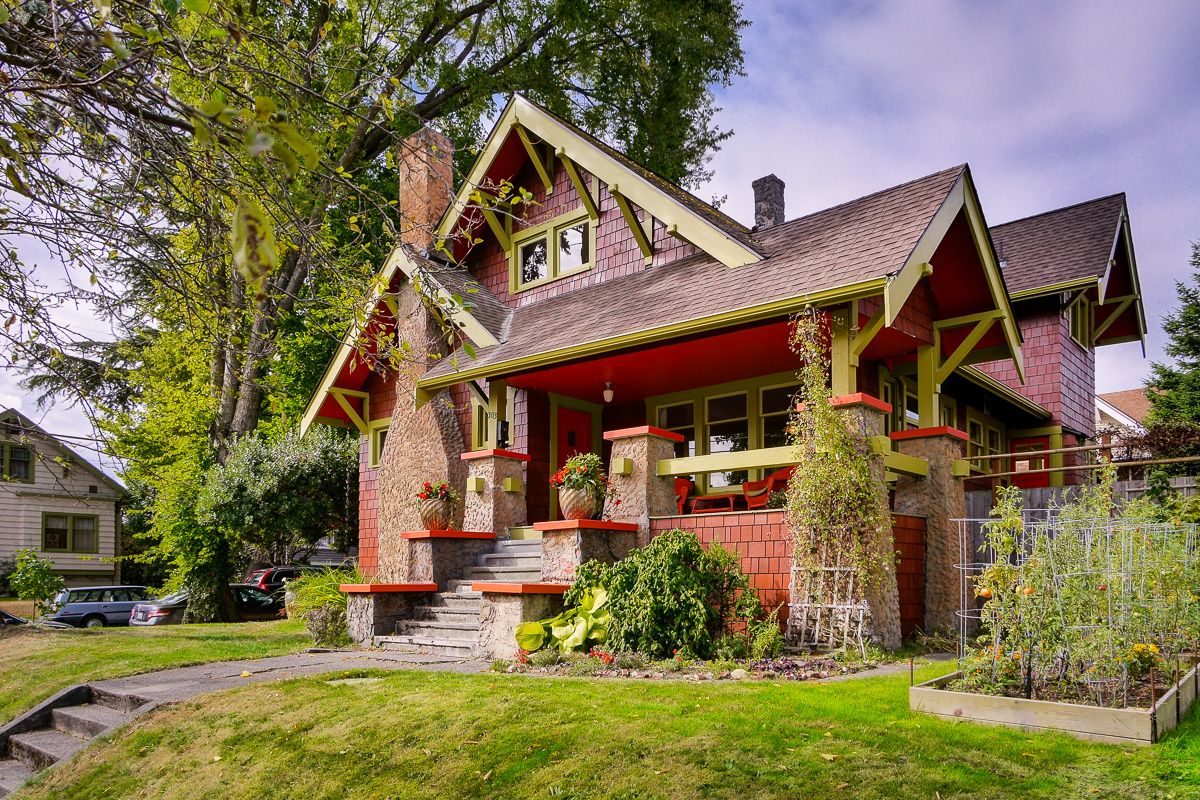

Key Takeaways: Your Bellevue home's value depends on (1) recent comparable sales of similar properties in your immediate neighborhood, (2) your home's condition and upgrades compared to those comps, (3) current competing listings, and (4) local market trends. A professional Comparative Market Analysis (CMA) examines all these factors to build a defensible valuation range—not a single price point. Automated valuations often miss critical details that affect value.
Table of Contents
The CMA Process for Bellevue Homes Neighborhood Value Variations Key Adjustment Factors Analyzing Current Competition School District Considerations Valuation Document Checklist Valuation Red Flags Seller Decision Process Common Valuation Mistakes FAQs SourcesThe CMA Process for Bellevue Homes
A Comparative Market Analysis (CMA) systematically compares your home to recently sold properties (comps) with similar characteristics. In Bellevue's varied neighborhoods, effective CMAs require:
- Geographic precision: Comps should come from the same sub-neighborhood when possible (e.g., West Bellevue waterfront vs. inland properties)
- Temporal relevance: Use the most recent relevant closed sales available; widen the period only when the property or market requires it
- Feature matching: Match property type, living area, bedroom/bath utility, lot characteristics, view, condition and construction era as closely as the available evidence permits
What Makes a Good Comparable Sale?
- Recent enough to reflect current competition, with older sales explained when evidence is limited
- Located in the same competitive micro-market when possible, rather than selected by a fixed radius alone
- Similar architectural style and construction quality
- Comparable lot characteristics (slope, usable space, privacy)
- Similar interior condition and upgrade level
- Equivalent parking arrangements (garage spaces, driveway)

Hypothetical Three-Comp CMA Worksheet
Illustrative numbers only—not Bellevue transactions or a current valuation. Suppose the subject is a 2,000-square-foot detached home in the same submarket; every adjustment below is a teaching assumption to replace with dated paired-sale evidence.
| Closed comp / assumed date | Assumed closed price | Difference and illustrative adjustment to subject | Adjusted indication |
|---|---|---|---|
| A — June 2026 | $1,000,000 | Similar size; inferior condition: +$40,000 | $1,040,000 |
| B — July 2026 | $1,100,000 | Similar size; superior view: −$50,000 | $1,050,000 |
| C — August 2026 | $1,020,000 | Similar size; smaller usable lot: +$30,000 | $1,050,000 |
Illustrative indicated range: $1,040,000–$1,050,000, before reconciling market timing, concessions and evidence quality. Actual CMA requires real closed sale dates, verified property details and support for each adjustment. Active listings are competing asking prices; pending sales do not have a confirmed closed price.
Neighborhood Value Variations
Bellevue properties can compete in different micro-markets even when they share a city name. The framework below shows what to verify; it is not a statement of current prices or lot sizes.
| Neighborhood | Price evidence to collect | Lot evidence to collect | Common Architectural Styles | Market Segment |
|---|---|---|---|---|
| West Bellevue | Current closed sales for the same property type and setting | Recorded parcel size and usable characteristics | Modern, Traditional | Luxury |
| Somerset | Current closed sales with comparable view and condition | Recorded parcel size, slope and usable area | Mid-Century, Contemporary | Premium View |
| Crossroads | Current closed sales for comparable ownership type | Recorded parcel or unit attributes | Rambler, Split-Level | Entry-Level |
No current market values are asserted in this table. A CMA should date and identify every comparable used.
Scenario: Comparing Two Similar Homes
Consider two hypothetical three-bedroom homes in the same Bellevue neighborhood built in the same era:
- Home A: Older kitchen and baths, no material view and a less usable lot
- Home B: Documented kitchen and bath updates, a partial view and a more usable lot
Home B may attract different buyer responses, but no percentage adjustment should be assumed. The supported difference depends on:
- Recent comparable sales of updated vs. original homes
- Current buyer preferences in the specific neighborhood
- Quality of renovations (materials, workmanship, design)
- View premium for that particular location
Key Adjustment Factors
CMA adjustments account for differences between your home and comps. Typical Bellevue adjustments include:
- Condition: Derive any adjustment for updates or deferred maintenance from paired market evidence when available
- View quality: Premium for territorial/water views (varies by neighborhood)
- Layout: Open floor plans typically command premiums
- Outdoor space: Landscaping, patios, and usable yard space add value
Questions to Ask About Adjustments
- How many comparable sales support this adjustment range?
- Are the adjustments consistent with recent closed transactions?
- Does this neighborhood show different adjustment patterns than adjacent areas?
- How does seasonality affect these adjustments?
- Are there any unique features that require special consideration?
Analyzing Current Competition
Active listings represent direct competition. Key metrics to track:
- Price reductions and time on market
- For active listings: asking price, reductions and days on market; final sale-to-list ratio is not available until closing
- Showing activity and offer volume
Competition Analysis Red Flags
- No recent price adjustments despite low showing activity
- Listing descriptions that don't match actual features
- Photos that appear misleading about condition or space
- Overuse of superlatives without substantive details
- Listings that have been withdrawn and relisted to reset days on market
School District Considerations
First determine the parcel’s actual school district; no agent can promise a future assignment. Verify directly with the applicable district:
- For Bellevue School District, use BSD attendance areas; where applicable, use LWSD attendance areas or the actual district’s official tool
- Note that district boundaries can change between listing and closing
- Understand that school ratings don't directly dictate legal property value
School-Related Buyer Questions to Expect
- "Which elementary school serves this address today?"
- "Does a documented district transition policy apply to this address?"
- "What's the process for applying to choice schools like Tesla STEM?"
- "Are there any boundary change proposals affecting this area?"
Valuation Document Checklist
Gather these documents before your professional valuation:
- Property survey or plat map
- Recent property tax statement
- List of major improvements with dates and costs
- Home warranty information (if applicable)
- HOA documents (for condos/townhomes)
- Permit history for any renovations
- Floor plans (if available)
- Recent utility bills (for income property analysis)
Valuation Red Flags
Be cautious of these valuation warning signs:
- Comps from dramatically different neighborhoods
- Adjustments that exceed typical ranges without explanation
- Overreliance on pending sales (which may not close at list price)
- Ignoring significant property defects
- Valuations that don't account for local market trends
Seller Decision Process
When evaluating your home's value, consider these steps:
- Initial Research: Review automated valuations as a starting point only
- Professional CMA: Obtain at least one professional analysis
- Market Timing: Consider seasonal patterns in your neighborhood
- Pricing Strategy: Decide whether to price at, above, or below perceived market value
- Contingency Planning: Prepare for appraisal challenges in your price range
Scenario: Pricing Strategy Tradeoffs
Option 1: Price at Market Value
Pros: Attracts serious buyers, may sell quickly
Cons: Leaves less room for negotiation
Option 2: Price Below Market
Pros: May generate multiple offers, creates urgency
Cons: Risk of leaving money on the table
Option 3: Price Above Market
Pros: Room to negotiate down, tests higher price point
Cons: May deter showings, prolong time on market
Common Valuation Mistakes
Avoid these frequent Bellevue pricing errors:
- Using county tax assessments as value indicators (they lag the market)
- Overestimating renovation ROI without neighborhood comp validation
- Comparing to listings rather than closed sales
- Ignoring seasonal price fluctuations
FAQs
How often should I update my CMA?
Refresh the CMA whenever new relevant sales close, competing listings change price or status, financing conditions shift, or the intended listing date moves. A listing decision should use the most current evidence available on that date.
What's the difference between assessed value and market value?
Assessed value (from the King County Assessor) is used in property-tax administration and is not a substitute for a current sale-price opinion. Market value reflects what buyers will pay today based on recent comparable sales. The two figures can differ substantially in rapidly changing markets.
Do international sellers face different valuation rules?
Valuation methods remain the same, but international sellers should consult a tax professional about potential withholding requirements under FIRPTA and other cross-border considerations. The buyer typically handles FIRPTA withholding unless special exemptions apply.
How does square footage affect value in Bellevue?
Price per square foot is sale price divided by finished area. With equal area, a higher lot or view contribution increases, not decreases, PPSF if other factors are held fixed. Size, usable area, condition and land contribution vary independently; use matched closed comps instead of inferring value from a single PPSF average.
Can I use Zillow's Zestimate to price my home?
Automated valuations can miss local nuance and should not be treated as a listing price or appraisal. Compare the tool's stated methodology and date with a property-specific CMA. Automated tools often miss critical factors like view quality, architectural significance, or neighborhood-specific desirability.
How do I value unique or custom-built homes?
Unique properties require specialized valuation approaches. Consider these factors: architectural significance, quality of materials, builder reputation, comparable custom homes in the area, and replacement cost. A professional appraiser with luxury home experience may be necessary for high-end custom properties.
What's the impact of interest rates on home values?
While rising rates typically reduce buyer purchasing power, Bellevue's strong local economy and limited inventory often create countervailing pressures. The exact impact depends on the price segment, with entry-level homes generally more rate-sensitive than luxury properties. However, never assume a direct correlation—local market dynamics play a larger role than national trends.
How do I account for future development in my valuation?
Research approved development plans through the Bellevue Development Services department. Nearby projects can affect value positively (new amenities) or negatively (construction disruption). However, never speculate about unapproved projects—focus only on officially planned developments with confirmed timelines.
Working with Maggie Sun: Maggie Sun, Managing Broker, and her Bellevue-based team can help organize priorities, compare locations and plan next steps for your Bellevue valuation. Discuss scope and team roles in a consultation. Lenders, attorneys, tax advisers and districts determine issues within their fields.
Need a Professional Bellevue Home Valuation?
A property-specific consultation can organize current comparable sales, condition evidence and competing listings into a documented valuation range.
Sources
- IRS FIRPTA Withholding
- WA DOR REET Information
- Appraisal Institute consumer resources — appraisal versus other valuation tools
- King County Assessor
- LWSD Official Schools and District Resources
- Bellevue Development Services
Disclaimer: This content provides general information only, not legal, tax, lending, or investment advice. Market conditions change frequently. Consult appropriate professionals for advice specific to your situation. Real estate commissions are negotiable. REALTOR® is a registered trademark of the National Association of REALTORS®.