
Due diligence
Easements, shared driveways and recorded restrictions: check before you buy.
The part of a property you cannot see on a tour is often what limits what you can build, park, fence or remove later. Utility easements, shared driveways, access rights, drainage and recorded CC&Rs all sit in documents, not in the listing photos. This hub is the review sequence we use during the inspection and title period, before a buyer's contingencies expire.
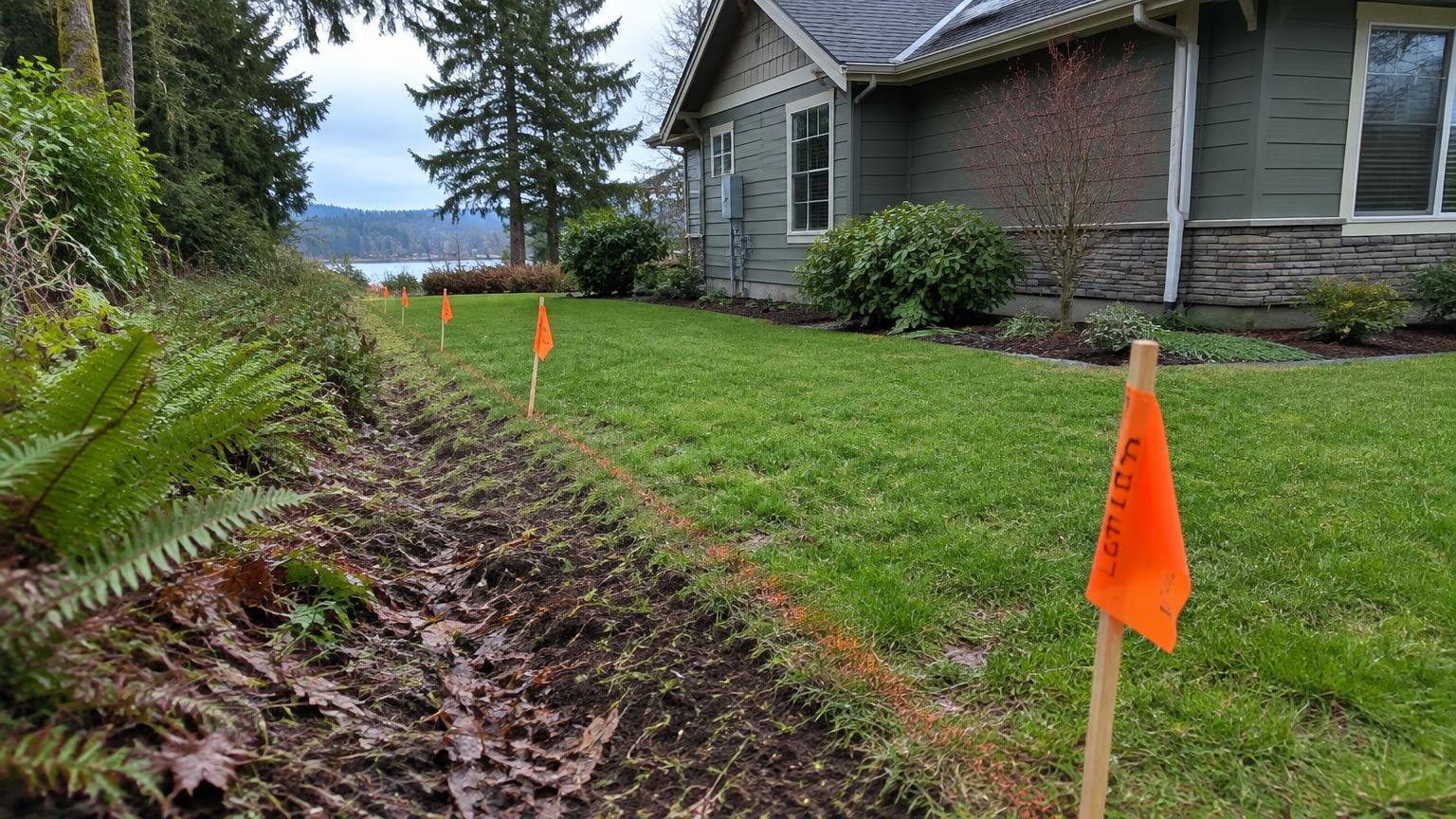
Quick answer
Easements and restrictions appear in the preliminary title commitment (Schedule B exceptions), the recorded plat, the survey, and any CC&Rs or HOA declarations. Read the exceptions one by one and request the underlying recorded documents — the title report names them but does not explain them. An easement is a right for someone else to use part of your land for a defined purpose; a right of way is one common type, usually for access. Also confirm setbacks, critical-area buffers and shoreline rules with the city or county for that specific parcel, because they, not your lot's size, decide what you can build.
Schedule B
Where title lists easements and exceptions
4 sources
Title, plat, survey, CC&Rs — all read, not skimmed
Per parcel
Setbacks and buffers confirmed with the jurisdiction
EN + 中文
Documents explained in both languages
Questions this hub answers
- how to find easements on my property
- types of easements
- easement vs right of way
- what are CC&Rs
- shared driveway agreement
- how to check setbacks before buying
The document review sequence
- 01
1. Order and actually read the title commitment
Schedule B lists exceptions: easements, covenants, agreements, reservations. Request the recorded document behind every exception that could affect use, access or future building.
- 02
2. Pull the recorded plat and any survey
The plat shows platted easements, dedicated rights of way and lot dimensions. If boundaries, fences or a shared drive look uncertain, commission a current survey rather than assuming.
- 03
3. Identify each easement's purpose and holder
Utility, access, drainage, sewer, ingress and egress, or a private agreement between neighbors. Note who holds it, what area it covers, who maintains it and whether anything may be built over it.
- 04
4. Read CC&Rs, HOA declarations and any shared-use agreement
Recorded covenants can restrict fences, paint, rentals, parking, ADUs, trees and remodels regardless of what zoning allows. A shared driveway usually has a maintenance and cost-sharing provision — find it before closing.
- 05
5. Confirm with the jurisdiction before you plan anything
Ask the city or county about setbacks, critical-area or shoreline rules, tree regulations and permit history for that parcel. Do this during your contingency period, not after you own it.
Common easements and what they limit
| Type | Typical purpose | What it usually limits |
|---|---|---|
| Utility easement | Power, water, sewer, telecom lines | Building, large trees or structures over the strip |
| Access easement / right of way | A neighbor or the public reaching another parcel | Gating, fencing or blocking the travel area |
| Drainage easement | Stormwater flow and detention | Grading, fill and hard surfaces |
| Shared driveway agreement | Joint use of one drive | Parking, repaving decisions, cost sharing |
| CC&Rs / HOA declaration | Neighborhood standards | Fences, exterior changes, rentals, ADUs, parking |
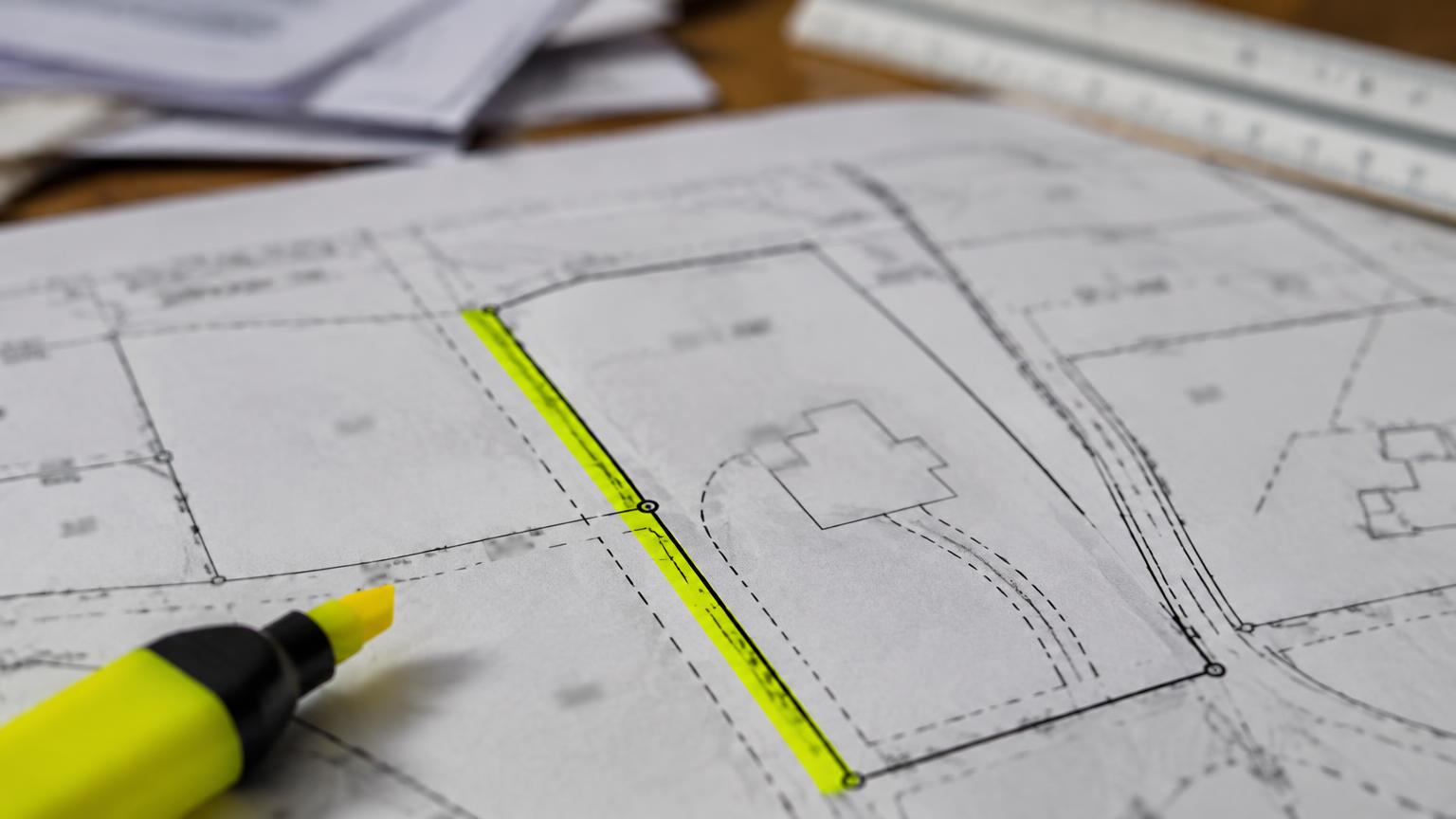
Checklist
Before your inspection contingency expires
- Title commitment received and every Schedule B exception read.
- Recorded documents behind each relevant exception obtained.
- Plat reviewed; survey ordered if boundaries are unclear.
- Each easement's holder, area and maintenance duty identified.
- CC&Rs, HOA rules and any shared-driveway agreement read.
- Setbacks, buffers and shoreline rules confirmed with the jurisdiction.
- Permit history checked for unpermitted work near easement areas.
- Any plan to build, fence or remove trees tested against all of the above.
Frequently asked questions
How do I find easements on a property?
Start with the preliminary title commitment's exception list, then request each recorded document it references. Add the recorded plat, any existing survey, and the CC&Rs. For anything physical on the ground, a current survey is the reliable answer.
What is the difference between an easement and a right of way?
An easement is the general right to use part of someone else's land for a defined purpose. A right of way is a common type of easement, typically giving access across the land. Both are defined by their recorded document, so read it.
Can I build over a utility easement?
Usually not, or only with the easement holder's written consent and a permit. Treat the area as unbuildable until the holder and the jurisdiction say otherwise in writing.
What are CC&Rs and do they still apply?
Covenants, conditions and restrictions are recorded private rules for a plat or community. They can apply even without an active HOA and can be stricter than zoning. Read them before planning a remodel, fence, rental or ADU.
Does an easement lower a property's value?
It depends entirely on location and effect. A utility strip along a rear line may change little; an access easement through a usable yard, or one blocking an addition, can matter a great deal. Evaluate it against your actual plans.
Who maintains a shared driveway?
Whatever the recorded agreement says — and many are vague or absent, which is its own risk. Confirm cost-sharing, repaving and snow or debris duties in writing before closing.
Go deeper
Related
US home buying guide
Where due diligence fits in the process.
Related
House-buying mistakes in Seattle
Skipped checks and their cost.
Related
Types of houses to avoid buying
Red flags before you write an offer.
Related
Flood zone and water risk
Critical areas and drainage.
Related
Splitting a double lot before selling
When lot lines and access drive value.
Related
Competing with all-cash buyers
Keeping protections in a fast market.
Other topic guides

Family transfers
Gift of equity and selling a home to a family member in Washington.

Title & closing
Selling a house with a lien in Bellevue and Greater Seattle.
Land value
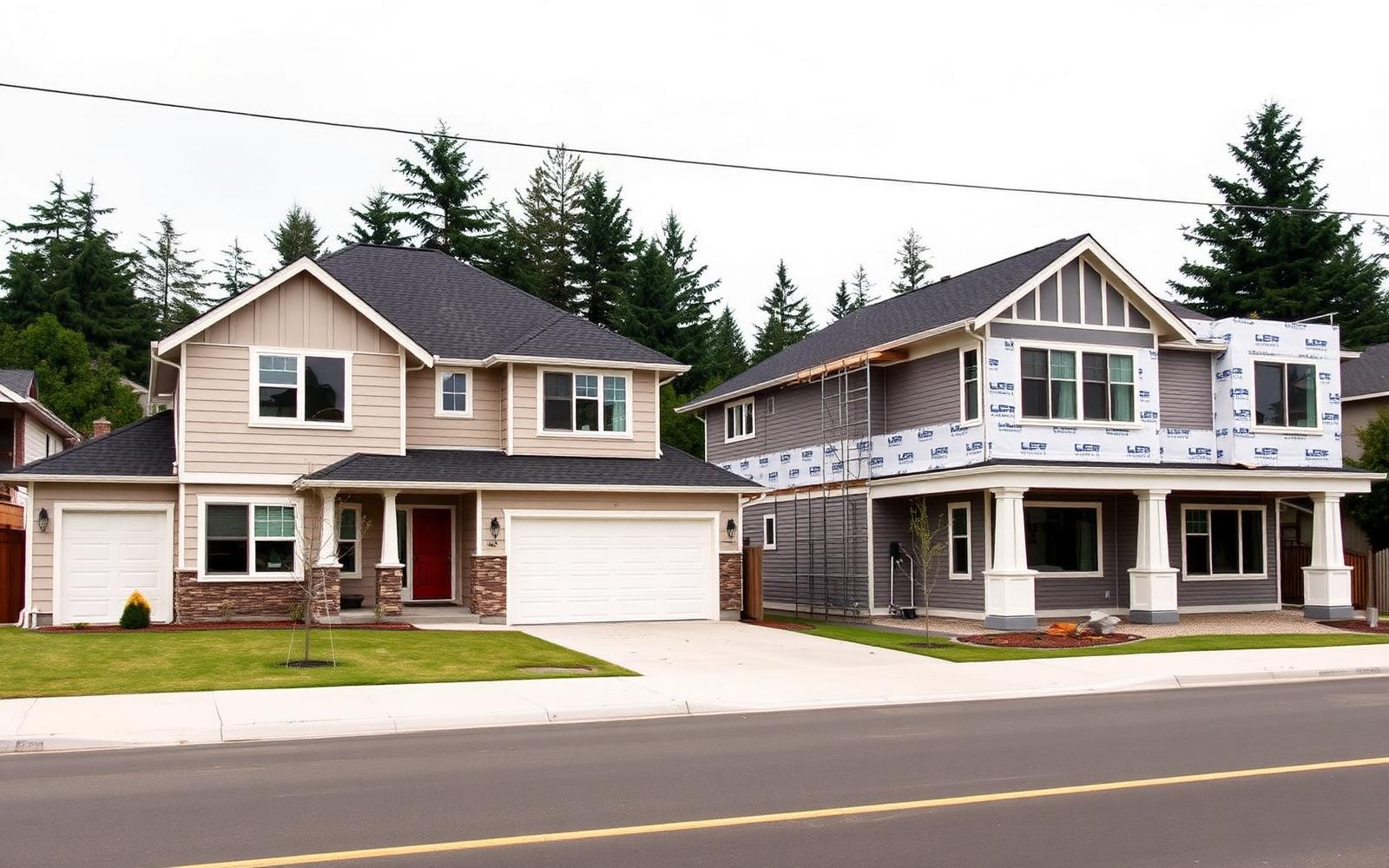
Selling an older Eastside home to a builder: land value vs. retail sale.

Visa & foreign buyers
Buying a home in Bellevue as a foreign national or visa holder.

Tech relocation
Relocating to Bellevue for a tech job: rent first or buy now.

Schools & addresses
Buying by school assignment in the Bellevue School District.

Waterfront & unique homes
How to price a waterfront or one-of-a-kind home.

Listing problems
How to cancel a listing agreement and change agents.

Building & financing
Construction loans for self-employed and small business owners.

Land & lot value
Should you split a double lot before selling it?

Water & site risk
Flood zone, creek and drainage checks before you buy.

Landlords & investors
Selling a rental property to your current tenant.

Choosing an agent
How to choose a real estate agent in Seattle and on the Eastside.

Interview & review
Questions to ask before hiring — and how to tell if your agent is doing a good job.

Fees & commission
Who pays realtor fees in Washington — and what an agent actually keeps.

First-time buyers
Buying your first home in Washington State — including without a US credit history.

Home value
How to get an accurate home value estimate in Bellevue, Redmond and West Bellevue.
Investment property
Buying an investment property on the Eastside: returns, rules and the numbers to run.

Listing presentation
Staging and listing photos: virtual staging, AI edits and what buyers trust.
Stalled listings
Your house is not selling: what to change, and whether to pause the listing.

Seller options
Instant cash offer vs listing your home: how to compare them properly.

Buyer strategy
Competing with all-cash offers as a financed buyer on the Eastside.
Under contract and need the documents read?
We review title exceptions, plats and CC&Rs with buyers during the contingency period and explain each one in English or Mandarin.
Book a consultation