
Buyer strategy
Competing with all-cash offers as a financed buyer on the Eastside.
Cash buyers win on certainty, not on money. Every tool below exists to close that certainty gap — faster timelines, cleaner financing, pre-inspection, clear appraisal terms — while keeping the protections that actually matter to you. This hub covers what to strengthen, what it costs you in risk, and the line we tell buyers not to cross.

Quick answer
A seller choosing cash is buying speed and the removal of financing and appraisal risk. A financed buyer narrows that gap with a fully underwritten pre-approval and a responsive lender, a short closing timeline, a pre-inspection so the inspection period is brief or unnecessary, a larger earnest money deposit, and explicit appraisal terms such as an appraisal gap commitment up to a stated amount. An escalation clause helps you compete on price without overbidding blindly. Waive protections only after you know the specific risk you are taking and can fund the worst case.
Underwritten
Full credit approval beats a basic pre-qualification letter
Pre-inspect
Inspect before offering to shorten or drop that period
Stated cap
Appraisal gap covered up to a number you can actually fund
EN + 中文
Offer terms explained clearly in both languages
Questions this hub answers
- how to compete with cash offers
- escalation clause how it works
- appraisal gap coverage
- pre-inspection before offer
- private showing vs open house
- earnest money in Washington
Building a competitive financed offer
- 01
1. Upgrade the financing evidence
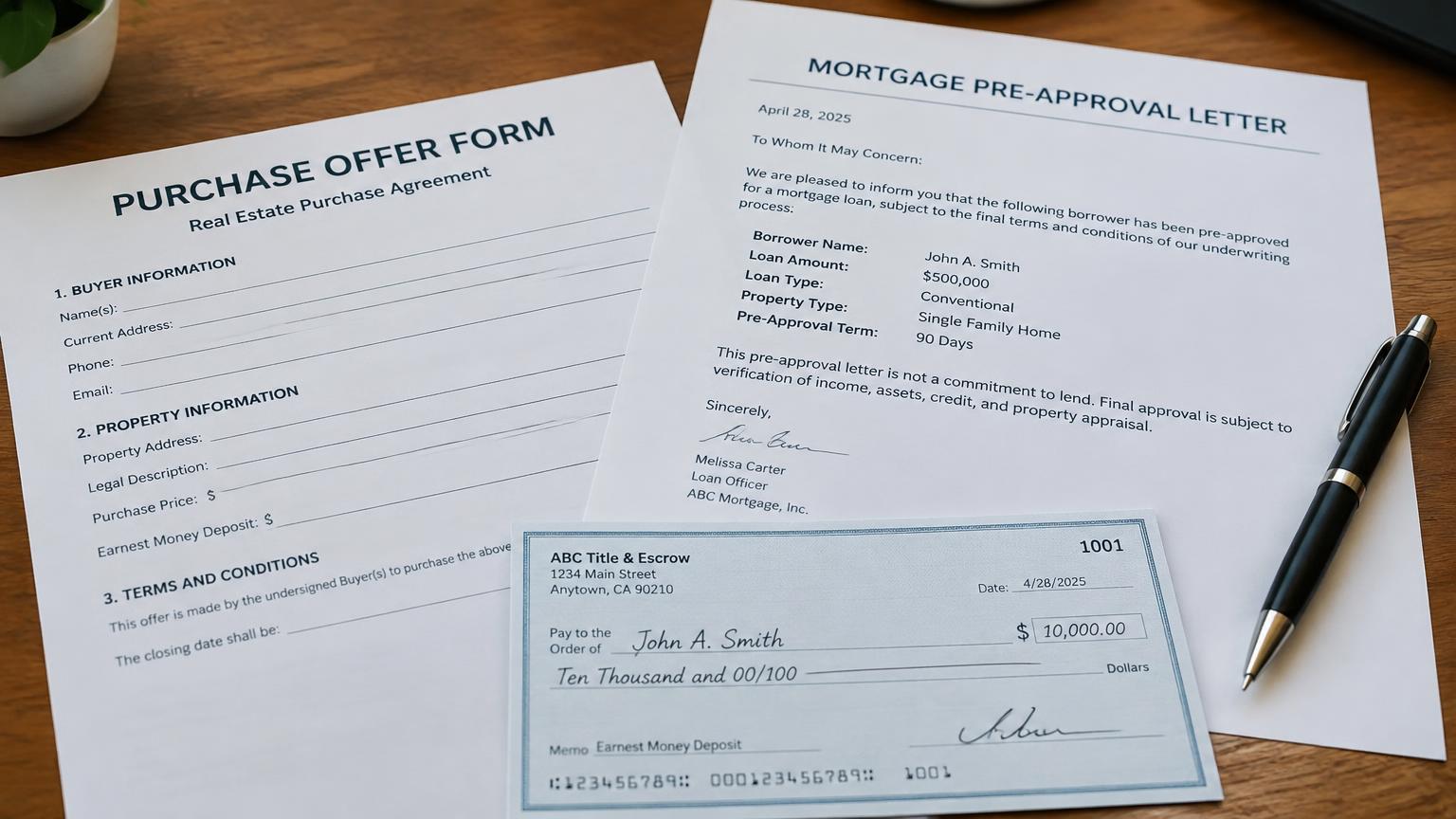
Ask your lender for a fully underwritten pre-approval, a same-day verification call to the listing agent, and a written commitment on appraisal and closing timelines. Certainty on paper is what a seller is comparing.
- 02
2. Pre-inspect before you write
A pre-offer inspection lets you shorten or waive the inspection period knowingly, with repair costs already estimated. Where a sewer scope, roof or structural question applies, add that specialist too.
- 03
3. Set appraisal terms explicitly
If the appraisal comes in low, state the gap amount you will cover in cash. Name a number you can actually fund — an open-ended promise is a risk, not a strategy.
- 04
4. Use an escalation clause with a hard ceiling
You beat competing offers by a set increment up to your maximum, with proof of the competing offer required. It wins price battles without committing you to a number you cannot justify or finance.
- 05
5. Ask what the seller actually needs
Rent-back after closing, a specific closing date, keeping some furniture, a quiet listing with private showings. Non-price terms frequently decide a tie against cash.
Each lever, and what it costs you
| Lever | What it signals to the seller | Risk you take on |
|---|---|---|
| Fully underwritten pre-approval | Financing will not fail late | Lender fees, more documents upfront |
| Pre-inspection | No inspection renegotiation | You pay for inspections on homes you may not get |
| Appraisal gap commitment | Low appraisal will not kill the deal | Cash needed at closing up to the stated cap |
| Escalation clause | You will compete on price | Paying above list, within your ceiling |
| Larger earnest money | You are serious | More at stake if you default on contract terms |
| Shorter closing timeline | Speed closer to a cash close | Requires a lender that can actually perform |
Checklist
Before you write in a competitive situation
- Fully underwritten pre-approval in hand, with lender contact confirmed.
- Maximum price and maximum appraisal gap decided in advance, in writing.
- Pre-inspection completed or scheduled where feasible.
- Cash-to-close verified, including any gap coverage you promised.
- Escalation increment and ceiling set with your agent.
- Seller's preferred closing date and any rent-back need confirmed.
- Earnest money amount and deposit timing agreed.
- Each protection you are waiving understood, with the worst case funded.
Frequently asked questions
How can a financed buyer beat a cash offer?
By removing the seller's doubts: an underwritten approval and reachable lender, a short closing window, a completed pre-inspection, a defined appraisal gap commitment and flexible non-price terms. Sellers trade some price for certainty when the certainty is credible.
How does an escalation clause work?
You offer to beat competing offers by a stated increment up to your maximum price, and require documentation of the competing offer. You never pay more than your ceiling, and you avoid overbidding when there is little competition.
What is appraisal gap coverage?
A written commitment to pay a stated amount in cash if the appraisal comes in below the contract price, so the deal does not need renegotiation. It only helps if you truly have that cash at closing.
Should I waive the inspection to compete?
Only with a pre-inspection done and the repair exposure quantified, and only if you can fund surprises. Waiving blind is how buyers inherit sewer, roof and structural costs they never priced.
Are private showings better than open houses?
For serious buyers, usually yes: more time, direct answers, and no crowd shaping your judgment. Open houses are useful early for calibrating neighborhoods and price bands.
Is a bigger down payment the same as a stronger offer?
It helps, because it reduces loan size and appraisal sensitivity, but execution is what sellers weigh. A 20% buyer with a responsive underwritten lender often beats a larger down payment with a slow one.
Go deeper
Related
US home buying guide
The full offer-to-closing process.
Related
How much are closing costs in Washington?
Cash you need at the table.
Related
House-buying mistakes in Seattle
What competitive pressure causes.
Related
First-time buyers in Washington
Programs, limits and cash planning.
Related
Easements and recorded restrictions
Due diligence you should not skip.
Related
Buying an Eastside investment property
If you are competing as an investor.
Other topic guides

Family transfers
Gift of equity and selling a home to a family member in Washington.

Title & closing
Selling a house with a lien in Bellevue and Greater Seattle.
Land value
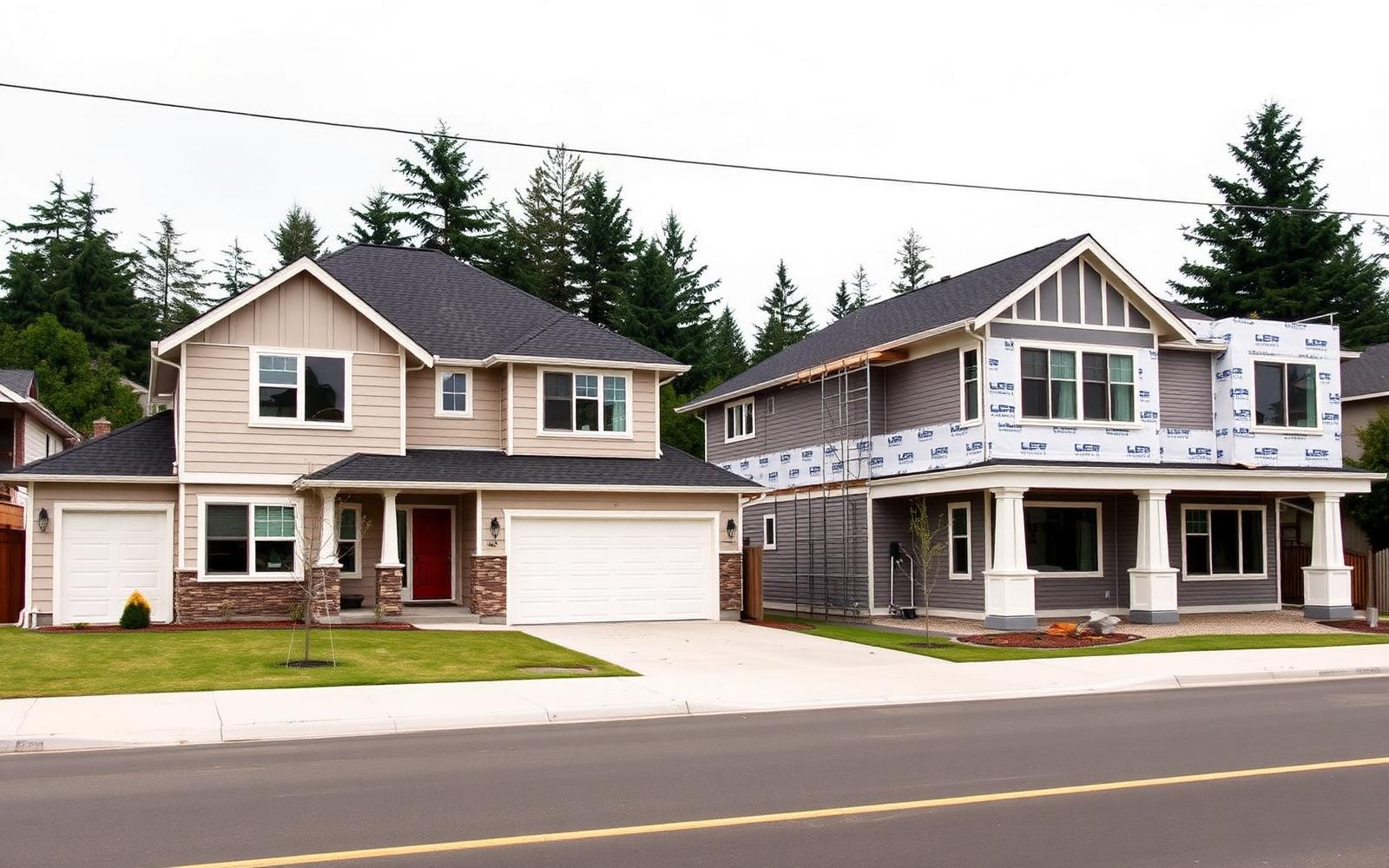
Selling an older Eastside home to a builder: land value vs. retail sale.

Visa & foreign buyers
Buying a home in Bellevue as a foreign national or visa holder.

Tech relocation
Relocating to Bellevue for a tech job: rent first or buy now.

Schools & addresses
Buying by school assignment in the Bellevue School District.

Waterfront & unique homes
How to price a waterfront or one-of-a-kind home.

Listing problems
How to cancel a listing agreement and change agents.

Building & financing
Construction loans for self-employed and small business owners.

Land & lot value
Should you split a double lot before selling it?

Water & site risk
Flood zone, creek and drainage checks before you buy.

Landlords & investors
Selling a rental property to your current tenant.

Choosing an agent
How to choose a real estate agent in Seattle and on the Eastside.

Interview & review
Questions to ask before hiring — and how to tell if your agent is doing a good job.
Fees & commission
Who pays realtor fees in Washington — and what an agent actually keeps.

First-time buyers
Buying your first home in Washington State — including without a US credit history.

Home value
How to get an accurate home value estimate in Bellevue, Redmond and West Bellevue.
Investment property
Buying an investment property on the Eastside: returns, rules and the numbers to run.

Listing presentation
Staging and listing photos: virtual staging, AI edits and what buyers trust.
Stalled listings
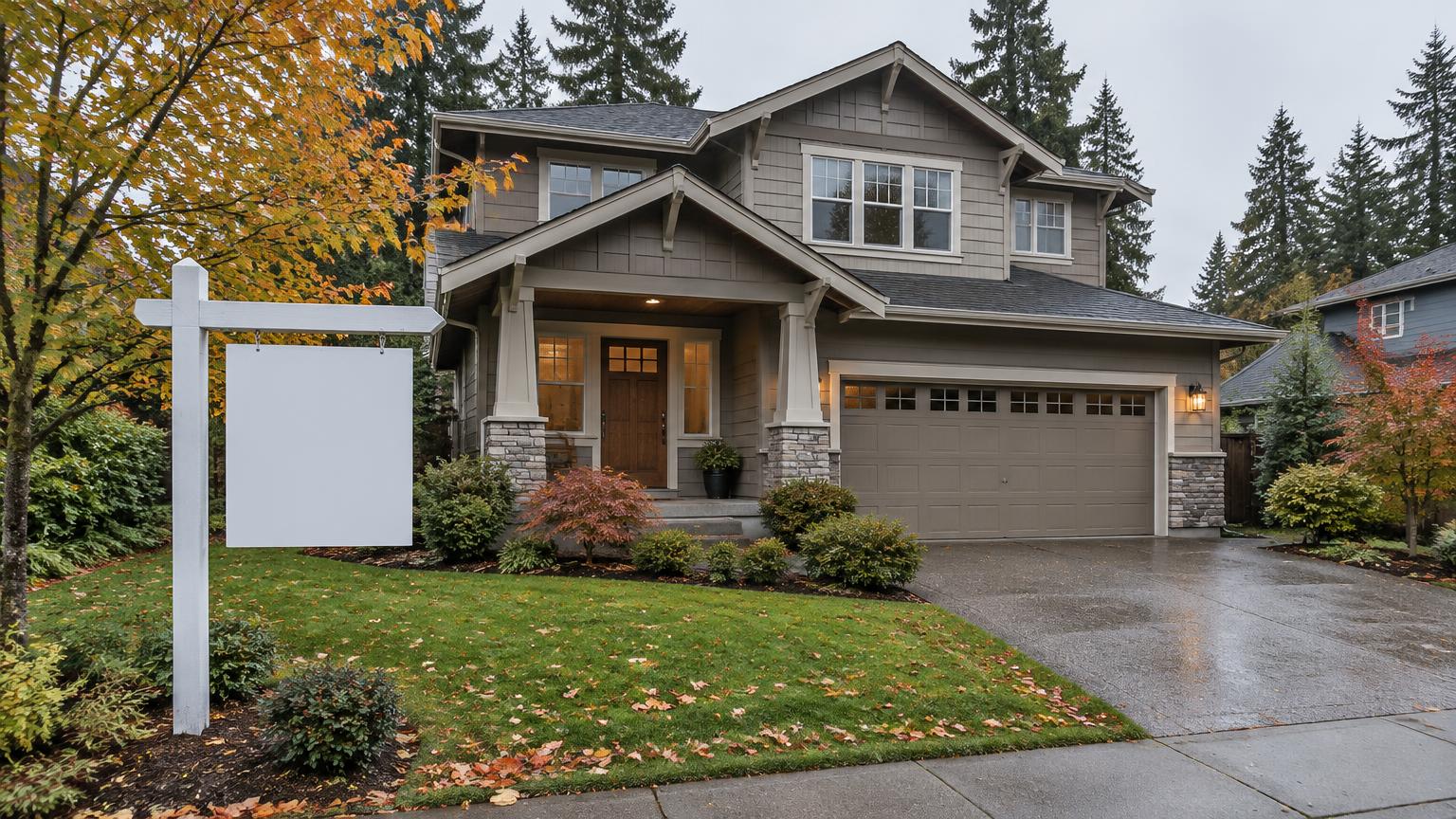
Your house is not selling: what to change, and whether to pause the listing.
Seller options
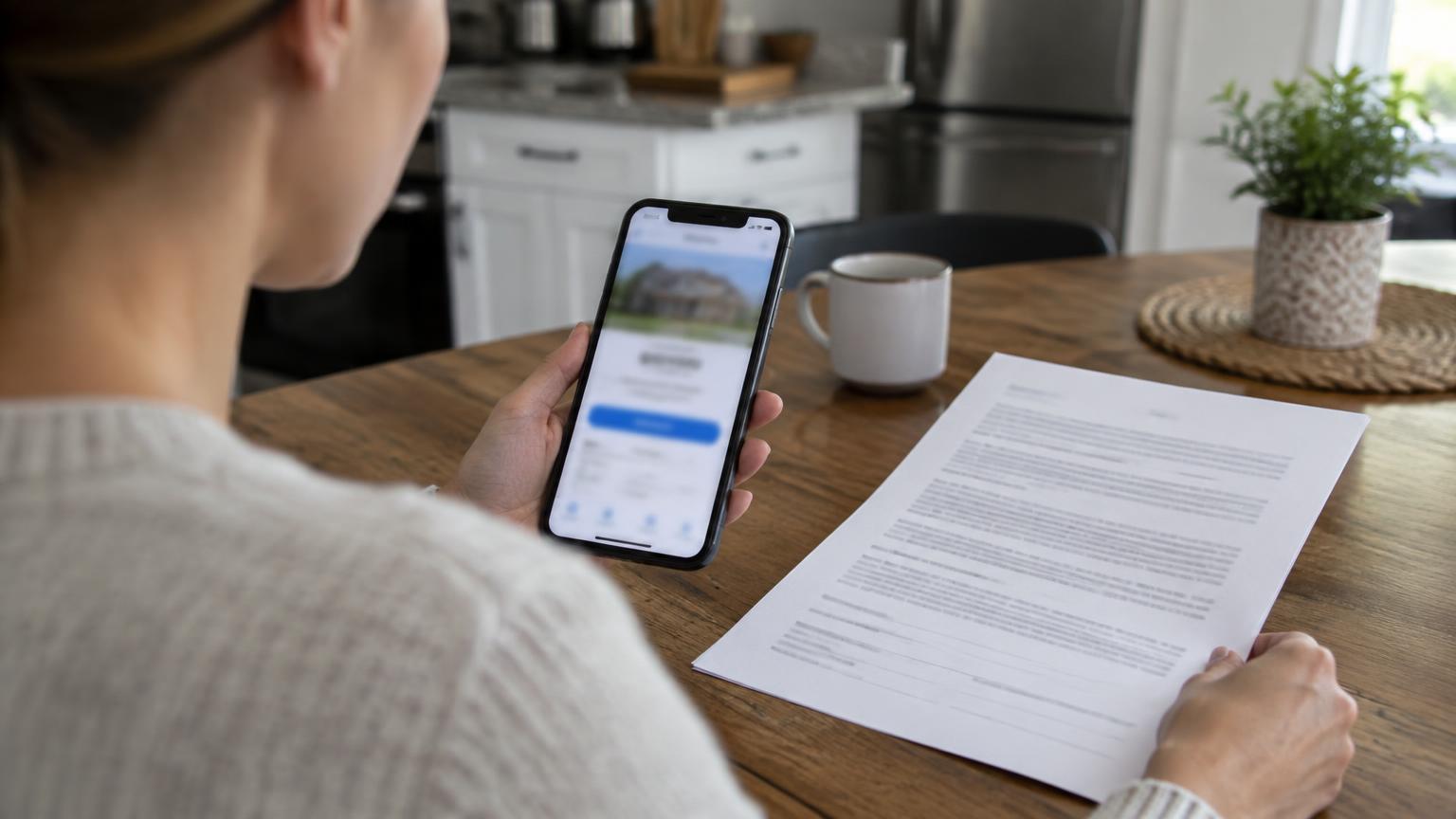
Instant cash offer vs listing your home: how to compare them properly.
Due diligence
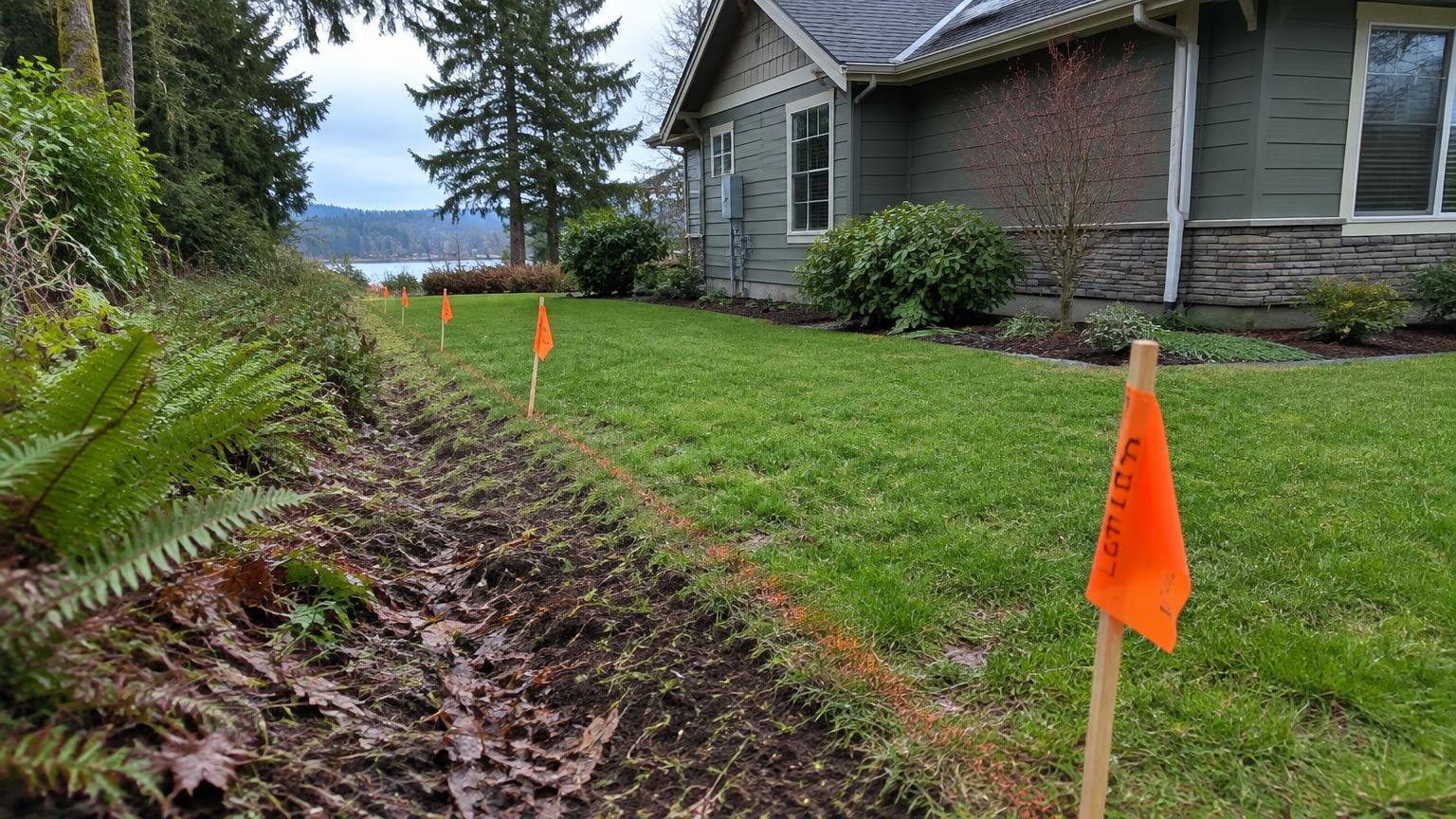
Easements, shared driveways and recorded restrictions: check before you buy.
Competing against cash?
We will build the offer strategy with you — price ceiling, appraisal terms, inspection plan — before you fall in love with a house.
Book a consultation