A listing can miss buyers for several different reasons. Compare the home with current competing listings and closed sales, then match the response to the actual signal: visibility, showings, feedback, offers or failed contracts.
Start with a property-specific comparison
Separate detached homes, townhouses and condos; compare similar condition, size, location and financing constraints. Review current active alternatives, pending sales and recent closed prices. County-wide median price or price per square foot alone is not a diagnosis for one Seattle property.
Track the offer funnel from search impressions to inquiries, tours, second visits and written offers. If similar homes are going pending but yours is not, investigate what buyers see online and in person. If the entire segment is moving slowly, a more patient strategy may be appropriate.
| Observed result | Question to investigate |
|---|---|
| Few listing views | Is the asking price outside common buyer filters, or are photos weak? |
| Views but few tours | Do location, floor plan, HOA or conditions compare poorly? |
| Tours but no offers | What recurring objections appear in independent feedback? |
| Offers fail to close | What financing, appraisal, inspection or title issue recurs? |
Price and presentation are connected
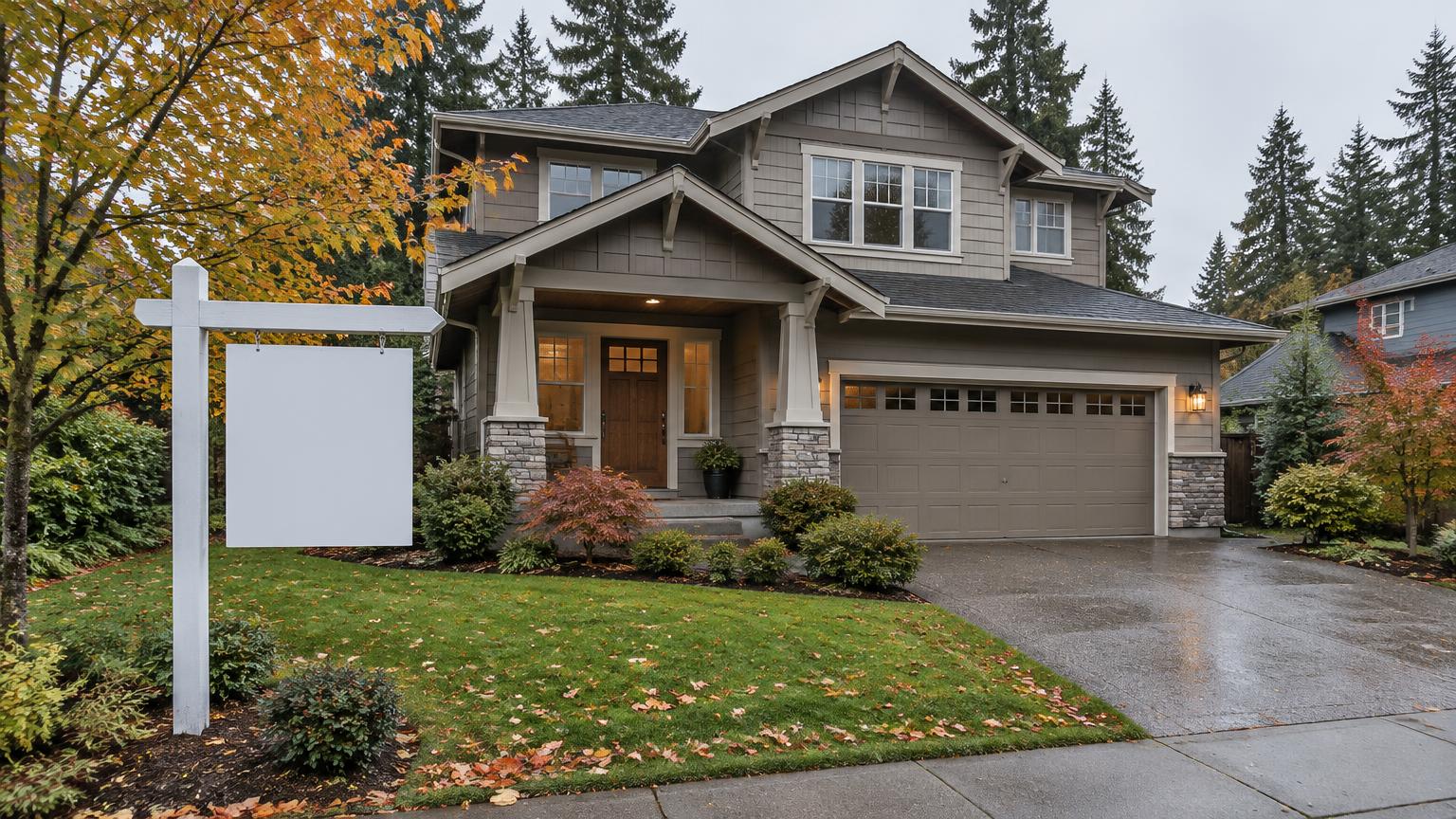
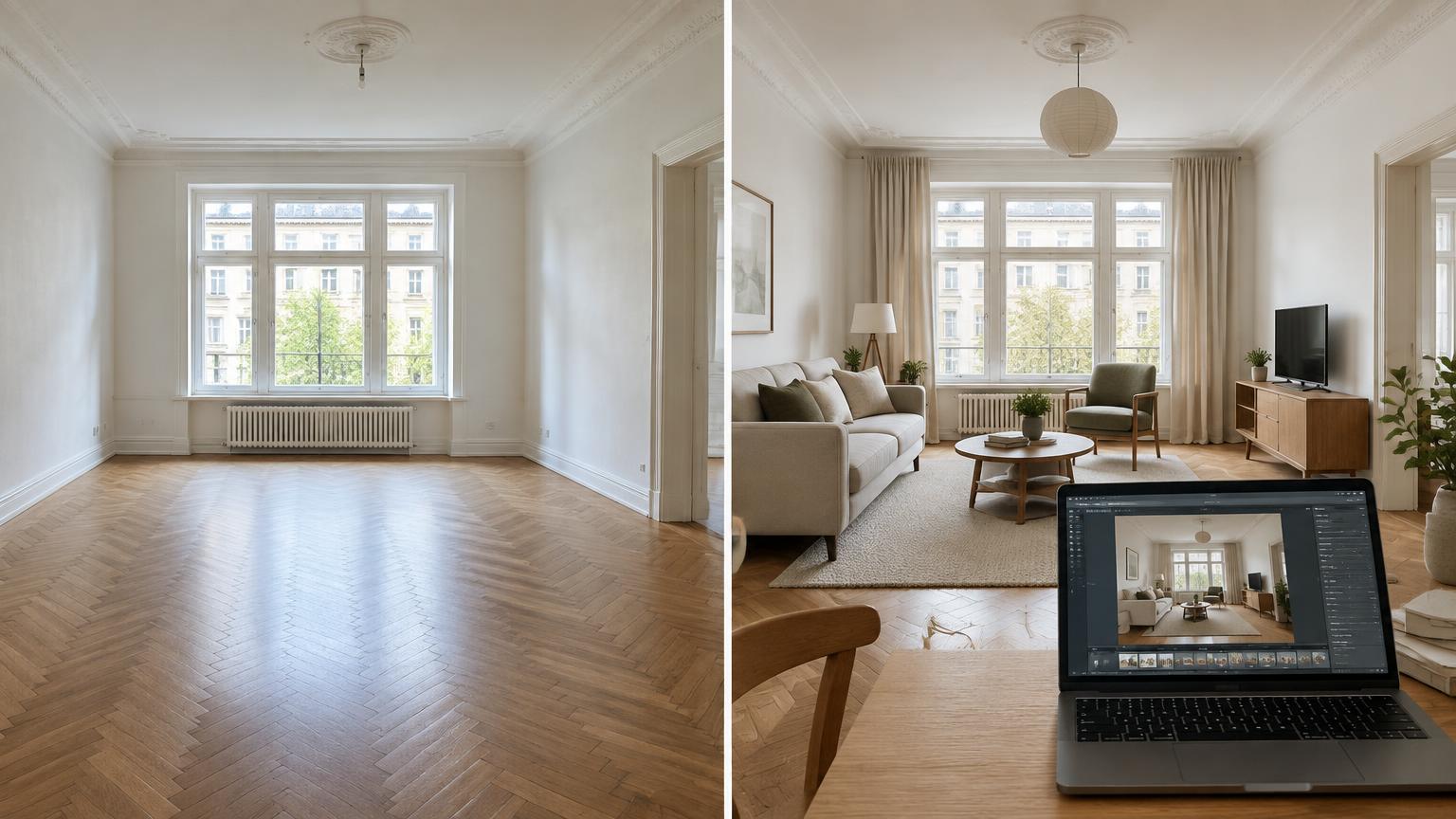
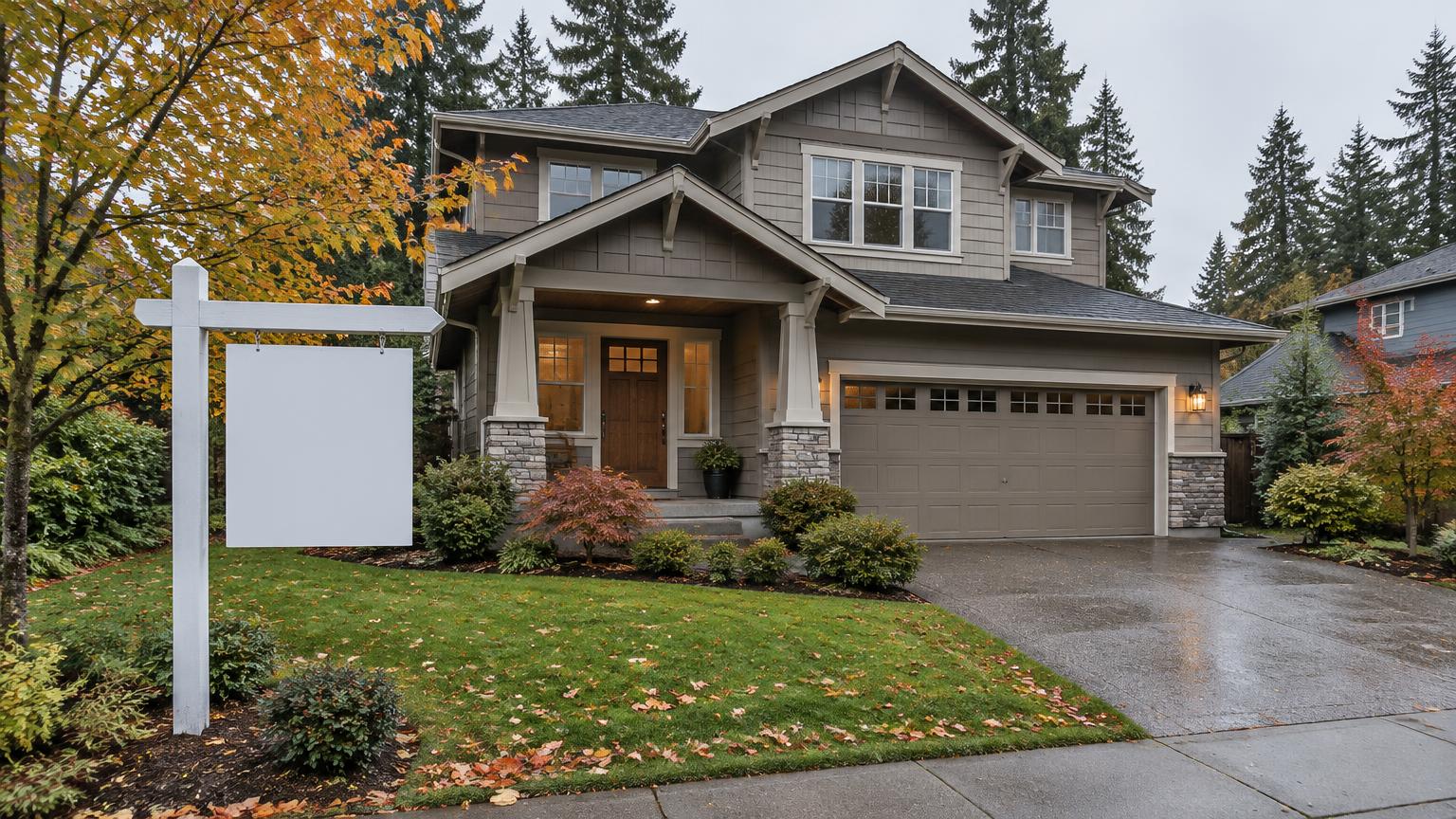
A strong photo set can earn a showing but cannot change the house’s condition or its alternatives. Review the first five images, floor plan accuracy, lighting, description, showing access and any digitally staged disclosures. Correct material errors and obtain current vendor quotes if repairs or staging are being considered.
A price review should focus on the competing listings in the buyer’s search range and actual closed comps. Avoid a fixed ‘reduce after 14 days’ rule or an unsupported statistic that pricing a home three percent above comps doubles DOM. Establish a review cadence based on the property type, asking range, season and showing evidence.
- Ask for a current comparative market analysis with dates and adjustments.
- Request specific, anonymized buyer feedback rather than a generic ‘the market is slow.’
- Verify school assignments by address when they are material; do not promise access.

Use carrying costs to compare decisions
Hypothetical only: at $4,200 of monthly interest, taxes, insurance, utilities, HOA and upkeep, waiting three months costs $12,600, before unexpected repairs. Compare this with the potential reduction or preparation expense; a $10,000 price change does not necessarily produce a sale, and a $12,600 hold does not guarantee a higher price.
For a condo, obtain current HOA budget, dues, reserves, insurance and assessment information before attributing a slow sale to HOA fees. If buyer financing is a problem, work with the relevant lender and association to identify the actual barrier.
| Illustrative calculation | Amount |
|---|---|
| Monthly carrying cost | $4,200 |
| Three-month holding cost | $12,600 |
| Separate proposed price change | $10,000 |
| Decision | Depends on probability, net proceeds and timing—not subtraction alone |
Change one clear problem at a time
Agree on a documented action plan with the listing broker: what to fix, the evidence for the change, target completion date and when to review results. Delisting may be right for repairs or personal reasons, but do not assume it resets MLS history or buyer expectations. Check the listing agreement first.
Avoid unrelated FIRPTA, agent rankings or generic tech-worker claims in a seller diagnosis. Those topics require their own evidence and do not explain why this home has not sold.
Frequently asked questions
How long should I wait before reducing the price?
There is no universal day count. Compare your exposure and buyer response with similar current homes.
Why do I get showings but no offers?
Examine specific feedback on condition, layout, total cost and alternatives; ask the broker for a documented comparison.
Should I relist with new photos?
Only if the photos or presentation are a real barrier; also address price or condition if evidence points there.
Is a high HOA fee the only reason a condo lingers?
No. Financing eligibility, reserves, insurance, condition and price may also matter.
Will a new agent automatically sell it?
No. Ask any agent for an evidence-backed plan, scope and realistic comparison, not a guaranteed result.
Follow the funnel from exposure to offer
A listing with few qualified views needs a different response from one that attracts tours but no offers. Ask for dated exposure metrics where available, showing requests, completed tours, recurring objections and comparable listings. Segment those comparisons by property type, price range, condition and nearby alternatives; a citywide sales figure cannot diagnose one home. Watch for photo-order issues, inaccurate details, access limitations and a price that places the listing beside stronger alternatives.
If buyers tour but hesitate, read their comments as clues, not statistical proof. Separate condition items an inspector can verify from style preferences and financing constraints. Review the most recent closed comparables and current competition before changing price. A short period on market or one canceled tour is not enough to diagnose seller motivation or a defective home.
| Observed signal | Possible investigation | Evidence to request |
|---|---|---|
| Weak exposure | Presentation, distribution, price-search band | Dated listing views and competitor set |
| Views but few tours | Photos, floor plan, price and access | Inquiry log and showing schedule |
| Tours but no offers | Condition, competing value or terms | Tour feedback and comparable sales |
Make one measurable revision and set a new review point
Write down the hypothesis, the proposed change, the date and a metric to watch. For example, replace dark photos and publish an accurate floor plan, then review qualified showing requests for the next agreed period. If the evidence points instead to price, model a price range and seller net sheet before adjusting. Do not promise a universal two-week sale window or claim one staged photo has a proven return.
Include the property’s actual monthly ownership costs and the likely sale date under each scenario. If the listing agreement or a proposed change of broker is in dispute, review contractual obligations with counsel. The goal is to distinguish an action the seller can control from market-wide demand that no one can guarantee.
When HOA, access or financing narrows the buyer pool
For a condo or townhouse, obtain the current HOA budget, assessments, reserve information and rental restrictions before claiming that the HOA fee alone explains buyer resistance. A buyer may also care about parking, financing eligibility, pending litigation or future capital projects. For a detached home, check whether access for tours, permit questions or an unusual lot shape creates friction. Separate verified facts from feedback that is merely a prospect’s preference.
Turn recurring objections into an evidence packet. If several buyers ask about a roof, obtain a contractor opinion; if they question ownership costs, provide actual utility and tax information with appropriate caveats; if financing is a barrier, ask a lender about the applicable loan program. Do not label a property “unsellable” without testing whether a specific correctable issue or the asking price explains the response.
Document the pricing decision before changing the listing
Ask for a comparable-sale range and make explicit adjustments for size, lot, condition, location and concessions. Compare the revised asking price to current competing inventory rather than only the price at which the home first launched. A small cut that leaves the home in the same weak relative position may not address the problem; a large cut is not automatically justified either. Show projected seller proceeds at several plausible closed prices.
Write the date, decision and reason into the review record, and recheck the evidence after the agreed property-specific interval. New listings, rate changes or a repair finding can change the decision. This preserves a useful record even if the seller ultimately pauses instead of repricing.
What we see when a listing stalls
In several 2026 livestreams Maggie discussed why some homes were not selling. In August she described a common pattern: many sellers set their list price by what similar homes fetched one or two years earlier, list too high, and then need to reduce to attract buyers (livestream, August 1, 2026). In June she said that sellers who are not genuinely motivated to sell often do not sell in a slower market, and that closed sales and inventory are more useful indicators than new-listing counts alone (livestream, June 6, 2026). These are dated market observations, not current statistics; a seller should check the latest closed sales and inventory for the specific neighborhood and price range.
Property-specific features also come up repeatedly. Maggie pointed to a home priced high for its size on a triangular lot with a small usable yard (June 27, 2026), a house with strong warm-toned finishes and worn carpet that made it hard for buyers to imagine a neutral interior (July 4, 2026), and staging with too much furniture that made rooms feel smaller (July 18, 2026). Each example points to a different fix: price, presentation, or the way the home is photographed and furnished.
How large should a price reduction be?
When asked whether buyers should expect a 10% cut on a new listing, Maggie explained in a June 2026 livestream that, as a listing agent, she usually advises sellers to reduce in steps of roughly 3% to 5% rather than all at once, unless the original price was far above the market; she added that a seller who reduces too little still risks losing a buyer who would have paid more earlier (livestream, June 20, 2026). Our August 2026 seller pillar similarly notes that listings that do not go pending early usually take a reduction and can still close below where correct initial pricing would have landed.
Treat that range as a starting framework, not a rule. The size of a reduction should be justified by fresh closed comparables, the number and feedback of showings, and the price bands buyers search on portals. A reduction that moves the home into a new search band can reach buyers who never saw it; a reduction that stays inside the same band may change little. Document the reason for each change so the next review compares like with like.
Sources and further reading
Sources below support the linked general rules and lookup methods. Numerical tables in this article are explicitly labeled hypothetical illustrations, not market statistics or client outcomes. Confirm current forms, fees and transaction-specific advice with the appropriate professional before use.