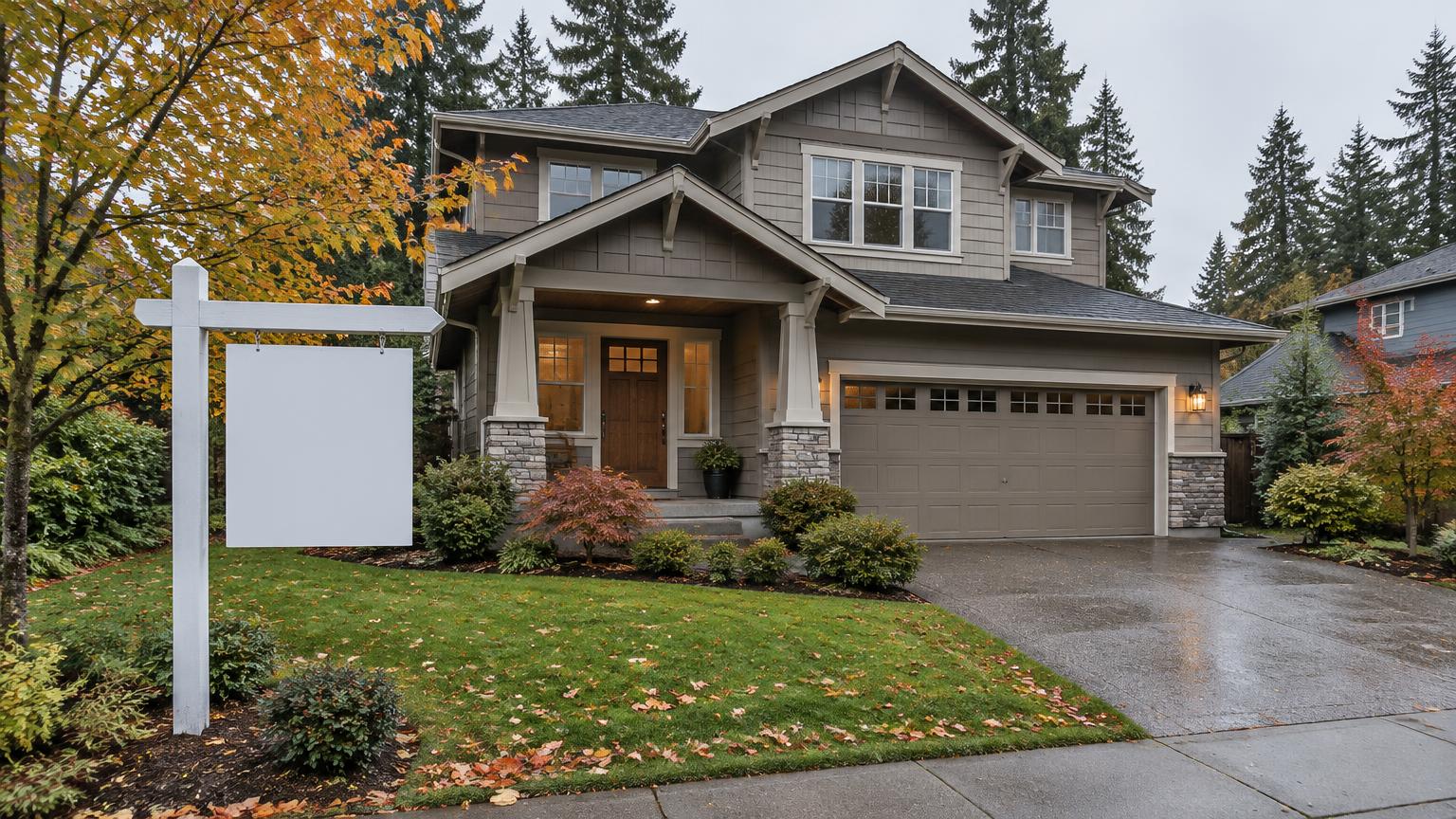
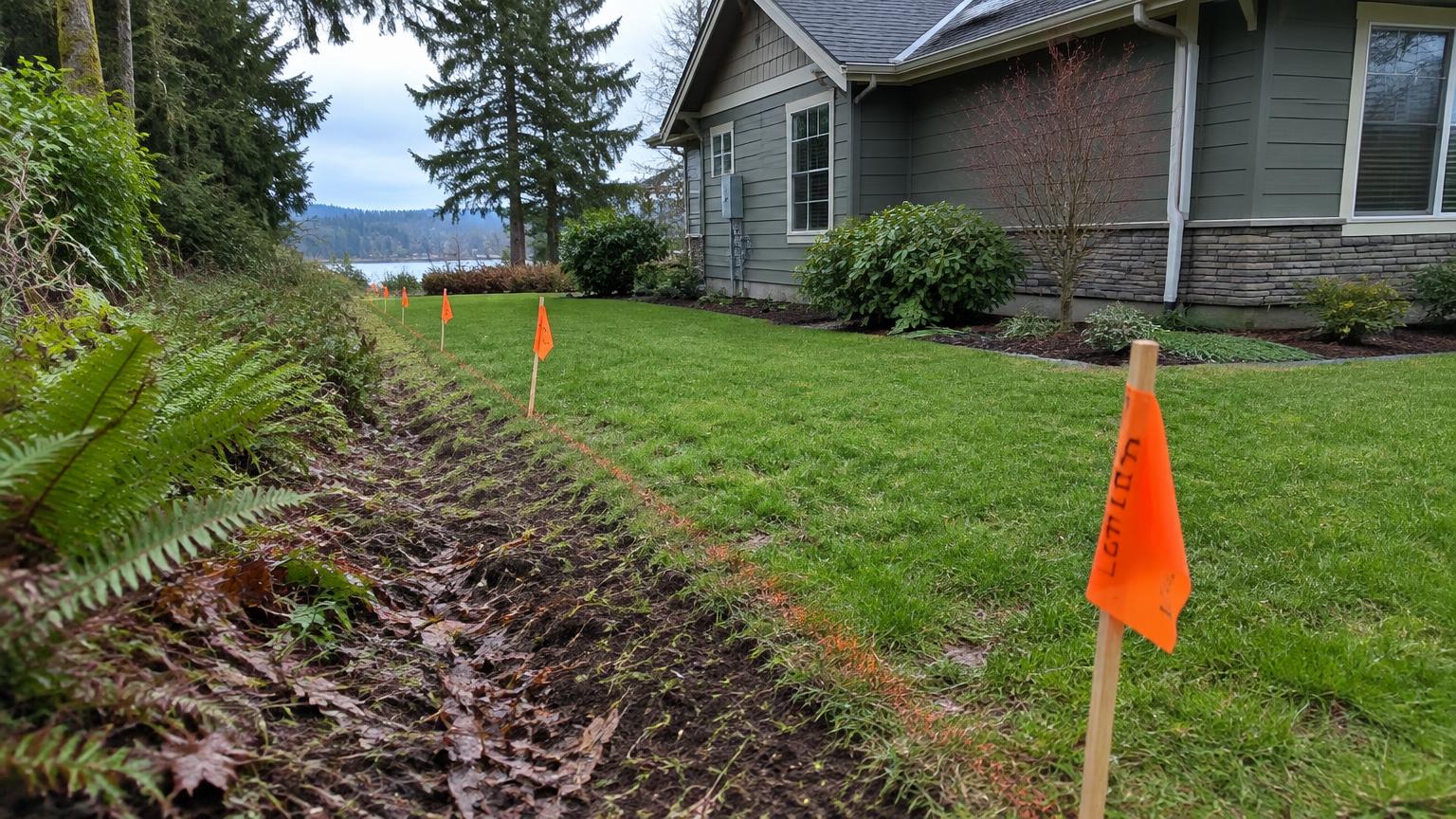
A right of way often describes an access right, commonly established through an easement. The words alone do not tell you who may use it, where it runs, who maintains it, or whether you may build nearby; the recorded document and survey matter.
The distinction that matters on a purchase
An easement is a property interest allowing a defined use of someone else’s land or restricting a specific use. A right of way commonly concerns passage—for example, a recorded driveway access route—but a public street right of way and a private easement are not interchangeable. Read the grant, legal description, scope, benefiting parcel, duration, and termination terms.
Do not assume an easement automatically grants utility installation, parking, widening or exclusive control. Do not assume the owner may build a fence over it. If a planned addition, gate or fence crosses the area, obtain professional title, survey and permitting advice before committing to construction.
| Document or question | What it can help answer |
|---|---|
| Recorded easement instrument | Who benefits and what use is allowed |
| Preliminary title commitment | Which recorded matters affect title and which exceptions need review |
| Recorded plat or boundary survey | Where the corridor may sit relative to improvements |
| Private maintenance agreement | Who pays for repairs, snow removal or access work |
Shared driveways: access and maintenance are separate
A recorded right to drive across a neighbor’s parcel does not necessarily state who pays for resurfacing, drainage, snow clearing or insurance. Look for a separate road-maintenance agreement, HOA documents, or language in the easement itself. If responsibilities are silent or disputed, have a Washington real-estate attorney review the instruments.
For an Eastside home with a narrow shared driveway, ask whether delivery trucks and emergency vehicles can enter, whether parking blocks access and whether the current route matches recorded plans. A visual visit is useful but does not replace a survey.
- Request recorded access and maintenance documents.
- Walk the route and compare it with the map.
- Ask the title company about exceptions and a surveyor about location.
Utility easements and future plans
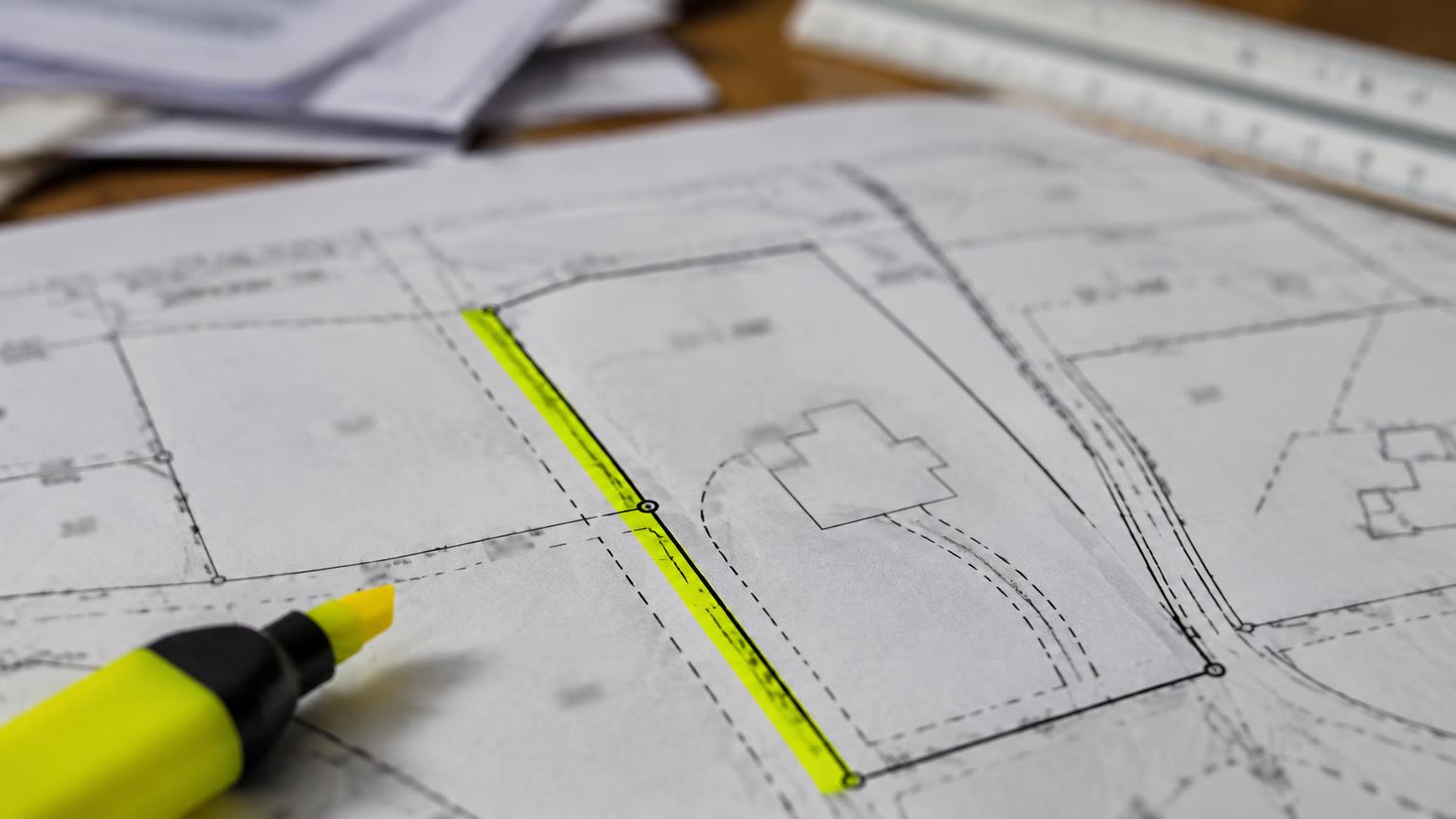
Utility easements can limit where you place a structure, tree or permanent fence. Utility installations, setbacks, drainage and municipal permits can impose additional limits. Before estimating a remodel or redevelopment value, check the city’s current permit rules for the address, the utility’s recorded rights, and a current survey.
For investment property, an easement may affect access, tenant use, construction cost or resale, but there is no universal percentage discount. Estimate the specific impacts and ask the appropriate professional to verify them.
| Project | Check first |
|---|---|
| Fence or gate | Survey, easement instrument, utility consent and city permit requirements |
| Addition or new building | Setbacks, access, easement corridor and title exceptions |
| Shared driveway repair | Recorded maintenance terms and actual condition |
A practical diligence sequence
Ask for the preliminary title commitment early. Locate each exception that affects access or land use and obtain the underlying recorded document—not merely the exception number. Compare recorded legal descriptions with a current survey or recorded plat and the actual land. Ask the title company about insurability, and take legal questions to an attorney.
Washington residential seller disclosure rules address known property matters, but a seller’s statement is not a substitute for your own title, records, survey and inspection review. Do not claim a King County parcel map proves the exact surveyed boundary.
Frequently asked questions
Is every right of way an easement?
No. A public street right of way can arise differently; a private access right is often documented by an easement. Read the instrument.
Can I fence an easement area?
It depends on the recorded rights, location and applicable permits. Get a survey and legal review before building.
Who maintains a shared driveway?
Check the easement, separate maintenance agreement and HOA documents; do not assume a county-wide default.
Does an easement reduce value?
It may or may not. Consider the actual use restrictions and market evidence for comparable properties.
Is the parcel viewer enough?
No. Use recorded instruments, a title commitment and a survey where location matters.
Separate the legal right from the map line
An easement generally concerns a limited use of another parcel; “right of way” can describe an access right or its physical corridor, depending on the actual instrument. Neither label by itself establishes where vehicles may drive, whether the public may enter, who repairs the pavement, or whether a fence is permitted. Read the recorded grant, legal description and any amendments rather than treating a line on a sales map as the complete legal answer.
For a shared driveway, a recorded access right can be valuable without solving maintenance, snow removal, gate control or cost sharing. Ask whether a separate recorded maintenance agreement exists and who is bound by it. A seller disclosure may identify a known issue, but it is not a substitute for a preliminary title report, recorded documents or a survey when location is disputed.
| Question | Evidence | Professional to consult if unclear |
|---|---|---|
| Who may use it? | Recorded grant and benefited-parcel description | Title officer or attorney |
| Where is the corridor? | Legal description, plat and survey | Licensed surveyor |
| Who pays for upkeep? | Recorded maintenance covenant, if any | Attorney / affected owners |
Test the intended use before choosing the property
A utility corridor may affect where a future garage, addition, tree or fence could go, but the effect depends on the recorded scope, agency requirements and municipal permits. Ask the utility or rights holder for its written requirements when a planned improvement intersects the corridor. Do not assume a usable-looking strip of land is buildable, or that every easement eliminates construction across the entire parcel.
If the instrument mentions a neighbor’s access, compare the route on paper to the existing pavement and ask a surveyor to resolve any discrepancy. A title policy may address some covered title risks; it does not automatically guarantee a preferred future renovation. The purchase decision should account for the actual planned use, not an abstract label or unsupported estimate of resale value.
Questions to send before the contingency deadline
Ask title for the full recorded grant and all amendments, not only a one-line exception in the commitment. Ask whether the benefit runs to another parcel or a named person, whether the burden is limited by width or purpose and whether relocation is addressed. If use is shared, ask for a maintenance agreement, prior invoices or correspondence; absence of a recorded cost-sharing term is a reason to investigate rather than assume equal payment.
For a buyer planning to subdivide, build or rent, the material question is whether the intended use is compatible with the burden and access rights. Give the specific improvement sketch to the surveyor, permit office and attorney. Keep written responses in the transaction file. A seller disclosure may flag a dispute but does not determine the final legal scope of a recorded interest, and neither a tax map nor an MLS photo is a boundary survey.
How an easement changes a buyer’s comparison
Compare candidate homes by usable land and actual restrictions rather than subtracting a made-up percentage from the sale price. A narrow utility strip at the edge of a large lot may matter less to one buyer than a driveway crossing the planned garage location; the reverse may be true for someone who needs reliable access. Request comparable sales that share the relevant physical constraints if valuation matters, and explain any adjustments rather than asserting an automatic discount.
If there is an active neighbor disagreement, gather written correspondence and ask counsel what obligations or remedies exist. Do not rely on a verbal assurance that an unused access right has expired. The document, applicable law and facts of use must be evaluated together.
Recorded versus unrecorded rights: why the title report comes first
Our published guide on selling a property with a lien recommends ordering a preliminary title report before listing, because it lists recorded liens, easements and judgments against the parcel; doing so early turns a closing problem into a scheduling item (selling a house with a lien). The same logic helps buyers. The title commitment shows recorded easements and right-of-way instruments, and each listed exception can be requested as a copy so that the buyer reads the actual grant rather than a one-line summary.
A title report does not show everything. Our family-transfer guide notes that skipping escrow and a full title search is how unrecorded easements and old loans reappear years later (gift of equity guide). Rights can also arise from long-term use, informal neighbor agreements or physical features such as a shared driveway or a footpath. Walking the property, comparing what is used on the ground with what is recorded, and asking the seller about access arrangements fill this gap. Where use and record disagree, a survey and a title officer’s or attorney’s opinion are the appropriate next steps.
How easements shape lot character and value
Easements matter more on some lots than others. Our August 2026 Bellevue luxury guide observes that in Bridle Trails, with its larger wooded lots and equestrian heritage, lot character — trees, topography and easements for trail access — is a bigger valuation factor than in view-oriented neighborhoods (Bellevue luxury guide, August 25, 2026). In a July 2026 livestream, Maggie also discussed a home whose long private access road reduced the usable share of an otherwise sizable lot; that comment reflects how buyers weigh access strips when comparing similar listings (livestream, July 18, 2026, ASR transcript, paraphrased).
For a buyer, distinguish total lot area from the portions available for particular uses and from the area where a proposed structure may be built. An easement does not, by itself, subtract land from the parcel’s total area. Access corridors, utility rights, setbacks and other restrictions can overlap, and a restricted area may still allow some uses even when construction is limited. Simply subtracting each restricted area from the total can double-count overlapping limits and does not establish a usable or buildable area. Have a surveyor locate the affected areas, then ask the city’s permitting staff and, where needed, the rights holder or an attorney to verify what the specific addition, ADU or lot-split plan permits before relying on it in a price decision.
Sources and further reading
Sources below support the linked general rules and lookup methods. Numerical tables in this article are explicitly labeled hypothetical illustrations, not market statistics or client outcomes. Confirm current forms, fees and transaction-specific advice with the appropriate professional before use.
- King County recorded documents
- Washington residential seller disclosure
- Washington broker duties
- Maggie Sun Real Estate, Selling a house with a lien (topic guide)
- Maggie Sun Real Estate, Gift of equity guide
- Maggie Sun Real Estate, Luxury Homes in Bellevue 2026 (Aug 25, 2026)
- Maggie Sun livestream, July 18, 2026 (ASR transcript)