
Solar homes
Buying a house with solar panels: owned vs leased, transfers and price drops.
Solar panels can lower a home's electric bills — or bring a lease, a lien-like filing and a roof question into your purchase. In the Puget Sound region, production and payback also depend heavily on orientation and shade. This hub explains what to verify before you write an offer on a solar home, and how to negotiate one that has been sitting or reduced.
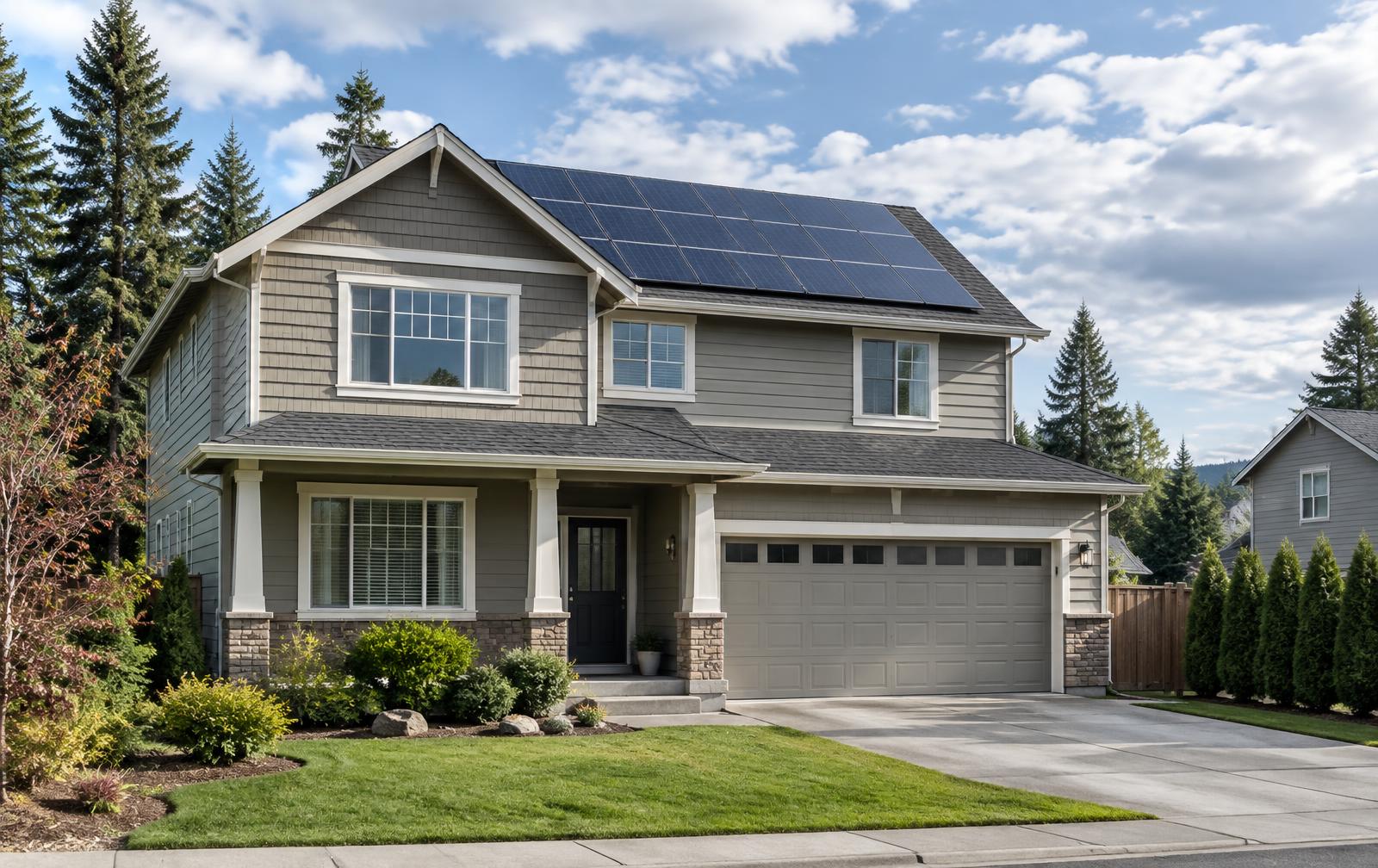
Quick answer
First find out whether the system is owned outright, financed with a loan, leased, or on a power purchase agreement. Owned systems usually transfer with the house; financed systems may need to be paid off; leases and PPAs require the provider to approve the buyer and transfer the contract. Ask for the agreement, production history, warranties, the utility interconnection paperwork and the roof's age, and have the title company check for a fixture filing. Appraisers may give little value to a leased system, so price and financing should reflect what you actually own.
4 types
Owned, financed, leased or power purchase agreement
Title
Check for a fixture filing tied to the system
Roof age
Panels may need removal for a future roof
EN + 中文
Contracts reviewed in both languages
Questions this hub answers
- buying a house with solar panels
- buying a house with leased solar panels
- solar lease transfer
- solar panels and home value
- negotiating strategy for house with solar panels and price drops
How we evaluate a solar home
- 01
1. Identify the ownership type
Ask the listing agent and seller for the purchase receipt, loan payoff statement, lease or PPA. The ownership type changes almost every other decision.
- 02
2. Read the transfer terms early
Leases and PPAs usually require the buyer to apply and qualify with the solar company. Start that process as soon as you are under contract, and make it part of your contingencies.
- 03
3. Verify production and savings
Request at least 12 months of utility bills and monitoring data. Shade from tall evergreens and orientation matter in the Seattle area; projections from a sales brochure are not evidence.
- 04
4. Inspect the roof and the installation
Ask the inspector to note roof condition, penetrations and any leaks. Get the remaining roof life and the cost to remove and reinstall panels when the roof is replaced.
- 05
5. Negotiate from what transfers
If the home has had price drops or a failed sale, ask why. Lease terms, an aging roof or an unclear payoff are common reasons — and fair grounds for price or credit discussions.
Solar ownership types compared
| Type | Who owns the panels | At sale | Buyer should ask for |
|---|---|---|---|
| Owned (paid off) | Homeowner | Transfers with the house | Receipt, warranties, interconnection papers |
| Owned with a solar loan | Homeowner, with a loan | Loan usually paid off at closing | Payoff statement; confirm any filing is released |
| Lease | Solar company | Buyer assumes lease if approved | Lease, remaining term, escalator, buyout option |
| Power purchase agreement | Solar company | Buyer assumes PPA if approved | Rate per kWh, escalator, term, transfer rules |
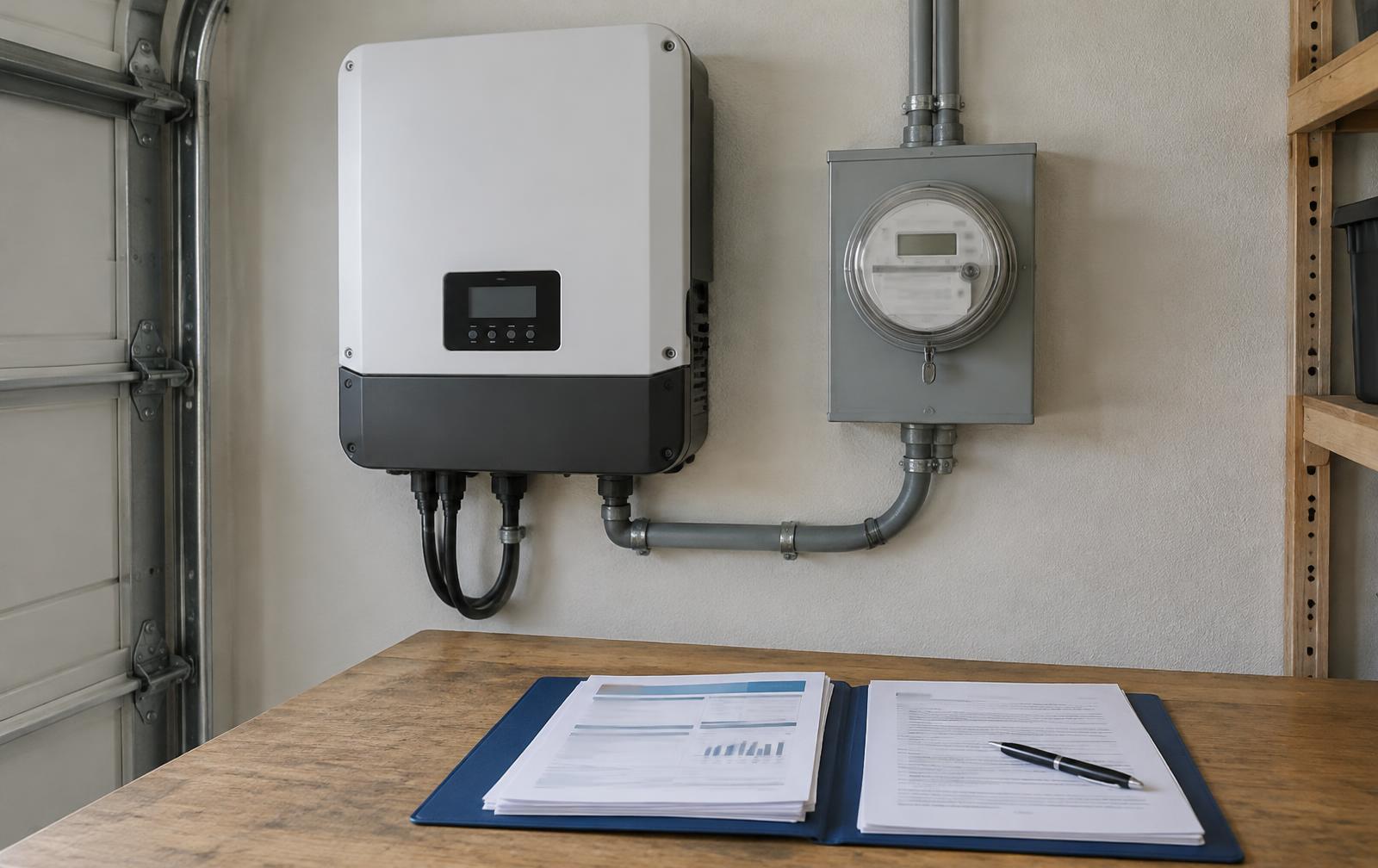
Checklist
Before you offer on a solar home
- Ownership type confirmed with documents.
- Lease or PPA transfer application and timeline understood.
- 12 months of utility bills and production data reviewed.
- Roof age, condition and panel removal cost known.
- Title report checked for a fixture filing or lien.
- Equipment and workmanship warranties and their transferability confirmed.
- Lender and appraiser told how the system is owned.
- Reason for any price drops or failed sale asked and answered.
Frequently asked questions
Is buying a house with solar panels a good idea?
It can be, especially when the system is owned and well documented. The value depends on ownership type, real production history, roof condition and whether contracts transfer cleanly.
What happens when you buy a house with leased solar panels?
The lease usually stays with the panels, so the buyer must be approved by the solar company and agree to take over the payments. Some sellers instead buy out the lease before closing.
Do solar panels increase home value?
Owned systems can add value, but appraisers vary in how they count them. Leased systems are typically not counted as part of the home's value because the buyer does not own them.
How long does a solar lease transfer take?
It depends on the provider. Start the application as soon as you are under contract and build the timing into your agreement so it does not delay closing.
Can I still claim a federal solar tax credit on a used system?
Generally no. The residential clean energy credit applied to the original owner's new installation, and under 2025 federal legislation it is not available for expenditures made after December 31, 2025. Confirm with a tax professional.
How do I negotiate on a solar home with price drops?
Find out why it has not sold. Unfavorable lease terms, roof age or payoff issues are legitimate reasons to request a lower price, a credit or a lease buyout by the seller.
Go deeper
Related
Home inspection negotiation in Washington
Roof and installation findings.
Related
Property easements and restrictions
Other items that show up on title.
Related
Low-ball offers and counter offers
Negotiating on a reduced listing.
Related
Cost to own a home in Seattle
Monthly costs beyond the mortgage.
Related
New construction vs existing home
Systems, warranties and age.
Related
Buyer services
How we check documents before you offer.
Other topic guides

Family transfers
Gift of equity and selling a home to a family member in Washington.
Title & closing
Selling a house with a lien in Bellevue and Greater Seattle.
Land value
Selling an older Eastside home to a builder: land value vs. retail sale.

Visa & foreign buyers
Buying a home in Bellevue as a foreign national or visa holder.
Tech relocation
Moving to Bellevue for a tech job: rent first or buy now?

Schools & addresses
Buying by school assignment in the Bellevue School District.

Waterfront & unique homes
How to price a waterfront or one-of-a-kind home.

Listing problems
How to cancel a listing agreement and change agents.

Building & financing
Construction loans for self-employed and small business owners.

Land & lot value
Should you split a double lot before selling it?

Water & site risk
Flood zone, creek and drainage checks before you buy.

Landlords & investors
Selling a rental property to your current tenant.

Choosing an agent
How to choose a real estate agent in Seattle and on the Eastside.

Interview & review
Questions to ask before hiring — and how to tell if your agent is doing a good job.
Fees & commission
Who pays realtor fees in Washington — and what an agent actually keeps.
First-time buyers
Buying your first home in Washington State — including without a US credit history.
Home value
How to get an accurate home value estimate in Bellevue, Redmond and West Bellevue.
Investment property
Buying an investment property on the Eastside: returns, rules and the numbers to run.

Listing presentation
Staging and listing photos: virtual staging, AI edits and what buyers trust.
Stalled listings
Your house is not selling: what to change, and whether to pause the listing.
Seller options
Instant cash offer vs listing your home: how to compare them properly.
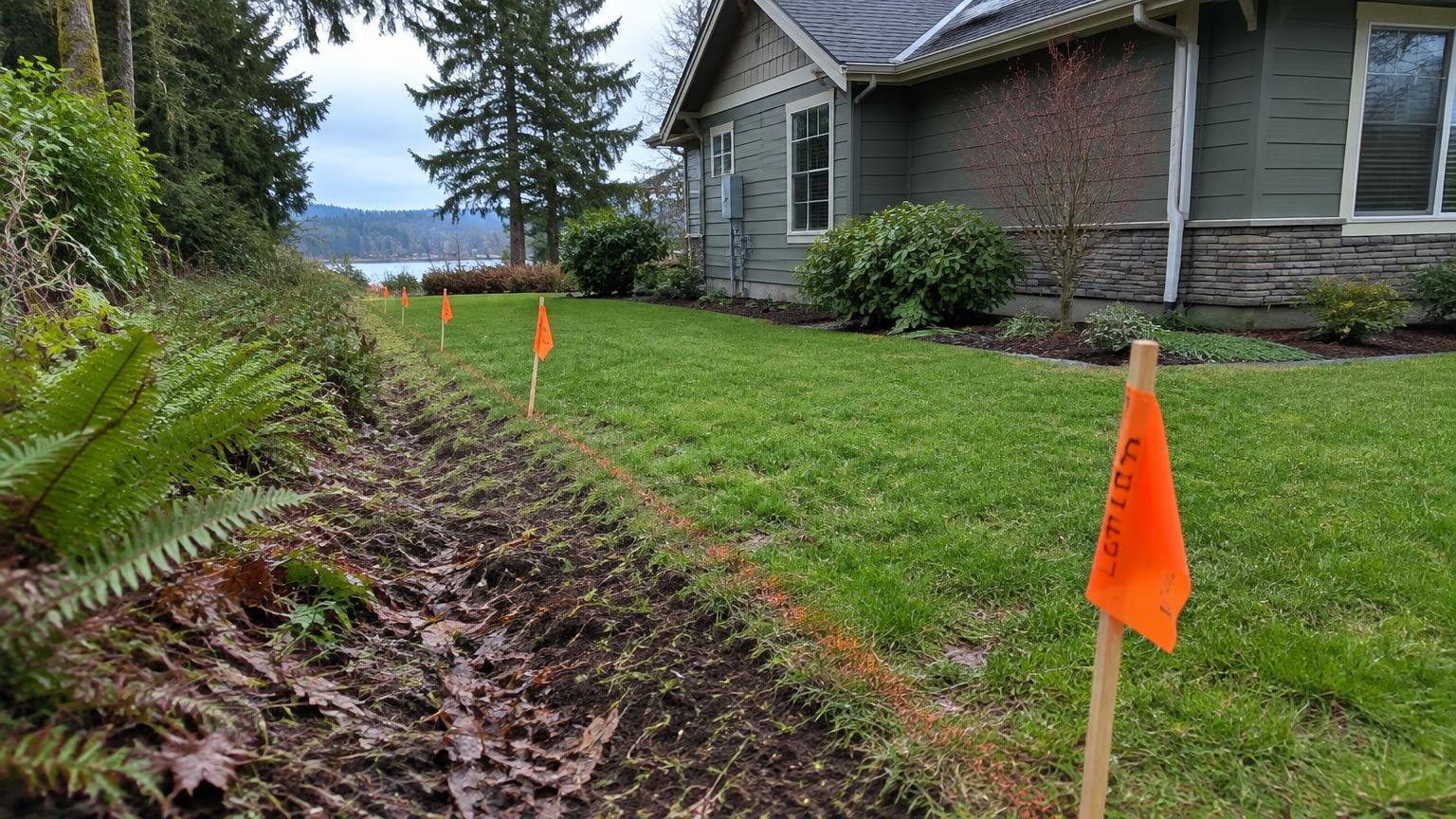
Due diligence
Easements, shared driveways and recorded restrictions: check before you buy.

Buyer strategy
Competing with all-cash offers as a financed buyer on the Eastside.
List price strategy
Pricing below market, offer review dates and how many showings to expect.

Offers and negotiation
What counts as a low-ball offer — and how to counter without losing the deal.
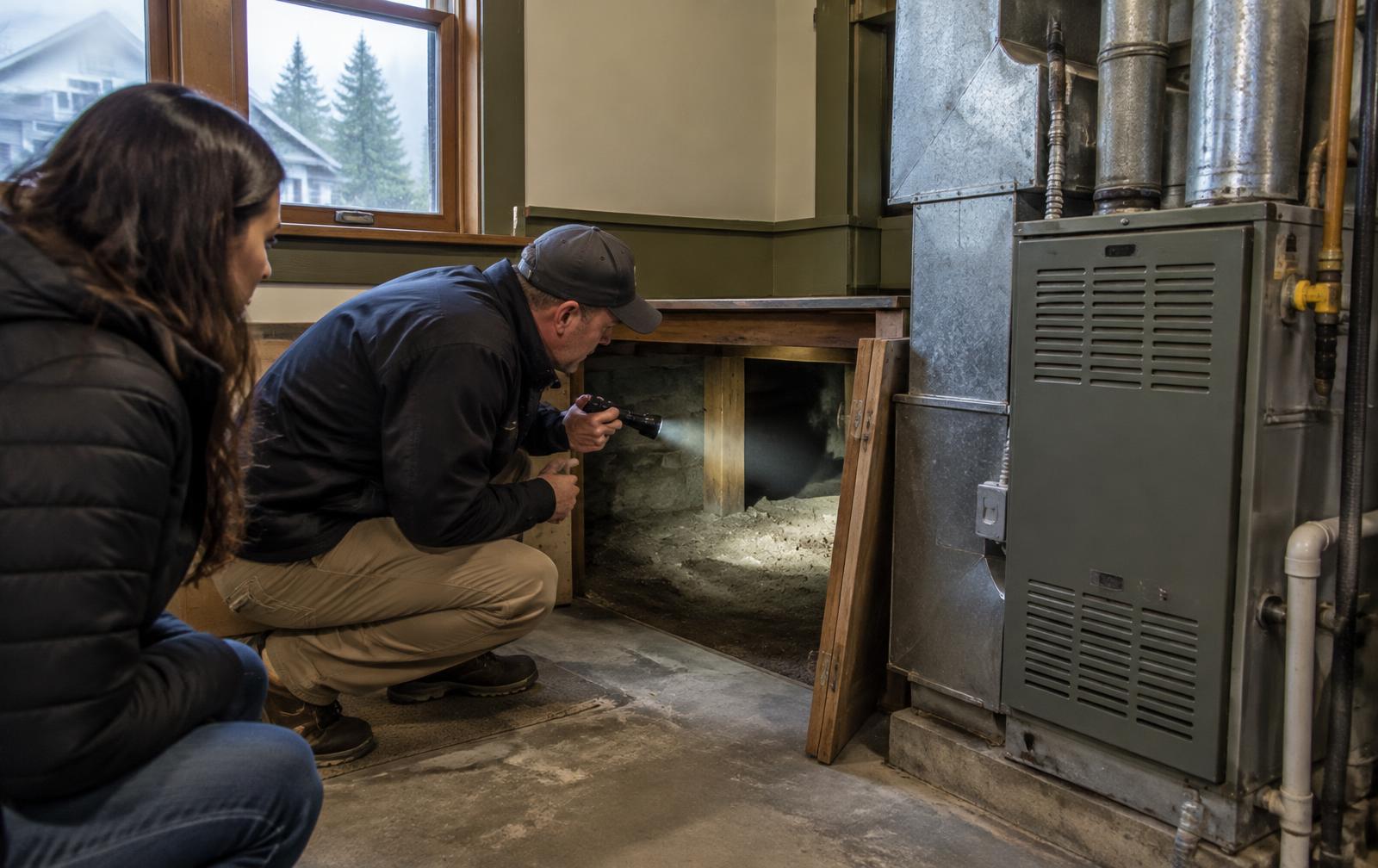
Inspection negotiation
Home inspection negotiation in Washington: repair requests, credits and difficult sellers.

Selling while living there
Selling a house while living in it: showings, kids, pets and the stress of selling.
Looking at a home with solar?
We will request the right documents, check transfer terms and roof age, and help you price the offer around what you actually own.
Book a consultation