
Offers and negotiation
What counts as a low-ball offer — and how to counter without losing the deal.
A low offer feels personal; it is usually a buyer testing the price, the seller's motivation or their own budget. Sellers who reject it outright sometimes lose the only serious buyer, and buyers who send an unsupported number often get ignored. This hub covers both sides of the same conversation for Bellevue, Seattle and Eastside homes.

Quick answer
There is no fixed percentage that makes an offer a low-ball. An offer is low when it sits well under what recent comparable sales and current competition support, without terms or evidence that explain the gap. Sellers usually do better countering with a supported number than rejecting; buyers do better attaching the comparables, inspection concerns or timing reasons behind a lower price. In Washington, each counter offer replaces the previous offer, so read every revised term, not just the price.
0
Fixed percentages that define a low-ball offer
Comps
The evidence both sides should negotiate from
All terms
Price, credits, contingencies and dates — not price alone
EN + 中文
Negotiation explained in both languages
Questions this hub answers
- what is considered a low ball offer on a house
- low ball offer
- how to respond to a low ball offer
- counter offer real estate
- how to make a lower offer on a house
How we handle a low offer
- 01
1. Separate the number from the terms
A lower price with no financing contingency, a short inspection window or a flexible closing can be worth more than a higher price with weak terms. Compare net proceeds and certainty, not headline price.
- 02
2. Check the buyer's evidence
Ask the buyer's agent what supports the number: comparable sales, condition, inspection findings, or budget. The answer tells you whether there is room to meet.
- 03
3. Counter with a supported number
A counter backed by comparables and recent buyer activity keeps the buyer engaged. Silence or an emotional rejection usually ends the conversation.
- 04
4. Trade terms, not only dollars
Closing date, rent-back, included items, or a repair credit can bridge a gap that price alone cannot.
- 05
5. Put every change in writing
Under Washington purchase agreements, a counter offer creates a new offer. Read every term that changed and every deadline it starts.
Seller responses compared
| Response | When it fits | Likely result | Watch out for |
|---|---|---|---|
| Counter near your supported price | Buyer is qualified but anchored low | Negotiation continues | Counter too close to list price ends talks |
| Counter on terms | Price gap is small; terms matter to the buyer | Gap closes without a big price change | Giving away terms you actually need |
| Decline and invite a new offer | Offer far below value with no evidence | Buyer may return with a better number | Losing the only active buyer |
| Accept | Offer is in range and terms are strong | Deal moves to inspection | Accepting under pressure without comparing |
Checklist
Before you respond to an offer
- Net proceeds calculated, including credits and closing costs.
- Financing type, down payment and pre-approval reviewed.
- Inspection, financing and appraisal contingencies and their deadlines noted.
- Comparable sales and current competing listings re-checked.
- Your lowest acceptable price and must-have terms written down.
- Every counter term reviewed, not just price.
Frequently asked questions
What is considered a low ball offer on a house?
One that sits well below what comparable sales and current competition support, without a reason such as condition, inspection findings or unusually strong terms. There is no fixed percentage.
Should I ignore a low ball offer?
Usually not. A brief, supported counter keeps a possible buyer in the conversation. Ignoring the offer gives them no reason to come back with a better one.
How does a counter offer work in Washington?
A counter offer rejects the previous offer and proposes new terms. The other side can accept, counter again or walk away. Each version should be checked for changed dates and contingencies.
As a buyer, how do I make a lower offer that is taken seriously?
Show the reason: comparable sales, condition issues or how long the home has been listed. Strong terms — solid financing, flexible closing — help a lower price land.
Can a low offer still end in a sale?
Yes. Many sales start with a gap. What matters is whether both sides can see the evidence and trade terms to close it.
Go deeper
Related
Pricing below market and offer review dates
Set the opening price you can defend.
Related
Home inspection negotiation in Washington
When a price change comes after inspection.
Related
Competing with cash offers
Terms that compete beyond price.
Related
Appraisal gap coverage
When price and appraisal disagree.
Related
How much are closing costs in Washington?
Calculate net proceeds correctly.
Related
Buyer services
How we prepare and negotiate offers.
Other topic guides

Family transfers
Gift of equity and selling a home to a family member in Washington.

Title & closing
Selling a house with a lien in Bellevue and Greater Seattle.
Land value
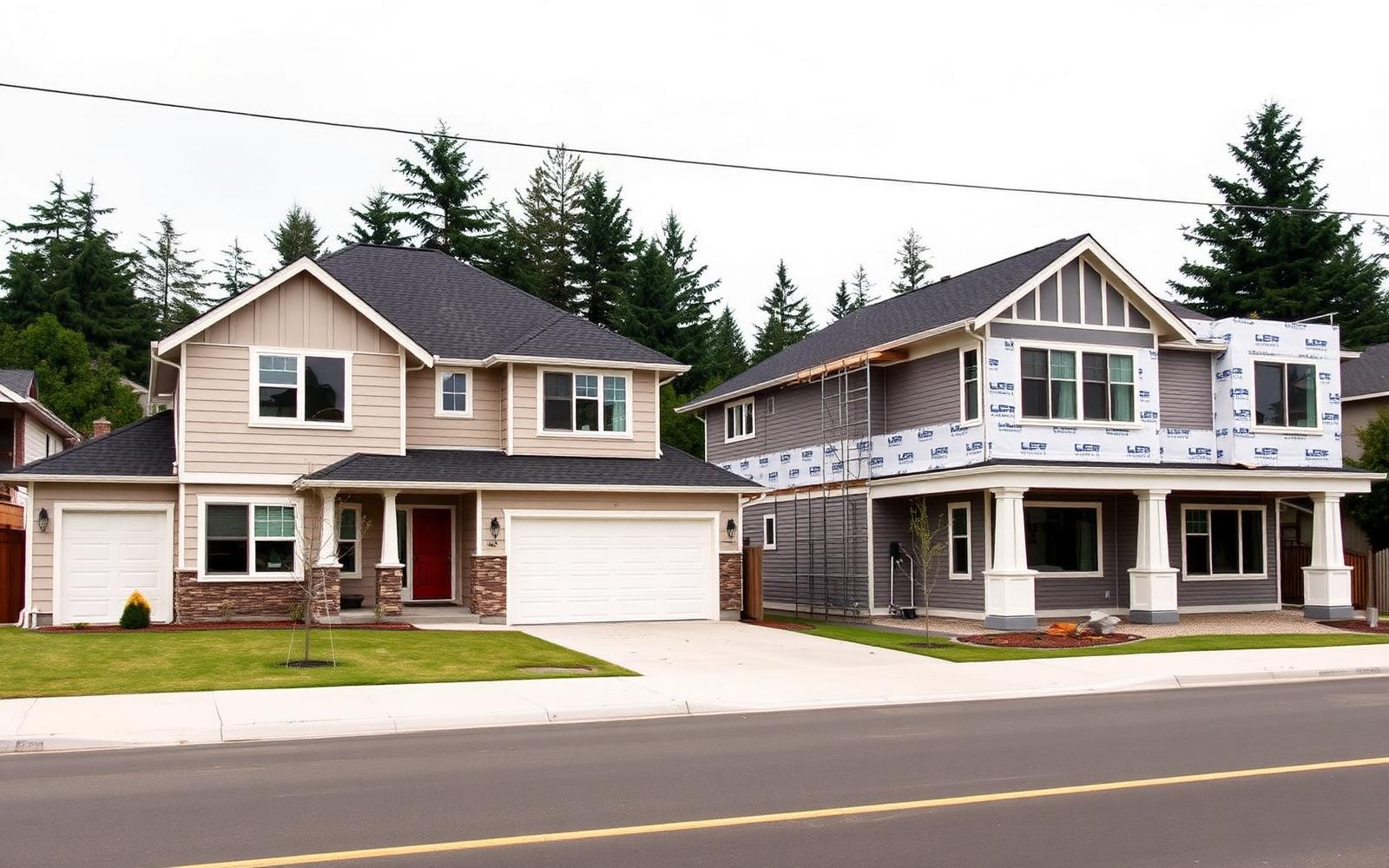
Selling an older Eastside home to a builder: land value vs. retail sale.

Visa & foreign buyers
Buying a home in Bellevue as a foreign national or visa holder.

Tech relocation
Moving to Bellevue for a tech job: rent first or buy now?

Schools & addresses
Buying by school assignment in the Bellevue School District.

Waterfront & unique homes
How to price a waterfront or one-of-a-kind home.

Listing problems
How to cancel a listing agreement and change agents.

Building & financing
Construction loans for self-employed and small business owners.

Land & lot value
Should you split a double lot before selling it?

Water & site risk
Flood zone, creek and drainage checks before you buy.

Landlords & investors
Selling a rental property to your current tenant.

Choosing an agent
How to choose a real estate agent in Seattle and on the Eastside.

Interview & review
Questions to ask before hiring — and how to tell if your agent is doing a good job.
Fees & commission
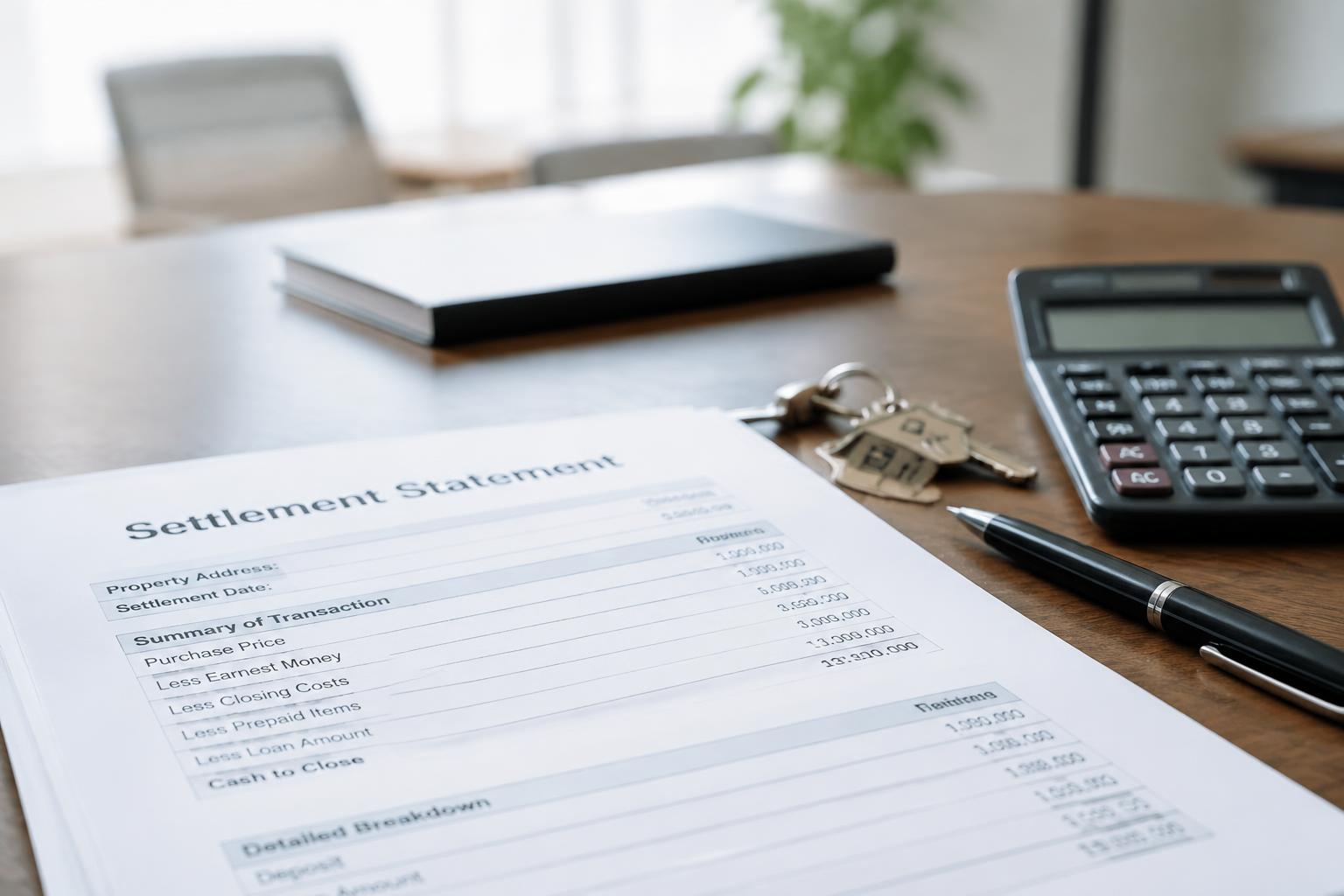
Who pays realtor fees in Washington — and what an agent actually keeps.

First-time buyers
Buying your first home in Washington State — including without a US credit history.

Home value
How to get an accurate home value estimate in Bellevue, Redmond and West Bellevue.
Investment property
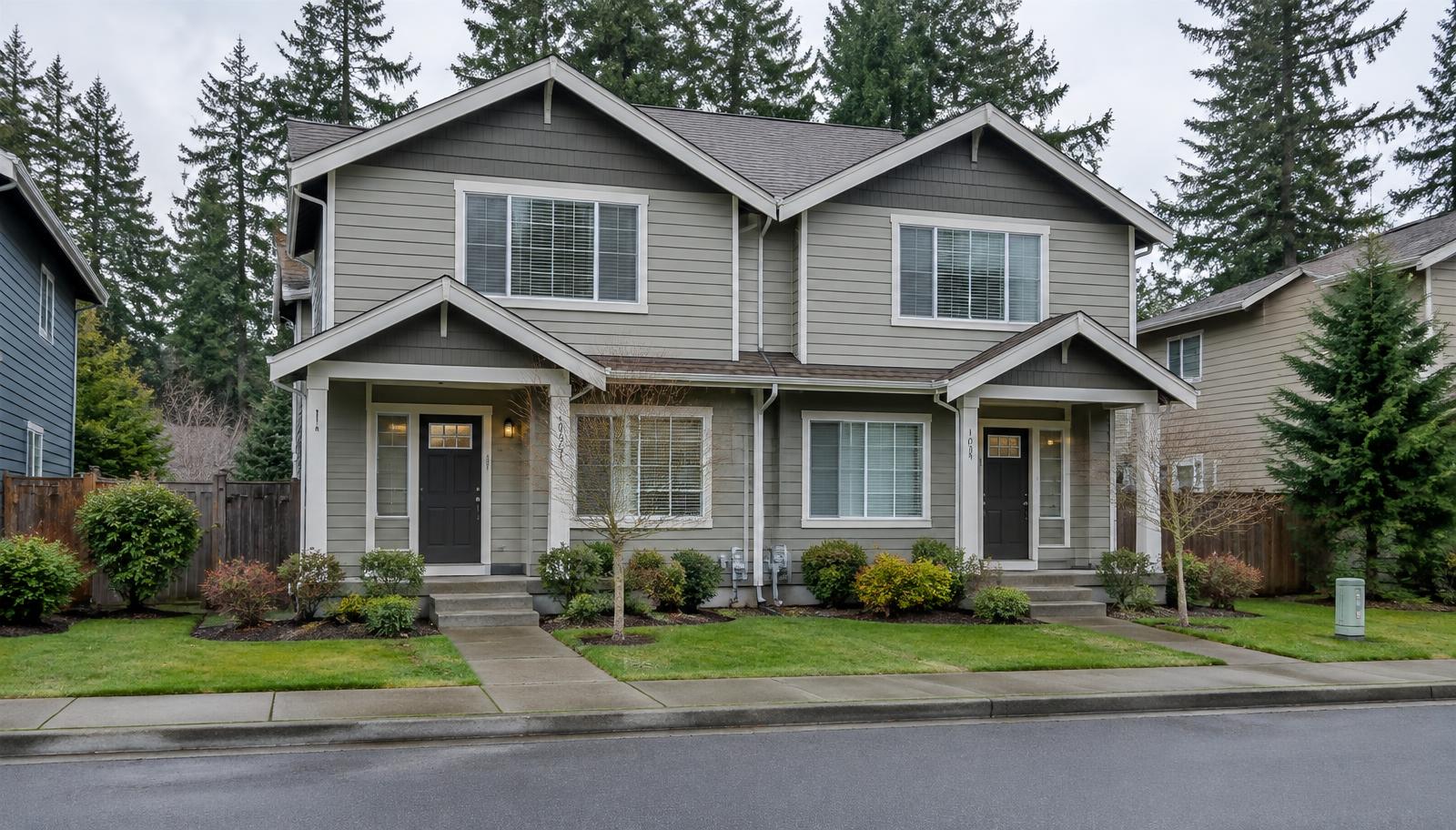
Buying an investment property on the Eastside: returns, rules and the numbers to run.

Listing presentation
Staging and listing photos: virtual staging, AI edits and what buyers trust.
Stalled listings
Your house is not selling: what to change, and whether to pause the listing.
Seller options
Instant cash offer vs listing your home: how to compare them properly.
Due diligence
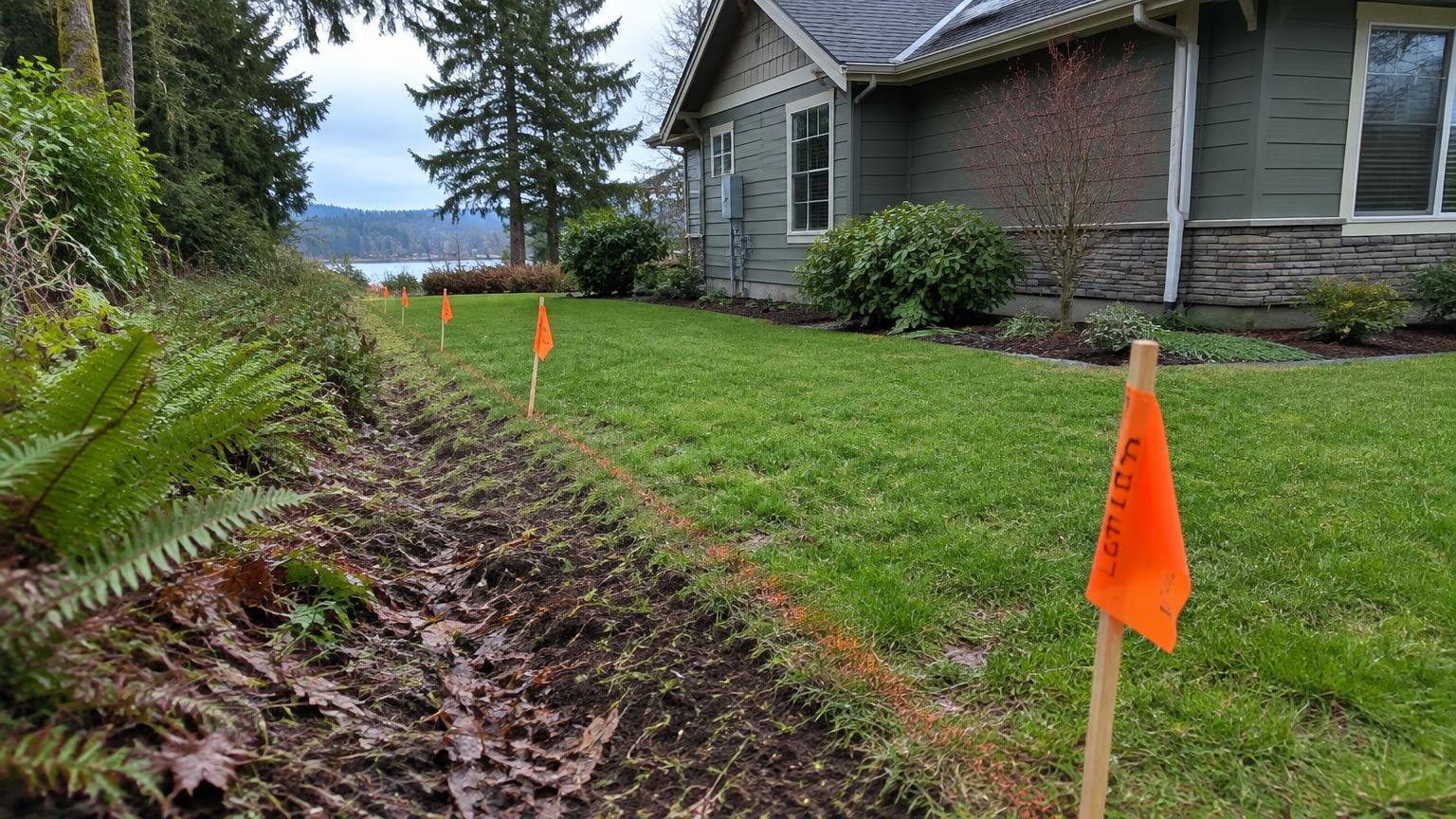
Easements, shared driveways and recorded restrictions: check before you buy.

Buyer strategy
Competing with all-cash offers as a financed buyer on the Eastside.

List price strategy
Pricing below market, offer review dates and how many showings to expect.
Inspection negotiation
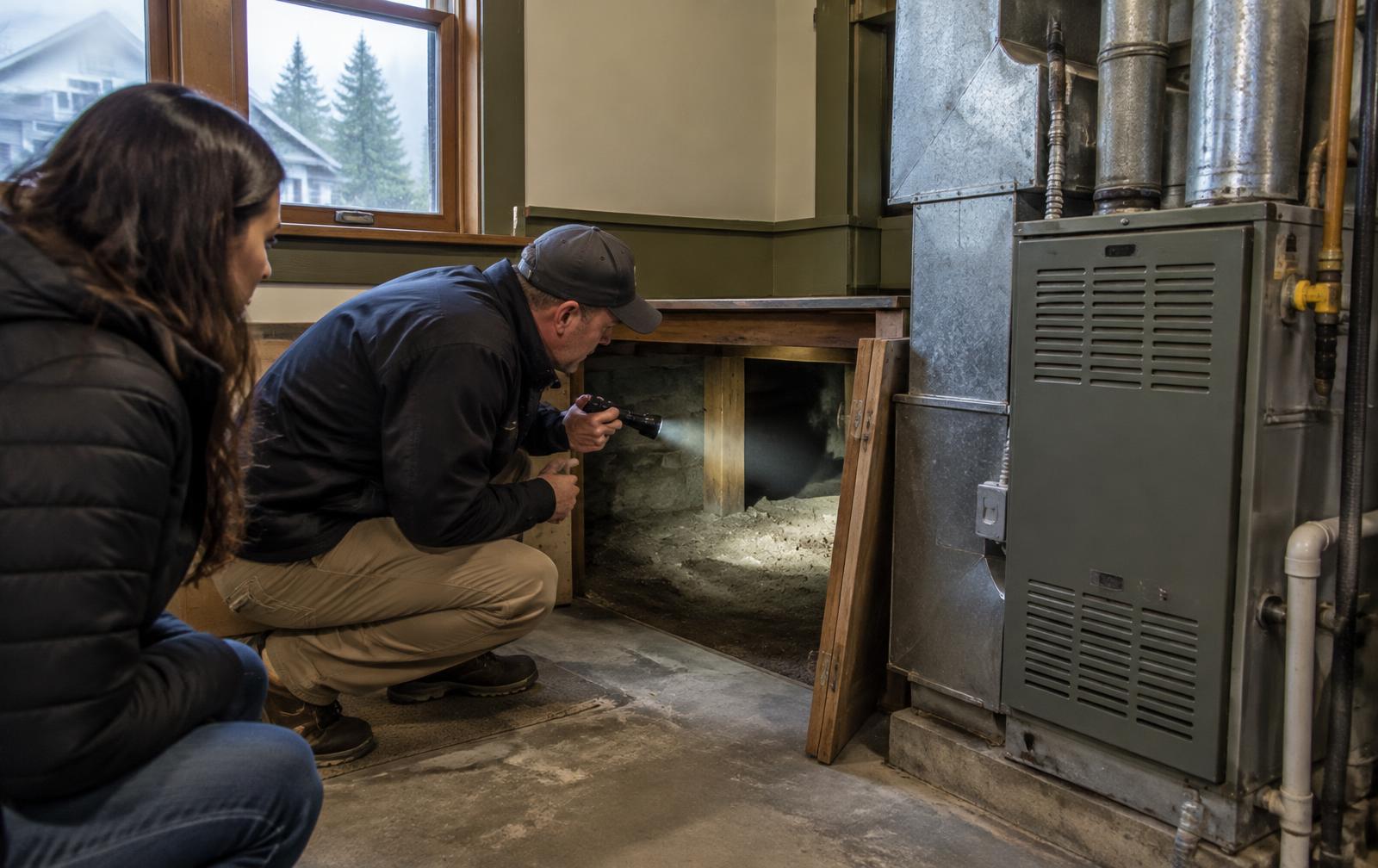
Home inspection negotiation in Washington: repair requests, credits and difficult sellers.
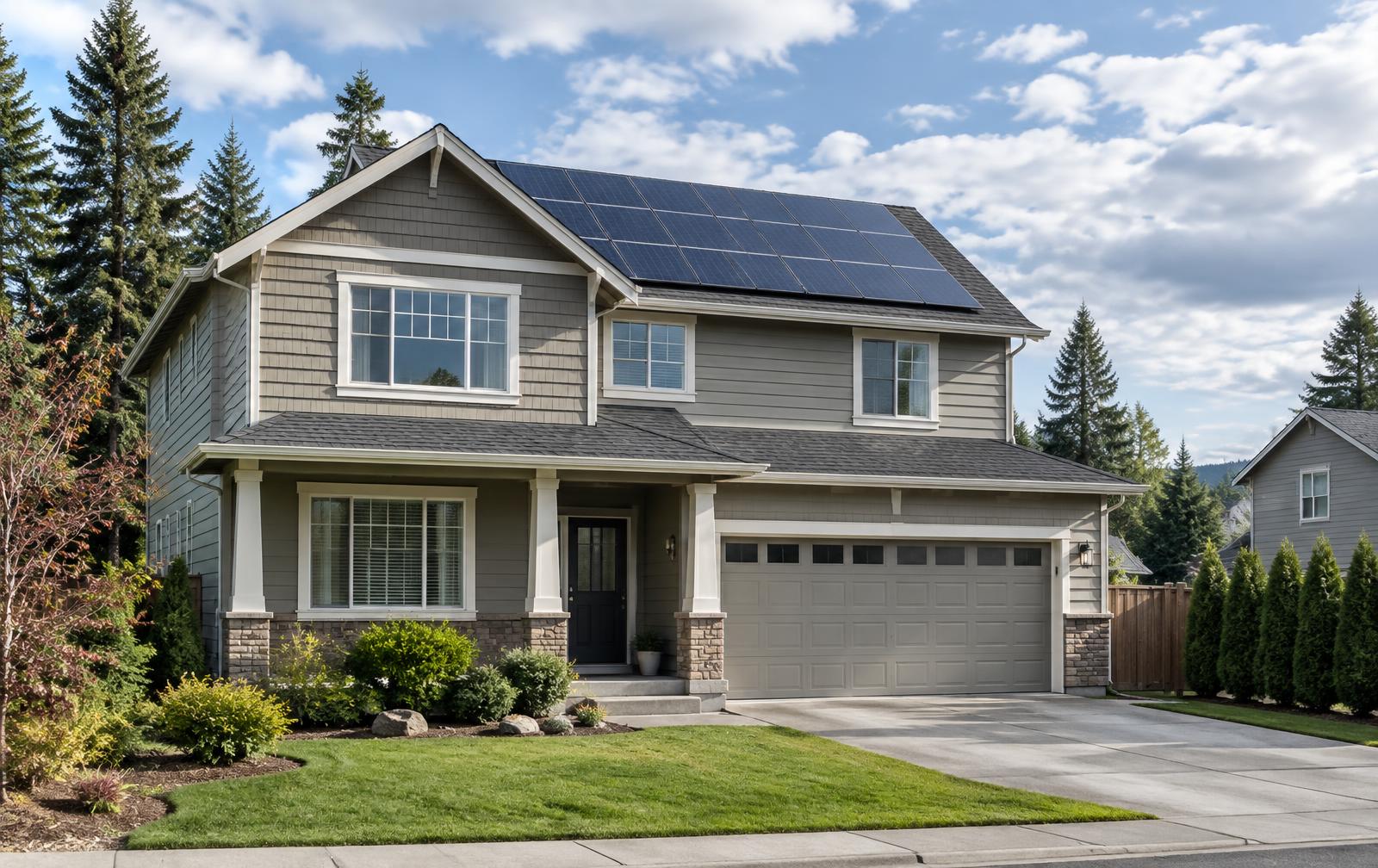
Solar homes
Buying a house with solar panels: owned vs leased, transfers and price drops.

Selling while living there
Selling a house while living in it: showings, kids, pets and the stress of selling.
Received an offer you are unsure about?
Send us the terms. We will compare net proceeds, check the evidence behind the number and suggest a response.
Book a consultation