
Inspection negotiation
Home inspection negotiation in Washington: repair requests, credits and difficult sellers.
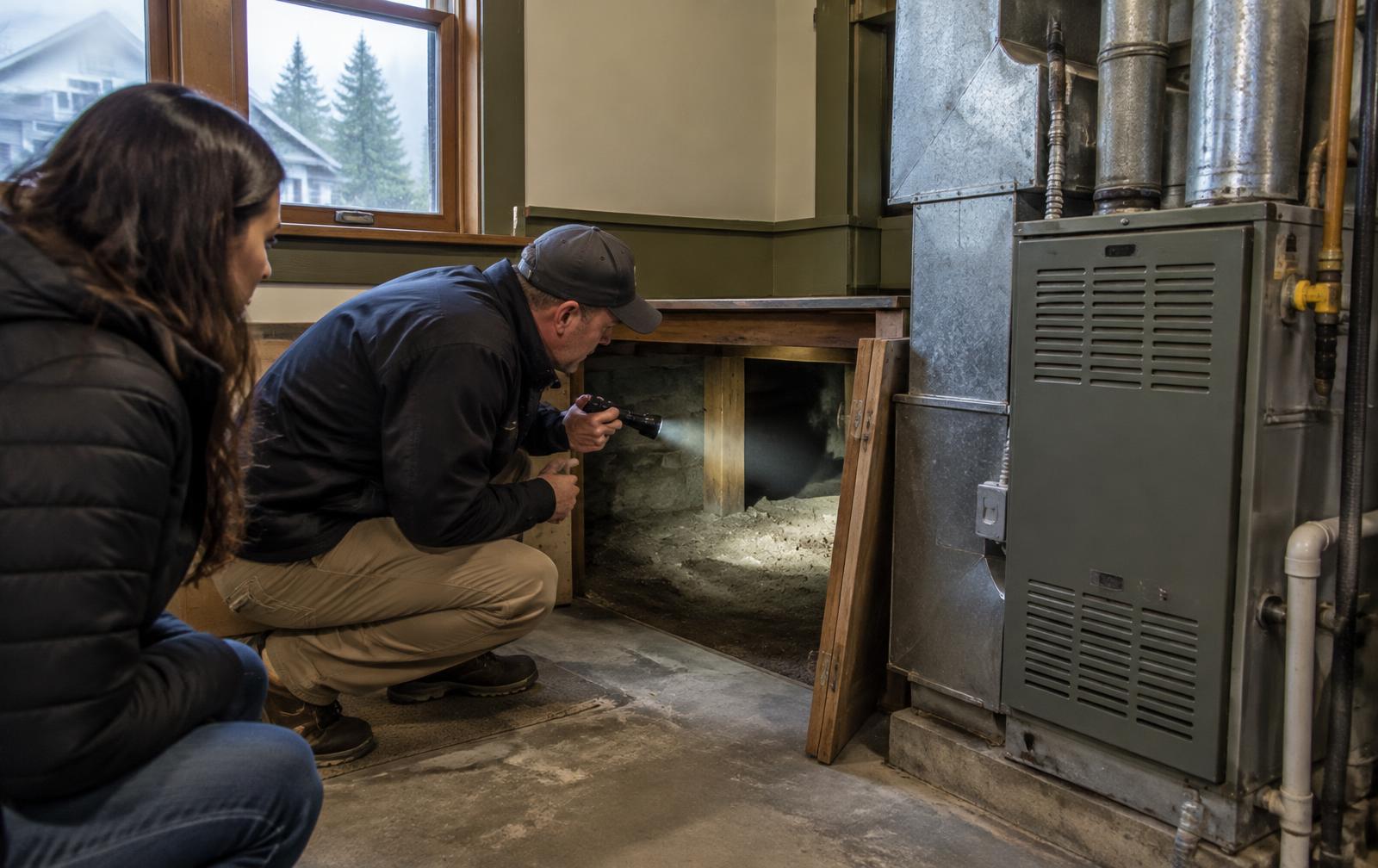
Inspection is where many Seattle-area deals either settle down or fall apart. The report lists everything, but only a few items justify a request — and the tone of that request matters as much as the dollar amount. This hub explains the Washington inspection response process and how we negotiate it for buyers and sellers.
Quick answer
Ask for what is material — safety, structure, water, roof, major systems — and support each item with the inspector's notes or a contractor estimate. Common outcomes are a repair by the seller, a credit at closing, a price reduction, or the buyer ending the agreement within the inspection contingency. In Washington the inspection contingency is usually written on the NWMLS Form 35 addendum, which sets the inspection period and the notice-and-response steps; read the deadlines on your signed form, because missing one can waive your rights.
Form 35
NWMLS inspection addendum used in most WA purchases
Deadlines
Each notice and response has a written time limit
Material
Safety, water, structure and systems come first
EN + 中文
Reports explained in both languages
Questions this hub answers
- home inspection negotiation
- what to ask for after home inspection
- home inspection repair requests
- inspection response
- repair credit vs price reduction
- seller hostile during home inspection
How we negotiate after inspection
- 01
1. Read the full report with the inspector
Attend the end of the inspection or call the inspector. Ask which findings are urgent, which are maintenance and which need a specialist — sewer scope, roof, structural or electrical.
- 02
2. Get specialist opinions and estimates quickly
A dollar figure from a licensed contractor is far more persuasive than a general concern. Schedule specialists inside the inspection period.
- 03
3. Choose repair, credit or price
Credits give the buyer control of the work; seller repairs need clear scope and receipts; price reductions change the loan amount. Confirm with the lender which structures are allowed.
- 04
4. Send a short, prioritized request
List the few material items with evidence. A long list of cosmetic items invites a hostile response and weakens the important requests.
- 05
5. Keep tone professional when the seller pushes back
Sellers often feel judged by the report. We separate emotion from facts, explain the buyer's options under the addendum, and look for a trade that keeps the deal moving.
Repair, credit or price reduction
| Option | How it works | Good for | Watch out for |
|---|---|---|---|
| Seller repair | Seller completes agreed work before closing | Items the lender requires fixed | Quality and scope; ask for invoices and permits |
| Credit at closing | Seller pays toward buyer costs | Buyer wants to choose the contractor | Lender limits on seller credits |
| Price reduction | Purchase price is lowered | Large items affecting value | Re-check appraisal and loan terms |
| No change / buyer ends agreement | Buyer accepts as-is or terminates within the contingency | Major unknowns or no agreement | Missing the deadline removes this option |
Checklist
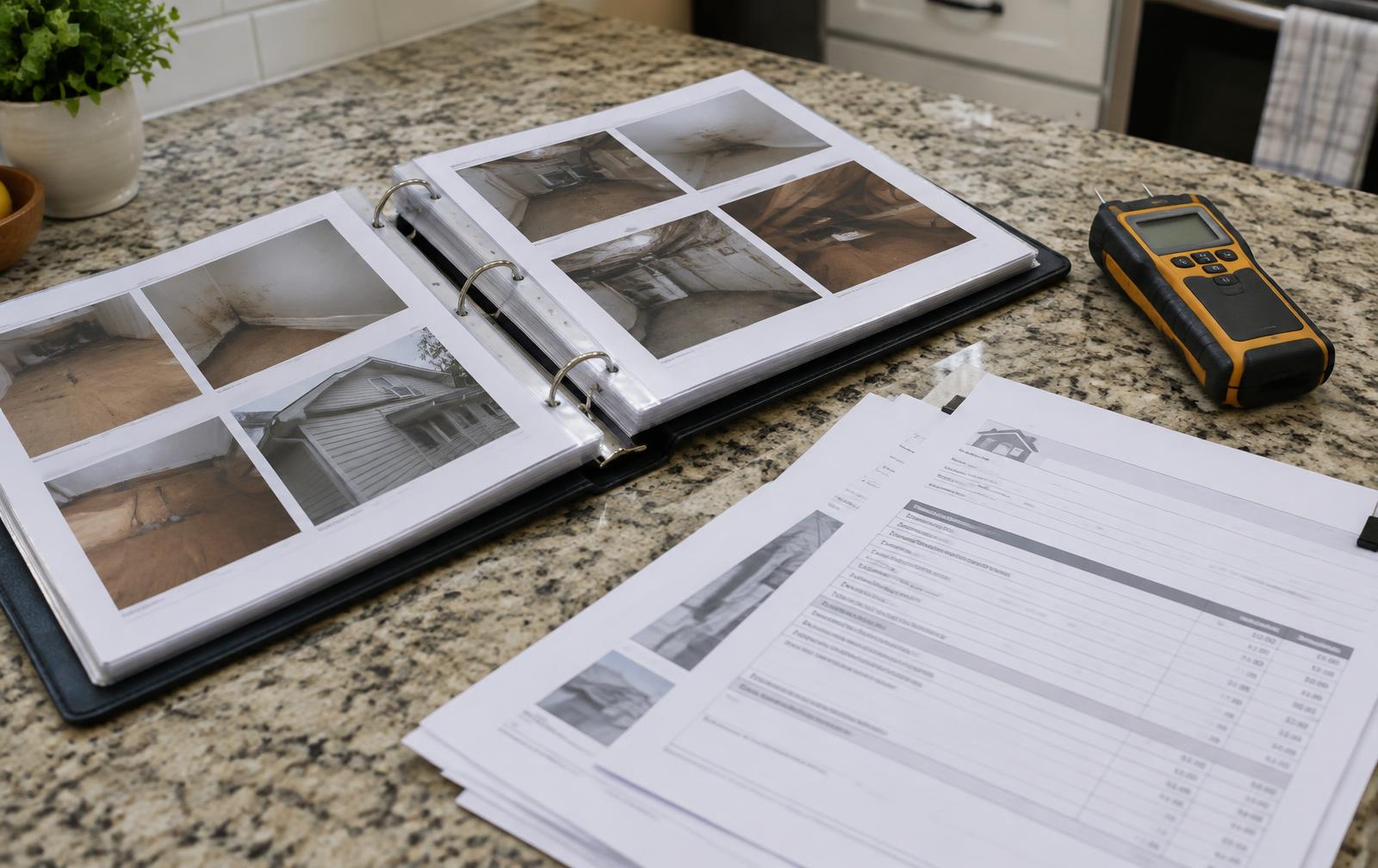
Before you send an inspection response
- Inspection period and response deadlines on your Form 35 copied to your calendar.
- Sewer scope, roof or other specialist inspections scheduled if needed.
- Contractor estimates for every item you will request.
- Request limited to material items with evidence.
- Lender confirmed which credit or repair structure is allowed.
- Seller disclosure (Form 17) compared against inspection findings.
- Plan agreed if the seller declines every request.
Frequently asked questions
What should I ask for after a home inspection?
Focus on safety, water intrusion, structural issues, roof, and major systems such as electrical, plumbing, heating and sewer. Cosmetic items and normal wear rarely justify a request.
Is a repair credit better than a price reduction?
A credit lowers cash needed at closing and lets you choose the contractor; a price reduction lowers the loan and possibly taxes. Lender rules on seller credits decide what is possible, so ask first.
What if the seller is hostile during inspection negotiation?
Keep requests short and documented, and let the brokers carry the conversation. Explain the buyer's options under the addendum calmly. Many hostile responses soften once the seller sees a contractor estimate rather than a long list.
How long is the inspection period in Washington?
It is whatever the signed agreement says. The NWMLS Form 35 addendum has a default period that buyer and seller can change, and separate time limits for the seller's response and the buyer's reply. Check your own form.
Can I back out after the home inspection?
Usually yes, if you give proper notice within the inspection contingency on your signed addendum. After the deadline passes, that right typically ends.
Should sellers get a pre-inspection?
For older homes it often helps: known issues can be repaired or disclosed up front, which reduces surprises and renegotiation later.
Go deeper
Related
Low-ball offers and counter offers
When inspection turns into a price talk.
Related
Flood zone and water risk before buying
Water findings that change the decision.
Related
Types of houses to avoid buying
Red flags before you write an offer.
Related
House buying mistakes in Seattle
Avoid the common errors.
Related
First-time home buyer in Washington
The full purchase timeline.
Related
Buyer services
How we guide inspection and negotiation.
Other topic guides

Family transfers
Gift of equity and selling a home to a family member in Washington.

Title & closing
Selling a house with a lien in Bellevue and Greater Seattle.
Land value
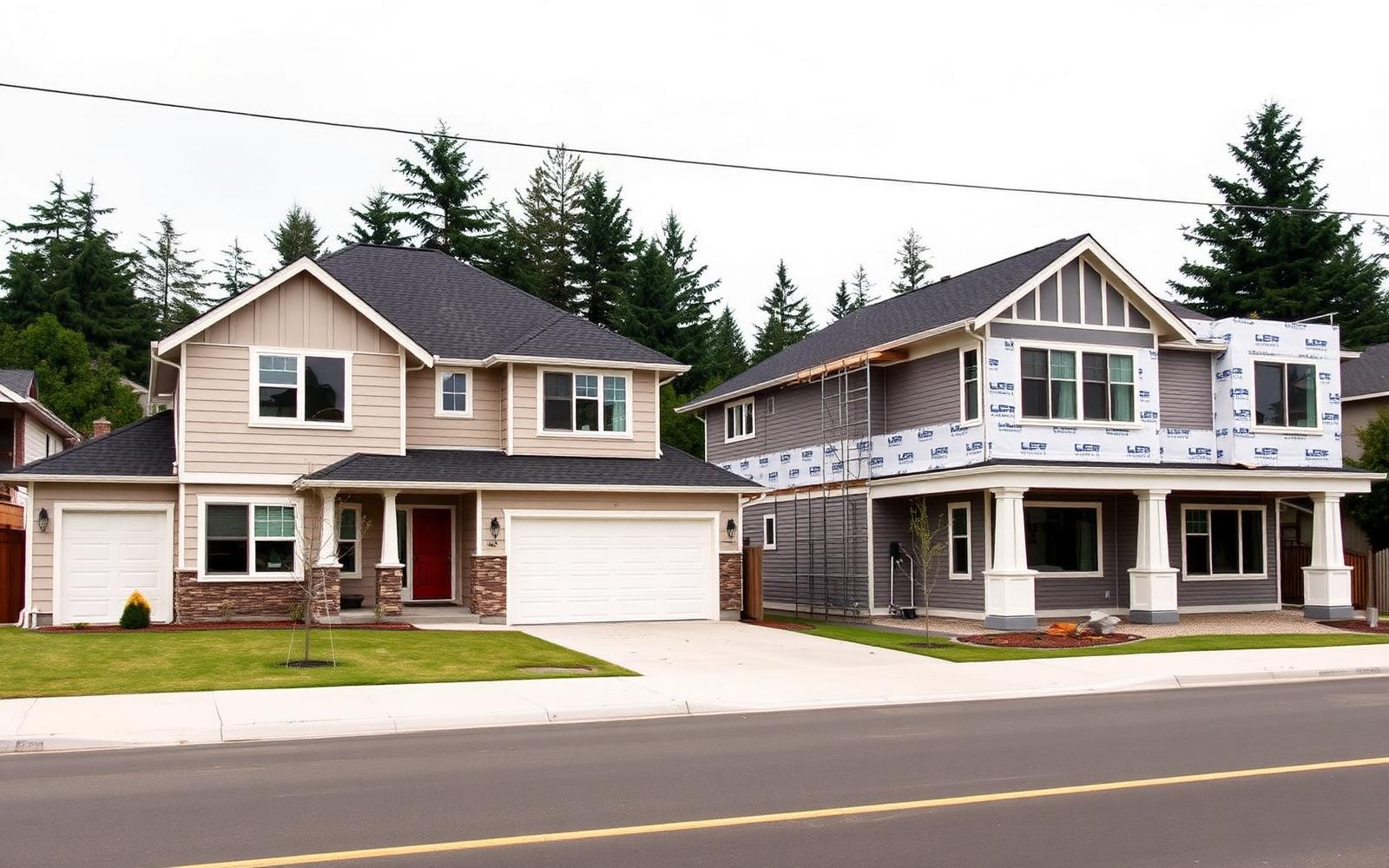
Selling an older Eastside home to a builder: land value vs. retail sale.

Visa & foreign buyers
Buying a home in Bellevue as a foreign national or visa holder.

Tech relocation
Moving to Bellevue for a tech job: rent first or buy now?

Schools & addresses
Buying by school assignment in the Bellevue School District.

Waterfront & unique homes
How to price a waterfront or one-of-a-kind home.

Listing problems
How to cancel a listing agreement and change agents.

Building & financing
Construction loans for self-employed and small business owners.

Land & lot value
Should you split a double lot before selling it?

Water & site risk
Flood zone, creek and drainage checks before you buy.

Landlords & investors
Selling a rental property to your current tenant.

Choosing an agent
How to choose a real estate agent in Seattle and on the Eastside.

Interview & review
Questions to ask before hiring — and how to tell if your agent is doing a good job.

Fees & commission
Who pays realtor fees in Washington — and what an agent actually keeps.

First-time buyers
Buying your first home in Washington State — including without a US credit history.

Home value
How to get an accurate home value estimate in Bellevue, Redmond and West Bellevue.
Investment property
Buying an investment property on the Eastside: returns, rules and the numbers to run.

Listing presentation
Staging and listing photos: virtual staging, AI edits and what buyers trust.
Stalled listings
Your house is not selling: what to change, and whether to pause the listing.

Seller options
Instant cash offer vs listing your home: how to compare them properly.
Due diligence
Easements, shared driveways and recorded restrictions: check before you buy.

Buyer strategy
Competing with all-cash offers as a financed buyer on the Eastside.

List price strategy
Pricing below market, offer review dates and how many showings to expect.

Offers and negotiation
What counts as a low-ball offer — and how to counter without losing the deal.
Solar homes
Buying a house with solar panels: owned vs leased, transfers and price drops.

Selling while living there
Selling a house while living in it: showings, kids, pets and the stress of selling.
Have an inspection report in hand?
We will help you separate urgent items from maintenance, get estimates in time and draft a response the seller can say yes to.
Book a consultation