
List price strategy
Pricing below market, offer review dates and how many showings to expect.
The first price and the first two weekends decide how most listings go. Some sellers list a little under the comparable sales to create urgency; others list at value and accept offers as they come. Both can work — and both can fail when the price, the review date and the expected showing traffic do not match the actual neighborhood. This hub explains how we set the opening strategy for a Bellevue, Seattle or Eastside listing.

Quick answer
Pricing slightly below recent comparable sales can draw more showings and several offers, but it only works when there is enough active buyer demand at that price and the seller is willing to accept the market's answer. An offer review date asks buyers to submit by a set day so the seller can compare terms together; a pre-emptive offer is a buyer's attempt to buy before that date. There is no fixed number of showings that guarantees an offer — read showing count, second visits and feedback together during the first one to two weeks.
1 date
A clear offer review date, set before going live
2 weekends
The window where showing traffic tells you the most
3 signals
Showings, second visits and written feedback, read together
EN + 中文
Pricing reviews in both languages
Questions this hub answers
- pricing a house below market value strategy
- how many showings before an offer
- how many showings to sell a house
- offer review date
- pre-emptive offer
- best time to list a house
How we set an opening price strategy
- 01
1. Price against current competition, not only past sales
Recent closed sales set the value range. Active and pending listings tell you what buyers are choosing between this week. The list price has to make sense against both.
- 02
2. Decide: priced to compete, or priced at value
A slightly lower list price is a marketing decision, not a discount. It is reasonable only if you would accept a single offer near that price. If not, list at value and let condition and presentation do the work.
- 03
3. Set the review date and rules in writing
Tell buyer agents when offers are due, whether you will consider pre-emptive offers, and how you will respond. Consistent, written rules keep buyers trusting the process.
- 04
4. Track showings, second visits and feedback daily
Raw showing counts mislead. Second visits, disclosure downloads and inspection requests are stronger signals of a coming offer.
- 05
5. Adjust at a planned checkpoint
If the first two weekends bring traffic but no offers, the price or presentation is off. We agree the checkpoint and the next step before listing, so the decision is not made in a panic.
Opening strategies compared
| Strategy | How it works | Works best when | Risk to manage |
|---|---|---|---|
| Priced slightly below comps + review date | Draws buyers to compete on one day | Low inventory, well-presented home, clear demand | A single offer near list price |
| Priced at value, offers any time | Buyers submit when ready | Unique homes, slower seasons, higher price bands | Longer exposure if no urgency builds |
| Review date with pre-emptive offers allowed | Seller may accept early at a strong price | Seller values certainty over maximum price | Other buyers feel the process was unfair |
| Priced above value to 'leave room' | Expects negotiation down | Rarely recommended | Stale listing and later price cuts |

Checklist
Before you set the list price
- Closed, pending and active comparables reviewed for the same micro-area.
- Lowest price you would accept in writing — before you see offers.
- Offer review date and pre-emptive offer policy decided.
- Disclosure package (Form 17) and pre-inspection, if any, ready on day one.
- Showing feedback system agreed with your broker.
- Checkpoint date and next step agreed if no offers arrive.
- Photos, floor plan and listing copy final before the first showing.
Frequently asked questions
Does pricing a house below market value start a bidding war?
It can, when enough buyers are actively looking in that price range and the home shows well. It does not force one. If demand is thin, a low price simply sells the house for less, so only list at a number you would accept.
How many showings before getting an offer is normal?
There is no universal number; it depends on price band, season and how many similar homes are listed. Instead of a target count, watch second visits and buyer agents asking for disclosures — those usually come before an offer.
What is an offer review date?
A day and time the seller sets for reviewing all offers together. It gives buyers time to see the home and arrange financing, and gives the seller a side-by-side comparison of price and terms.
Should I accept a pre-emptive offer?
Consider it when the price and terms are strong enough that you would be satisfied even if the review date could have brought more. Say in advance whether you will consider them, so buyers are treated consistently.
When is the best time to list a house on the Eastside?
Spring often brings the most buyers, but competition from other sellers rises too. The better question is when your home will be fully ready and how many comparable homes will be listed at the same time.
What if I get only one offer after pricing low?
You can accept, counter, or decline. That is why the lowest acceptable price should be decided before listing. Our low-ball offer guide explains how to counter without losing the buyer.
Go deeper
Related
Low-ball offers and counter offers
Receiving low ball offers after a competitive list price.
Related
Home value estimates for Eastside sellers
Where the price range comes from.
Related
House not selling? What to change
If the checkpoint arrives without offers.
Related
Best time to sell a house in Seattle
Seasonality and exposure.
Related
Escalation clauses in Washington
What competing buyers may submit.
Related
Seller services
How we market and negotiate a listing.
Other topic guides

Family transfers
Gift of equity and selling a home to a family member in Washington.

Title & closing
Selling a house with a lien in Bellevue and Greater Seattle.
Land value
Selling an older Eastside home to a builder: land value vs. retail sale.

Visa & foreign buyers
Buying a home in Bellevue as a foreign national or visa holder.

Tech relocation
Moving to Bellevue for a tech job: rent first or buy now?

Schools & addresses
Buying by school assignment in the Bellevue School District.

Waterfront & unique homes
How to price a waterfront or one-of-a-kind home.

Listing problems
How to cancel a listing agreement and change agents.

Building & financing
Construction loans for self-employed and small business owners.

Land & lot value
Should you split a double lot before selling it?

Water & site risk
Flood zone, creek and drainage checks before you buy.

Landlords & investors
Selling a rental property to your current tenant.

Choosing an agent
How to choose a real estate agent in Seattle and on the Eastside.

Interview & review
Questions to ask before hiring — and how to tell if your agent is doing a good job.

Fees & commission
Who pays realtor fees in Washington — and what an agent actually keeps.

First-time buyers
Buying your first home in Washington State — including without a US credit history.

Home value
How to get an accurate home value estimate in Bellevue, Redmond and West Bellevue.
Investment property
Buying an investment property on the Eastside: returns, rules and the numbers to run.

Listing presentation
Staging and listing photos: virtual staging, AI edits and what buyers trust.
Stalled listings
Your house is not selling: what to change, and whether to pause the listing.

Seller options
Instant cash offer vs listing your home: how to compare them properly.
Due diligence
Easements, shared driveways and recorded restrictions: check before you buy.

Buyer strategy
Competing with all-cash offers as a financed buyer on the Eastside.

Offers and negotiation
What counts as a low-ball offer — and how to counter without losing the deal.
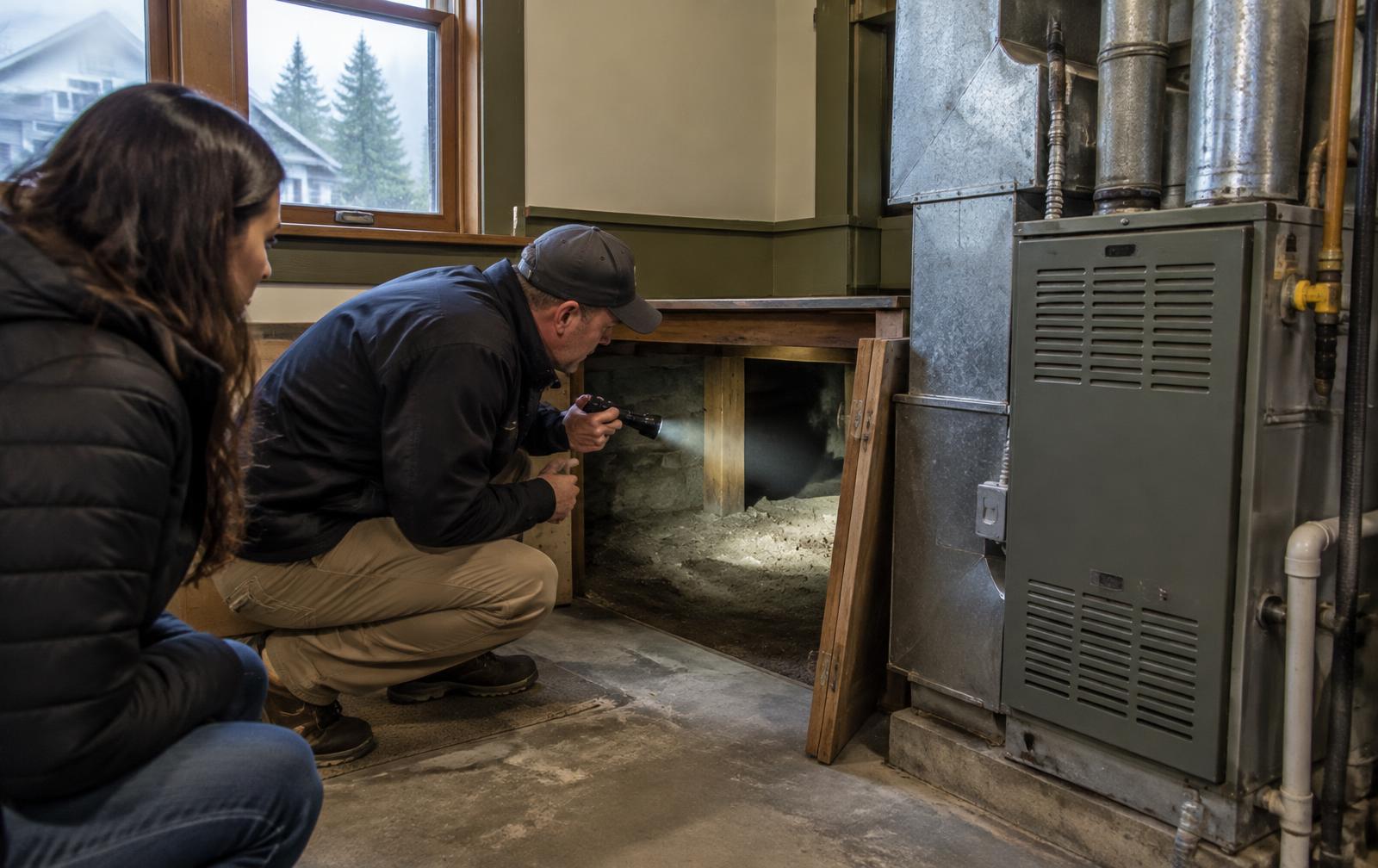
Inspection negotiation
Home inspection negotiation in Washington: repair requests, credits and difficult sellers.
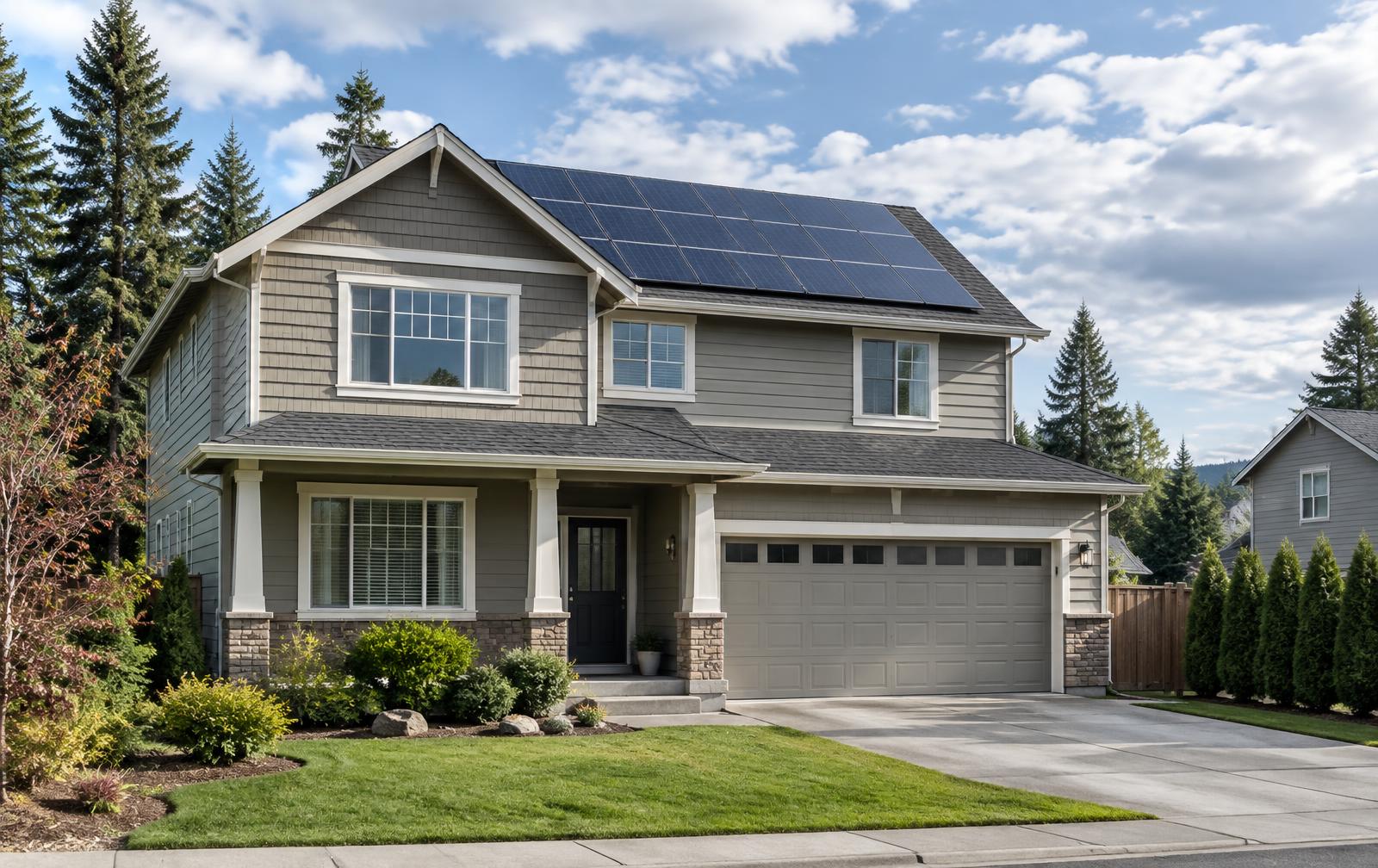
Solar homes
Buying a house with solar panels: owned vs leased, transfers and price drops.

Selling while living there
Selling a house while living in it: showings, kids, pets and the stress of selling.
Want an opening price strategy for your home?
We will review current competition, recommend a list price and review-date plan, and agree the checkpoint before your home goes live.
Book a consultation