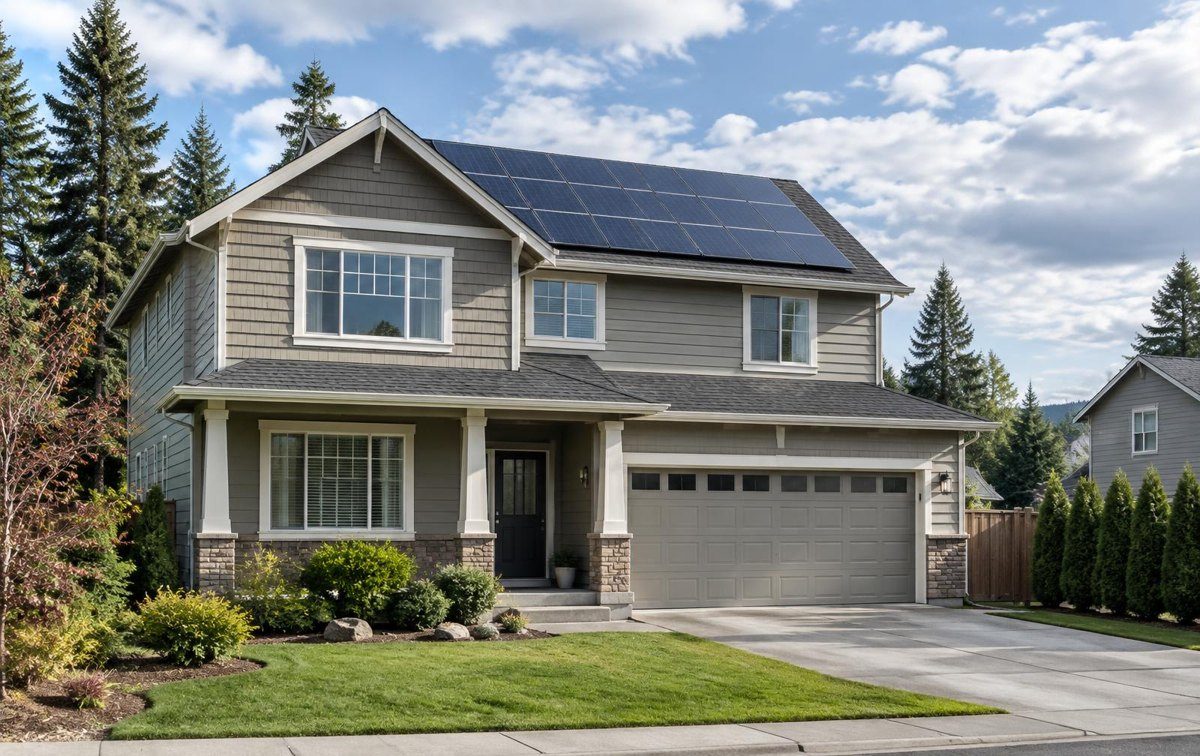
Check solar ownership, leases, PPAs, payoffs, condition, lender-approved credits, and ongoing costs before negotiating a price-reduced home.
How do you negotiate a price-reduced home with solar panels?
Separate the home’s price from the solar system’s ownership, obligations, and condition. A price reduction does not prove that the system is free of debt or that an existing agreement transfers on acceptable terms. It also does not explain why the seller reduced the price. Before proposing a further concession, establish what you are buying, what payments or restrictions may continue, and which questions require the lender, title provider, solar company, or a qualified inspector.
The useful negotiation is specific: a verified payoff, a documented transfer condition, a roof repair supported by an estimate, or an eligible credit reviewed by the lender. Days on market and the history of asking-price changes can provide context, but they do not create an entitlement to a discount. A persuasive proposal connects the requested adjustment to evidence and your purchase terms instead of treating a previous reduction as proof that the seller must accept another.
Identify who owns the equipment and what contract applies
The U.S. Department of Energy’s home-buyer guide emphasizes the ownership structure and agreements tied to a solar system. A seller-owned system differs from equipment owned by a third party. Even where the seller purchased the system with a loan, the financing and any payoff or security interest need to be addressed. Do not infer “owned outright” from the presence of panels or an informal listing description.
| Arrangement | Documents to request | Question to resolve |
|---|---|---|
| Owned without an outstanding loan | Purchase records, warranties, permits, maintenance, and title information. | What equipment and transferable rights convey with the home? |
| Owned with financing | Loan agreement, current balance, payoff instructions, and lien or filing information. | How will the financing and any recorded interest be resolved? |
| Lease | Complete lease, amendments, payment schedule, and transfer requirements. | Who owns the equipment and what approval or obligation would transfer? |
| Power purchase agreement | Complete PPA, rate provisions, term, transfer rules, and purchase or termination options. | What electricity-purchase obligations would you assume? |
The names used in a listing are not enough to classify the arrangement. Read the agreement and confirm its current status with the provider. Ask whether payments are current, whether transfer requires approval or qualification, and whether a change in homeowner triggers fees or other conditions. The seller’s statement that the agreement is “easy to transfer” is not a substitute for the provider’s written requirements.
Request the complete financial and operating record
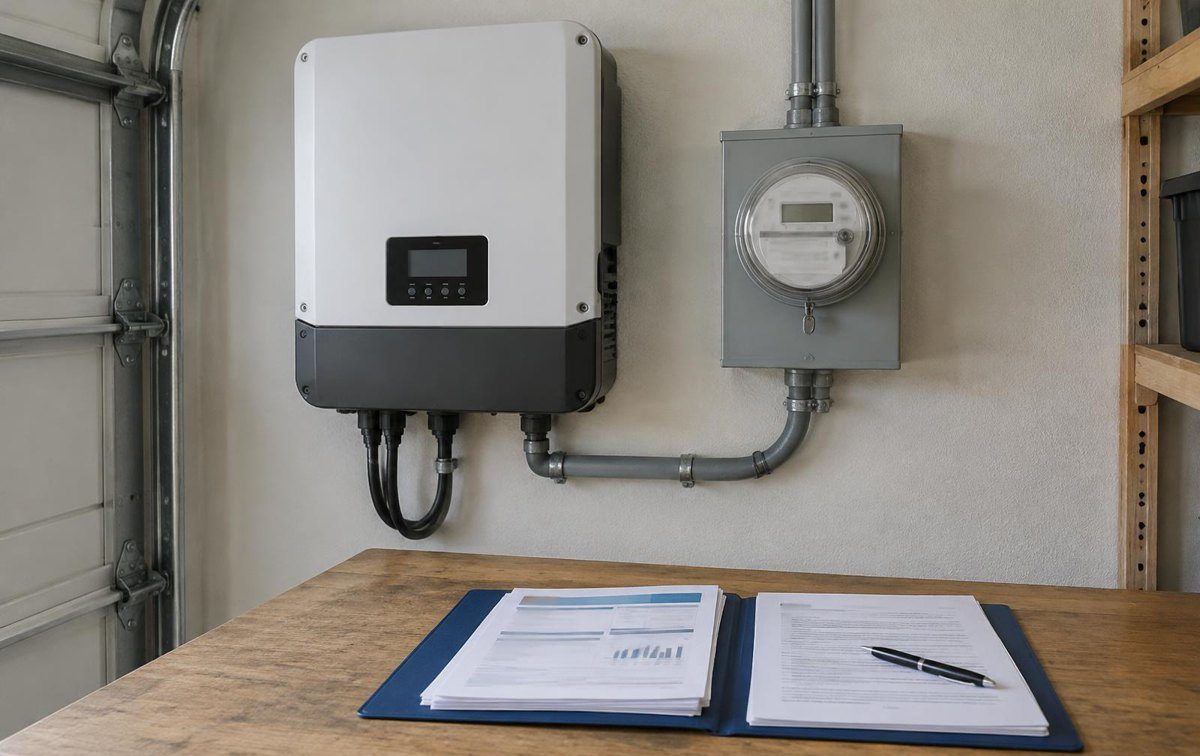
Obtain the installation and equipment details, available production records, utility bills, warranties, maintenance history, and any monitoring access information. Compare production records with the period covered by the bills. A selected summer month does not establish annual savings, and a generation figure does not necessarily equal avoided electricity cost. Household consumption and the utility’s applicable tariff influence the result.
For a lease or PPA, review the payment or rate schedule, any escalator, remaining term, transfer procedure, buyout or termination options, and responsibility for maintenance or removal. Do not assume that buying the home gives you the right to cancel the solar agreement. An advertised balance may not equal the amount required to settle it on the closing date. Request the actual provider’s calculation and identify its validity period.
Ask the title and settlement professionals about recorded interests or filings and the documents required to resolve them. Ask the lender what it needs to evaluate the system and any continuing obligation. A payment arrangement acceptable to the solar company may still require separate financing review. Have contract interpretation handled by counsel when necessary rather than rely on an agent’s promise that there is no risk.
Inspect the home, roof, and system through the right specialists
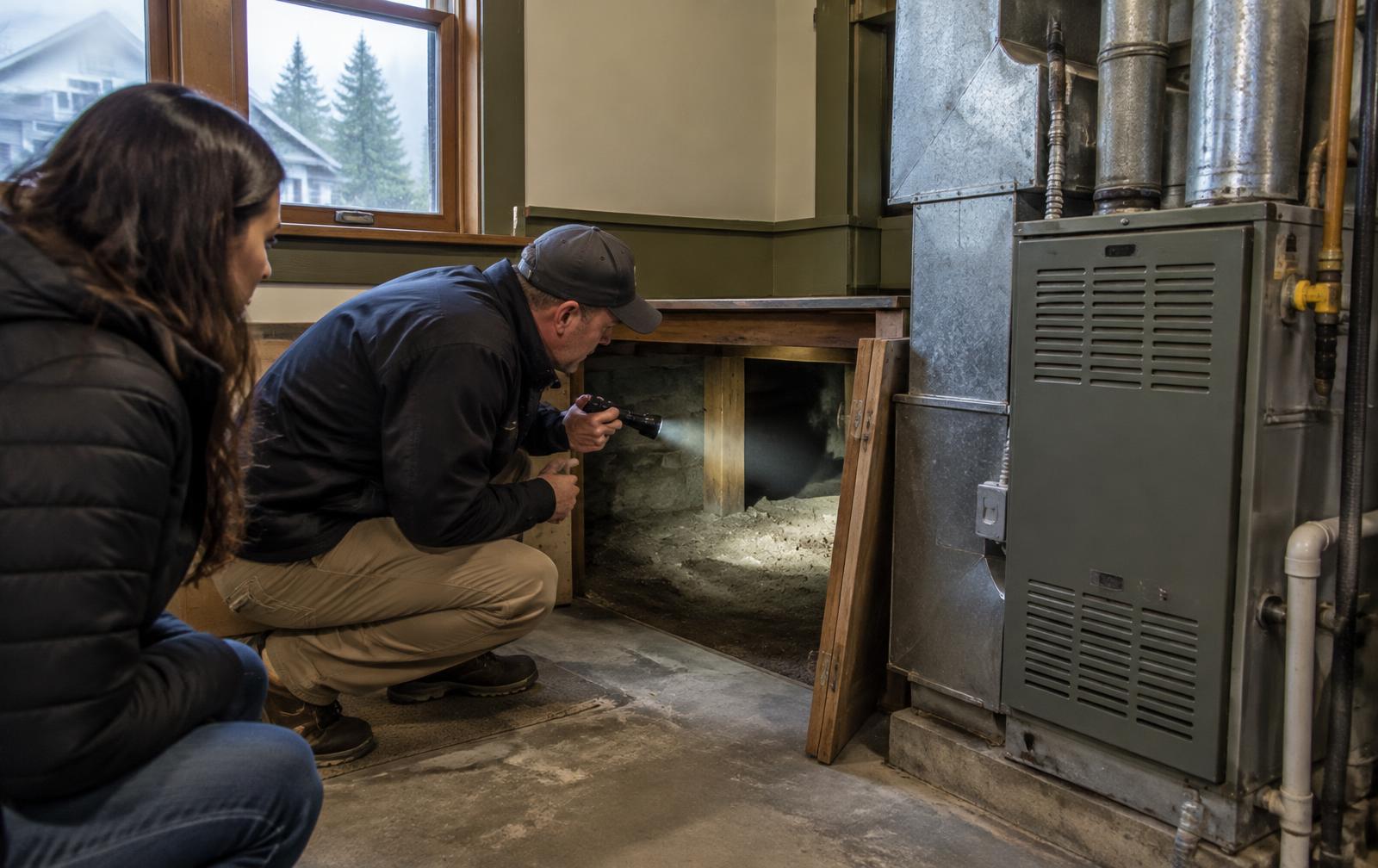
A standard home inspection is not a complete solar engineering assessment. Washington’s inspection standards describe a visual, non-exhaustive examination, and the general limitations identify matters outside the required scope. Ask what the home inspector can evaluate and which solar, electrical, or roofing questions need a qualified specialist.
Review the roof’s condition, attachment areas, equipment accessibility, inverter information, and available permit and installation documentation. If future roof work may require panel removal and reinstallation, request a written scope and cost estimate from appropriate providers. Check who is permitted to perform the work under the solar contract and warranties. An estimate for ordinary roofing alone may not include the solar-related work.
For a property in Seattle, the SDCI research tools can help locate permit records. Use the relevant jurisdiction’s tools for other addresses. Missing online information may require further inquiry; it does not by itself establish that work was illegal or that no permit exists. Ask the insurer about the coverage implications of the arrangement and do not assume a policy transfers with the sale.
Interpret price reductions in the property’s actual context
Review the asking-price history alongside comparable properties and current alternatives. A reduction can reflect a change in strategy, an unsupported initial expectation, presentation issues, or other circumstances you may not know. It is not a public explanation of the seller’s private motivation. Compare the home’s condition, property type, location, and terms rather than treating every reduction as the same negotiation opportunity.
The team’s published seller guide describes using comparable transactions, competing listings, and actual property condition instead of a city median. That method is also relevant to a buyer’s evaluation of an asking price. It does not establish a fixed discount for solar homes or an automatic concession after a certain time on market. See the documented team guide for the method’s context. Apply the comparison to the home and system you are evaluating, using verified documents and relevant property evidence.
Build the offer around what would make the purchase acceptable to you. If an unresolved obligation cannot be assumed under your financing, a lower house price may not solve it. If the system has acceptable terms but the roof needs work, the request should address that documented issue. An offer can identify separate conditions for financing, inspection, title, and transfer where appropriate; have the broker explain the actual contract process.
Compare a lower price, seller payoff, and eligible closing credit
| Proposal | What it may change | What it does not automatically change |
|---|---|---|
| Reduce the home price | Agreed purchase price and related financing calculation. | Solar ownership, transfer approval, or an existing debt. |
| Seller resolves an obligation | A documented payoff or release, if completed correctly. | System condition, warranty coverage, or every future operating cost. |
| Eligible seller closing credit | Permitted settlement expenses within lender limits. | Unrestricted repair cash or automatic cancellation of a solar agreement. |
| Agreed repair before closing | The defined condition, if properly completed and verified. | A guarantee against every hidden defect. |
Ask the lender and settlement provider to review any proposed credit and the resulting cash-to-close. The CFPB Closing Disclosure guide helps distinguish closing costs, credits, and the cash required at settlement. A credit and a price reduction of the same nominal amount may have different effects. Confirm usable costs and financing limits before assuming that a concession creates the repair funds you need.
If the seller agrees to a solar payoff or release, identify the party issuing the payoff, the closing instructions, and how completion will be documented. Do not substitute a general credit for a required release without advice from the relevant professionals. A continuing contract, title issue, or lender requirement should be resolved on its own terms, not hidden inside a larger negotiated price.
Separate upfront costs from recurring costs
Create two comparisons. The first is the verified purchase and immediate-work budget: cash-to-close plus buyer-funded transfer charges, repairs, and other agreed initial expenses. The second is the ongoing cost under the actual ownership arrangement. Avoid double-counting a fee already included in the settlement estimate. Use the current contract and provider quotes, not a generic claim that solar adds a particular percentage to rent or value.
Illustrative recurring-cost framework = residual utility charges + applicable solar loan, lease, or PPA payments + expected maintenance and other documented ongoing costs. Apply the billing method and period appropriate to each item. A PPA’s charge may depend on energy production; a lease may use a scheduled payment. Utility export credits must be handled consistently with the actual tariff and bill so that the same savings are not counted twice.
Test the budget without assuming future appreciation, a rental premium, or a new tax credit. If an incentive matters, ask a qualified tax adviser to check your eligibility under current rules. A resale purchase of existing equipment should not be treated as an original installation merely because the buyer is new. No tax-credit amount or universal incentive eligibility is promised in this guide.
Frequently asked questions
Does the buyer always have to pay off a solar lease?
No universal rule is asserted. The contract, provider’s requirements, lender review, and negotiated purchase terms determine the arrangement.
Does a price drop prove the system is a problem?
No. Verify ownership, condition, and obligations separately; the reduction itself does not establish its cause.
Can a closing credit replace a payoff?
Not automatically. Confirm lender limits, settlement treatment, and the documents needed to resolve the obligation.
Can I use a standard solar premium to value the home?
Not from this guide. Evaluate the actual system and relevant comparable evidence; national historical findings do not establish a current local premium.
Sources and scope
- U.S. Department of Energy’s home-buyer guide
- inspection standards
- general limitations
- SDCI research tools
- documented team guide
- CFPB Closing Disclosure guide
Sources checked in October 2026. This guide does not assert current local market statistics or a guaranteed result. Signed agreements, current rules, and property-specific professional advice govern individual transactions.