
Seller disclosure
Washington's Form 17 seller disclosure: what buyers and sellers need to know.
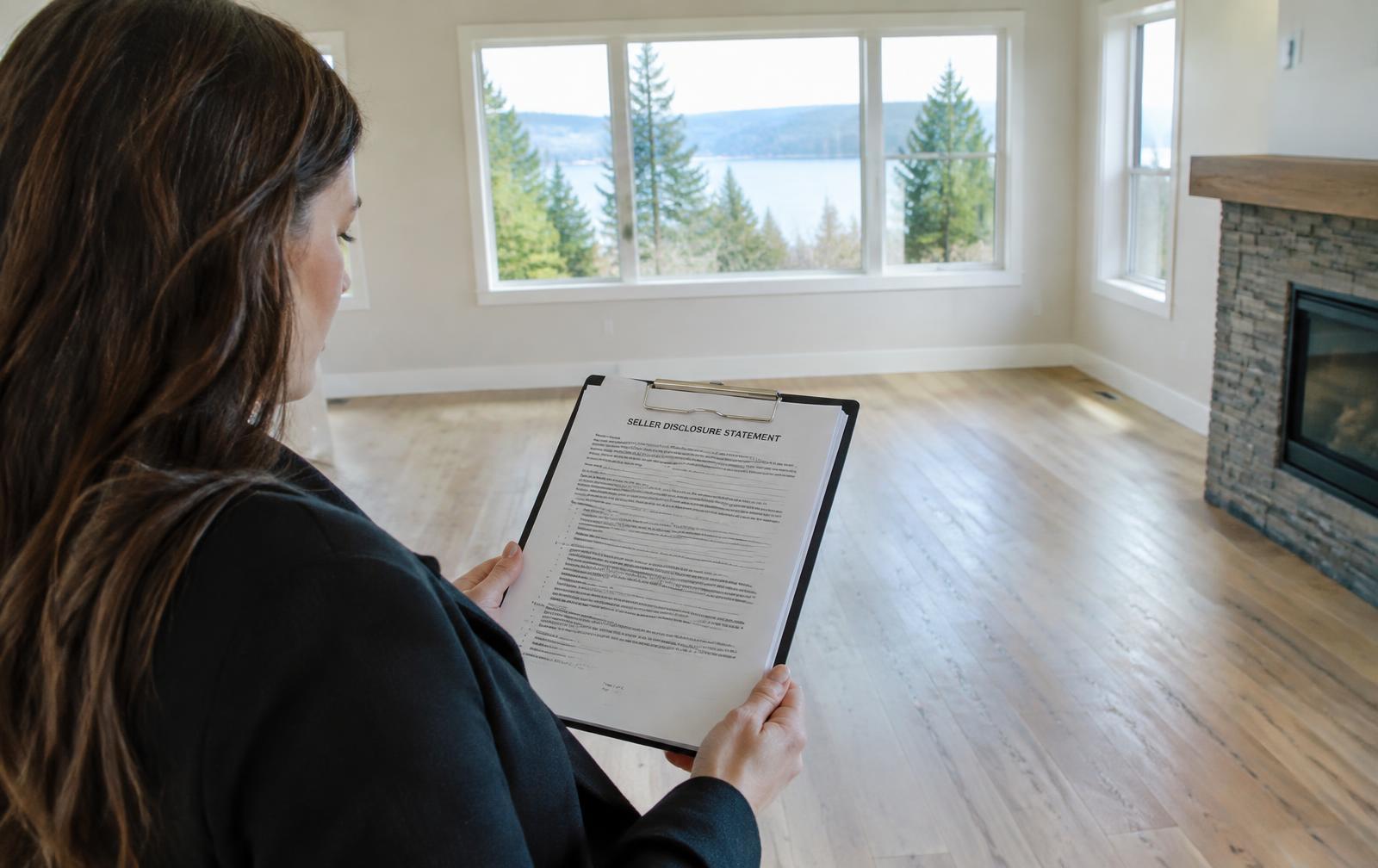
Form 17 is the seller disclosure statement used for most Washington residential resales. For buyers it is the first written picture of the home's history; for sellers it is the document most likely to prevent a dispute later. This hub explains the rules, the rescission window and how to handle a missing or unsigned disclosure.
Quick answer
Under RCW 64.06, most sellers of residential property in Washington must give the buyer a completed seller disclosure statement — commonly NWMLS Form 17 — covering title, water, sewer or septic, structure, systems, environmental issues and more. After receiving it, the buyer generally has three business days to rescind the agreement by written notice, unless that right has been waived as the statute allows. If the seller does not deliver the statement, the buyer may generally rescind any time before closing. Certain transfers, such as some foreclosures and court-ordered sales, are exempt. A seller answers based on actual knowledge, and must update the form if new information makes an answer inaccurate before closing.
RCW 64.06
Washington statute requiring the seller disclosure statement
3 days
Buyer's general rescission window after receipt (business days)
Updates
Seller must amend if answers become inaccurate before closing
EN + 中文
Disclosure answers reviewed in both languages
Questions this hub answers
- seller disclosure statement
- form 17 seller disclosure
- form 17 washington
- realtor response to unexecuted seller disclosure
- seller disclosure rescission period
- what sellers must disclose in washington
How Form 17 fits into a transaction
- 01
1. Seller completes it before listing
Answer from actual knowledge, attach repair records and permits, and avoid guessing. 'Don't know' is acceptable when true.
- 02
2. Buyer receives it, often before writing
In competitive markets buyers review it with the listing package; otherwise it is delivered after mutual acceptance.
- 03
3. Buyer reviews within the rescission window
Read every 'yes' answer and explanation, compare with the inspection plan, and decide within the statutory window.
- 04
4. Handle a missing or unsigned form immediately
If the disclosure was not delivered or not signed, the buyer's broker should request a properly executed form in writing; the buyer's rescission rights continue until it is delivered.
- 05
5. Seller amends if facts change
New leaks, notices or repairs before closing should be disclosed in an amendment.
Form 17 sections at a glance
| Section | What it asks about | Why buyers care | Follow-up |
|---|---|---|---|
| Title | Easements, encroachments, boundary issues | Use and resale limits | Title report review |
| Water and sewer/septic | Source, system type, known problems | Costly to repair | Septic or sewer scope |
| Structural | Roof, foundation, additions, permits | Major repair exposure | Inspection and permit history |
| Systems and environmental | Heating, electrical, oil tanks, flooding | Safety and insurance | Specialist inspections |

Checklist
Disclosure review checklist
- Form signed and dated by every seller.
- Every 'yes' answer has an explanation and documents.
- Permits match additions and remodels.
- Septic, sewer and oil tank answers checked against records.
- Rescission deadline on your calendar.
- Amendments requested if anything changes before closing.
Frequently asked questions
What happens if the seller disclosure is unsigned?
An unsigned or incomplete disclosure may not count as delivered. The buyer's broker should request a properly completed form in writing, and the buyer's statutory rescission right generally continues until it is delivered.
How long does a buyer have to rescind after receiving Form 17?
Generally three business days after receipt, by written notice, unless the right was waived as allowed by statute.
Can a buyer waive the seller disclosure?
Washington law allows a buyer to waive receipt of the statement in certain cases, but generally not the environmental section. Review any waiver carefully with your broker.
Is a seller liable for something they didn't know?
The statement is based on the seller's actual knowledge. Knowingly hiding a known defect is what creates serious liability.
Related reading
Related
Backing out before closing
How rescission compares with other exits.
Related
Buying a house with foundation issues
When the structural section says yes.
Related
Property easements and restrictions
Title items disclosures point to.
Related
Types of houses to avoid buying
Red flags worth a closer look.
Related
What to know before selling in Bellevue
Prepare disclosures early.
Related
Sell with our team
How we prepare the disclosure package.
Other topic guides

Family transfers
Gift of equity and selling a home to a family member in Washington.

Title & closing
Selling a house with a lien in Bellevue and Greater Seattle.
Land value
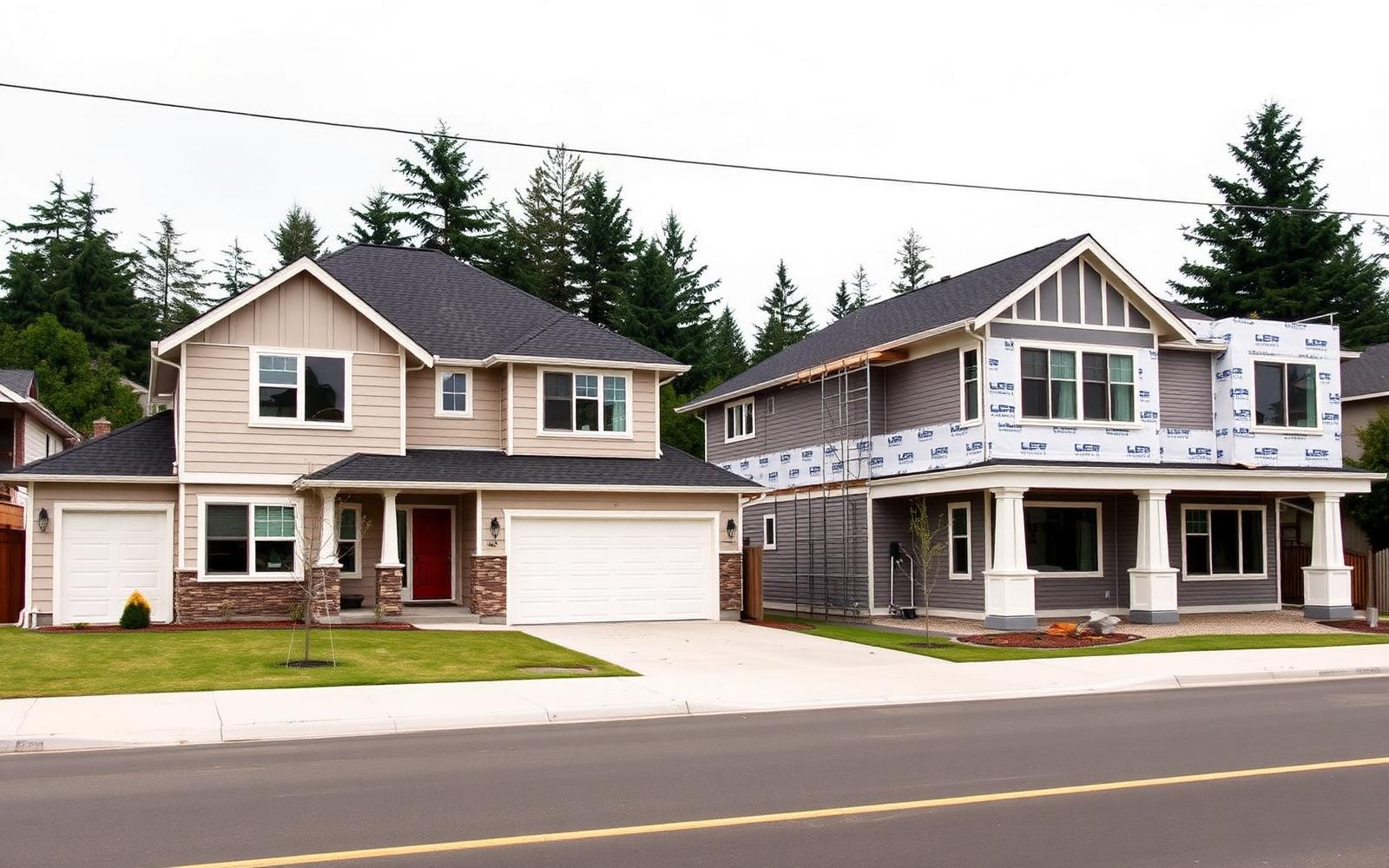
Selling an older Eastside home to a builder: land value vs. retail sale.

Visa & foreign buyers
Buying a home in Bellevue as a foreign national or visa holder.

Tech relocation
Moving to Bellevue for a tech job: rent first or buy now?

Schools & addresses
Buying by school assignment in the Bellevue School District.

Waterfront & unique homes
How to price a waterfront or one-of-a-kind home.

Listing problems
How to cancel a listing agreement and change agents.

Building & financing
Construction loans for self-employed and small business owners.

Land & lot value
Should you split a double lot before selling it?

Water & site risk
Flood zone, creek and drainage checks before you buy.

Landlords & investors
Selling a rental property to your current tenant.

Choosing an agent
How to choose a real estate agent in Seattle and on the Eastside.

Interview & review
Questions to ask before hiring — and how to tell if your agent is doing a good job.

Fees & commission
Who pays realtor fees in Washington — and what an agent actually keeps.

First-time buyers
Buying your first home in Washington State — including without a US credit history.

Home value
How to get an accurate home value estimate in Bellevue, Redmond and West Bellevue.
Investment property
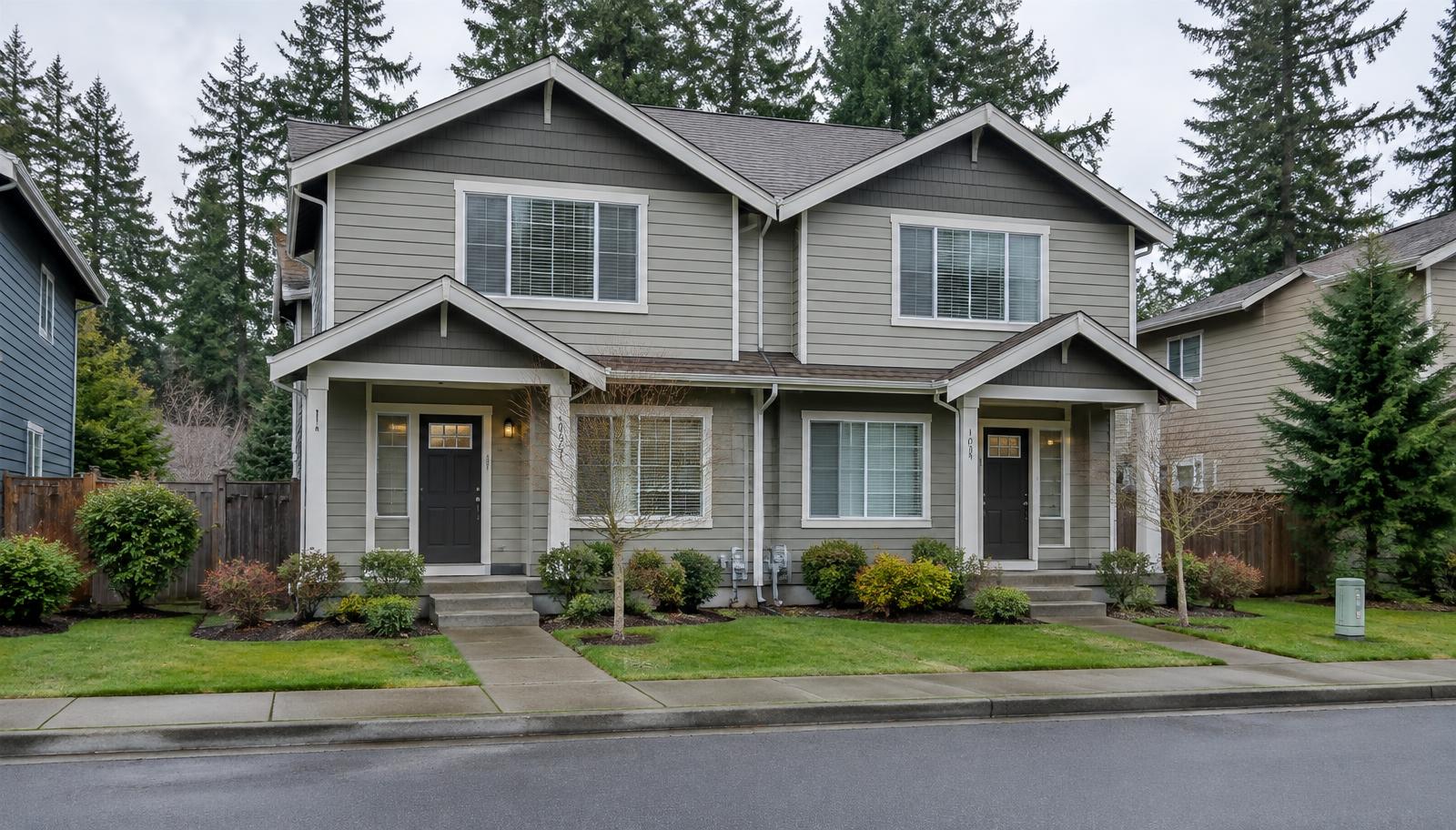
Buying an investment property on the Eastside: returns, rules and the numbers to run.

Listing presentation
Staging and listing photos: virtual staging, AI edits and what buyers trust.
Stalled listings
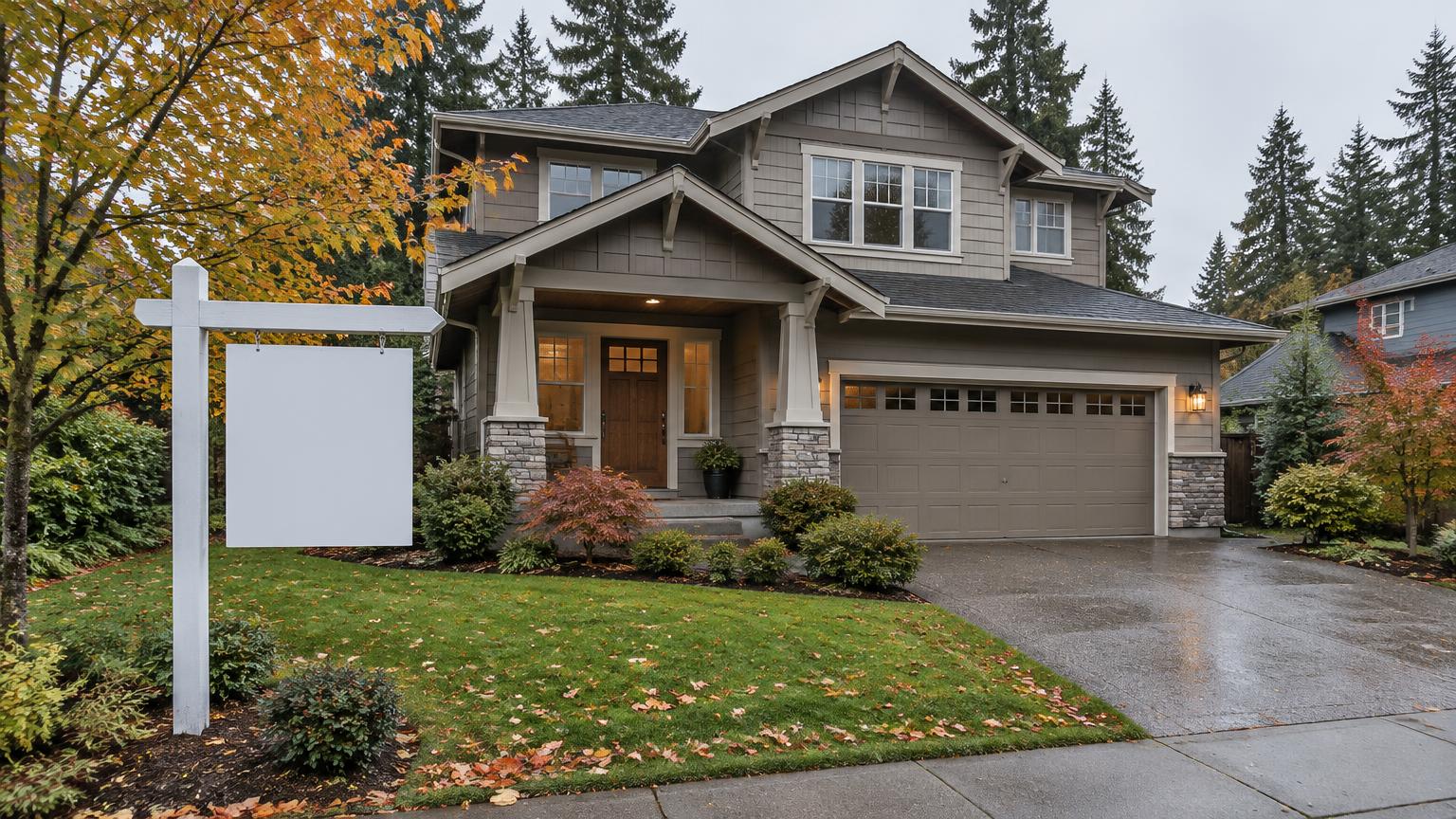
Your house is not selling: what to change, and whether to pause the listing.
Seller options
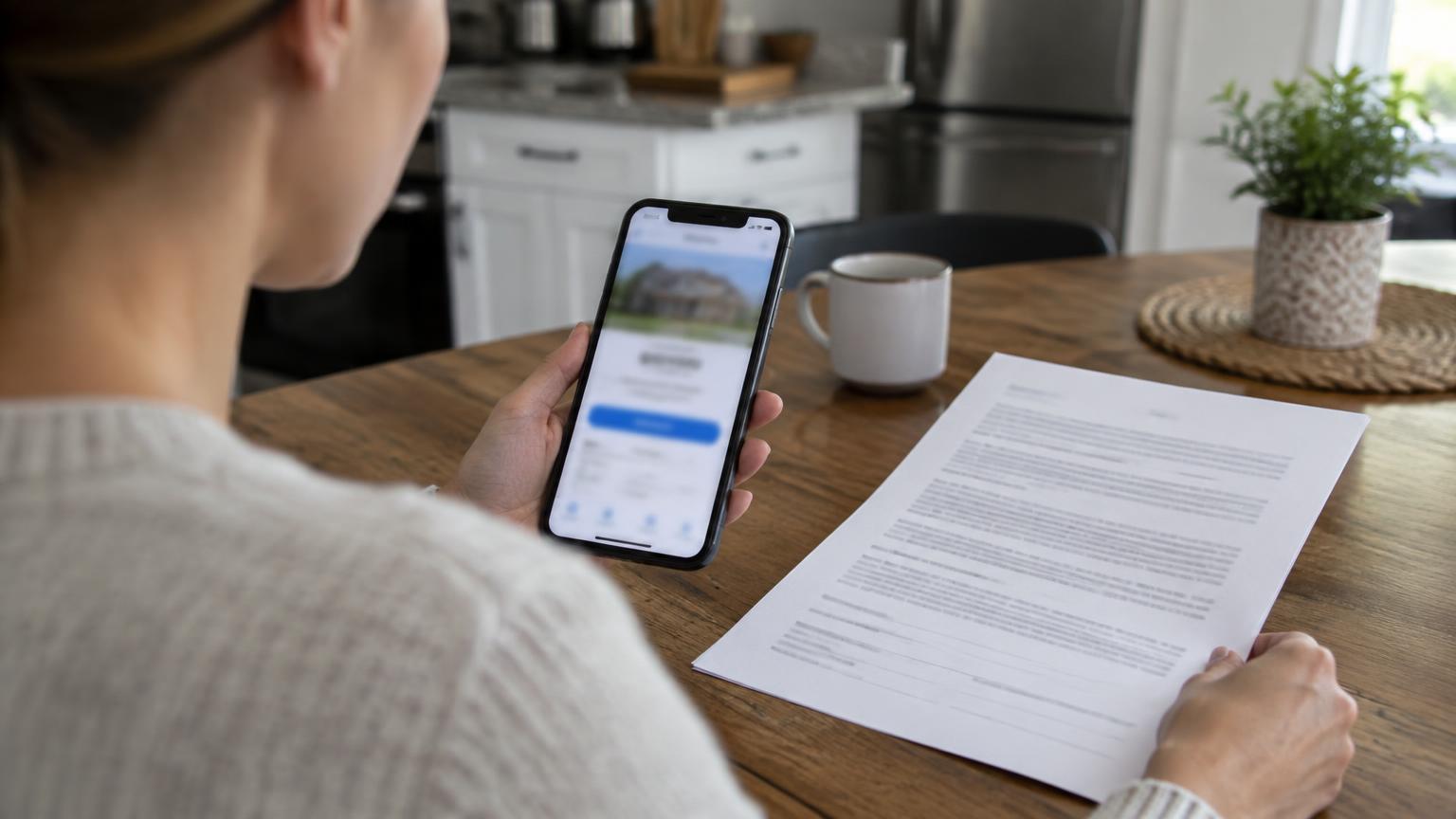
Instant cash offer vs listing your home: how to compare them properly.
Due diligence
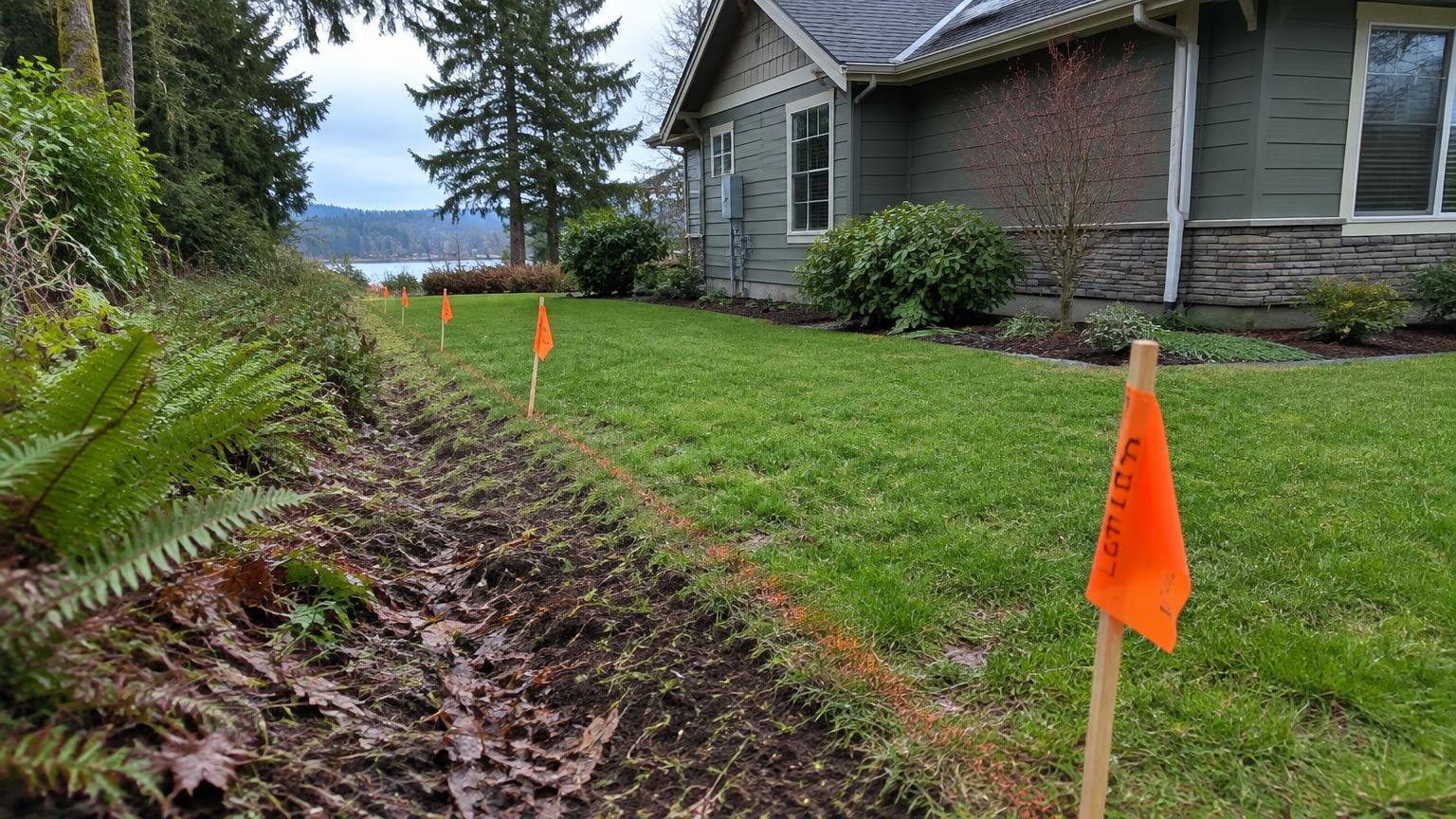
Easements, shared driveways and recorded restrictions: check before you buy.

Buyer strategy
Competing with all-cash offers as a financed buyer on the Eastside.

List price strategy
Pricing below market, offer review dates and how many showings to expect.

Offers and negotiation
What counts as a low-ball offer — and how to counter without losing the deal.
Inspection negotiation
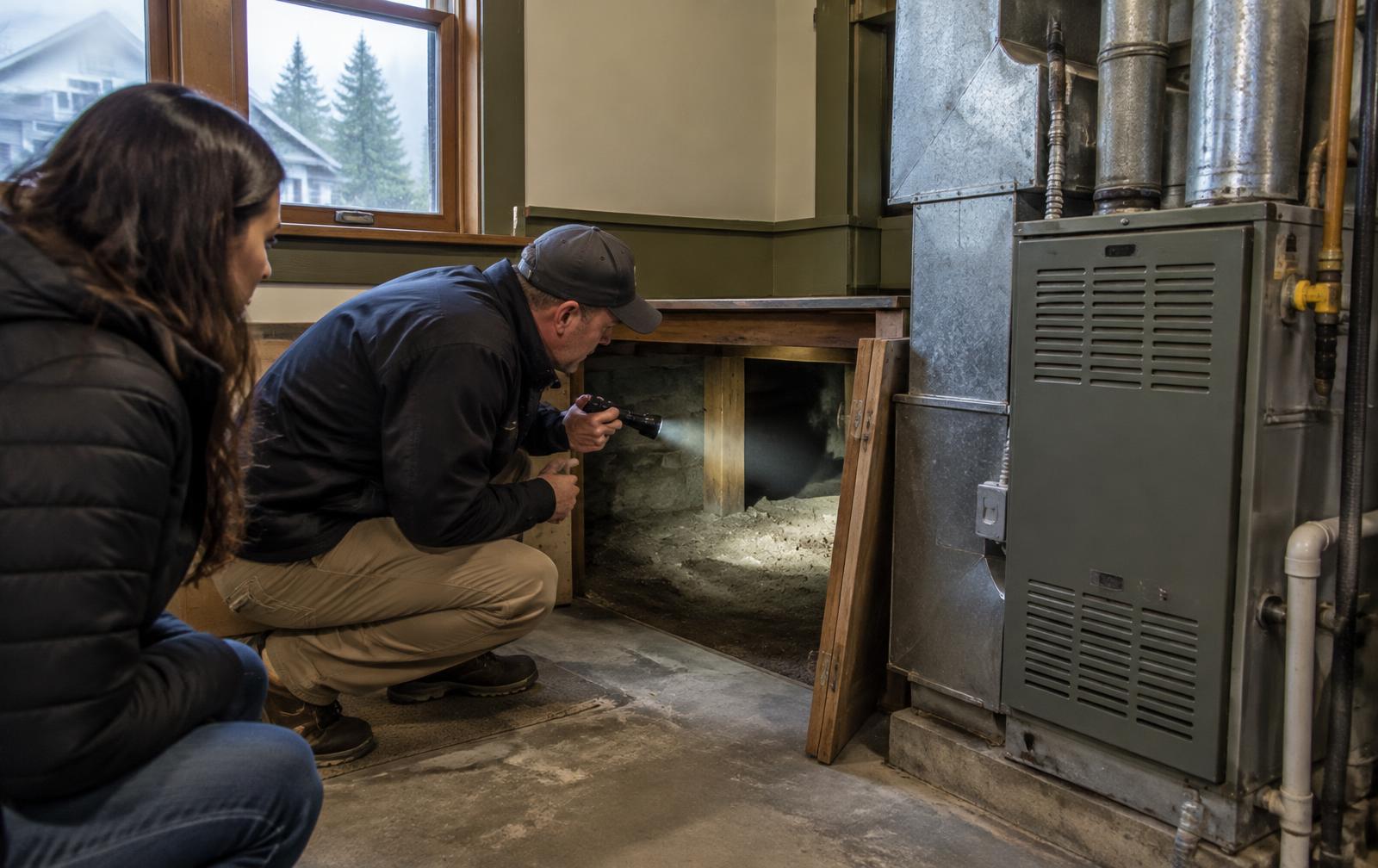
Home inspection negotiation in Washington: repair requests, credits and difficult sellers.
Solar homes
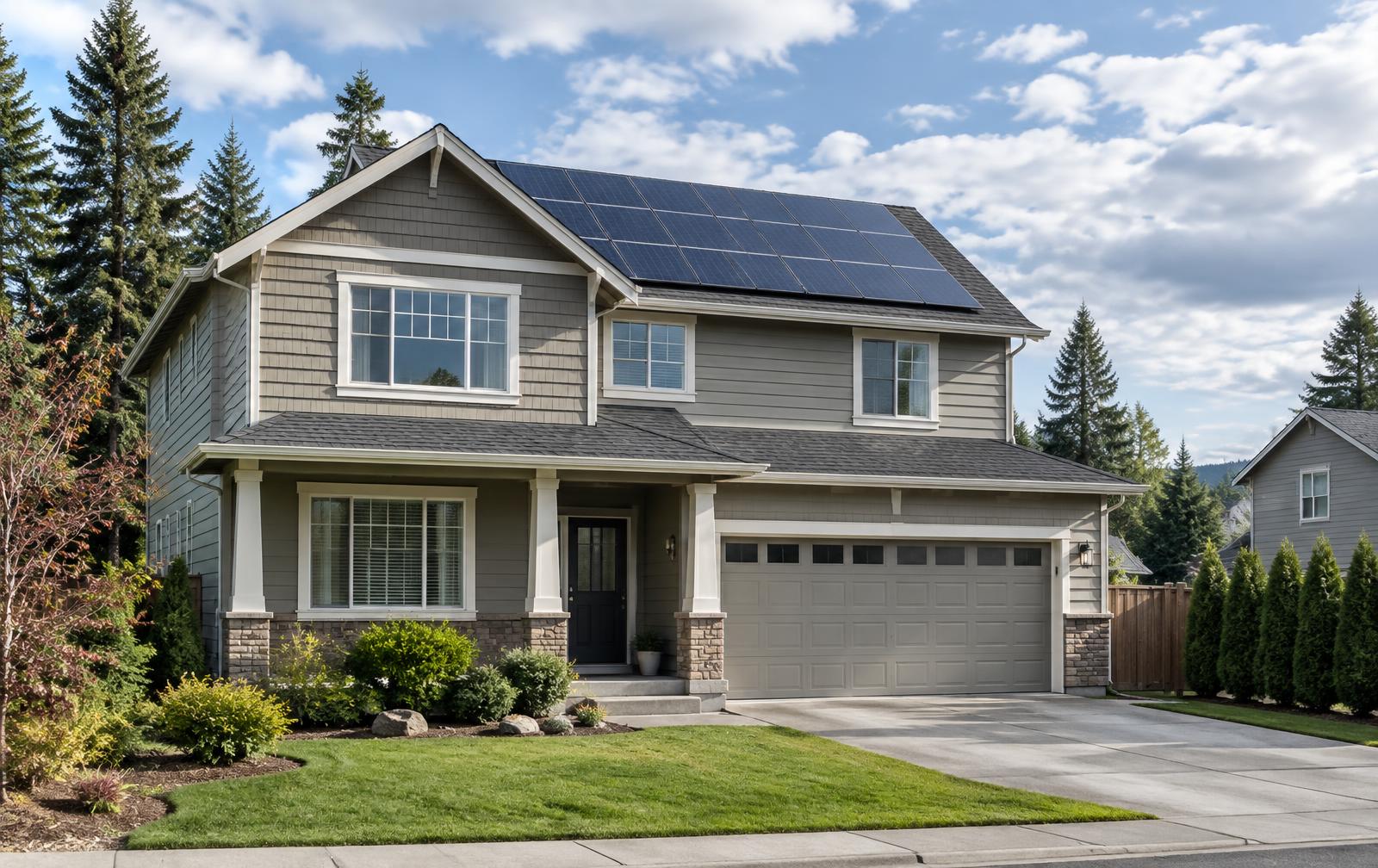
Buying a house with solar panels: owned vs leased, transfers and price drops.

Selling while living there
Selling a house while living in it: showings, kids, pets and the stress of selling.

Buying and selling at the same time
Home sale contingencies in Washington: buying a house contingent on selling yours.

Contract cancellation
Can you back out of buying a house before closing in Washington?

Structural risk
Buying a house with foundation issues in the Seattle area: risks, inspections and negotiation.

Mortgage options
Alternatives to a 30-year fixed mortgage for Washington buyers.
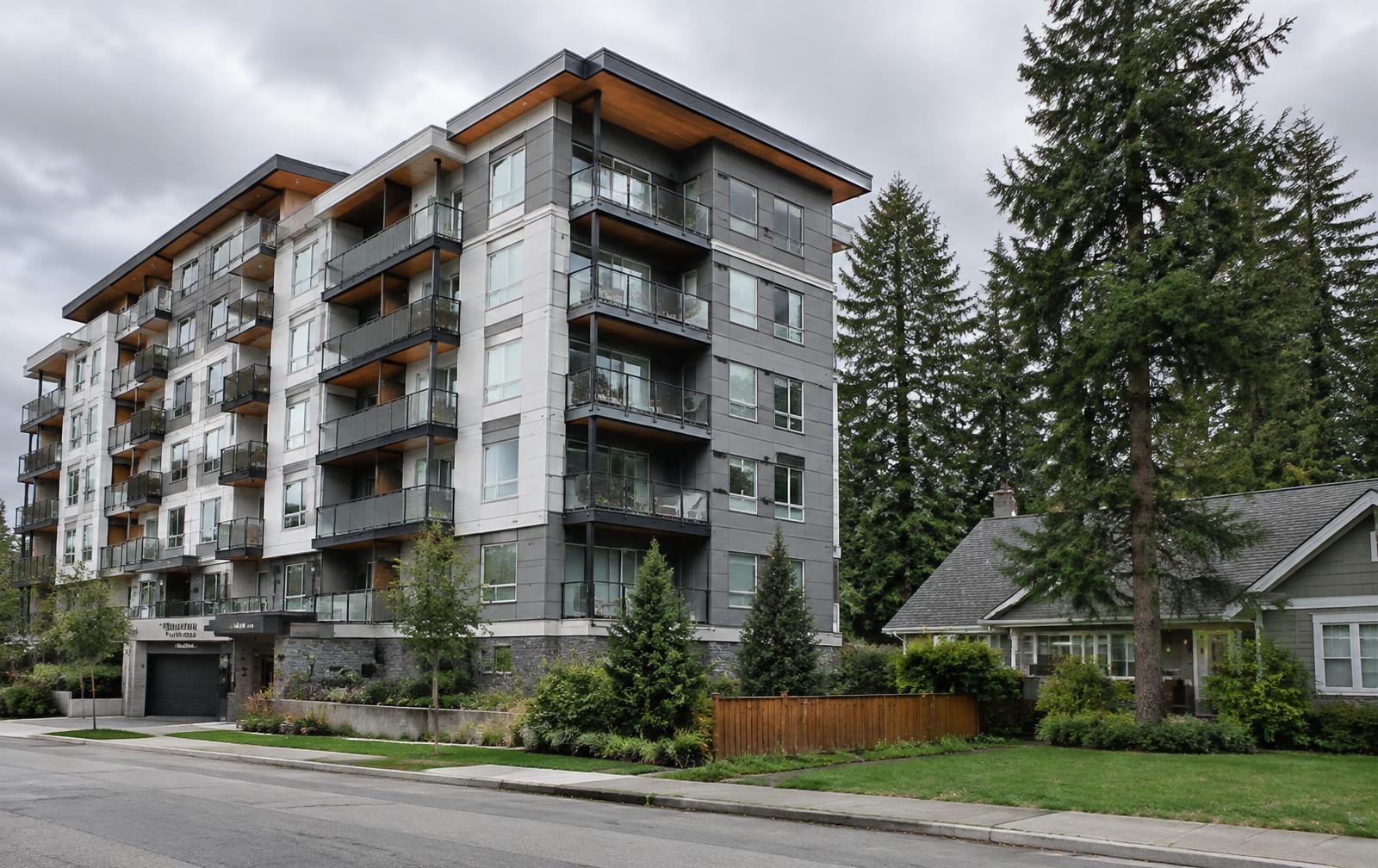
Property type decision
Condo vs single-family home: which holds up better as a long-term investment on the Eastside?
Questions about a disclosure?
Send us the Form 17. We'll flag the answers that need follow-up and the deadlines that matter.
Review my disclosure