
Structural risk
Buying a house with foundation issues in the Seattle area: risks, inspections and negotiation.
Many Seattle and Eastside homes are decades old, sit on sloped lots and spend months in wet weather. Some foundation cracks are cosmetic; others signal movement, drainage failure or seismic weakness. This hub explains how to tell the difference before you commit, and how the answer changes your offer.
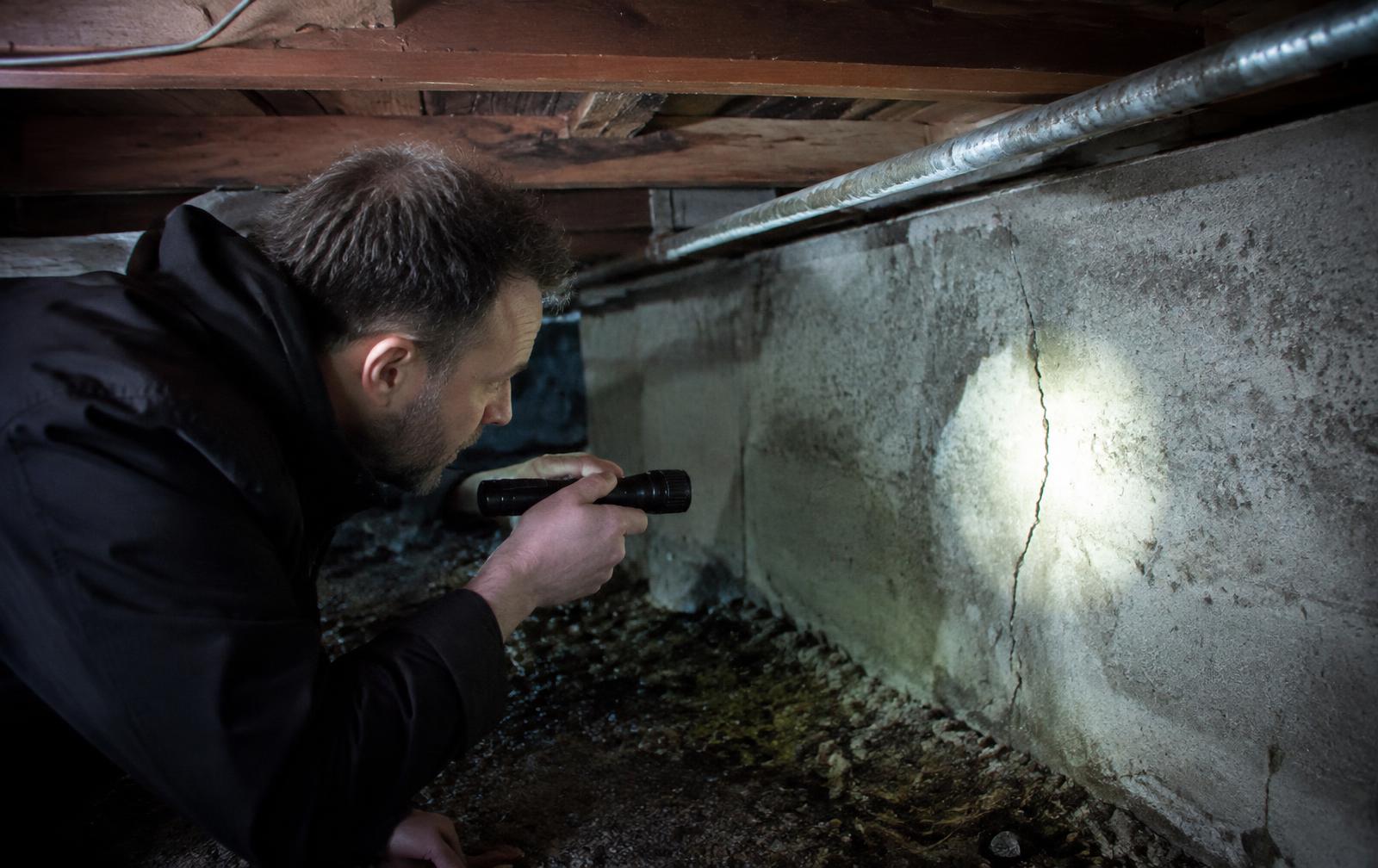
Quick answer
Buying a house with foundation issues can be reasonable if a licensed structural engineer confirms the cause, the repair scope and a contractor provides written bids before your inspection contingency expires. Hairline shrinkage cracks are common; stair-step cracks, sloping floors, doors that stick, water in the crawlspace or cracks that widen over time call for an engineer. Ask about drainage, soil and slope conditions and seismic retrofitting in older homes. Foundation findings can affect loan approval, appraisal and insurance, so share reports with your lender early. Use the engineer's scope and bids to negotiate a repair, credit or price reduction — or to walk away within your contingency.
Engineer
Licensed structural engineer, not only a general inspector
Written bids
Repair scope priced before the contingency deadline
Drainage
Water is the most common driver in the wet Northwest
EN + 中文
Engineer reports explained in both languages
Questions this hub answers
- buying a house with foundation issues
- buying a house with foundation issues risks
- should i buy a house with foundation problems
- structural engineer inspection cost
- foundation cracks in older seattle homes
- seismic retrofit before buying
How to evaluate a foundation problem
- 01
1. Read the disclosure and inspection notes together
Form 17's structural section and the inspector's crawlspace notes tell you whether the issue is new, known or already repaired.
- 02
2. Bring in a structural engineer
Ask for the cause, whether movement is active, the recommended repair and whether permits are needed. General inspectors are not designed to answer those questions.
- 03
3. Get contractor bids against the engineer's scope
Bids based on the same scope are comparable. Ask what is excluded, such as drainage, landscaping or interior finish repairs.
- 04
4. Check financing, appraisal and insurance
Share reports with your lender and insurance agent early. Some issues must be repaired before closing for certain loan types.
- 05
5. Negotiate within the contingency
Request a repair by licensed contractor with permits, a closing credit or a price reduction — or terminate before the deadline.
Foundation signs and what they usually mean
| Sign | Often indicates | Next step | Negotiation impact |
|---|---|---|---|
| Hairline vertical cracks | Normal concrete shrinkage | Note and monitor | Usually minor |
| Stair-step or horizontal cracks | Movement or soil pressure | Structural engineer | Can be significant |
| Water or efflorescence in crawlspace | Drainage problems | Drainage evaluation | Repair or credit |
| Sloping floors, sticking doors | Settlement or framing issues | Engineer plus level survey | Often major |
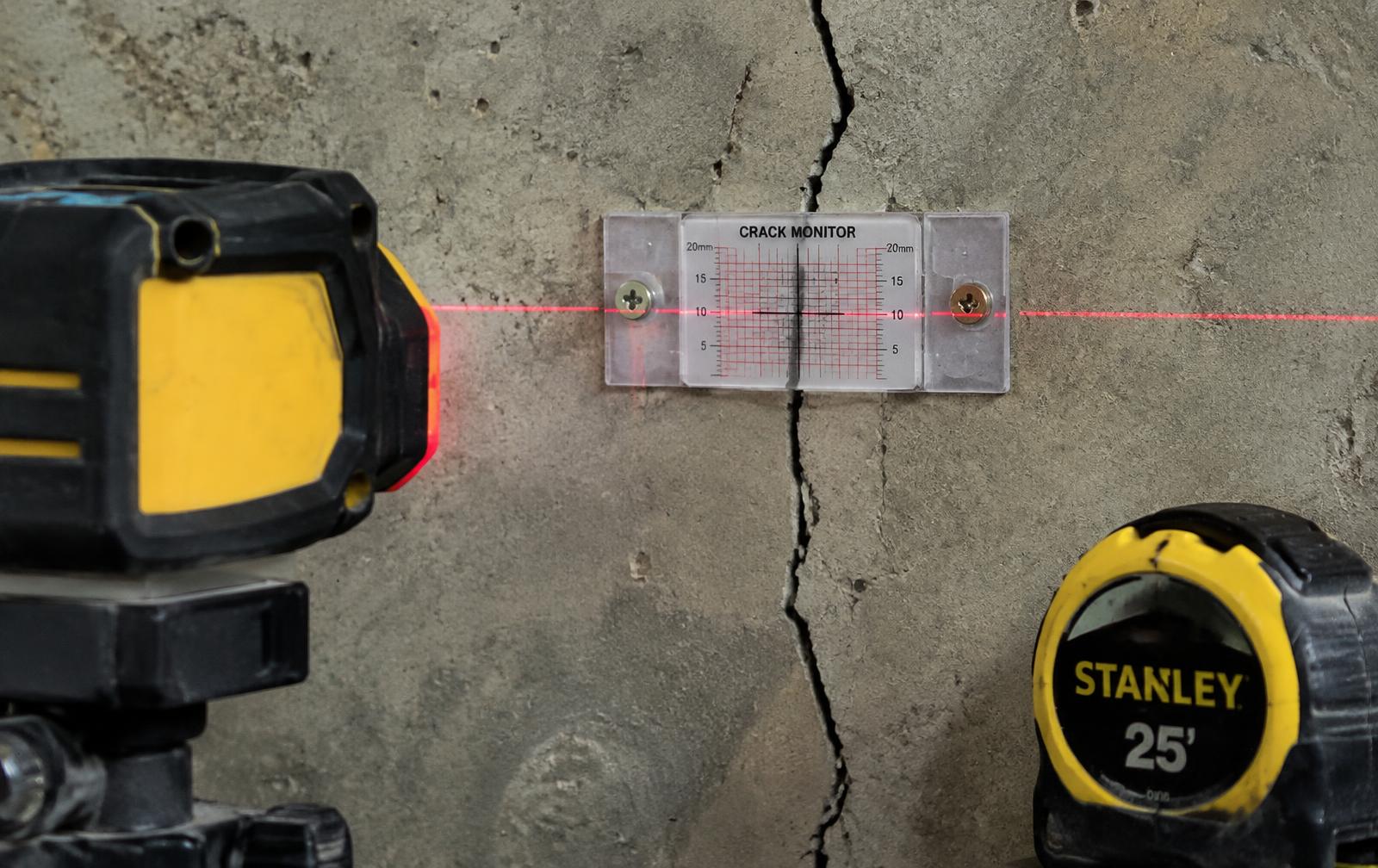
Checklist
Foundation due-diligence checklist
- Form 17 structural answers and repair records reviewed.
- Structural engineer report with cause and scope.
- At least two contractor bids on the same scope.
- Permit history for past foundation work checked.
- Lender and insurer informed of findings.
- Decision made before the inspection deadline.
Frequently asked questions
Should I buy a house with foundation problems?
It can make sense when the cause is understood, the repair is defined and priced, and the price or credit reflects it. Without an engineer's report and bids, you are guessing.
How much does a structural engineer inspection cost?
Fees vary by firm and the scope of the visit and report. Request a written quote when you schedule, and book early so the report arrives inside your inspection window.
Are foundation cracks common in Seattle homes?
Minor cracks are common in older homes. What matters is whether the crack is active, how wide it is and whether water or slope is involved.
Can I get a mortgage on a house with foundation issues?
Often yes, but some loan programs and appraisers may require repairs before closing. Ask your lender early.
Related reading
Related
Home inspection negotiation
How to request repairs or credits.
Related
Seller disclosure (Form 17)
What the structural section should show.
Related
Flood zone and water risk
Water issues beyond the foundation.
Related
Types of houses to avoid buying
Other condition red flags.
Related
House buying mistakes in Seattle
Avoid skipping due diligence.
Related
Buy with our team
How we coordinate inspections.
Other topic guides

Family transfers
Gift of equity and selling a home to a family member in Washington.

Title & closing
Selling a house with a lien in Bellevue and Greater Seattle.
Land value
Selling an older Eastside home to a builder: land value vs. retail sale.

Visa & foreign buyers
Buying a home in Bellevue as a foreign national or visa holder.

Tech relocation
Moving to Bellevue for a tech job: rent first or buy now?

Schools & addresses
Buying by school assignment in the Bellevue School District.

Waterfront & unique homes
How to price a waterfront or one-of-a-kind home.

Listing problems
How to cancel a listing agreement and change agents.

Building & financing
Construction loans for self-employed and small business owners.

Land & lot value
Should you split a double lot before selling it?

Water & site risk
Flood zone, creek and drainage checks before you buy.

Landlords & investors
Selling a rental property to your current tenant.

Choosing an agent
How to choose a real estate agent in Seattle and on the Eastside.

Interview & review
Questions to ask before hiring — and how to tell if your agent is doing a good job.

Fees & commission
Who pays realtor fees in Washington — and what an agent actually keeps.

First-time buyers
Buying your first home in Washington State — including without a US credit history.

Home value
How to get an accurate home value estimate in Bellevue, Redmond and West Bellevue.
Investment property
Buying an investment property on the Eastside: returns, rules and the numbers to run.

Listing presentation
Staging and listing photos: virtual staging, AI edits and what buyers trust.
Stalled listings
Your house is not selling: what to change, and whether to pause the listing.

Seller options
Instant cash offer vs listing your home: how to compare them properly.
Due diligence
Easements, shared driveways and recorded restrictions: check before you buy.

Buyer strategy
Competing with all-cash offers as a financed buyer on the Eastside.

List price strategy
Pricing below market, offer review dates and how many showings to expect.

Offers and negotiation
What counts as a low-ball offer — and how to counter without losing the deal.
Inspection negotiation
Home inspection negotiation in Washington: repair requests, credits and difficult sellers.
Solar homes
Buying a house with solar panels: owned vs leased, transfers and price drops.

Selling while living there
Selling a house while living in it: showings, kids, pets and the stress of selling.

Buying and selling at the same time
Home sale contingencies in Washington: buying a house contingent on selling yours.

Contract cancellation
Can you back out of buying a house before closing in Washington?
Seller disclosure
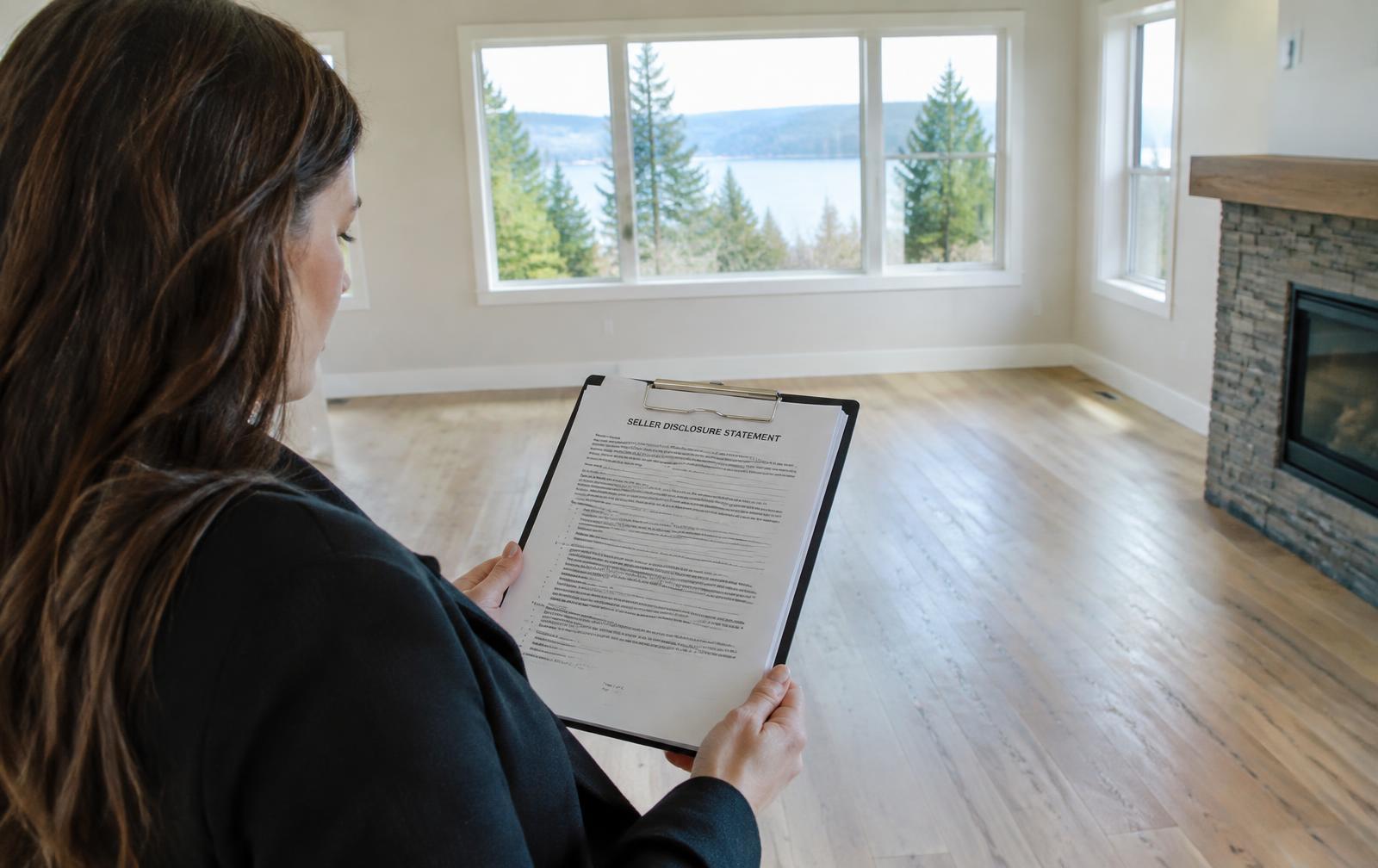
Washington's Form 17 seller disclosure: what buyers and sellers need to know.

Mortgage options
Alternatives to a 30-year fixed mortgage for Washington buyers.
Property type decision
Condo vs single-family home: which holds up better as a long-term investment on the Eastside?
Found cracks in a home you like?
Send us the inspection notes. We'll help you decide whether to bring in an engineer and how to structure the request.
Talk to the team