
Mortgage options
Alternatives to a 30-year fixed mortgage for Washington buyers.
The 30-year fixed is the default, not the only choice. Depending on how long you will keep the home, your cash and your income path, a different structure may lower total cost or the early payment. This hub compares the common alternatives in plain language so you can ask your lender sharper questions.

Quick answer
Common alternatives to a 30-year fixed mortgage include a 15-year fixed (higher payment, typically lower rate and far less total interest), an adjustable-rate mortgage such as a 5/6 or 7/6 ARM (lower initial rate for a set period, then adjusts within caps), a 2-1 temporary buydown (payment reduced for the first two years, often funded by seller credits), permanent discount points (pay upfront to lower the rate for the life of the loan), assuming a seller's existing FHA or VA loan where allowed, and Washington State Housing Finance Commission programs for eligible buyers. The right choice depends on how long you expect to keep the loan, your reserves and your tolerance for payment changes. Compare Loan Estimates side by side with a licensed loan officer.
6 options
Common structures compared on one page
Break-even
Points and buydowns only pay off if you keep the loan long enough
Caps
ARM adjustments are limited by contract caps — read them
EN + 中文
Loan Estimates explained in both languages
Questions this hub answers
- alternatives to 30 year fixed mortgage washington state
- 15 year vs 30 year mortgage
- adjustable rate mortgage
- 2-1 buydown
- mortgage rate buydown
- assumable mortgage
How to choose a loan structure
- 01
1. Estimate how long you'll keep the loan
A planned move or refinance in a few years favors different structures than a forever home.
- 02
2. Decide what you are optimizing
Lowest payment now, lowest total interest, or most flexibility. Each alternative trades one for another.
- 03
3. Ask for Loan Estimates on two or three structures
Compare rate, APR, points, lender credits and cash to close on the same price and down payment.
- 04
4. Calculate break-even for points and buydowns
Divide the upfront cost by the monthly savings to see how many months it takes to recover.
- 05
5. Use seller credits strategically
In some negotiations a seller credit toward a buydown or points does more for your payment than a small price cut.
Mortgage alternatives compared
| Structure | How it works | Fits buyers who | Watch out for |
|---|---|---|---|
| 15-year fixed | Shorter term, higher payment | Have strong income and want less total interest | Less monthly flexibility |
| 5/6 or 7/6 ARM | Fixed for 5 or 7 years, then adjusts | Expect to move or refinance within that period | Payment changes after the fixed period |
| 2-1 temporary buydown | Lower payment in years 1–2 | Expect income growth or use seller credits | Must qualify at the full note rate |
| Discount points | Pay upfront for a lower rate | Will keep the loan long-term | Break-even period |
| Assumable FHA/VA loan | Take over seller's existing loan | Find an eligible listing with a low rate | Gap between price and loan balance |
| WSHFC programs | State-backed loans and assistance | Meet income and program rules | Price and income limits |
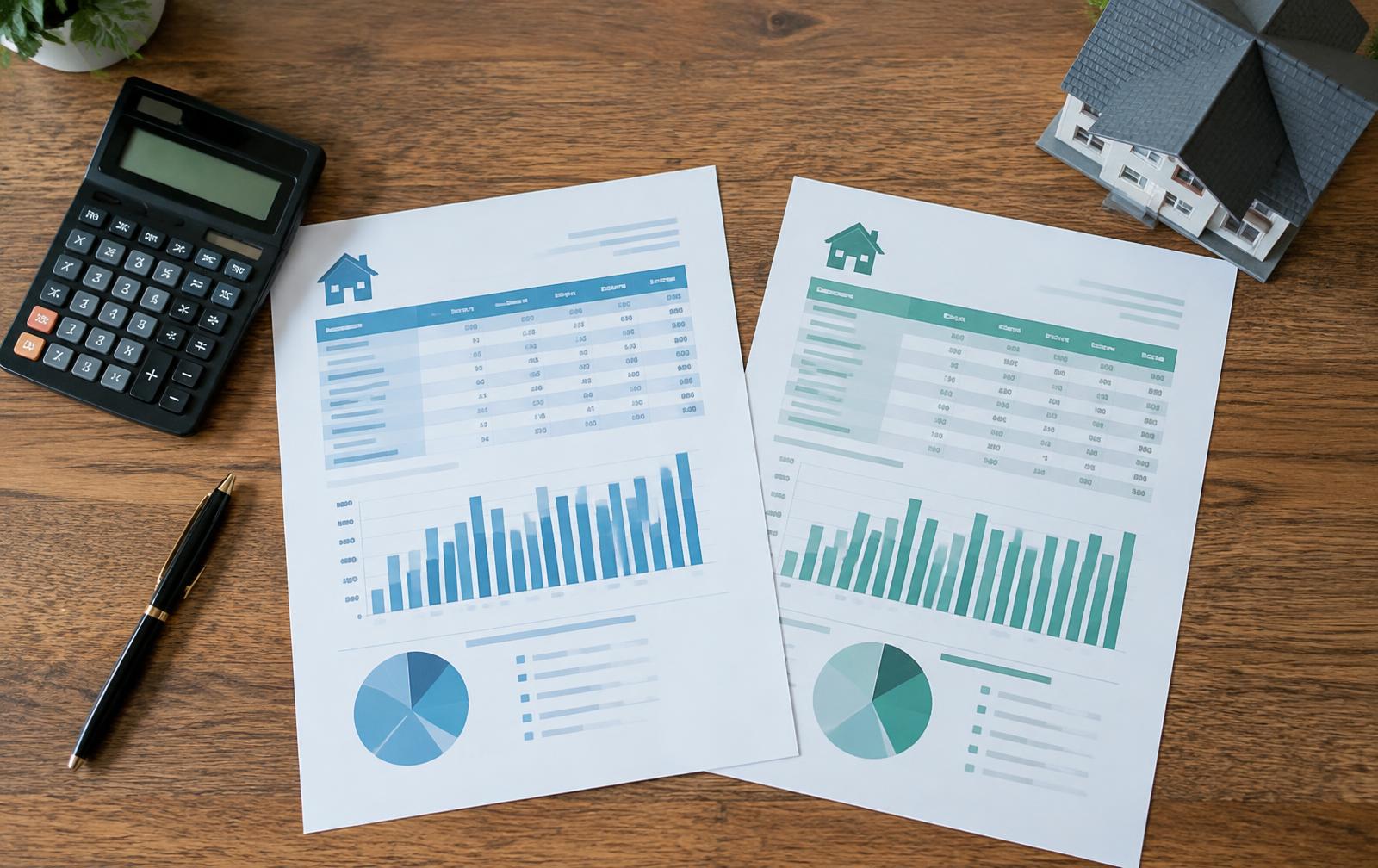
Checklist
Questions to ask your lender
- Loan Estimates for at least two structures on the same scenario.
- ARM index, margin and adjustment caps in writing.
- Qualifying rate for any temporary buydown.
- Break-even months for points.
- Whether the listing's loan is assumable and the process.
- WSHFC program eligibility and participating lenders.
Frequently asked questions
Is a 15-year or 30-year mortgage better?
A 15-year usually costs far less interest overall but has a higher payment. A 30-year keeps payments lower and more flexible. Many buyers choose a 30-year and prepay when they can.
What is a 2-1 buydown?
A temporary reduction of the interest rate — commonly 2 percentage points in year one and 1 point in year two — funded upfront, often by a seller credit. From year three the payment is based on the full note rate.
Are adjustable-rate mortgages risky?
They carry payment-change risk after the fixed period. Caps limit how much the rate can move. They fit buyers who expect to sell or refinance before the adjustment.
Can I assume the seller's mortgage?
FHA and VA loans are often assumable with lender approval; most conventional loans are not. You need cash or a second loan to cover the difference between the price and the remaining balance.
Related reading
Related
First-time home buyer in Washington
WSHFC programs in more detail.
Related
Home sale contingency
Financing that avoids a contingent offer.
Related
Construction loans for self-employed buyers
When income documentation is different.
Related
First-time buyer programs in Washington
Program details and eligibility.
Related
Buying without US credit history
Loan paths for newcomers.
Related
Buy with our team
How we work with your lender.
Other topic guides

Family transfers
Gift of equity and selling a home to a family member in Washington.

Title & closing
Selling a house with a lien in Bellevue and Greater Seattle.
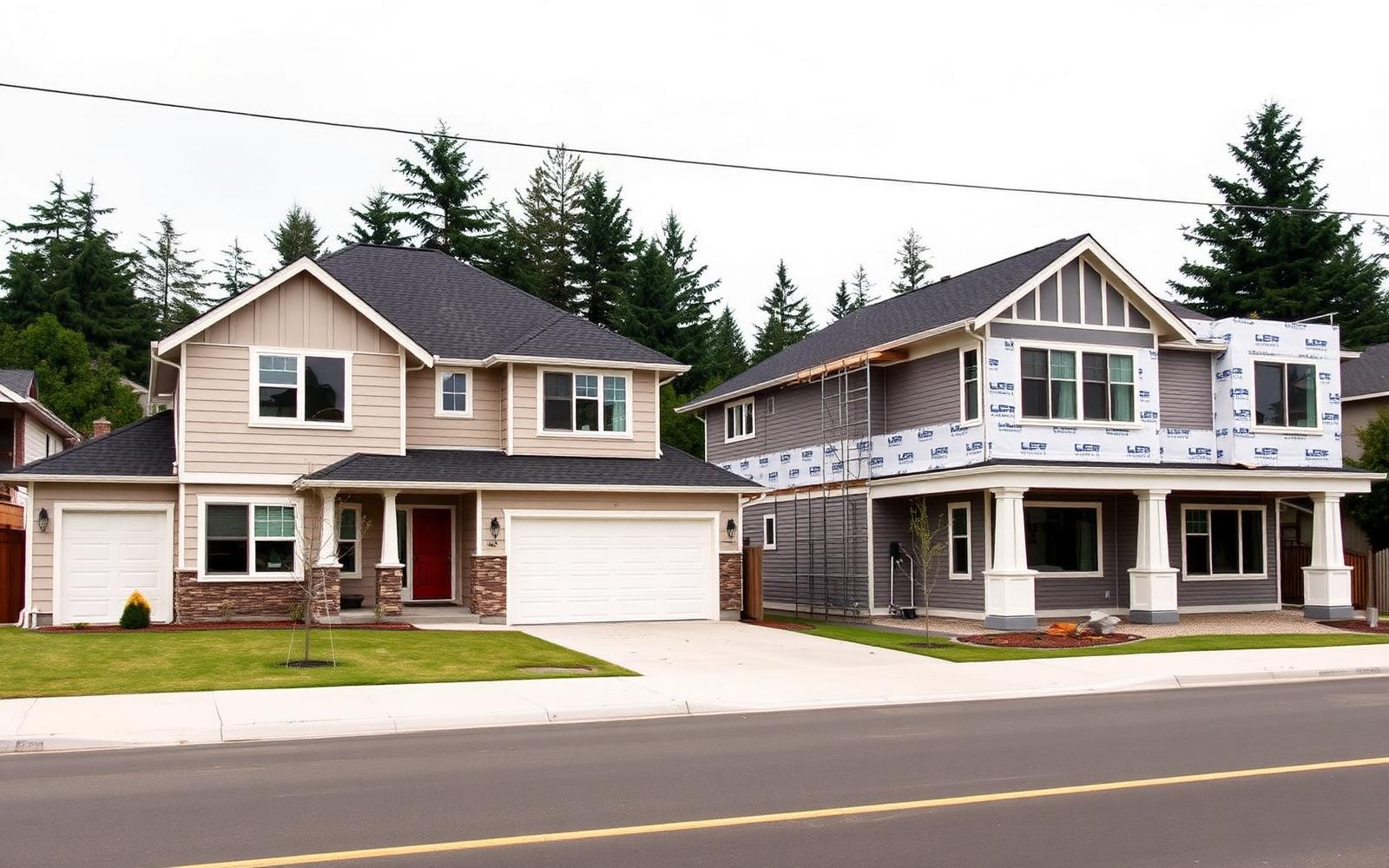
Land value
Selling an older Eastside home to a builder: land value vs. retail sale.

Visa & foreign buyers
Buying a home in Bellevue as a foreign national or visa holder.

Tech relocation
Moving to Bellevue for a tech job: rent first or buy now?

Schools & addresses
Buying by school assignment in the Bellevue School District.

Waterfront & unique homes
How to price a waterfront or one-of-a-kind home.

Listing problems
How to cancel a listing agreement and change agents.

Building & financing
Construction loans for self-employed and small business owners.

Land & lot value
Should you split a double lot before selling it?

Water & site risk
Flood zone, creek and drainage checks before you buy.

Landlords & investors
Selling a rental property to your current tenant.

Choosing an agent
How to choose a real estate agent in Seattle and on the Eastside.

Interview & review
Questions to ask before hiring — and how to tell if your agent is doing a good job.
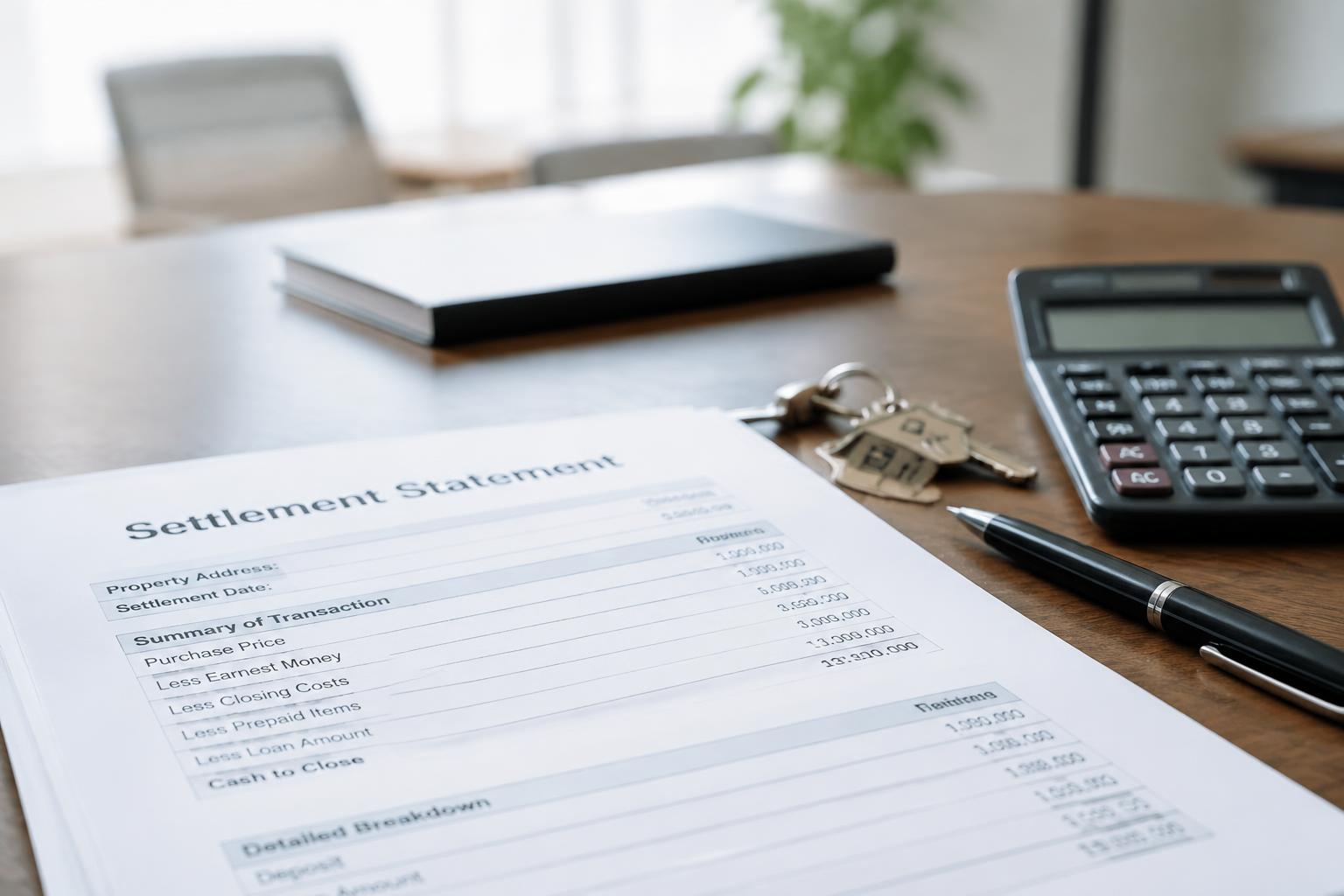
Fees & commission
Who pays realtor fees in Washington — and what an agent actually keeps.

First-time buyers
Buying your first home in Washington State — including without a US credit history.

Home value
How to get an accurate home value estimate in Bellevue, Redmond and West Bellevue.
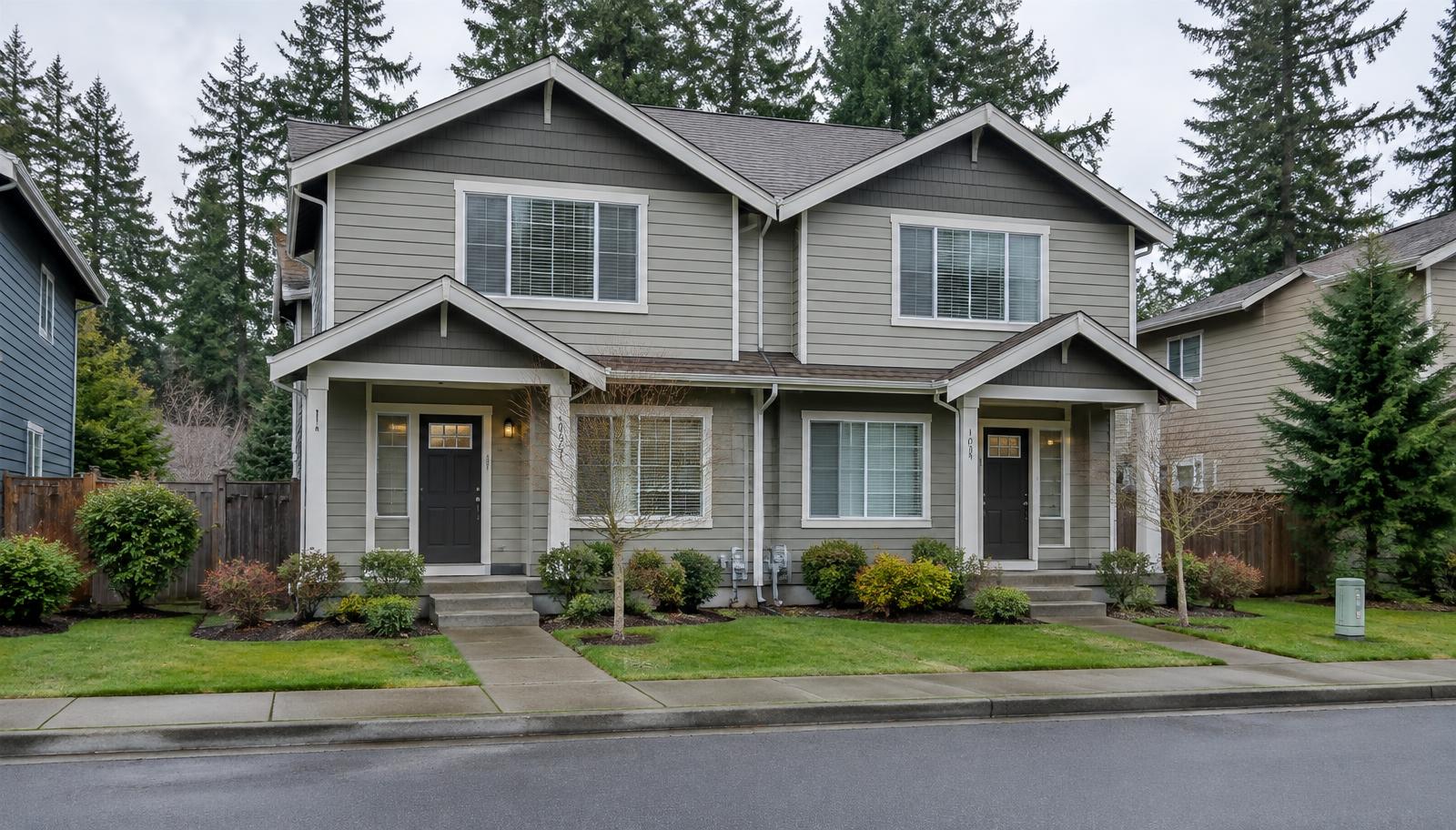
Investment property
Buying an investment property on the Eastside: returns, rules and the numbers to run.

Listing presentation
Staging and listing photos: virtual staging, AI edits and what buyers trust.
Stalled listings
Your house is not selling: what to change, and whether to pause the listing.

Seller options
Instant cash offer vs listing your home: how to compare them properly.
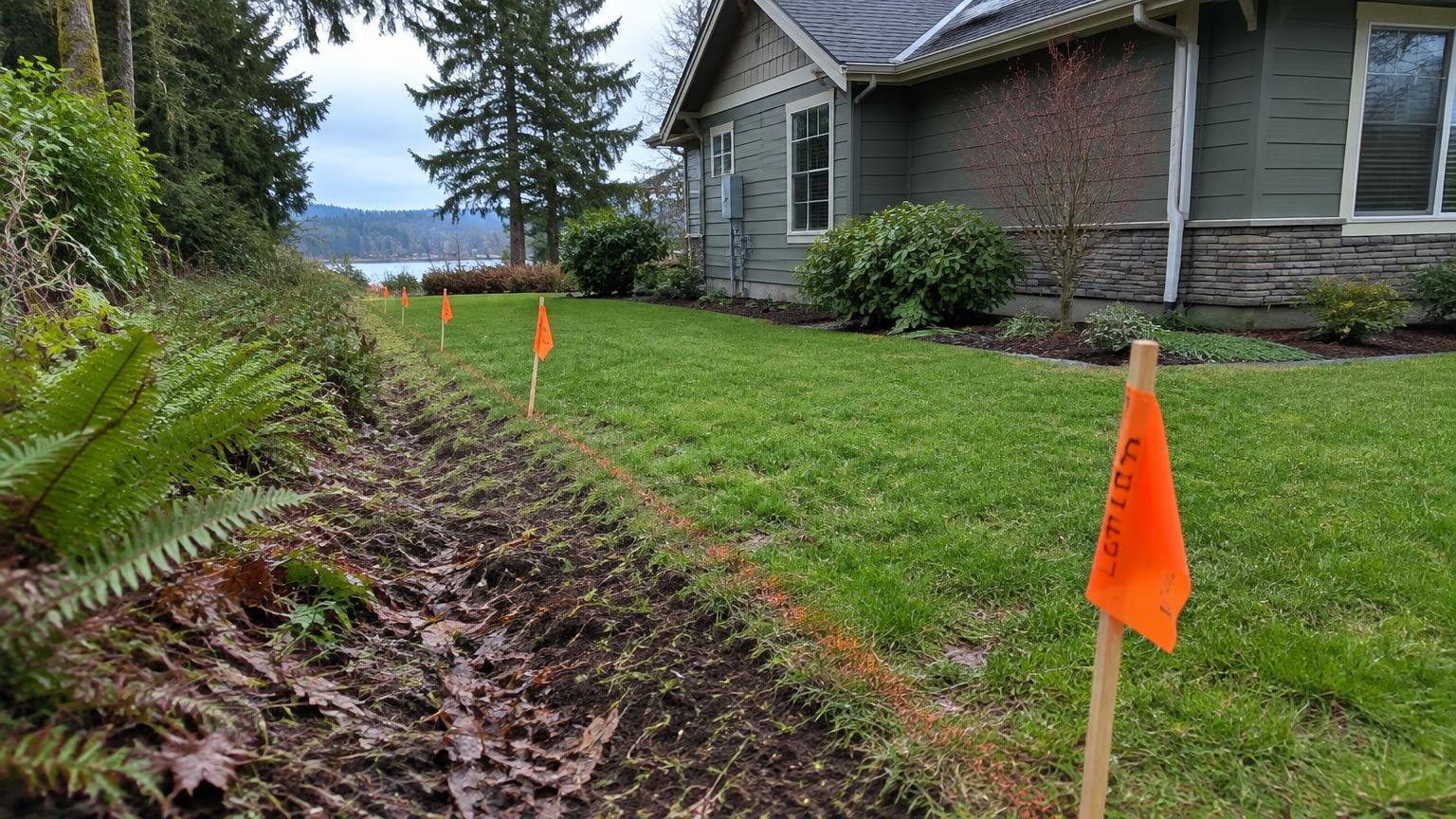
Due diligence
Easements, shared driveways and recorded restrictions: check before you buy.

Buyer strategy
Competing with all-cash offers as a financed buyer on the Eastside.

List price strategy
Pricing below market, offer review dates and how many showings to expect.

Offers and negotiation
What counts as a low-ball offer — and how to counter without losing the deal.
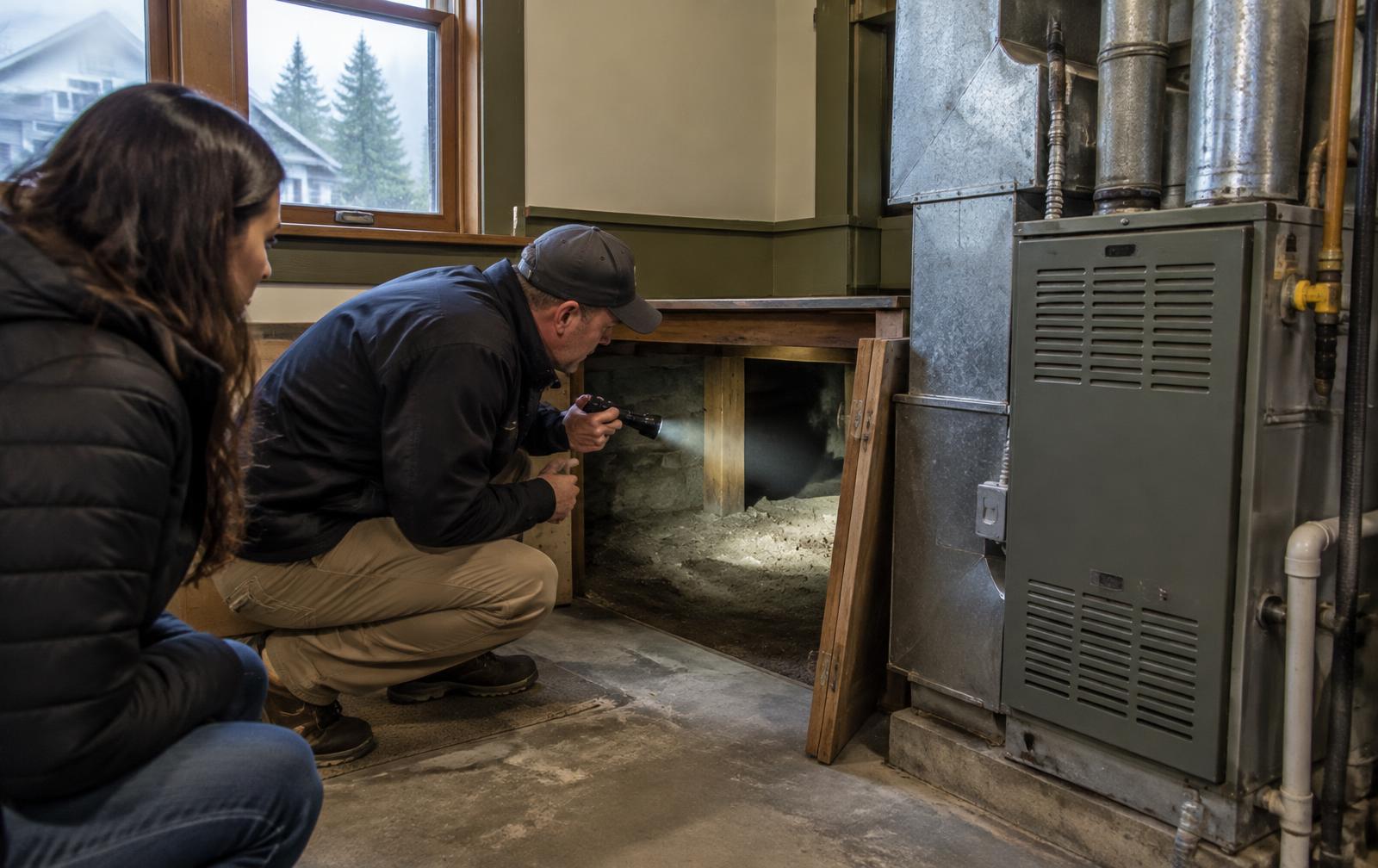
Inspection negotiation
Home inspection negotiation in Washington: repair requests, credits and difficult sellers.
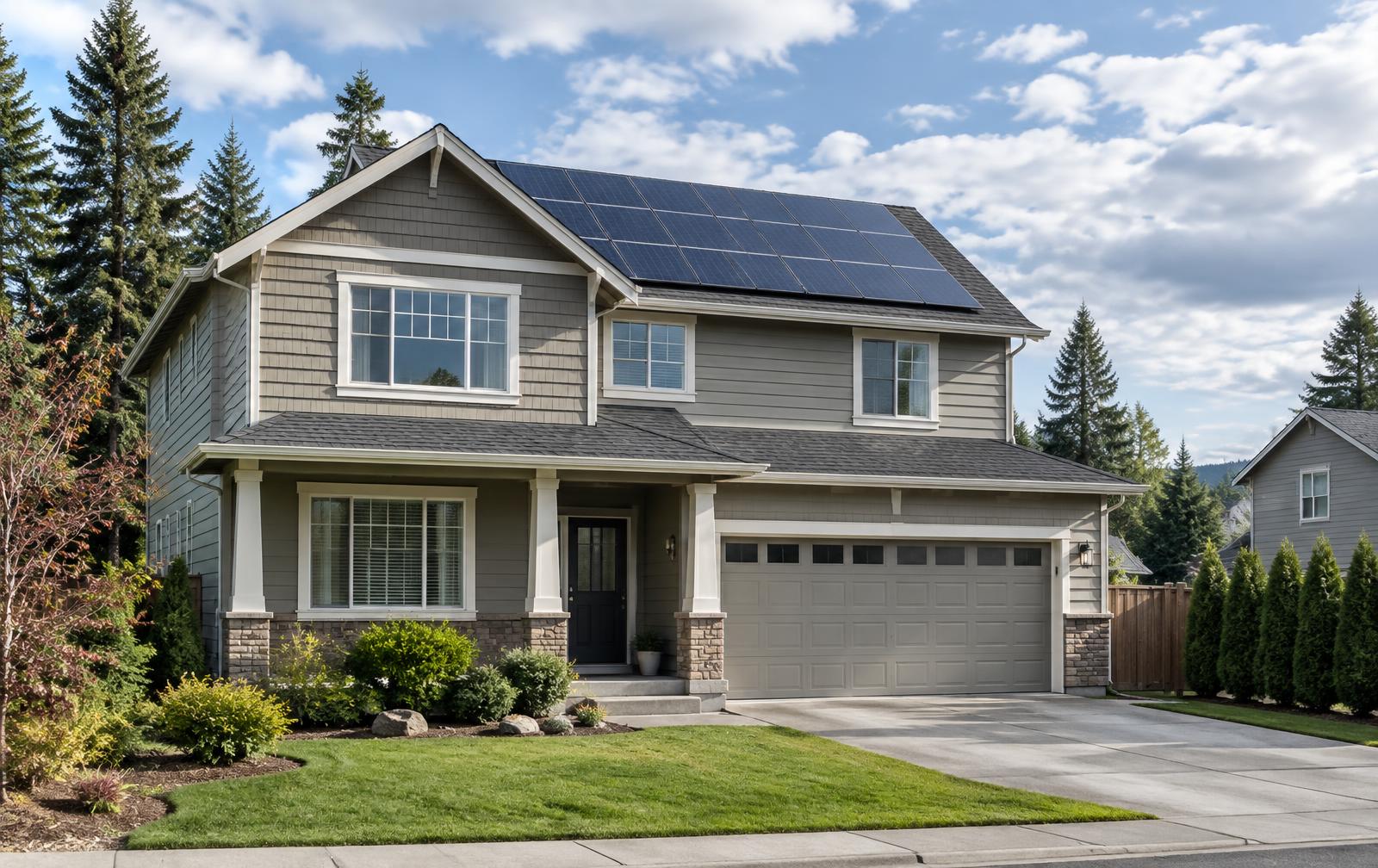
Solar homes
Buying a house with solar panels: owned vs leased, transfers and price drops.

Selling while living there
Selling a house while living in it: showings, kids, pets and the stress of selling.

Buying and selling at the same time
Home sale contingencies in Washington: buying a house contingent on selling yours.

Contract cancellation
Can you back out of buying a house before closing in Washington?
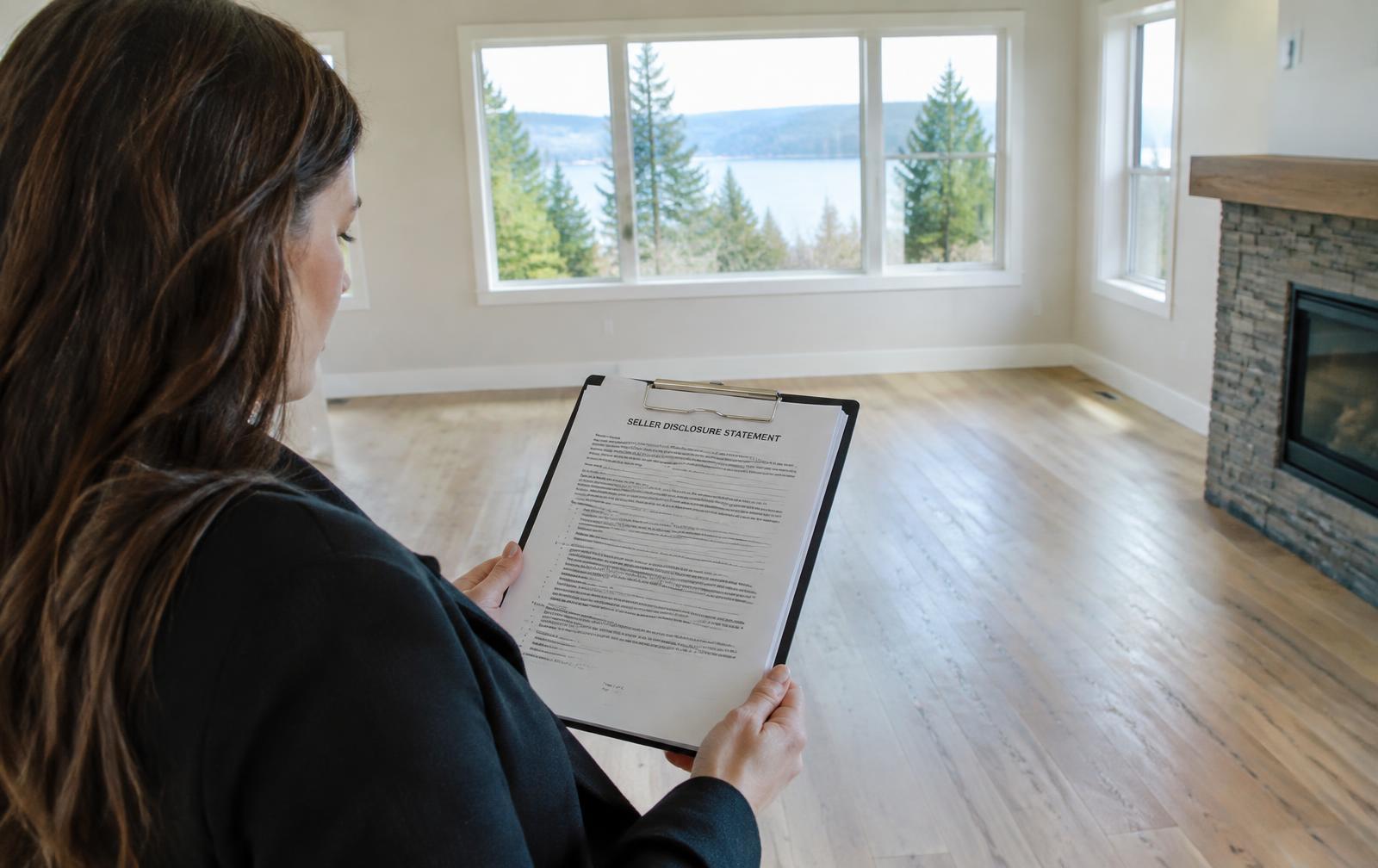
Seller disclosure
Washington's Form 17 seller disclosure: what buyers and sellers need to know.

Structural risk
Buying a house with foundation issues in the Seattle area: risks, inspections and negotiation.
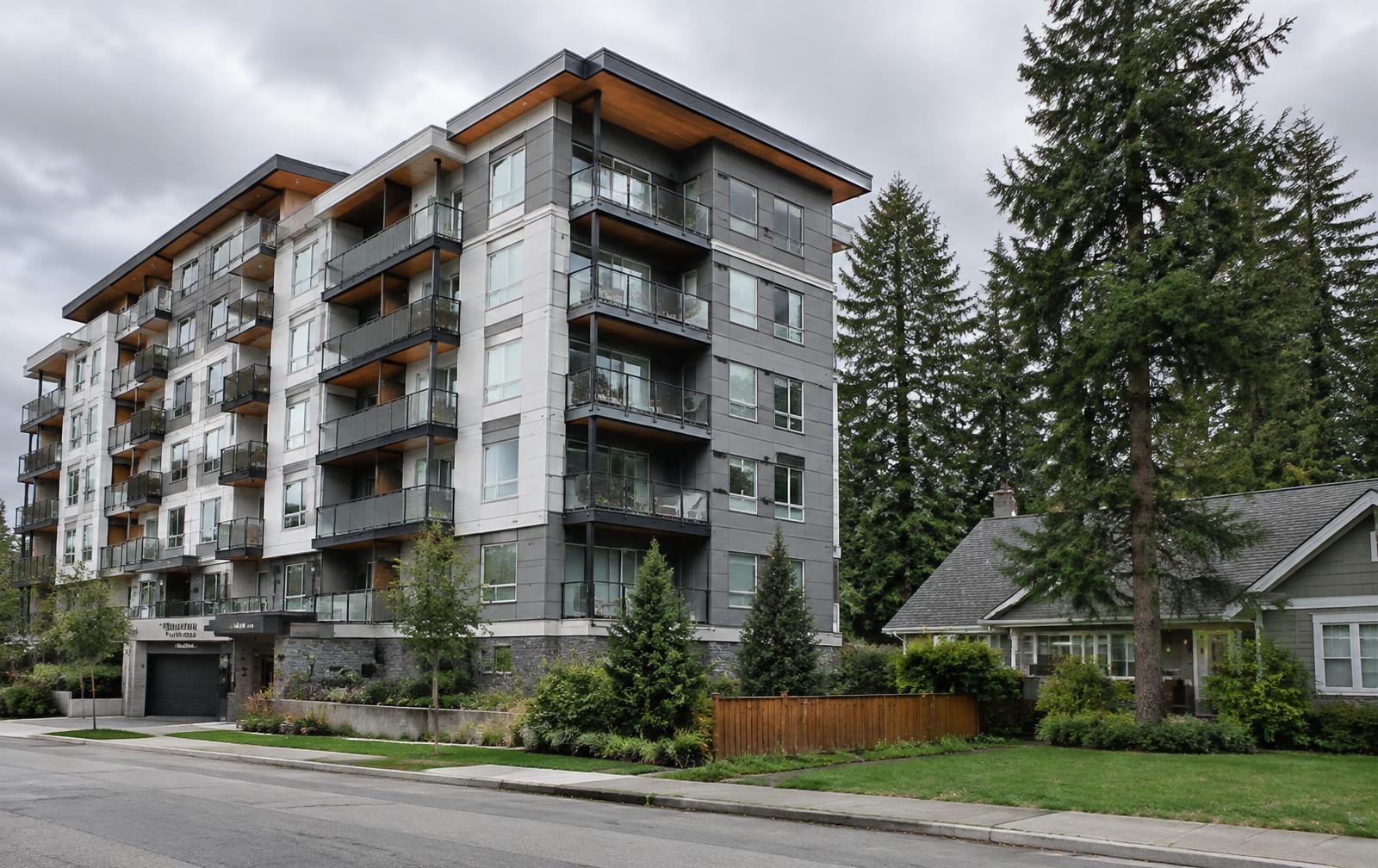
Property type decision
Condo vs single-family home: which holds up better as a long-term investment on the Eastside?
Comparing loan options?
We'll connect you with local lenders and help you read the Loan Estimates side by side.
Talk to the team