
Property type decision
Condo vs single-family home: which holds up better as a long-term investment on the Eastside?
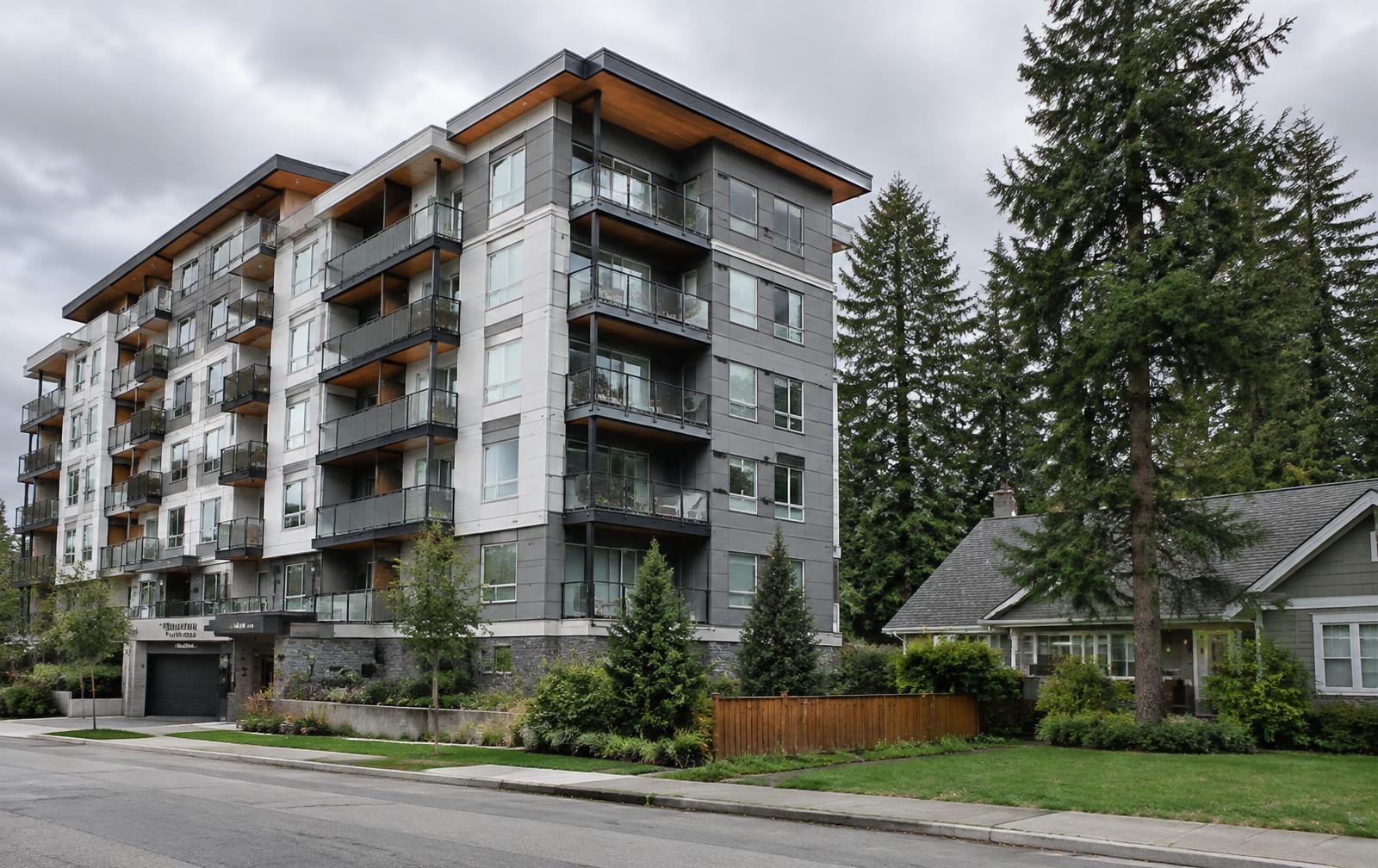
Condos offer a lower entry price and less maintenance; single-family homes include land and more control. Over a long hold, the difference in resilience usually comes from things a listing doesn't show: the HOA's finances, rental rules, financing eligibility and how scarce the land is. This hub compares both through that lens.
Quick answer
Single-family homes include land, which tends to drive long-term appreciation, and give the owner full control over rent, repairs and use — but cost more to buy and maintain. Condos are cheaper to enter and easier to manage, yet their resilience depends heavily on the association: reserve funding, special assessment history, litigation, owner-occupancy and rental caps, and whether the project is 'warrantable' for conventional financing. Under Washington's common interest community law (RCW 64.90), buyers receive a resale certificate with budget, reserve and assessment information — read it before you commit. For a long hold, judge either type by location, scarcity, school and job access, and total carrying cost, not price alone.
Land
The main long-term value driver single-family owners hold
Reserves
A condo's resilience starts with its reserve study
RCW 64.90
Washington law behind the resale certificate buyers receive
EN + 中文
HOA documents reviewed in both languages
Questions this hub answers
- condo vs single family home investment
- condo market vs single family home investment resilience
- is a condo a good investment
- long term real estate investment property traits
- hoa special assessment
- warrantable condo
How to compare the two for a long hold
- 01
1. Define the hold period and use
Owner-occupy now and rent later, or rent from day one? Rental rules and financing differ sharply between the two types.
- 02
2. Compare total carrying cost
Mortgage, taxes, insurance, HOA dues, maintenance and a reserve for big repairs — side by side, per month.
- 03
3. For condos, read the HOA package
Resale certificate, budget, reserve study, meeting minutes, special assessment history, litigation and rental caps.
- 04
4. Confirm financing eligibility
Ask your lender whether the condo project is warrantable; non-warrantable projects narrow your loan options and future buyer pool.
- 05
5. Judge long-term traits
Location, land scarcity, school and transit access, and the depth of the future buyer pool matter more than finishes.
Condo vs single-family: resilience factors
| Factor | Condo | Single-family home | What to check |
|---|---|---|---|
| Land ownership | Shared interest in common areas | Own the lot | Lot size, zoning |
| Carrying costs | HOA dues; possible special assessments | All maintenance on owner | Reserve study vs repair budget |
| Rental flexibility | May have rental caps or minimum terms | Generally owner's choice, subject to local rules | HOA rules, city regulations |
| Financing | Depends on project being warrantable | Broad loan availability | Lender project review |
| Control | Board decides exterior and budgets | Owner decides | Minutes, litigation |

Checklist
Long-term investment checklist
- Monthly carrying cost compared for both options.
- Resale certificate and reserve study reviewed (condos).
- Special assessment and litigation history checked.
- Rental caps and minimum lease terms confirmed.
- Warrantable status confirmed with lender.
- Location traits: schools, jobs, transit, land scarcity.
Frequently asked questions
Is a condo a good investment?
It can be, when the building is well funded, rentals are allowed on your terms and the location has steady demand. Weak reserves or frequent special assessments can erase the advantage of a lower price.
Do single-family homes appreciate faster than condos?
Over long periods, single-family homes often benefit from land value, but results vary by location and time period. Compare local sales history rather than relying on a general rule.
What is a warrantable condo?
A condo project that meets the guidelines of major conventional loan investors. Non-warrantable projects can still be financed, but with fewer and often costlier options.
What is an HOA special assessment?
A one-time charge to owners, usually for repairs the reserves cannot cover. Ask for the history and any planned assessments before you buy.
Related reading
Related
Buying an investment property on the Eastside
The full investment-property framework.
Related
Alternatives to a 30-year fixed mortgage
Financing choices for investors.
Related
Selling a rental to your tenant
Exit options later on.
Related
Washington investment property ROI
How to model returns.
Related
Buying new construction vs existing
Another property-type trade-off.
Related
Invest with our team
How we evaluate investment properties.
Other topic guides

Family transfers
Gift of equity and selling a home to a family member in Washington.

Title & closing
Selling a house with a lien in Bellevue and Greater Seattle.
Land value
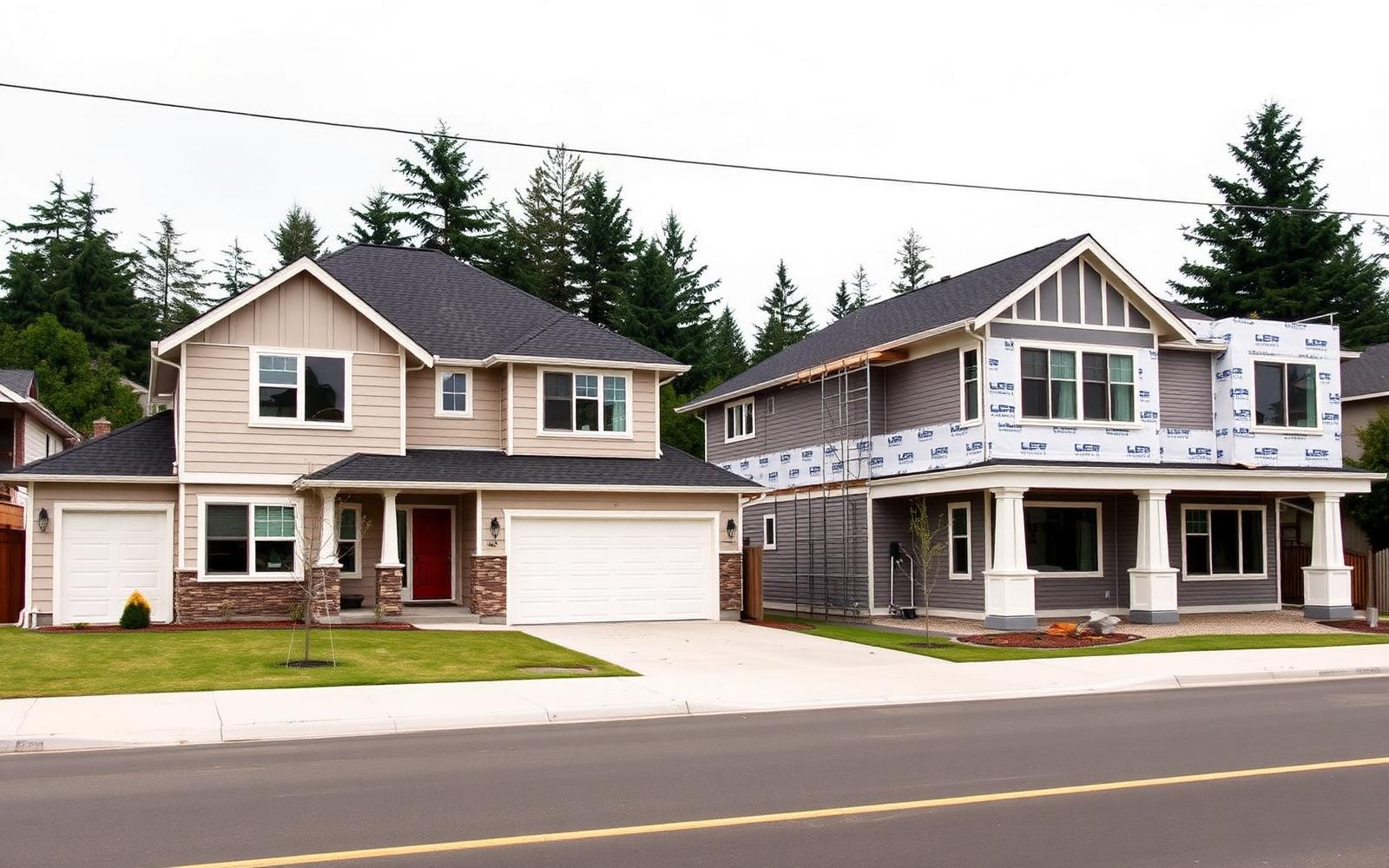
Selling an older Eastside home to a builder: land value vs. retail sale.

Visa & foreign buyers
Buying a home in Bellevue as a foreign national or visa holder.

Tech relocation
Moving to Bellevue for a tech job: rent first or buy now?

Schools & addresses
Buying by school assignment in the Bellevue School District.

Waterfront & unique homes
How to price a waterfront or one-of-a-kind home.

Listing problems
How to cancel a listing agreement and change agents.

Building & financing
Construction loans for self-employed and small business owners.

Land & lot value
Should you split a double lot before selling it?

Water & site risk
Flood zone, creek and drainage checks before you buy.

Landlords & investors
Selling a rental property to your current tenant.

Choosing an agent
How to choose a real estate agent in Seattle and on the Eastside.

Interview & review
Questions to ask before hiring — and how to tell if your agent is doing a good job.

Fees & commission
Who pays realtor fees in Washington — and what an agent actually keeps.

First-time buyers
Buying your first home in Washington State — including without a US credit history.

Home value
How to get an accurate home value estimate in Bellevue, Redmond and West Bellevue.
Investment property
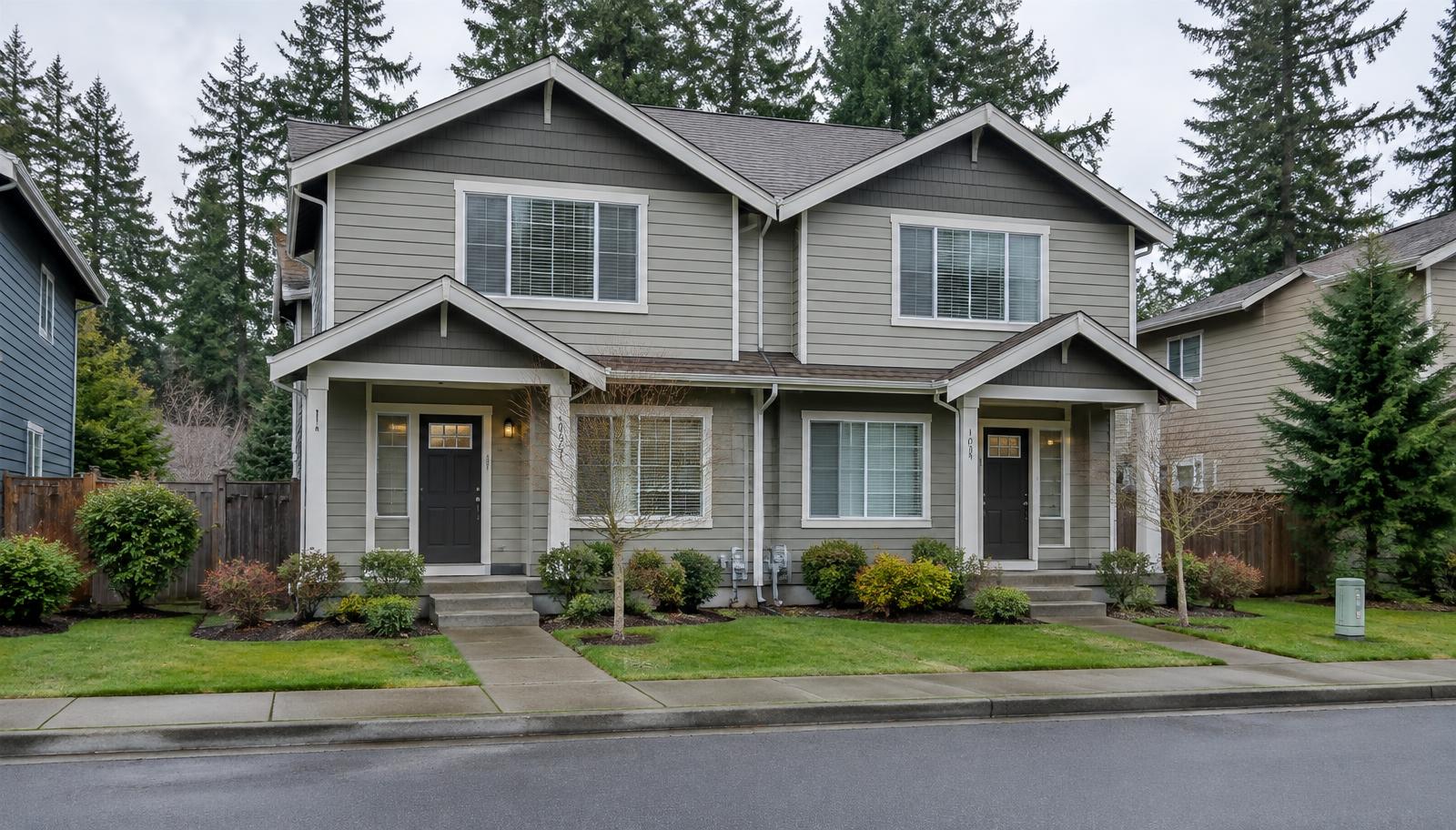
Buying an investment property on the Eastside: returns, rules and the numbers to run.

Listing presentation
Staging and listing photos: virtual staging, AI edits and what buyers trust.
Stalled listings
Your house is not selling: what to change, and whether to pause the listing.

Seller options
Instant cash offer vs listing your home: how to compare them properly.
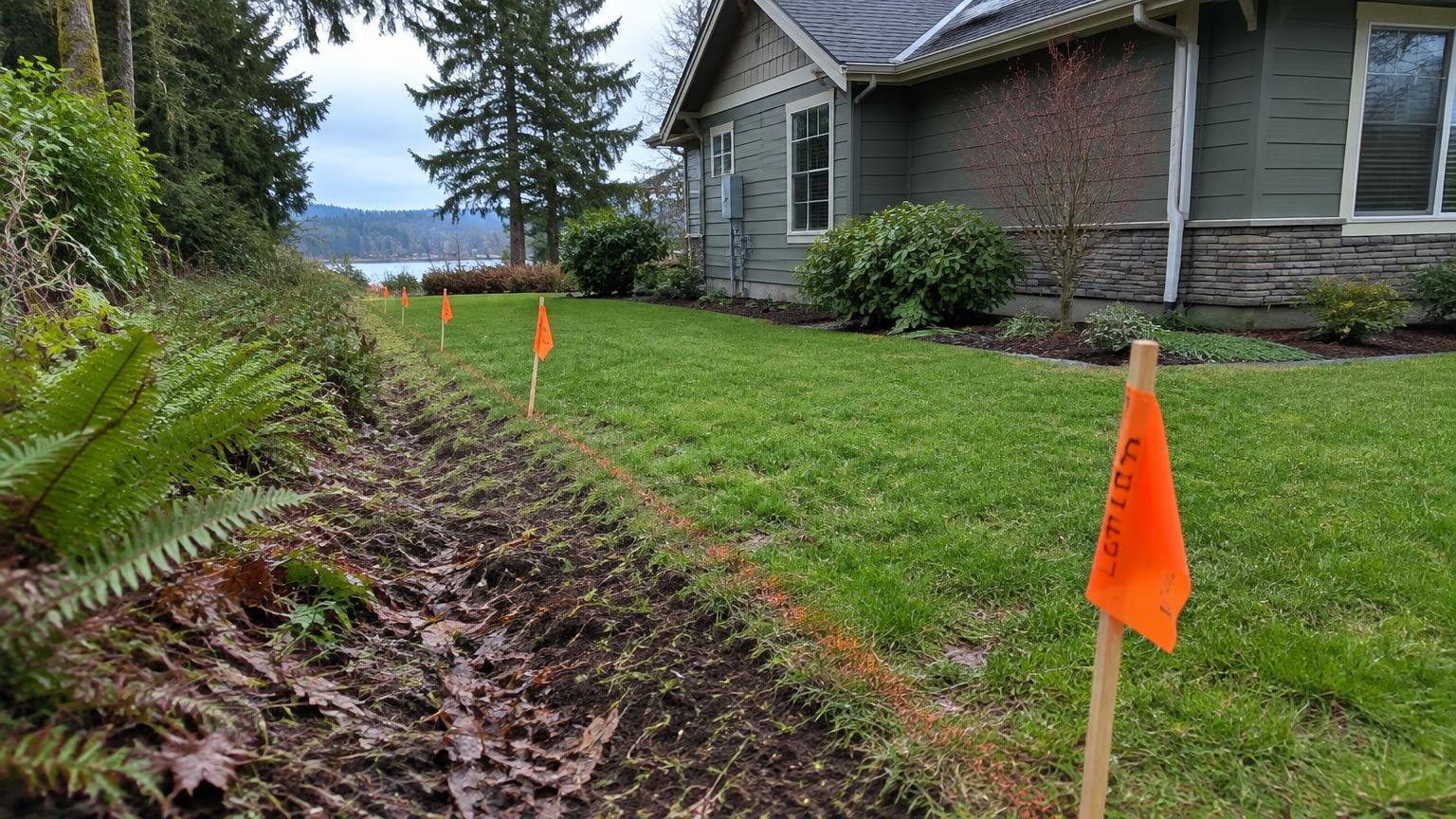
Due diligence
Easements, shared driveways and recorded restrictions: check before you buy.

Buyer strategy
Competing with all-cash offers as a financed buyer on the Eastside.

List price strategy
Pricing below market, offer review dates and how many showings to expect.

Offers and negotiation
What counts as a low-ball offer — and how to counter without losing the deal.
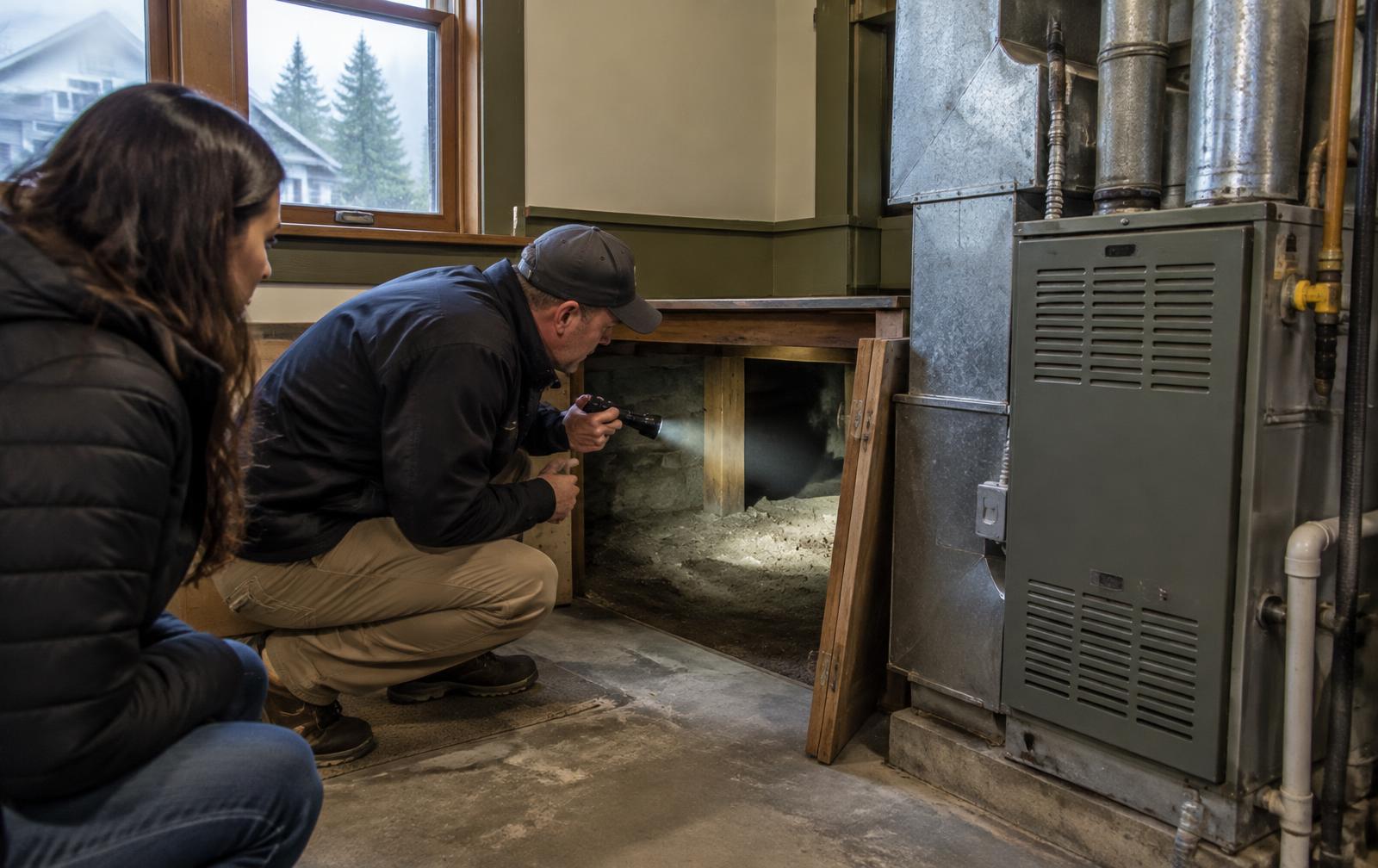
Inspection negotiation
Home inspection negotiation in Washington: repair requests, credits and difficult sellers.
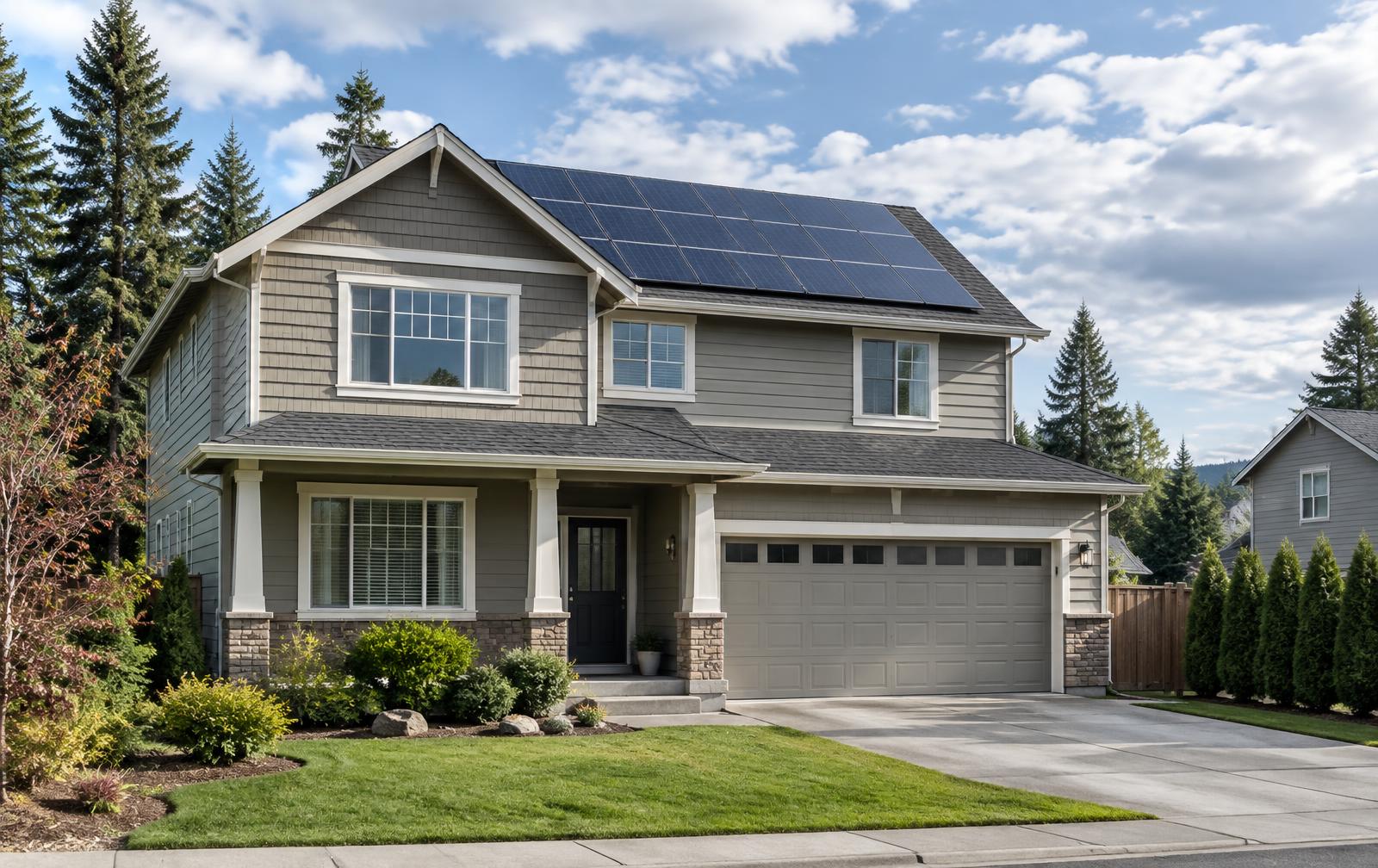
Solar homes
Buying a house with solar panels: owned vs leased, transfers and price drops.

Selling while living there
Selling a house while living in it: showings, kids, pets and the stress of selling.

Buying and selling at the same time
Home sale contingencies in Washington: buying a house contingent on selling yours.

Contract cancellation
Can you back out of buying a house before closing in Washington?
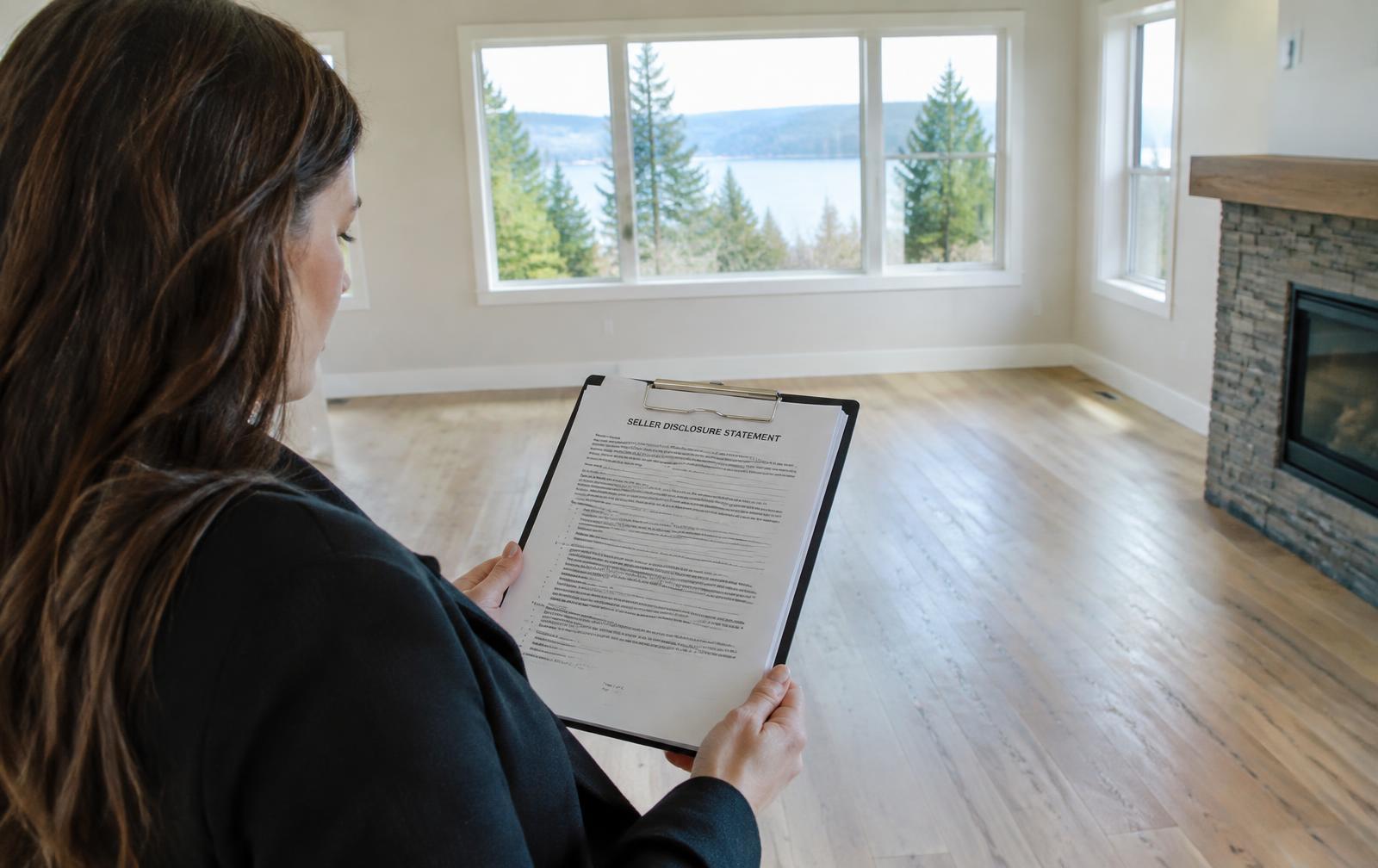
Seller disclosure
Washington's Form 17 seller disclosure: what buyers and sellers need to know.
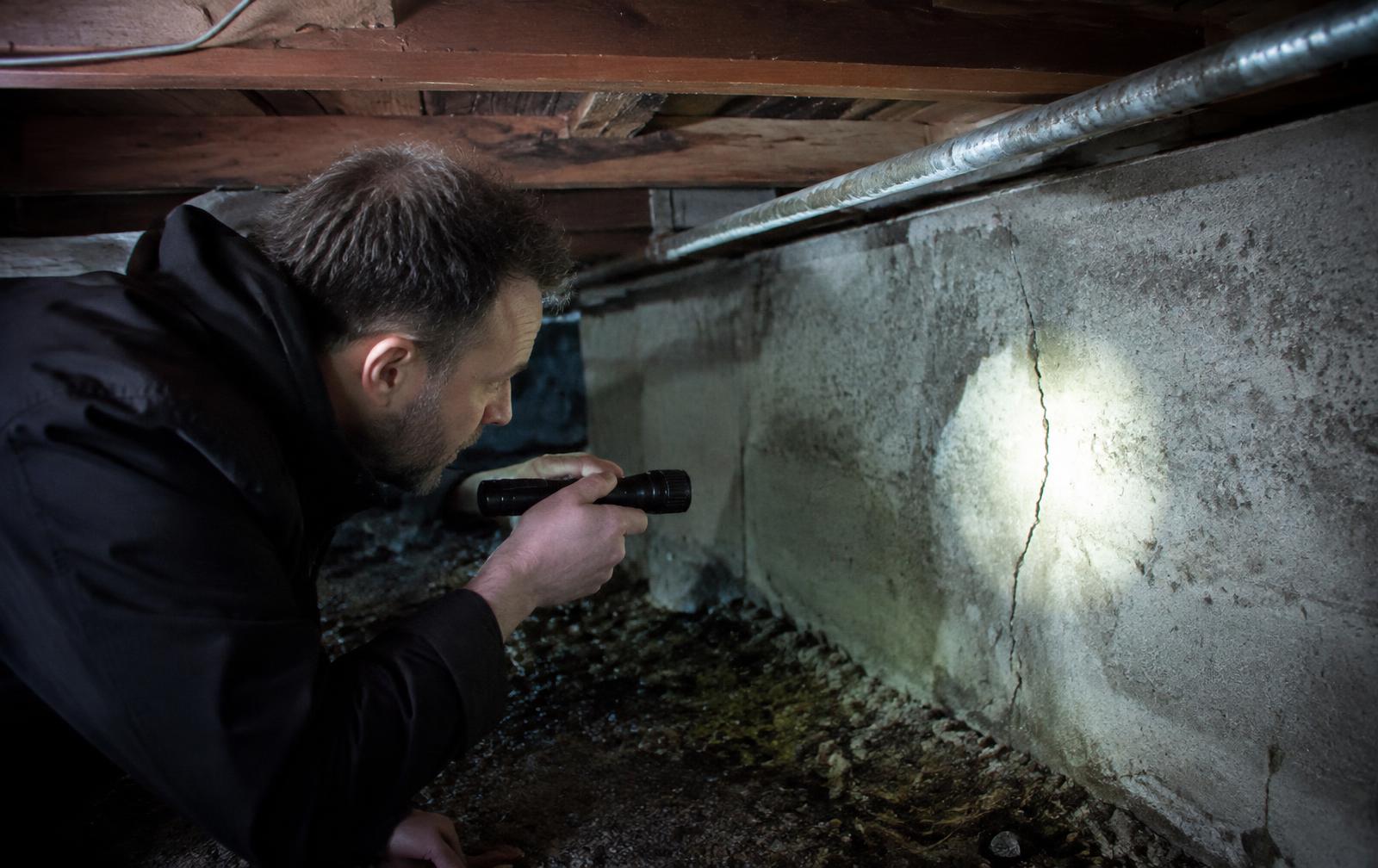
Structural risk
Buying a house with foundation issues in the Seattle area: risks, inspections and negotiation.

Mortgage options
Alternatives to a 30-year fixed mortgage for Washington buyers.
Deciding between a condo and a house?
We'll compare carrying costs and HOA documents side by side for the properties you're considering.
Compare my options