
Contract cancellation
Can you back out of buying a house before closing in Washington?
Buyers change their minds for real reasons: an inspection surprise, a job change, a loan that falls apart. Whether you can walk away without losing your earnest money depends almost entirely on which contingency is still open and whether you give notice on time. This hub walks through the rules and the decision before you act.

Quick answer
Yes, a buyer can back out before closing, but the cost depends on the contract. If you terminate under an open contingency — inspection, financing, appraisal, sale of your home, title or the seller disclosure (Form 17) rescission window — and give written notice before the deadline, the earnest money is normally returned. If you cancel after contingencies are waived or deadlines have passed, the seller may be entitled to keep the earnest money. On the standard NWMLS forms, when the buyer elects liquidated damages, Washington law (RCW 64.04.005) caps the earnest money a seller can keep as liquidated damages at 5% of the purchase price. Talk to your broker and, for disputes, a real estate attorney before missing any deadline.
5%
Washington cap on earnest money kept as liquidated damages (RCW 64.04.005)
In writing
Termination notices must follow the contract's notice rules
Deadlines
Each contingency has its own date — once passed, protection ends
EN + 中文
Contract terms explained in both languages
Questions this hub answers
- can i back out of buying a house
- can a buyer back out before closing
- walking away from real estate purchase contract before closing
- earnest money refund
- what happens if buyer backs out before closing
- backing out of a house offer
What to do if you want out
- 01
1. Identify which contingencies are still open
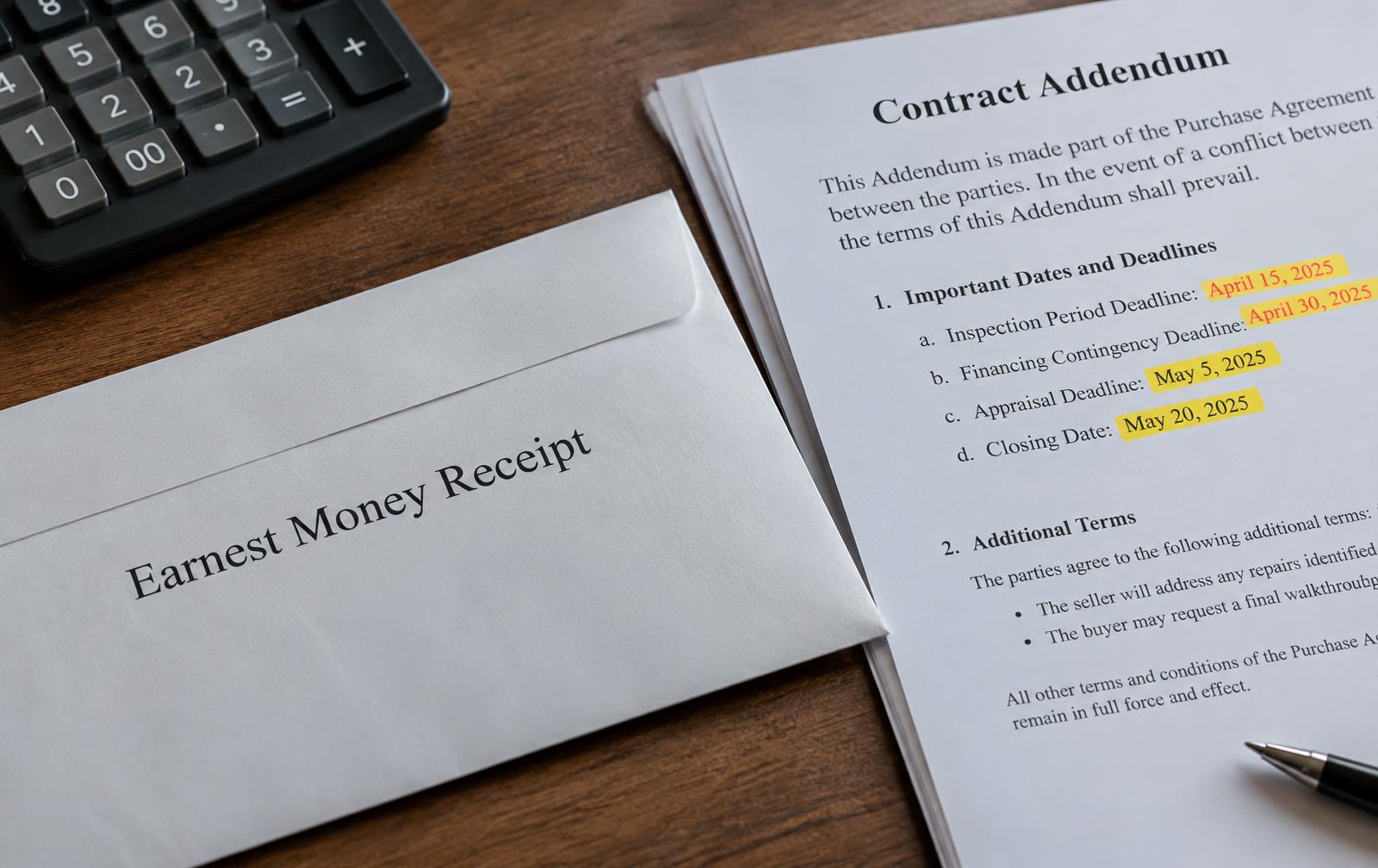
List every contingency in the contract and its deadline. Only an open contingency gives you a clean exit.
- 02
2. Confirm the reason fits the contingency
An inspection contingency covers condition concerns; a financing contingency covers loan denial on the stated terms. Termination has to match the contract language.
- 03
3. Deliver written notice on the correct form before the deadline
Use the NWMLS notice or termination form your broker provides and deliver it as the contract requires. Late notice can cost the deposit.
- 04
4. Request the earnest money release
The escrow or brokerage holding the funds usually needs both parties to sign a release. Disputes are resolved under the contract's procedures.
- 05
5. Get legal advice if the seller objects
If the seller claims default, speak with a Washington real estate attorney before signing anything further.
Backing out: when earnest money is usually safe
| Situation | Typical outcome | Key condition | Risk |
|---|---|---|---|
| Inspection contingency still open | Earnest money returned | Notice before inspection deadline | Missing the deadline |
| Loan denied, financing contingency open | Earnest money returned | Followed the loan application rules | Waived financing contingency |
| Form 17 rescission window | Earnest money returned | Within the statutory window after receipt | Window already closed |
| All contingencies waived or expired | Seller may keep earnest money | Liquidated damages elected | Up to 5% of price; possible other claims if not elected |
Checklist
Before you sign the purchase agreement
- Every contingency and deadline listed on one page.
- Earnest money amount you could afford to lose, decided in advance.
- Liquidated damages election reviewed with your broker.
- Loan application and lock dates matched to the financing contingency.
- Inspection scheduled early inside the inspection window.
- Attorney contact ready in case of a dispute.
Frequently asked questions
Can I back out of buying a house after the inspection?
If the inspection contingency is still open and you give notice before its deadline, generally yes. After you remove or waive it, backing out for condition reasons is usually not protected.
Do I get my earnest money back if I back out?
When you terminate under an open contingency and follow the notice rules, the deposit is normally returned. Otherwise the seller may keep it as liquidated damages, capped in Washington at 5% of the price when that remedy is elected.
Can I walk away 12 days before closing?
It depends on which contingencies remain. Close to closing, most contingencies have usually been satisfied or waived, so the earnest money is often at risk. Check your contract before acting.
Can the seller sue me for backing out?
If liquidated damages were elected, the seller is generally limited to the earnest money. If not, other remedies may apply. Ask a real estate attorney about your specific contract.
Related reading
Related
Seller disclosure (Form 17)
The rescission right buyers often forget.
Related
Home inspection negotiation
Resolve issues before deciding to walk.
Related
Home sale contingency
When your sale doesn't close in time.
Related
Escalation clauses in Washington
Other contract terms to read carefully.
Related
Appraisal gap coverage
When the appraisal comes in low.
Related
Buy with our team
How we manage contract deadlines.
Other topic guides

Family transfers
Gift of equity and selling a home to a family member in Washington.

Title & closing
Selling a house with a lien in Bellevue and Greater Seattle.
Land value
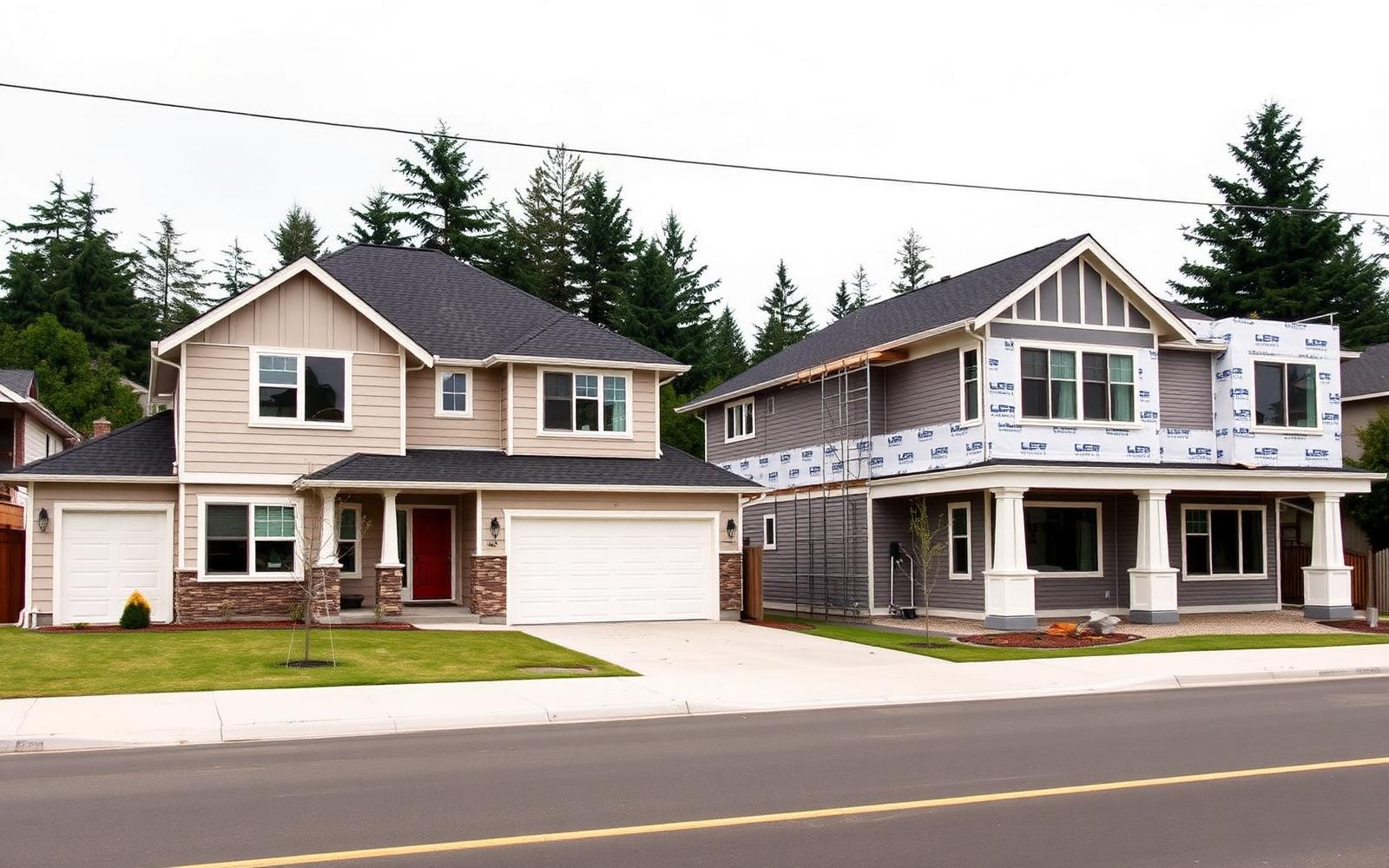
Selling an older Eastside home to a builder: land value vs. retail sale.

Visa & foreign buyers
Buying a home in Bellevue as a foreign national or visa holder.

Tech relocation
Moving to Bellevue for a tech job: rent first or buy now?

Schools & addresses
Buying by school assignment in the Bellevue School District.

Waterfront & unique homes
How to price a waterfront or one-of-a-kind home.

Listing problems
How to cancel a listing agreement and change agents.

Building & financing
Construction loans for self-employed and small business owners.

Land & lot value
Should you split a double lot before selling it?

Water & site risk
Flood zone, creek and drainage checks before you buy.

Landlords & investors
Selling a rental property to your current tenant.

Choosing an agent
How to choose a real estate agent in Seattle and on the Eastside.

Interview & review
Questions to ask before hiring — and how to tell if your agent is doing a good job.
Fees & commission
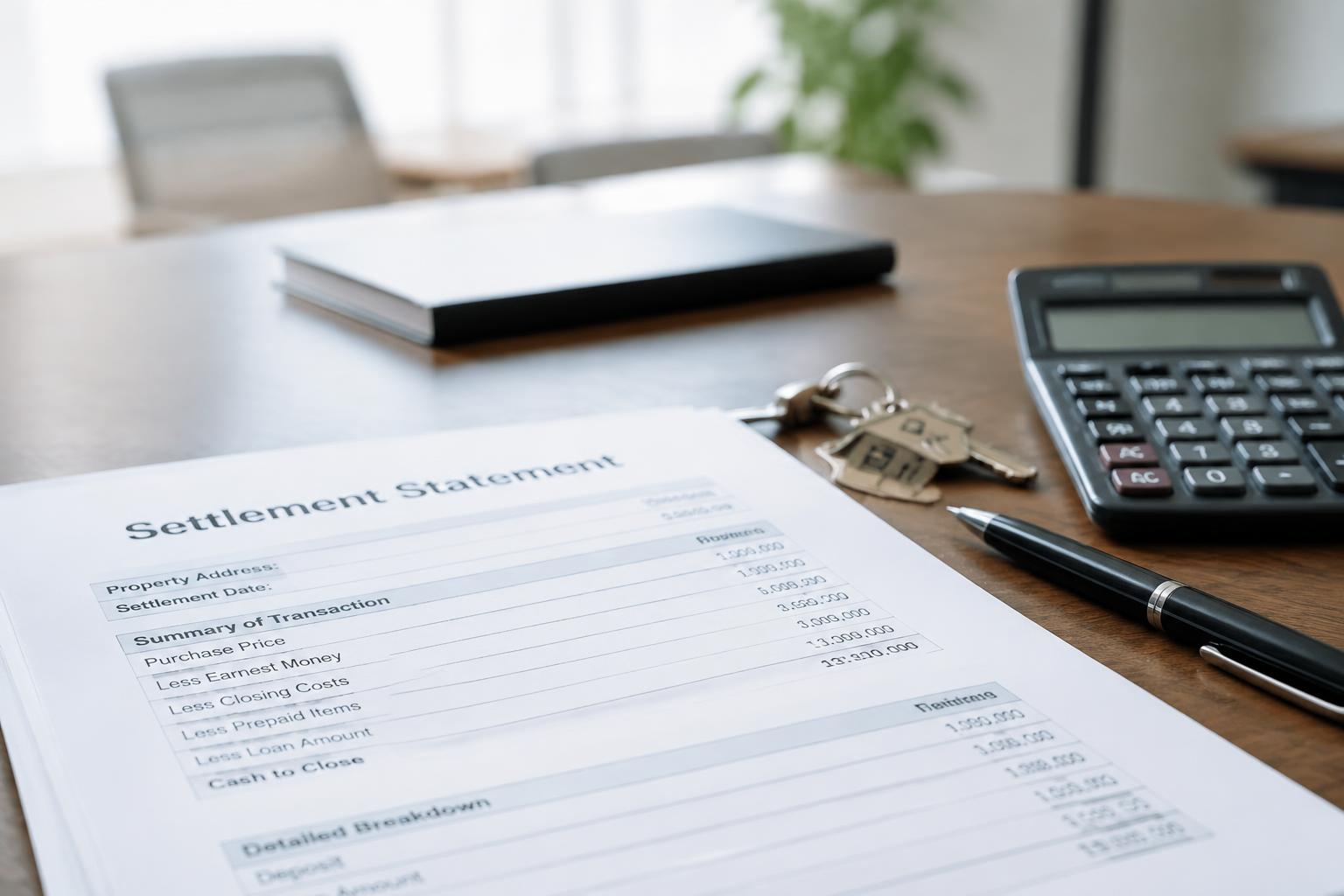
Who pays realtor fees in Washington — and what an agent actually keeps.

First-time buyers
Buying your first home in Washington State — including without a US credit history.

Home value
How to get an accurate home value estimate in Bellevue, Redmond and West Bellevue.
Investment property
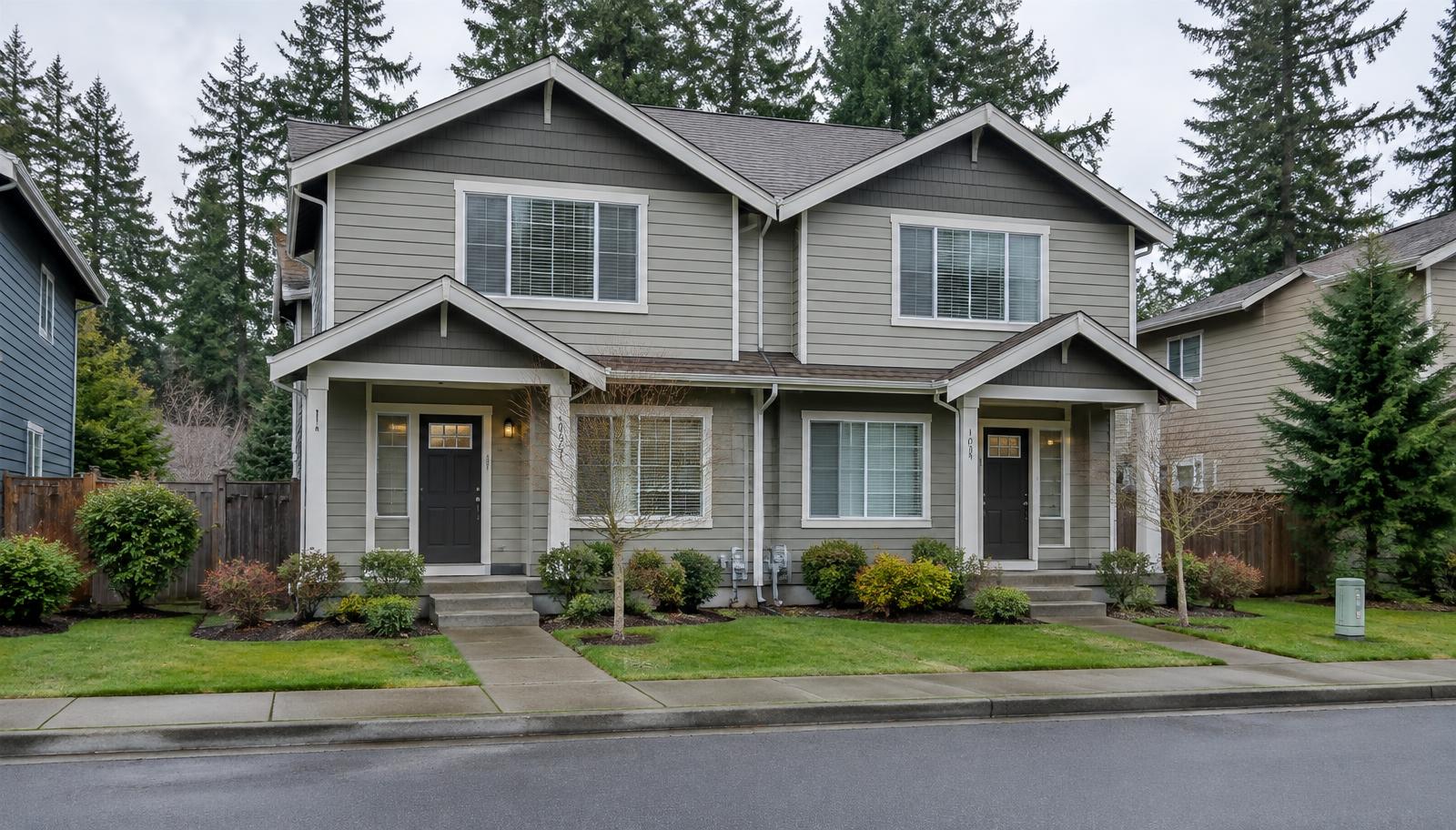
Buying an investment property on the Eastside: returns, rules and the numbers to run.

Listing presentation
Staging and listing photos: virtual staging, AI edits and what buyers trust.
Stalled listings
Your house is not selling: what to change, and whether to pause the listing.
Seller options
Instant cash offer vs listing your home: how to compare them properly.
Due diligence
Easements, shared driveways and recorded restrictions: check before you buy.

Buyer strategy
Competing with all-cash offers as a financed buyer on the Eastside.

List price strategy
Pricing below market, offer review dates and how many showings to expect.

Offers and negotiation
What counts as a low-ball offer — and how to counter without losing the deal.
Inspection negotiation
Home inspection negotiation in Washington: repair requests, credits and difficult sellers.
Solar homes
Buying a house with solar panels: owned vs leased, transfers and price drops.

Selling while living there
Selling a house while living in it: showings, kids, pets and the stress of selling.

Buying and selling at the same time
Home sale contingencies in Washington: buying a house contingent on selling yours.
Seller disclosure
Washington's Form 17 seller disclosure: what buyers and sellers need to know.
Structural risk
Buying a house with foundation issues in the Seattle area: risks, inspections and negotiation.

Mortgage options
Alternatives to a 30-year fixed mortgage for Washington buyers.
Property type decision
Condo vs single-family home: which holds up better as a long-term investment on the Eastside?
Unsure whether you can still cancel?
Send us your contract dates. We'll show which contingencies are still open and what each option means for your deposit.
Review my contract