
Buying and selling at the same time
Home sale contingencies in Washington: buying a house contingent on selling yours.
Most move-up buyers on the Eastside need the equity in their current home to buy the next one. A home sale contingency makes the new purchase depend on that sale — but sellers only accept it when the deadlines are tight and your current home is clearly sellable. This hub explains how the contingency works, what sellers look for, and which alternatives keep you competitive.

Quick answer
A home sale contingency lets a buyer cancel the purchase if their current home does not sell or close by agreed dates. In Washington it is usually written on the NWMLS sale-of-buyer's-property addendum, which sets when your home must be listed, when it must be under contract and when it must close, and often lets the seller keep marketing and ask you to remove the contingency within a short notice period. Sellers accept it more readily when your home is already listed or under contract, priced realistically and in a strong market segment. If a contingent offer is not competitive, the common alternatives are selling first with a rent-back, a bridge or HELOC-based loan, or buying first with financing that does not rely on the sale.
3 dates
List, under contract and close — each written into the addendum
Notice
Sellers may keep marketing and ask you to waive on short notice
2 homes
One team coordinates both your sale and your purchase
EN + 中文
Addenda and deadlines explained in both languages
Questions this hub answers
- home sale contingency
- house sale contingency timeline rules
- buying a house contingent on selling yours
- how does a home sale contingency work
- bridge loan for buying a house
- sell first or buy first
How to make a contingent offer work
- 01
1. Get your current home market-ready first
A seller judges your contingency by how quickly your home will sell. Pricing, repairs, photos and the disclosure package should be ready before you write the offer — ideally the home is already listed.
- 02
2. Confirm the loan with and without the sale
Ask your lender what you qualify for if the old home has not closed. That answer decides whether you need the contingency at all, or only a short one.
- 03
3. Write tight, realistic deadlines
The addendum sets dates for listing, mutual acceptance and closing of your home. Shorter windows make the offer stronger, but only promise dates your local market supports.
- 04
4. Plan for the seller's notice to remove the contingency
If the seller receives another offer, you may have only days to remove the contingency or step aside. Decide in advance what you would do and whether you can carry both homes.
- 05
5. Line up the closing sequence
Coordinate escrow so your sale closes first or on the same day, with a rent-back or move date that avoids two moves.
Contingent offer vs the alternatives
| Option | How it works | Best when | Main trade-off |
|---|---|---|---|
| Home sale contingency | Purchase depends on your sale | Your home is listed and clearly sellable | Weaker offer; seller may keep marketing |
| Sell first + rent-back | Sell, then rent your home back briefly | You need the equity and want a clean offer | Tight timing to find the next home |
| Bridge loan or HELOC | Borrow against current equity to buy first | Strong equity and income to carry both | Two payments for a period; added cost |
| Buy first, no contingency | Qualify without the sale | High income or large reserves | Risk of owning two homes if the sale is slow |
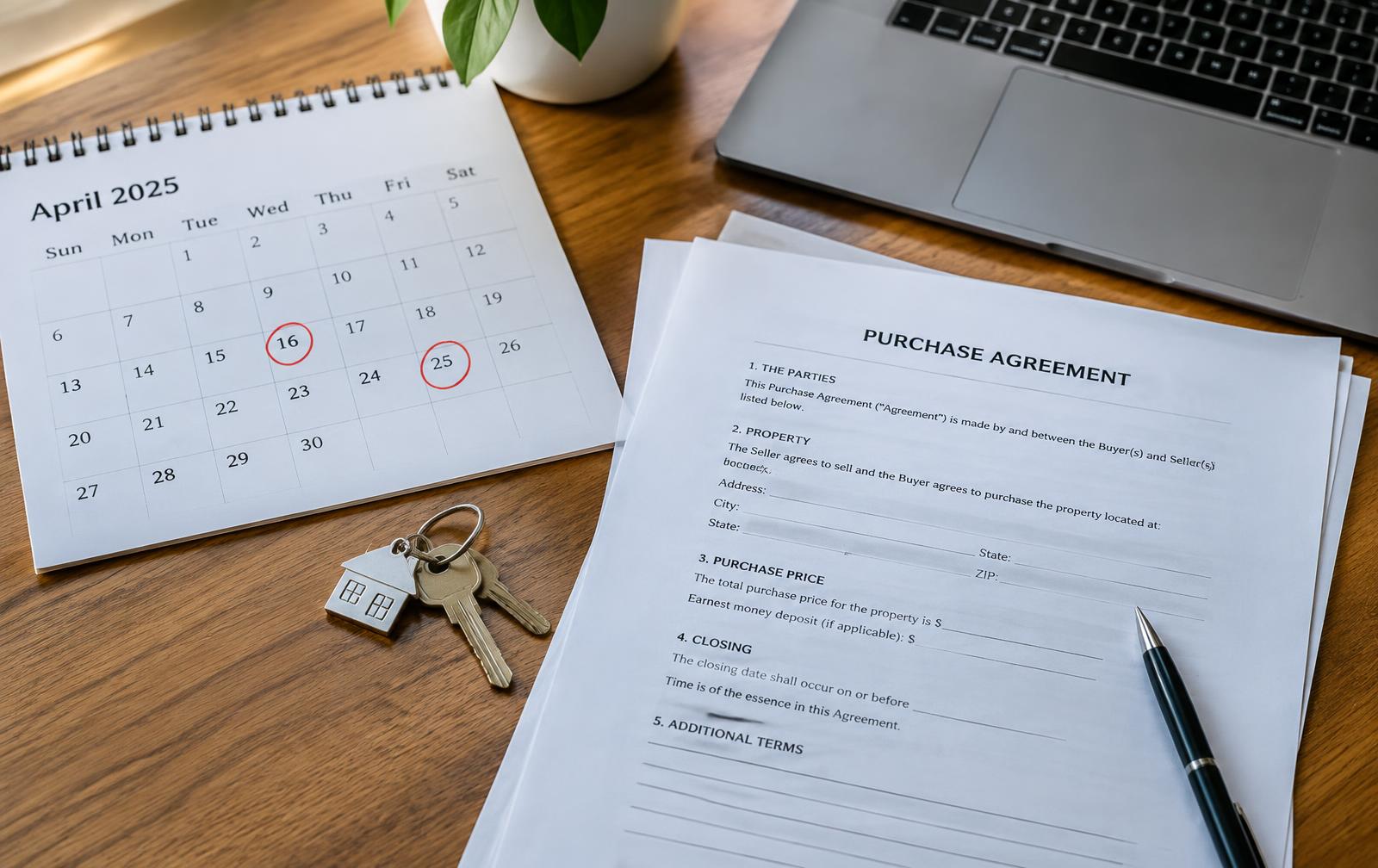
Checklist
Before you write a contingent offer
- Current home priced against active and pending competition.
- Lender letter showing approval both with and without the sale.
- Listing, contract and closing dates you can realistically hit.
- Plan if the seller gives notice to remove the contingency.
- Backup plan: rent-back, short-term rental or bridge financing.
- Both escrows coordinated by one team.
Frequently asked questions
Will a seller accept a home sale contingency?
Some will, especially when your home is already listed or under contract and the market is not highly competitive. In multiple-offer situations a contingent offer is usually at a disadvantage unless the price or other terms make up for it.
What happens if the seller gets another offer?
If the addendum allows the seller to keep marketing, the seller can notify you and you then have a short period to remove the contingency or the contract may terminate. Read the exact notice period in your addendum.
Is a bridge loan better than a contingency?
It can make your offer stronger because the purchase no longer depends on the sale, but you may carry two payments and extra costs for a while. Compare the total cost with your lender before deciding.
Should I sell first or buy first?
Selling first gives certainty about your budget; buying first gives certainty about the next home. The right order depends on your equity, income and how quickly homes like yours are selling.
Related reading
Related
Selling a house while living in it
Showings and logistics while you shop.
Related
Backing out before closing
What happens if a contingency deadline is missed.
Related
Alternatives to a 30-year fixed mortgage
Financing that changes the sequence.
Related
Home value estimate for Eastside sellers
Price your current home first.
Related
Closing costs in Washington
Budget for two closings.
Related
Sell with our team
How we coordinate the sale side.
Other topic guides

Family transfers
Gift of equity and selling a home to a family member in Washington.

Title & closing
Selling a house with a lien in Bellevue and Greater Seattle.
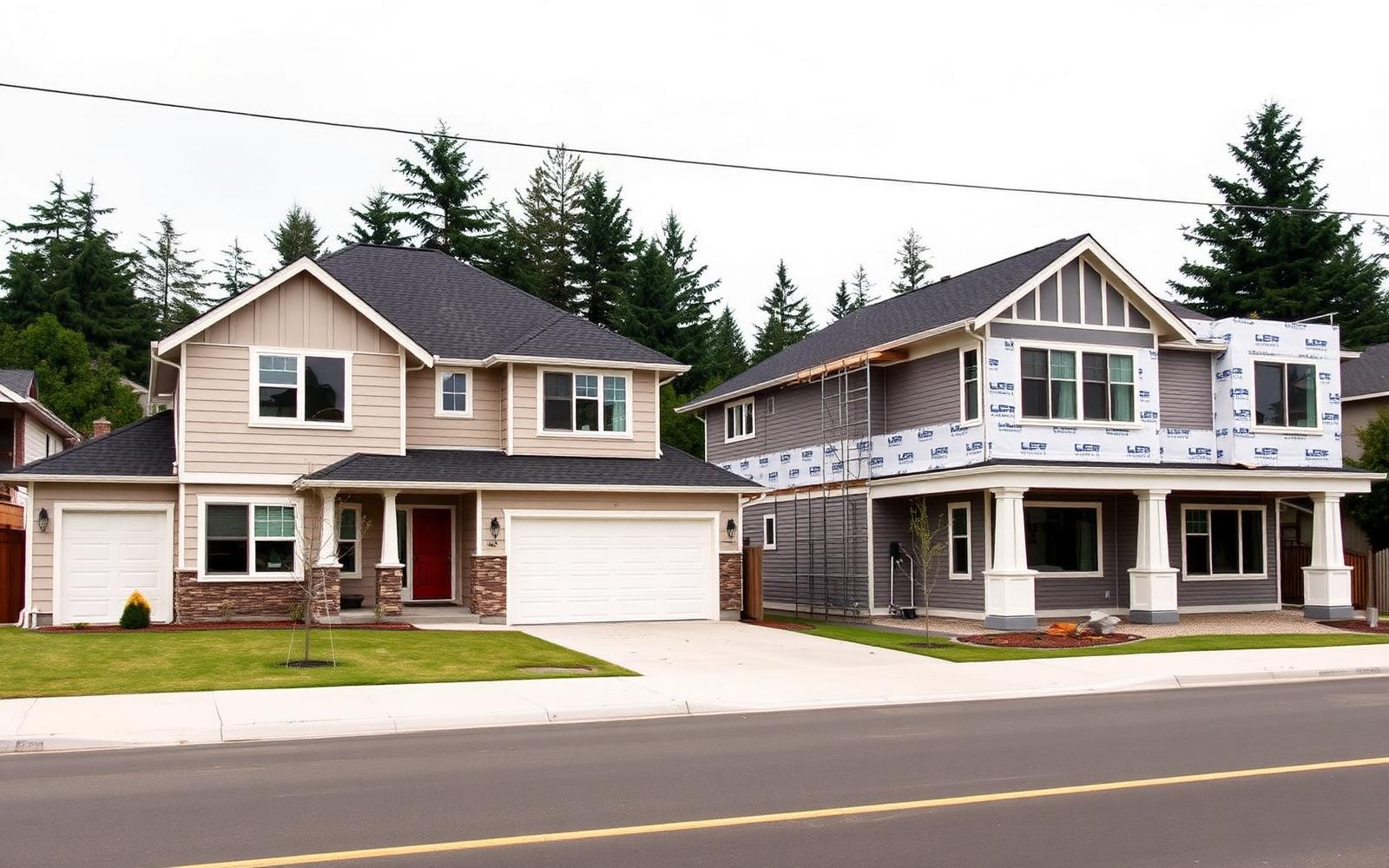
Land value
Selling an older Eastside home to a builder: land value vs. retail sale.

Visa & foreign buyers
Buying a home in Bellevue as a foreign national or visa holder.

Tech relocation
Moving to Bellevue for a tech job: rent first or buy now?

Schools & addresses
Buying by school assignment in the Bellevue School District.

Waterfront & unique homes
How to price a waterfront or one-of-a-kind home.

Listing problems
How to cancel a listing agreement and change agents.

Building & financing
Construction loans for self-employed and small business owners.

Land & lot value
Should you split a double lot before selling it?

Water & site risk
Flood zone, creek and drainage checks before you buy.

Landlords & investors
Selling a rental property to your current tenant.

Choosing an agent
How to choose a real estate agent in Seattle and on the Eastside.

Interview & review
Questions to ask before hiring — and how to tell if your agent is doing a good job.
Fees & commission
Who pays realtor fees in Washington — and what an agent actually keeps.

First-time buyers
Buying your first home in Washington State — including without a US credit history.

Home value
How to get an accurate home value estimate in Bellevue, Redmond and West Bellevue.
Investment property
Buying an investment property on the Eastside: returns, rules and the numbers to run.

Listing presentation
Staging and listing photos: virtual staging, AI edits and what buyers trust.
Stalled listings
Your house is not selling: what to change, and whether to pause the listing.

Seller options
Instant cash offer vs listing your home: how to compare them properly.

Due diligence
Easements, shared driveways and recorded restrictions: check before you buy.

Buyer strategy
Competing with all-cash offers as a financed buyer on the Eastside.

List price strategy
Pricing below market, offer review dates and how many showings to expect.

Offers and negotiation
What counts as a low-ball offer — and how to counter without losing the deal.

Inspection negotiation
Home inspection negotiation in Washington: repair requests, credits and difficult sellers.
Solar homes
Buying a house with solar panels: owned vs leased, transfers and price drops.

Selling while living there
Selling a house while living in it: showings, kids, pets and the stress of selling.

Contract cancellation
Can you back out of buying a house before closing in Washington?
Seller disclosure
Washington's Form 17 seller disclosure: what buyers and sellers need to know.

Structural risk
Buying a house with foundation issues in the Seattle area: risks, inspections and negotiation.

Mortgage options
Alternatives to a 30-year fixed mortgage for Washington buyers.
Property type decision
Condo vs single-family home: which holds up better as a long-term investment on the Eastside?
Need to sell to buy?
We'll map your sale and purchase on one timeline and tell you which offer structure is realistic in your neighborhood.
Plan my move