
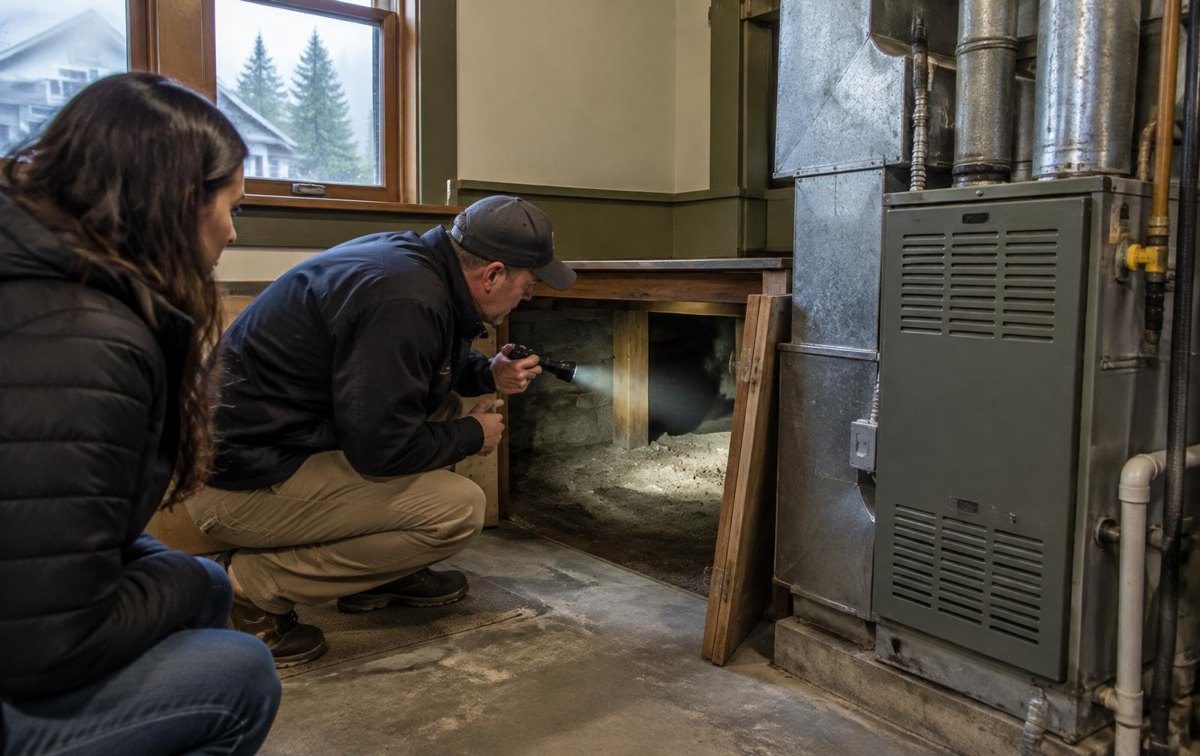
Record what prevented or limited the inspection, then ask your broker to confirm the signed inspection terms, response deadline, and required notice method before requesting repairs or deciding whether to proceed.
What should you do when a seller is uncooperative during inspection?
First, record the scheduled inspection time, who arranged access, what was blocked or interrupted, and what the inspector could not evaluate. Ask your broker to confirm the signed inspection terms, the next response deadline, and the required method for notices or a written extension. Keep the appointment messages and the inspector’s account of any limitations; ask before sharing the report with the seller. These records and contract checks give you a practical starting point before requesting repairs or considering termination.
A seller who refuses access, a seller who interrupts the inspector, and a seller who declines to pay for repairs present different problems. Calling all three situations “hostility” can obscure the contractual question that needs an answer. Washington’s brokerage duties include timely presentation of written notices and offers; ask how the required communication will be handled. A confrontational exchange at the property rarely clarifies any of those issues.
An inspection finding does not automatically require the seller to repair the house. Nor does a refusal to make repairs automatically entitle the buyer to cancel and recover earnest money. Those outcomes depend on the signed purchase agreement, its addenda, the notices delivered, and the circumstances. Before making a demand or threatening termination, ask your broker to identify the exact clause and date that govern your situation. Obtain legal advice when there is a dispute about rights or a possible breach.
Separate access problems from disagreements about repairs
If an inspection appointment cannot proceed, record the facts rather than the seller’s presumed motive. Note the scheduled time, who arranged access, what was unavailable, and whether the inspector could evaluate the relevant components. A locked garage, disconnected appliance, or blocked attic may limit the inspection without proving intentional concealment. A written account helps the brokers request access or additional time while avoiding an accusation unsupported by evidence.
If the seller remains at the home and repeatedly interrupts, ask your broker to coordinate an arrangement that lets the inspector work. Do not assume there is a universal Washington rule requiring the seller to leave. The practical objective is an inspection that can be completed safely and within the agreed terms. If conditions prevent that, the inspector should describe the limitations in the report, and the brokers should address the unfinished work through the contract rather than informal assurances.
A disagreement about repairs comes later. Once you know what the inspector actually found, distinguish maintenance, a safety concern, a potentially significant system defect, and a matter needing a specialist. The seller may disagree about cost or responsibility without denying access. Your response should explain the specific concern and proposed solution, not treat every negative answer as evidence that the transaction is impossible.
Check the signed inspection terms before sending anything
Have the complete executed agreement available, including the inspection addendum and any subsequent changes. Review the inspection-contingency and response provisions in the documents you actually signed; a form label alone is not enough. The signed edition, selections, modifications, and notices determine the process. Do not substitute a blog’s generic deadline for the date calculated under your own agreement.
Ask your broker to confirm the inspection deadline, any procedure for requesting additional inspections, how a response must be delivered, and what happens if the parties do not agree. If access was delayed, request clarification about a written extension before the deadline passes. A verbal statement that “we will work it out” may not preserve a contractual right. Keep a copy of any agreed extension and verify that the relevant parties signed it.
Also check restrictions on delivering inspection reports or excerpts. Do not automatically email the entire report to the seller or attach pages to a repair request. Inspection-addendum language has changed over time, and sharing a report can have consequences under the version you signed. Ask the broker to review the actual provision before transmitting it; if interpretation is disputed, involve counsel. Seller disclosure requirements are a separate issue from the buyer’s permission to deliver an inspection report.
Turn inspection findings into a documented decision
Washington’s inspection standards describe a visual, non-exhaustive examination rather than a guarantee that every defect will be discovered. The state’s standards of practice explain that concealed conditions and latent defects may fall outside that examination. The general limitations also make clear that a standard inspection is not an engineering opinion or a universal repair-cost estimate. An inspector’s recommendation for further evaluation deserves a separate plan.
For a roof concern, structural question, or specialized equipment issue, obtain the appropriate contractor’s or specialist’s written assessment when access and timing permit. Ask what was examined, what remains unknown, what work is proposed, and whether permits or further testing are needed. A broad allowance based on an online estimate is less useful than a defined scope, and an estimate should not be described as a fixed price unless the provider actually made that commitment.
Group the findings by their effect on your decision. A cosmetic item may be acceptable without a change in price. An uncertain structural condition may be unacceptable until evaluated, even if the seller offers money. Decide which concerns you can afford and manage after closing, which need resolution beforehand, and which require information you do not yet have. This keeps the negotiation focused on risk instead of the length of the report.
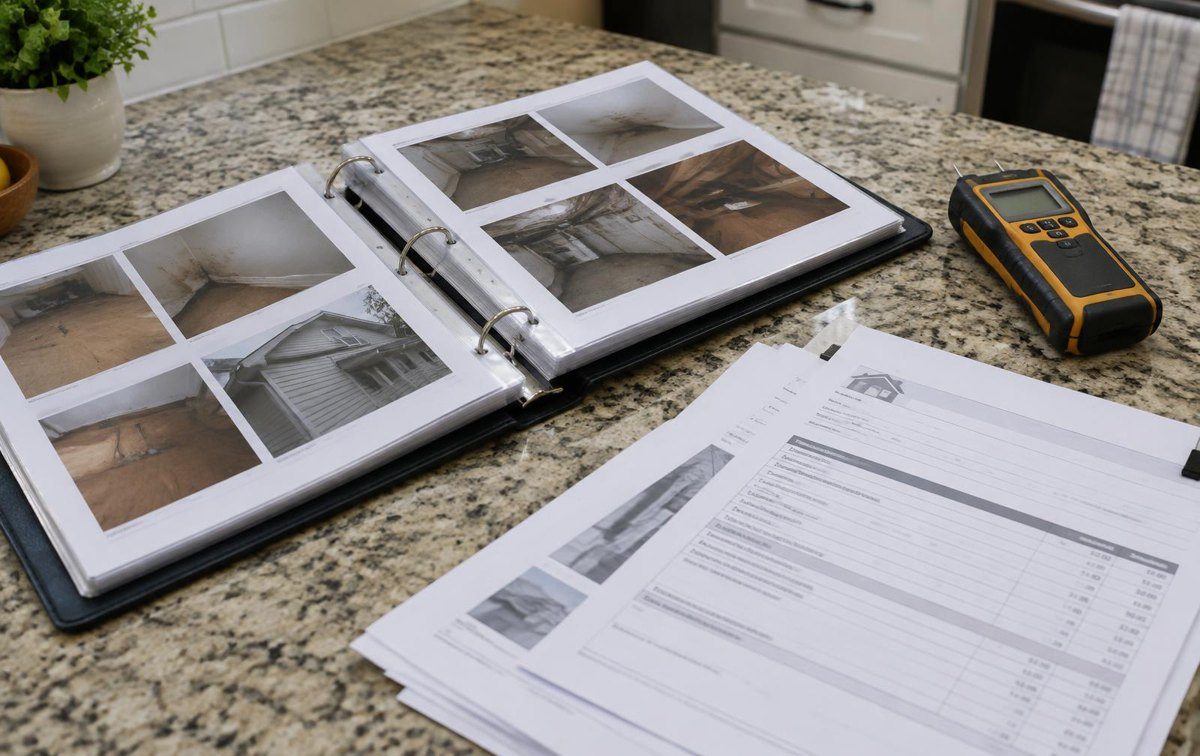
Compare repairs, price changes, and permitted credits
A repair agreement should describe the work, who performs it, how completion is documented, and any agreed inspection or review before closing. Do not claim that choosing a licensed contractor guarantees quality. Ask about qualifications, insurance, scope, receipts, permits where required, and access for verification. If you need a warranty, establish its actual terms rather than assume that a receipt creates one.
| Option | Potential advantage | What still needs checking |
|---|---|---|
| Seller completes agreed work | The identified issue may be addressed before closing. | Scope, completion, permits, verification, and any lender requirement. |
| Purchase-price adjustment | The agreed purchase price changes. | It does not necessarily provide the same amount of repair cash at closing. |
| Seller credit at closing | May offset eligible closing expenses. | Lender limits, eligible costs, and settlement treatment; it is not unrestricted cash. |
| Proceed without a change | Avoids a further negotiation if the risk is acceptable. | Actual affordability, specialist findings, and remaining uncertainty. |
Ask the lender and settlement provider to review a proposed credit before relying on it. A large credit that cannot be used under the loan rules does not solve a repair-budget problem. Likewise, reducing the purchase price and having the seller pay off an unrelated obligation are different arrangements. Review the revised cash-to-close and future repair budget together, rather than comparing the headline dollar amounts alone.
Continue or terminate using the agreed process
Prepare a short decision memo: the unresolved condition, the information available, the proposed agreement, and the financial exposure if you proceed. Ask your broker to explain the available contractual choices before the response deadline. Negotiation may lead to a written agreement, no agreement, or a decision not to continue under an applicable contingency. Do not assume that silence, an unanswered text, or walking away from a meeting has the same effect as a required notice.
If termination is being considered, verify the grounds, method of notice, recipient, and deadline. The handling of earnest money also depends on the agreement and circumstances; a dispute can remain even after a transaction ends. A managing broker can help review the process, but a contested interpretation, alleged breach, or disagreement about release of funds calls for legal advice. Never use an unverified form reference as a promise that cancellation is simple or automatic.
A buyer’s preparation checklist
- Locate the executed agreement, inspection provisions, and all amendments.
- Confirm the deadlines and notice method with your broker.
- Document access limitations and incomplete inspection areas.
- Obtain specialist input for concerns outside a standard inspection.
- Review report-sharing restrictions before sending attachments.
- Compare repair responsibility, usable credits, and cash requirements.
- Get any extension or negotiated resolution in the appropriate written form.
Keep the communication factual: “The inspector could not access the attic during the appointment; please confirm an access arrangement and the effect on our inspection schedule” is more useful than “The seller is hiding something.” A clear request gives the other side something concrete to answer. It also creates a record of what remains unresolved if the parties later need professional help.
Frequently asked questions
Can the seller refuse to repair an inspection finding?
A finding does not itself impose a universal repair obligation. The buyer’s choices depend on the signed contract, negotiated agreements, and applicable requirements. Review those documents rather than assuming that every reported item must be corrected.
Should I send the seller my inspection report?
Not automatically. Check your signed inspection provision and obtain guidance about permitted delivery before sharing the report or excerpts. The rules in a particular transaction cannot be established from an article alone.
Does a refusal to allow inspection mean I get my deposit back?
There is no blanket answer. Preserve the factual record, act before relevant deadlines, and have the contract reviewed. An alleged breach and the release of earnest money can involve separate disputed questions.
Can the broker guarantee the home has no defects?
No. Brokerage services and a standard inspection do not eliminate hidden-condition risk. Use qualified specialists for unresolved questions and assess whether the remaining risk fits your budget and tolerance.
Sources and scope
Sources checked in October 2026. This guide does not assert current local market statistics or a guaranteed result. Signed agreements, current rules, and property-specific professional advice govern individual transactions.