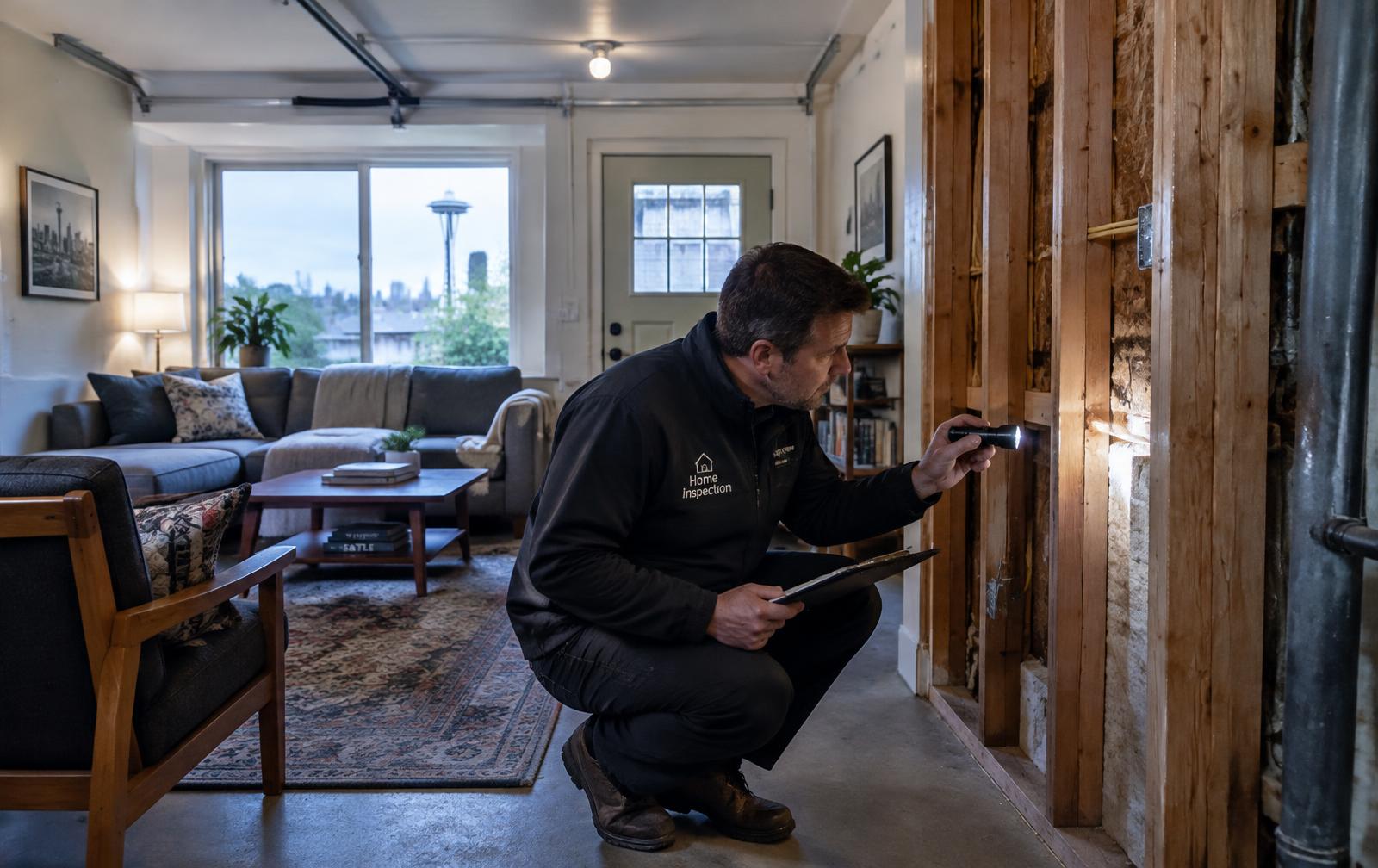
Many homes in the Puget Sound region sit over a crawl space, and a damp crawl space is a common inspection finding. Moisture can be minor and manageable, or a sign of drainage, plumbing or structural issues. As a buyer, your goal is to learn which, within your inspection period, using qualified professionals.
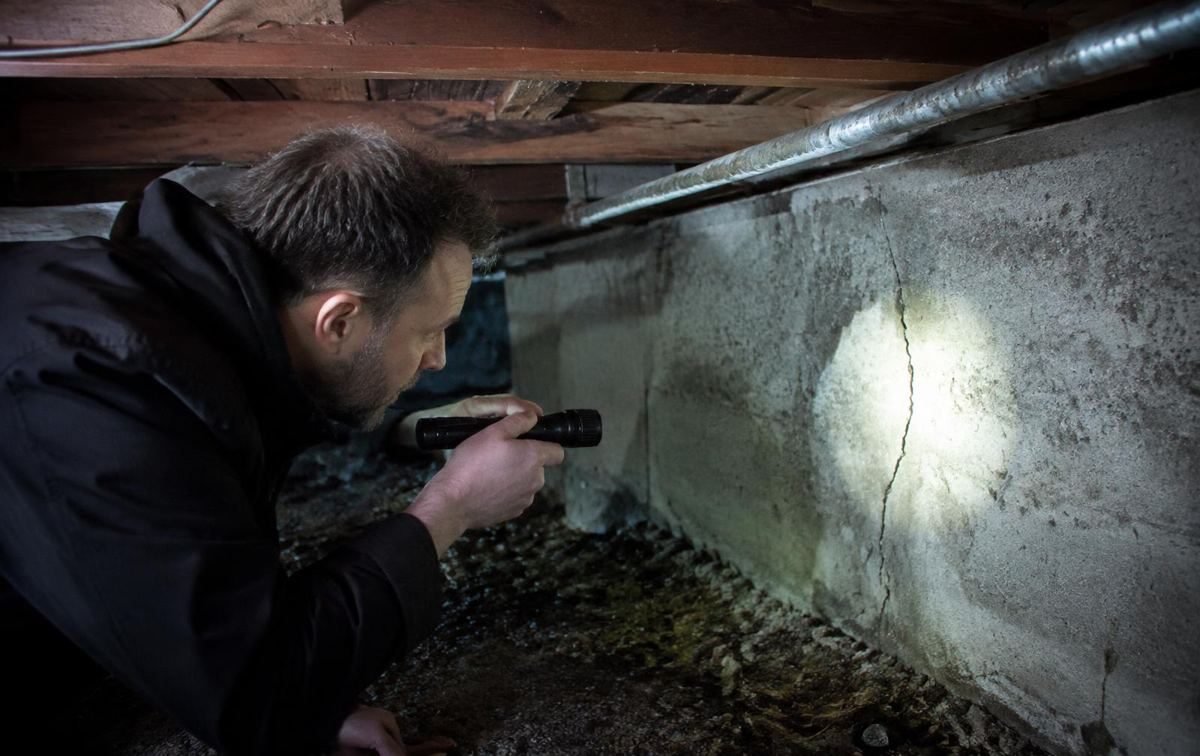
Do not enter a crawl space yourself. Confined spaces can involve hazards such as electrical wiring, pests, mold, sharp debris and poor air; leave that to the inspector or contractor.
Standing water, condensation and leaks are different problems
| Type | Possible sources | Often points to |
|---|---|---|
| Standing water | Groundwater, surface runoff, gutter or downspout discharge near the foundation | Site drainage, grading, or a sump question |
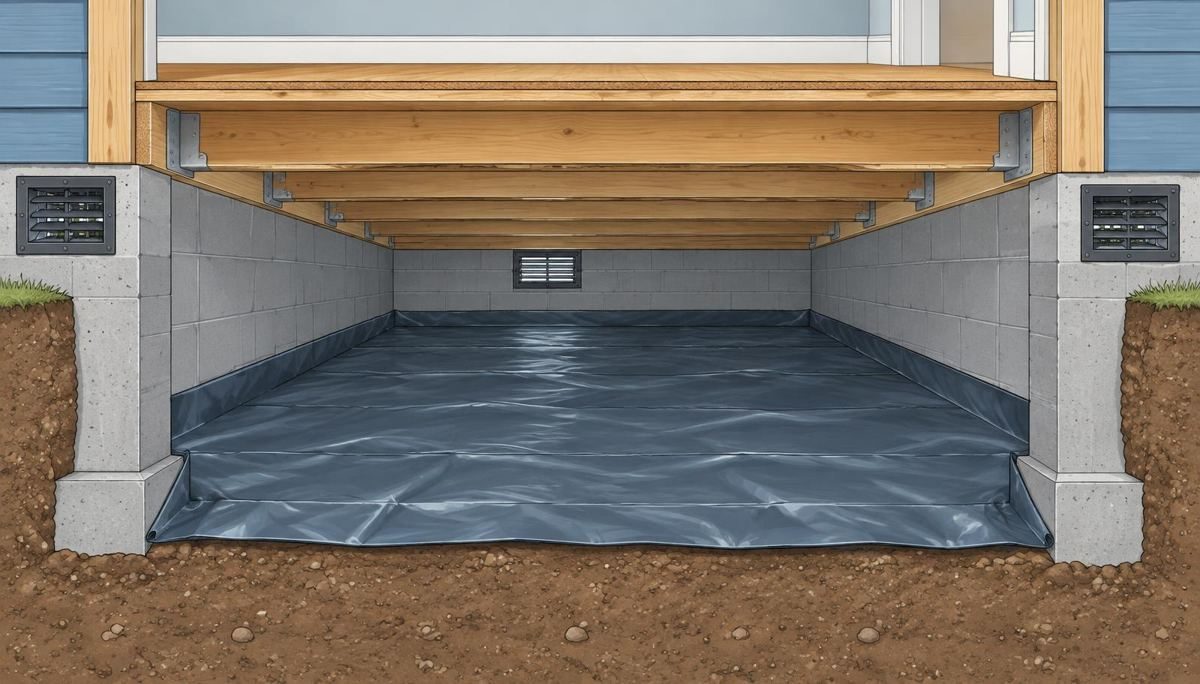
| Condensation / high humidity | Damp soil without a vapor barrier, ventilation conditions | Vapor barrier and ventilation review |
| Active leak | Supply or drain plumbing, HVAC condensate lines | Plumbing repair |
The fix depends on the source, which is why a diagnosis comes before a bid.
What you can notice and what photos cannot tell you
From inside the home you might notice musty odors, high indoor humidity, or flooring changes. Listing photos and short videos cannot confirm moisture levels, wood condition, or the cause of water. An inspector can document visible conditions and take moisture readings where accessible, and will recommend specialists when a condition is beyond a general inspection.
Which professional checks what
- Home inspector: overall visible conditions, access, vapor barrier, insulation, obvious leaks and recommendations.
- Drainage contractor: grading, gutters, downspouts, perimeter drains and sump systems.
- Plumber: leaks in supply and drain lines.
- Pest or wood-damage inspector: wood-destroying organisms and related damage.
- Structural engineer: when framing, posts or foundation movement are in question. See our guide to buying a house with foundation issues.
What a usable repair bid should include
- The identified cause and the scope that addresses it
- Materials and specifications (for example, vapor barrier type and coverage)
- Whether permits are needed and who obtains them
- Exclusions, such as mold remediation or structural repair
- Warranty terms and whether they transfer to a new owner
- What records will be provided at completion (see below)
Completion and re-check records. Ask the contractor, and the inspector who re-checks the work, to put these in writing:
- Date of each observation and recent rainfall conditions
- Whether standing water or an active leak was present before and after the work
- Any moisture readings, with the instrument used and where each reading was taken
- Work completed compared with the bid scope
- Before-and-after photos from the same locations
- When the re-check will happen and who will do it
We do not set numeric pass/fail thresholds here. Ask the professional which acceptance criteria they use and get them in writing (EPA: moisture control comes first).
We do not quote typical prices here; costs depend on access, cause and scope. Get at least two written bids for comparable scopes.
Using the inspection period and reviewing disclosures
Your inspection contingency sets the window to investigate and respond. Schedule specialists early. Compare findings with the seller's disclosure statement, which in Washington includes questions about water and structural issues. As of this review (October 2026), the version of RCW 64.06.020 in effect until January 1, 2027 applies; a revised version takes effect on January 1, 2027, so check which applies on your contract date. The disclosure is the seller's statement of what they know. It is not an inspection or a warranty. Possible responses include a repair request, a price or credit request, or, if your contingency allows, ending the purchase. Act within the deadlines of your signed inspection contingency; your broker can explain the options under your specific contract.
Buyer checklist and records to keep
- Inspection report with crawl space photos
- Specialist reports and written bids
- Seller disclosure answers on water and structure
- Any past repair invoices and warranties from the seller
- After closing: a maintenance log for gutters, downspouts, sump and barrier checks
Frequently asked questions
Is some moisture in a crawl space normal?
Some humidity is common, but standing water, active leaks or damaged wood need a professional evaluation.
Does a vapor barrier fix everything?
No. It addresses ground moisture; it does not fix drainage or plumbing leaks.
Should I go into the crawl space to look?
No. Let a qualified inspector or contractor do it.
Sources
- U.S. EPA: A brief guide to mold, moisture and your home
- RCW 64.06.020: Seller disclosure statement (versions effective until and from January 1, 2027)
This article is general information, not legal, tax or lending advice. Rules and program terms change; confirm details with the relevant professional and the current official source.