
Final walkthrough
Final walkthrough checklist for Washington buyers — resale homes and new construction.
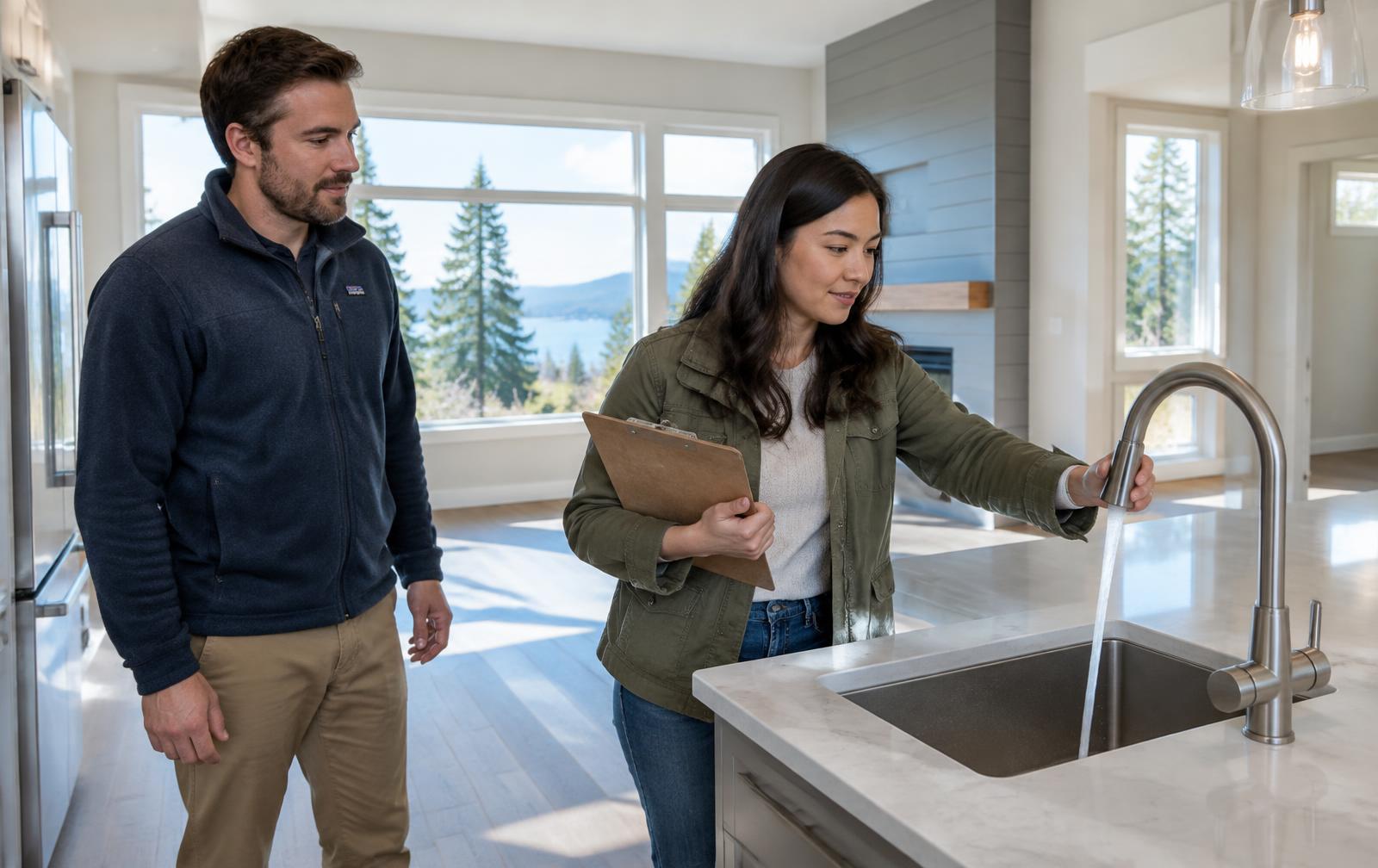
The final walkthrough is your last look before the money moves. It is not a second inspection — it confirms that the home is in the condition you agreed to, that agreed repairs are done and that nothing has broken since. New construction adds a builder orientation and a punch list. This hub gives you a room-by-room checklist and a plan for problems found days before closing.
Quick answer
Schedule the walkthrough within the last day or two before closing, after the seller has moved out if possible. Check that agreed repairs are done (with receipts), included appliances and fixtures are present and working, systems run (heat, water heater, plumbing, electrical, garage door), and there is no new damage from the move. Under the NWMLS purchase agreement the seller generally must maintain the property in its present condition until closing, normal wear excepted. If something is wrong, tell your agent the same day: options include a repair before closing, a credit or holdback agreed with escrow and the lender, or a short extension. For new construction, use a blue-tape punch list and keep the builder's written warranty.
24–48 h
typical timing of a final walkthrough before closing
1 · 2 · 10
common builder warranty structure: workmanship, systems, structural (varies by builder)
Form 21
NWMLS purchase agreement — seller maintains condition until closing
Questions this hub answers
- final walkthrough checklist
- final walk through
- new construction final walkthrough
- builder warranty
- what to do if final walkthrough reveals problems
- blue tape walkthrough
- 西雅图新房最终验房清单
Running the walkthrough
- 01
Book it at the right time
Ideally after the seller has moved out and within a day or two of closing. An empty house shows wall, floor and move-out damage.
- 02
Bring the paperwork
Purchase agreement, inspection response or repair addendum, and the list of included items. Ask for repair receipts in advance.
- 03
Test every system
Run faucets and showers, flush toilets, run the dishwasher, test heat and AC, check the water heater, flip breakers and outlets, open the garage door.
- 04
Check what stays
Appliances, window coverings, light fixtures and anything named in the agreement. Missing items are easier to resolve before closing than after.
- 05
Document problems
Photos and a short written list to your agent the same day. Your agent coordinates with the listing agent, escrow and the lender.
- 06
Resolve before signing
Agree a repair, a credit or an escrow holdback in writing, or extend closing briefly. Avoid verbal promises to fix things later.
Resale home vs new construction walkthrough
| Resale home | New construction | |
|---|---|---|
| Purpose | Confirm condition and agreed repairs | Builder orientation plus punch list |
| Who attends | Buyer and buyer's agent | Buyer, agent and builder's representative |
| Typical findings | Move-out damage, missing items, unfinished repairs | Paint, trim, drywall, adjustments, missing finishes |
| Fix mechanism | Repair, credit or holdback before closing | Builder punch list and written warranty |
| Independent inspection | Done earlier in the contingency | Strongly recommended before drywall and before closing |
Checklist
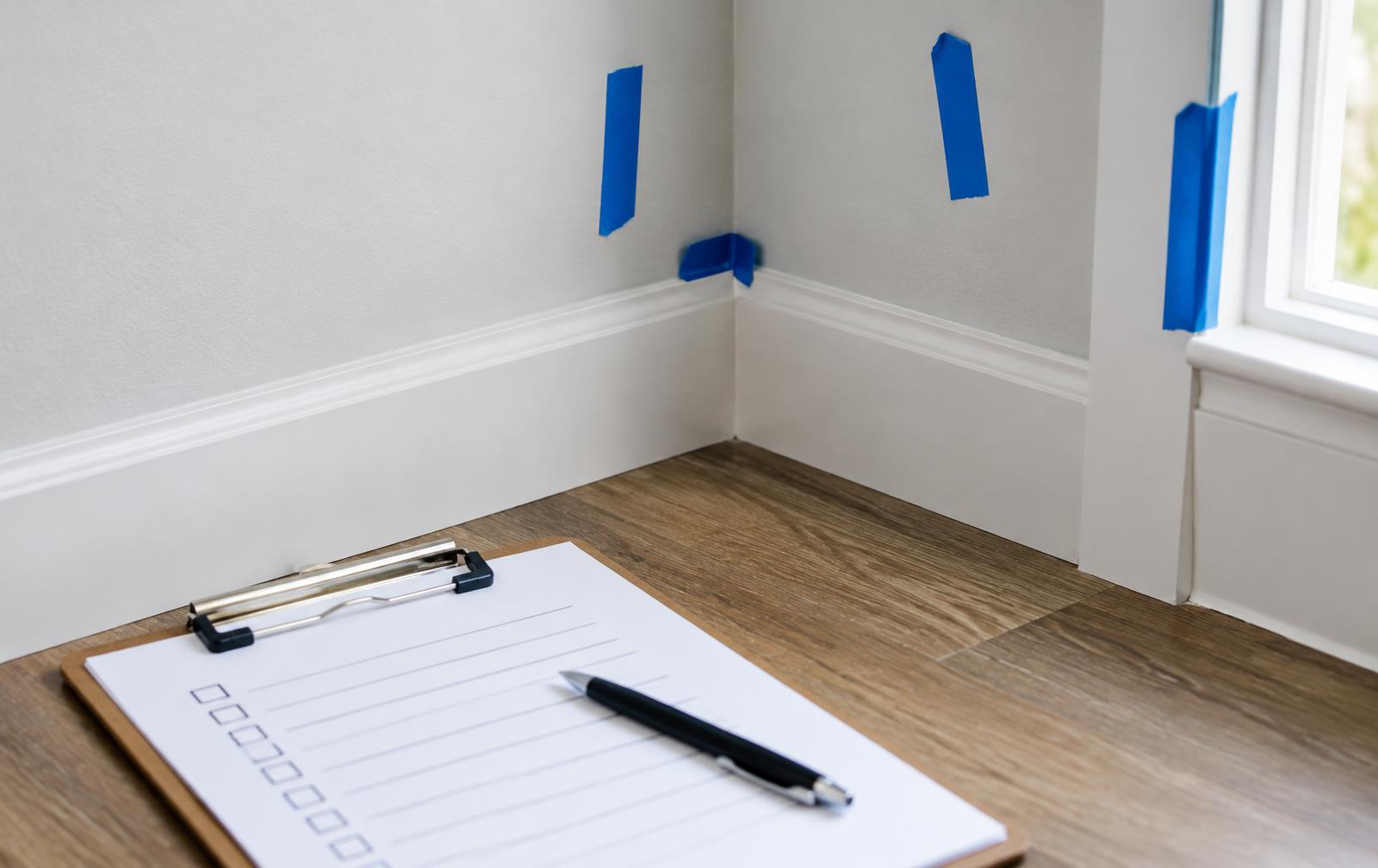
Room-by-room final walkthrough checklist
- Agreed repairs completed — receipts or invoices in hand.
- All faucets, showers, toilets and drains work; no leaks under sinks.
- Heat, AC, water heater and ventilation fans run.
- Outlets, switches, light fixtures and breaker panel work.
- Appliances that convey are present and operate.
- Windows, doors, locks, garage door and remotes work; all keys provided.
- No new wall, floor or ceiling damage from moving.
- House is empty of the seller's belongings and debris.
- New construction: blue-tape punch list signed and warranty documents received.
Final walkthrough FAQ
What should I check on a final walk through?
Agreed repairs, included appliances and fixtures, every major system, and new damage from the move. It confirms condition; it is not a new inspection.
What if the final walkthrough reveals problems?
Tell your agent the same day. Common fixes are a repair before closing, a credit or escrow holdback agreed with the lender, or a short closing extension, all in writing.
Can I back out after the final walkthrough?
Usually only if the seller has breached the agreement, for example failing to maintain condition or complete agreed repairs. Talk to your agent and, if needed, an attorney before refusing to close.
How does a builder warranty work?
Each builder writes its own warranty. Many follow a 1-year workmanship, 2-year systems and 10-year structural pattern, but read the document: coverage, exclusions and claim deadlines vary.
Related guides
Other topic guides
Family transfers
Gift of equity and selling a home to a family member in Washington.

Title & closing
Selling a house with a lien in Bellevue and Greater Seattle.
Land value
Selling an older Eastside home to a builder: land value vs. retail sale.

Visa & foreign buyers
Buying a home in Bellevue as a foreign national or visa holder.

Tech relocation
Moving to Bellevue for a tech job: rent first or buy now?

Schools & addresses
Buying by school assignment in the Bellevue School District.

Waterfront & unique homes
How to price a waterfront or one-of-a-kind home.

Listing problems
How to cancel a listing agreement and change agents.

Building & financing
Construction loans for self-employed and small business owners.

Land & lot value
Should you split a double lot before selling it?

Water & site risk
Flood zone, creek and drainage checks before you buy.

Landlords & investors
Selling a rental property to your current tenant.

Choosing an agent
How to choose a real estate agent in Seattle and on the Eastside.

Interview & review
Questions to ask before hiring — and how to tell if your agent is doing a good job.
Fees & commission
Who pays realtor fees in Washington — and what an agent actually keeps.

First-time buyers
Buying your first home in Washington State — including without a US credit history.

Home value
How to get an accurate home value estimate in Bellevue, Redmond and West Bellevue.
Investment property
Buying an investment property on the Eastside: returns, rules and the numbers to run.

Listing presentation
Staging and listing photos: virtual staging, AI edits and what buyers trust.
Stalled listings
Your house is not selling: what to change, and whether to pause the listing.
Seller options
Instant cash offer vs listing your home: how to compare them properly.
Due diligence
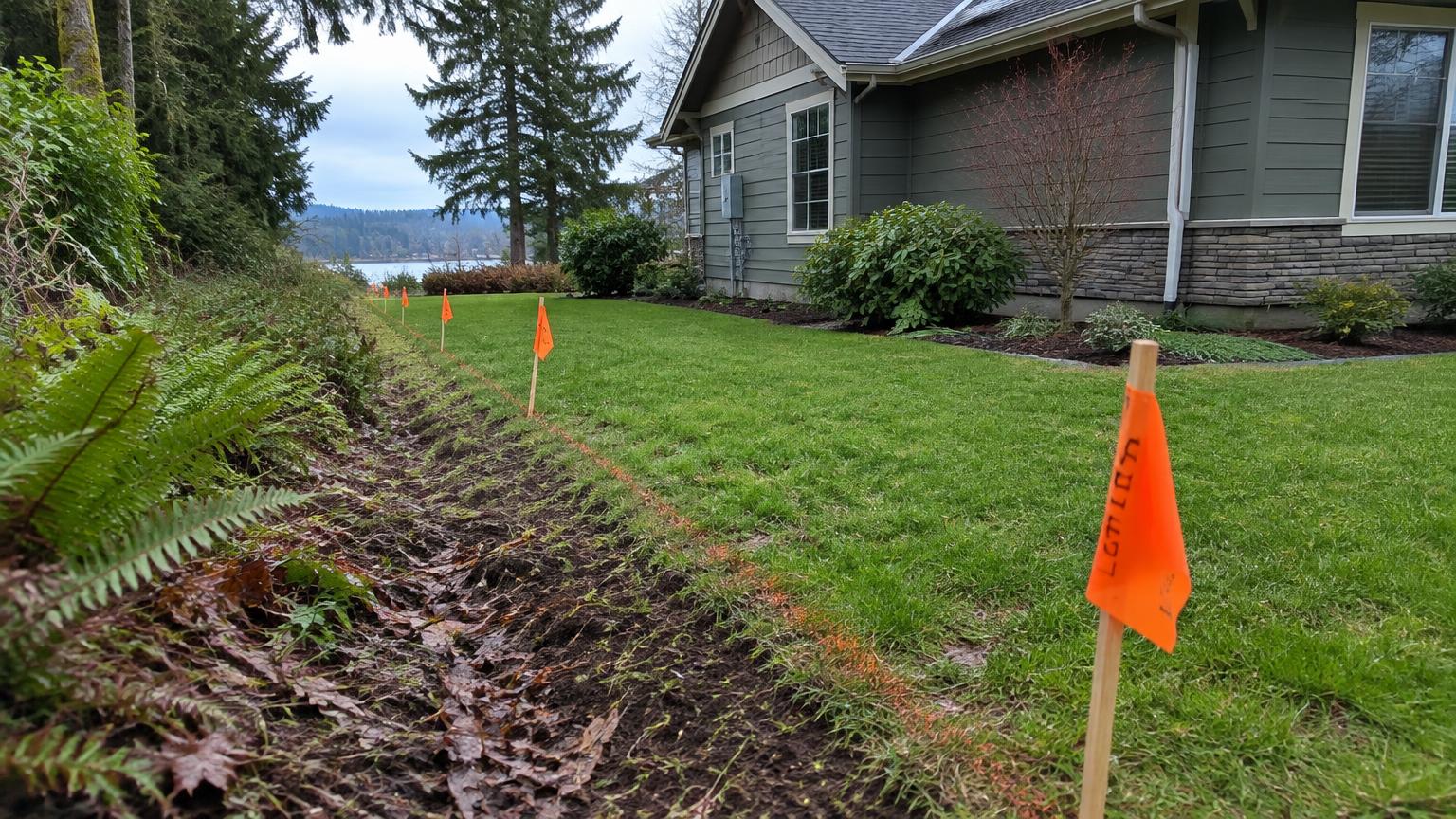
Easements, shared driveways and recorded restrictions: check before you buy.
Buyer strategy
Competing with all-cash offers as a financed buyer on the Eastside.

List price strategy
Pricing below market, offer review dates and how many showings to expect.

Offers and negotiation
What counts as a low-ball offer — and how to counter without losing the deal.
Inspection negotiation
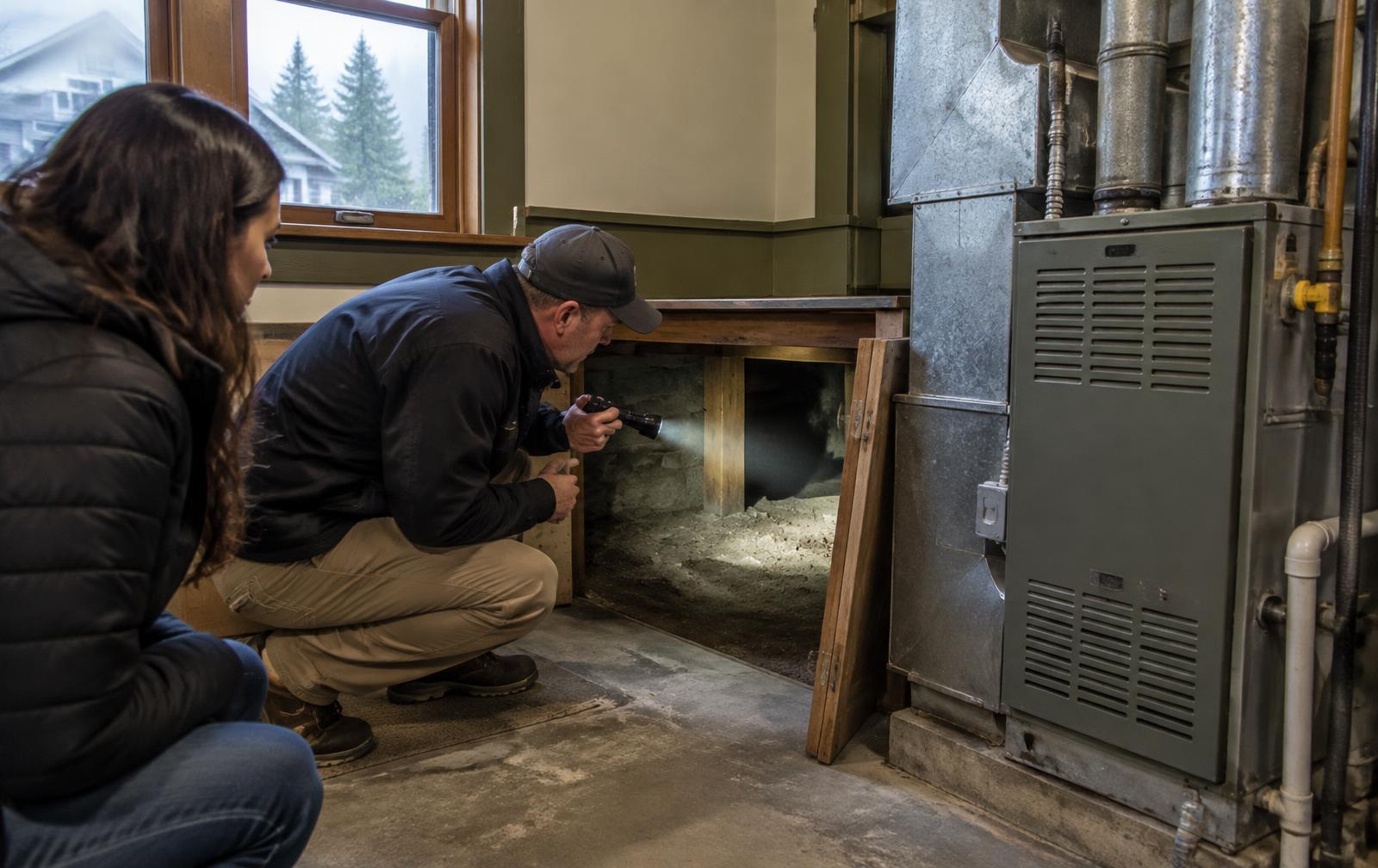
Home inspection negotiation in Washington: repair requests, credits and difficult sellers.
Solar homes
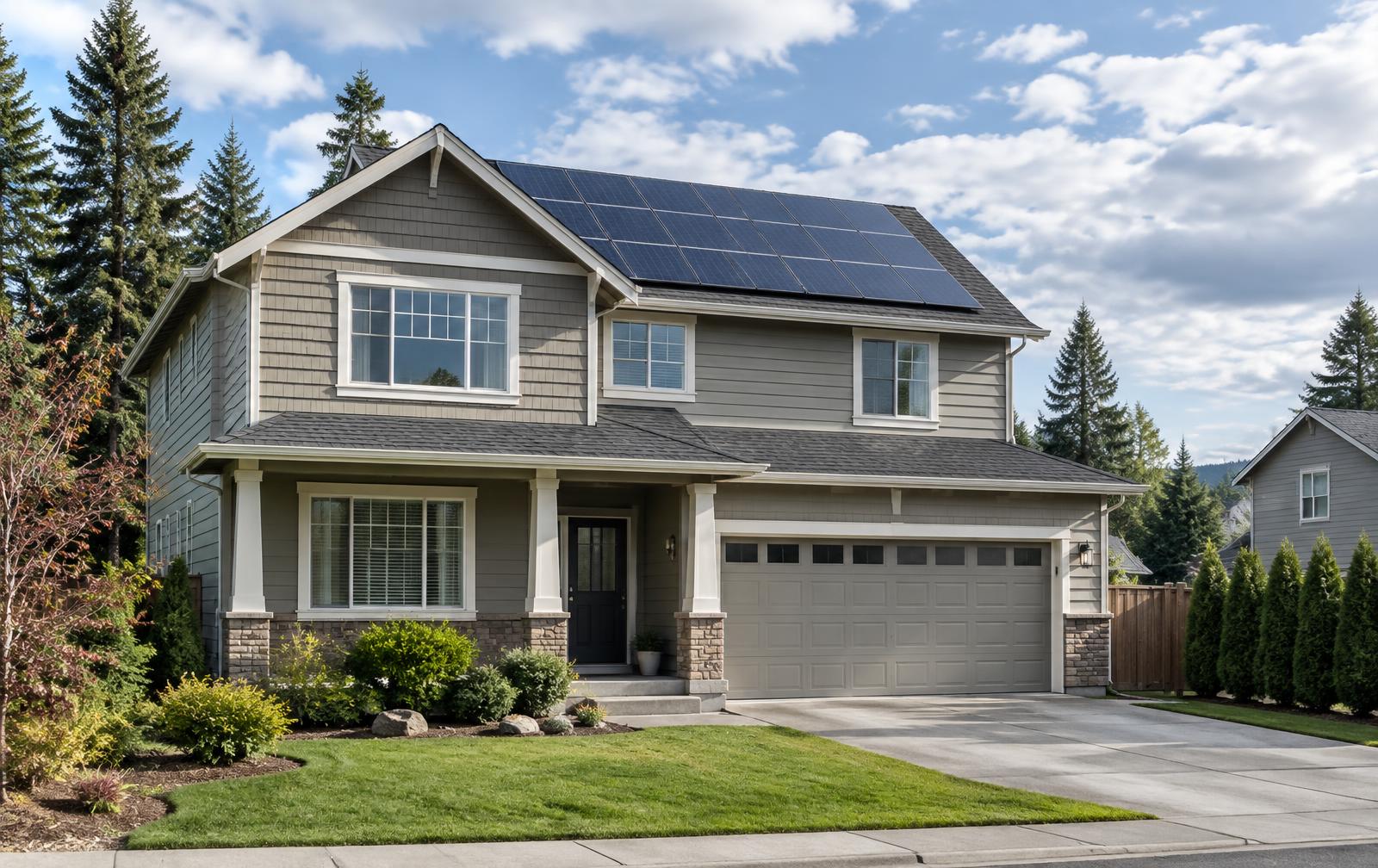
Buying a house with solar panels: owned vs leased, transfers and price drops.

Selling while living there
Selling a house while living in it: showings, kids, pets and the stress of selling.

Buying and selling at the same time
Home sale contingencies in Washington: buying a house contingent on selling yours.
Contract cancellation
Can you back out of buying a house before closing in Washington?
Seller disclosure
Washington's Form 17 seller disclosure: what buyers and sellers need to know.
Structural risk
Buying a house with foundation issues in the Seattle area: risks, inspections and negotiation.

Mortgage options
Alternatives to a 30-year fixed mortgage for Washington buyers.
Property type decision
Condo vs single-family home: which holds up better as a long-term investment on the Eastside?

Rankings & best-of lists
Best places to live in the Seattle area, ranked — and how to read every ranking.
Selling an inherited home
Selling a parent's house in probate in Washington: authority, taxes and timing.

Concessions & credits
Seller concessions and seller credits: limits, price reduction vs credit, and repair trade-offs.
Permits & unpermitted additions
Buying a house with unpermitted work in Seattle and the Eastside: how to check permits and price the risk.
Lot & location trade-offs
Corner lot pros and cons, and living near a school: what Seattle-area buyers should weigh.
Related articles
Closing soon?
We walk the home with you, check every agreed repair and settle any issue with the listing agent and escrow before you sign.
Plan your closing with us