Many older wood-frame homes in the Seattle area were built before modern connections between the house and its foundation were common. A seismic retrofit adds those connections and bracing. Owners and buyers often ask what it costs, but the honest answer is that cost follows scope, and scope depends on the specific house.
This guide does not publish average prices, because we do not have a verifiable set of same-scope quotes. It shows how to compare the scope of each bid so the prices you receive mean something.
Seismic retrofit vs foundation repair
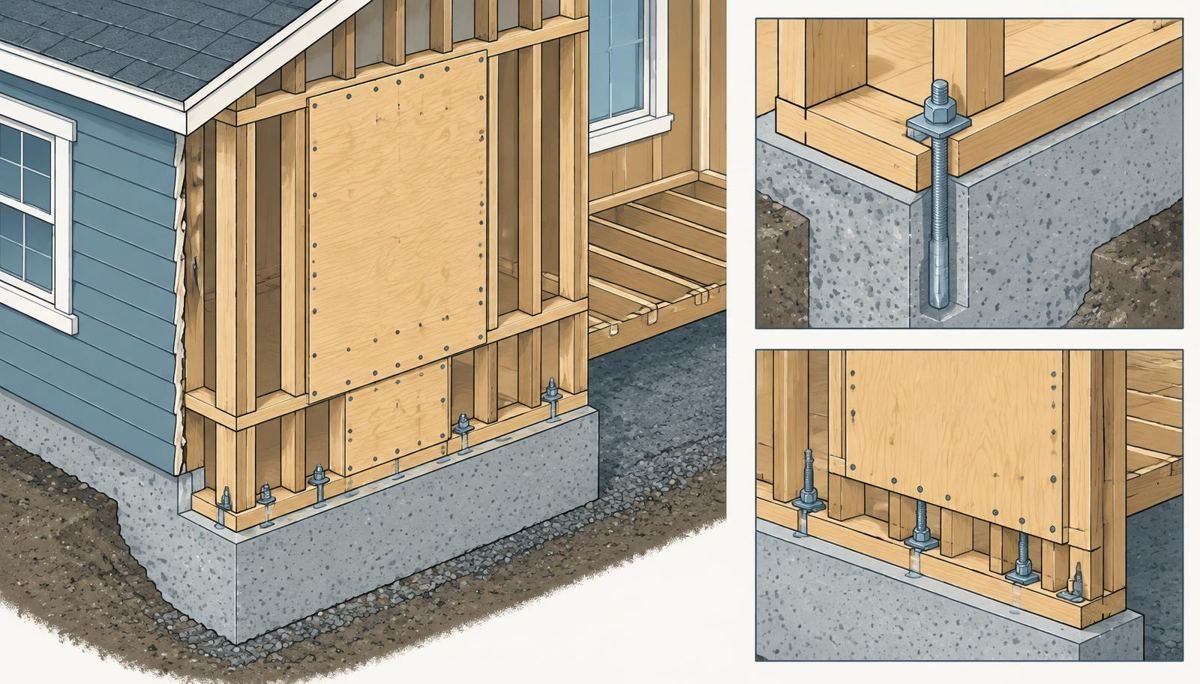
A seismic retrofit typically focuses on bolting the wood sill to the foundation and bracing short "cripple" walls between the foundation and the first floor, so the house is less likely to slide or tip off the foundation in an earthquake. Foundation repair addresses cracked, settling or deteriorated foundations. A house can need one, both or neither, and a retrofit generally assumes the foundation is in adequate condition to anchor to.
House conditions that change scope
- Foundation type and condition
- Presence and height of cripple walls
- Crawl space access and clearance
- Existing anchors, hold-downs or prior retrofit work
- Hillside site, additions, or unusual framing
- Unreinforced masonry chimneys, which may be addressed separately
Order: evaluation, permit, construction
- Evaluation: a contractor experienced in retrofits, and for complex houses a structural engineer, assesses the home.
- Plan: some cities accept prescriptive retrofit plans for qualifying houses; others need engineered plans.
- Permit: in Seattle, the Seattle Department of Construction and Inspections (SDCI) offers a pre-designed prescriptive planset for qualifying houses. It sizes bracing and anchoring by how the house is built and the number of floors above the foundation, so qualifying owners can get a permit without hiring a designer; houses that do not qualify need engineered plans (SDCI: Protect your home from earthquake damage). Outside Seattle, such as in Bellevue, Kirkland or Redmond, confirm requirements with that city's building department.
- Construction and inspection: keep inspection sign-offs.
Line-item bid comparison table
| Line item | Bid A | Bid B | Notes |
|---|---|---|---|
| Evaluation / engineering | Included or separate? | ||
| Permit and plan fees | Who applies? | ||
| Sill anchoring (count, spacing) | Same specification? | ||
| Cripple wall bracing (length) | Panel type and nailing | ||
| Access work, debris removal | |||
| Exclusions | Chimney, foundation repair, finishes | ||
| Warranty | Transferable? |
Fill this in from written bids. Two totals are only comparable if the scope lines match.
Retrofit and earthquake insurance are not substitutes
A retrofit aims to reduce the chance of certain types of damage; it does not pay for repairs. Earthquake insurance is a separate policy with its own deductible and terms. Whether an insurer offers any credit for retrofit work varies; ask your insurer directly rather than assuming a discount.
Buyer due diligence and completion records
- Ask the seller whether retrofit work was done, when, and by whom
- Request the permit number and the final inspection sign-off
- Request the approved plans or planset pages used, invoices and warranty documents
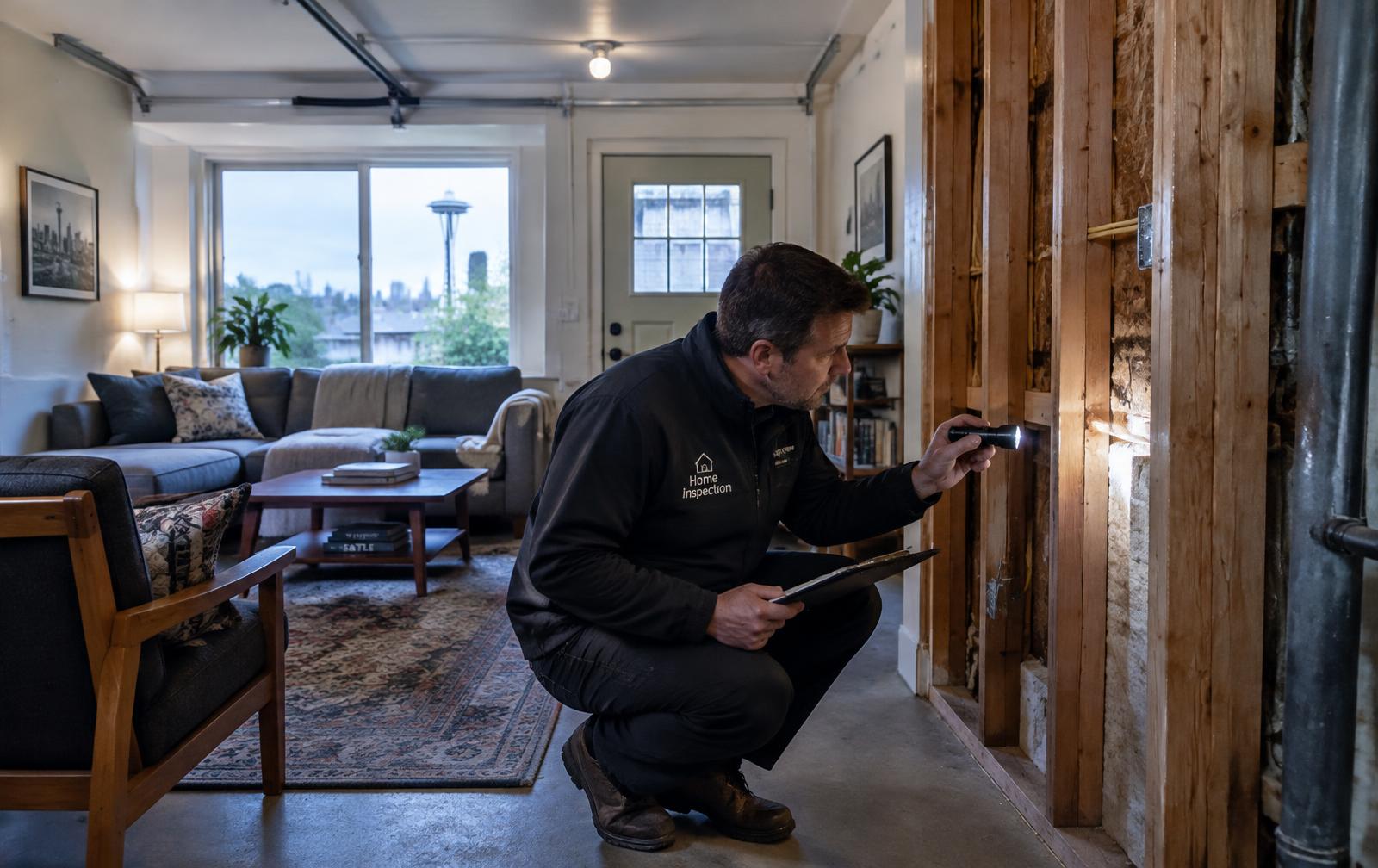
- Have your inspector note visible anchors and bracing
- For older homes without records, consider a retrofit evaluation during your inspection period
For broader foundation questions, see our guide to buying a house with foundation issues.
Frequently asked questions
How much does a seismic retrofit cost?
It depends on scope, access and whether engineering is required. We do not publish an average because we do not have verifiable same-scope quotes. Compare at least two written, line-item bids using the table above.
Do I need a permit?
Often, yes. In Seattle, SDCI's prescriptive planset is one permit path for qualifying houses. Elsewhere, confirm with your city's building department before work begins.
Does a retrofit lower my insurance?
Not necessarily. Ask your insurer what, if anything, they offer.
Sources
This article is general information, not legal, tax or lending advice. Rules and program terms change; confirm details with the relevant professional and the current official source.