
Last reviewed October 26, 2026.
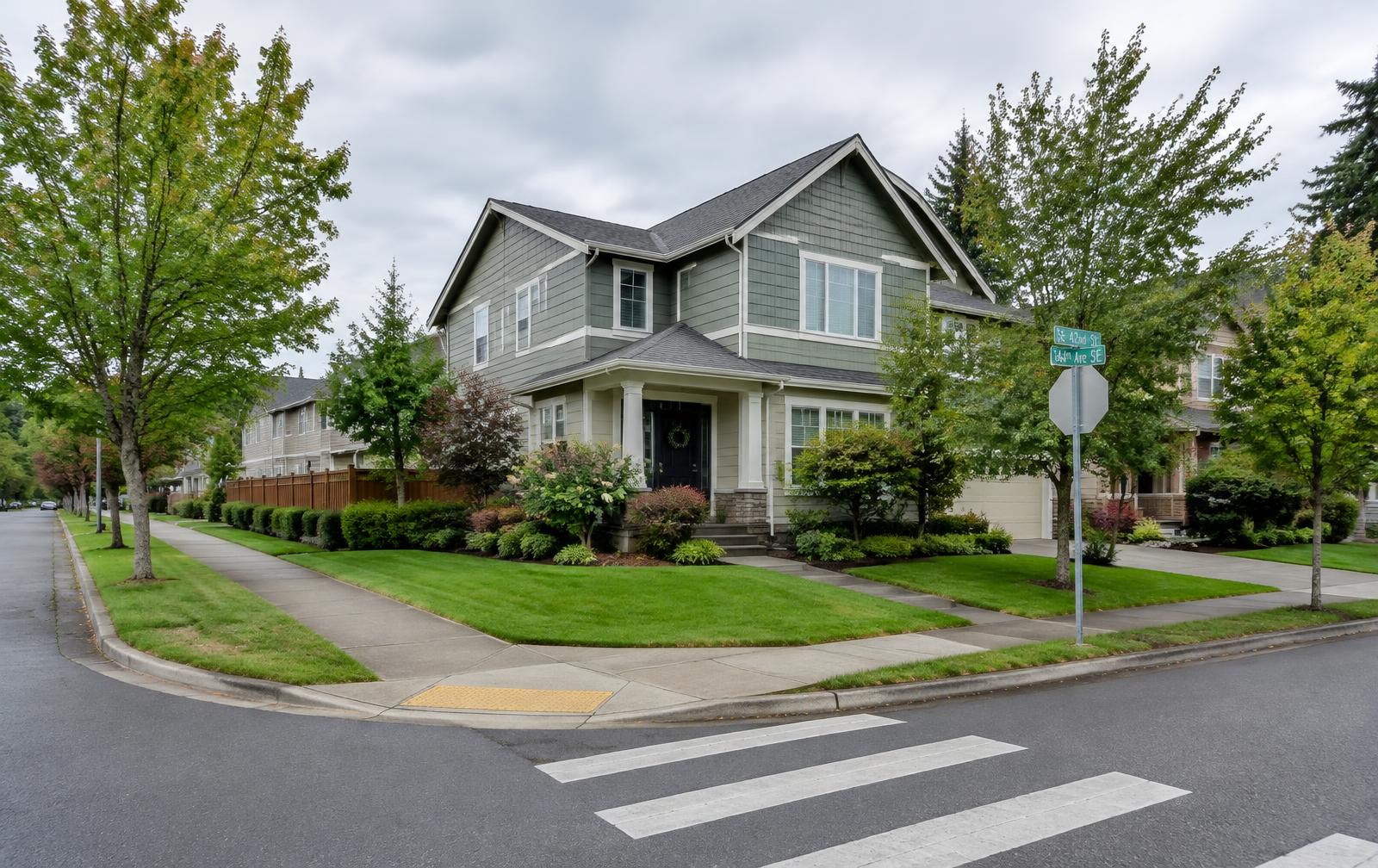
An addition with mismatched siding and roofline is a cue to check permit history. AI-generated illustration; not a specific property.
Short answer: You can buy a house with unpermitted additions, but you take on risks: the city may require permits, corrections or removal, the lender or insurer may limit coverage, and future buyers may discount the space. Research permit history before your contingencies expire and price the cost of fixing the work into your offer.
Garage conversions, basement bedrooms and rear additions built without permits are common in older Puget Sound homes. They are not automatically deal-breakers, but they change the risk of the purchase. This guide explains how to find out what was permitted, what the risks are, and how to negotiate. It is general information; the local permitting office and qualified professionals should confirm the details for a specific property.
Signs of unpermitted work
- Square footage in the listing that differs from county records
- A bedroom without a code-compliant egress window
- Siding, roofline or foundation that changes at an addition
- Converted garages, finished attics or basements with low ceilings
- Extension cords, unusual wiring or a subpanel without labels
- A kitchen or bathroom added in a space the records describe differently
None of these proves a lack of permits, but each is a reason to check the record.
How to research permit history
| Jurisdiction | Where to look |
|---|---|
| Seattle | Seattle Department of Construction and Inspections: permits |
| Bellevue and many Eastside cities | City of Bellevue permits and MyBuildingPermit.com |
| Unincorporated King County | King County Department of Local Services: permits |
| Property characteristics | King County iMap / Parcel Viewer and assessor records |
Compare the permits found, and whether they received final inspection, against what you see in the house. A permit that was issued but never finaled is a common gap.

What the seller must disclose
Most Washington residential sellers must complete the seller disclosure statement under RCW 64.06.020, which asks whether there have been conversions, additions or remodeling and whether required permits and final inspections were obtained. A buyer who receives the statement after mutual acceptance generally has three business days to rescind under RCW 64.06.030. The statement reflects the seller's actual knowledge; it is not a warranty and does not replace your own research and inspection. Some transfers, such as certain estate sales, may be exempt.
The risks you take on
| Risk | What it can mean |
|---|---|
| Enforcement | The jurisdiction may require a permit, corrections or removal if the work comes to its attention |
| Retroactive permitting | Walls or ceilings may need to be opened for inspection, and the work may need to meet current code |
| Safety | Electrical, structural, egress or fire separation problems may exist |
| Financing and appraisal | The appraiser may give less or no value to unpermitted living area, which can affect the loan |
| Insurance | Ask your insurer how it handles damage connected to unpermitted work before you buy |
| Resale | Future buyers will face the same questions and may discount the space |
We do not publish typical retroactive permit costs because they depend entirely on the scope of the work and what inspection uncovers. Ask a contractor or designer familiar with the local jurisdiction for an estimate based on the specific property.
Due diligence before your contingency expires
- Pull permit history and compare it to the listing and the house
- Ask the seller in writing for permits, plans and contractor records
- Hire a licensed inspector and, where needed, an electrician or structural engineer
- Talk with your lender about how the appraiser will treat the space
- Ask your insurer about coverage
- If you plan to legalize the work, have a contractor or designer estimate the scope with the permitting office's requirements in mind
Common types of unpermitted work
| Type | What to check |
|---|---|
| Garage conversion | Insulation, heating, egress, electrical, ceiling height and whether parking requirements are affected |
| Basement bedroom or unit | Egress windows, ceiling height, smoke and carbon monoxide alarms, moisture, separate entrance and kitchen rules |
| Rear or second-story addition | Foundation, framing, roof connection, setbacks and lot coverage |
| Deck | Ledger attachment, footings, guardrails and stairs |
| Electrical or plumbing changes | Panel capacity, wiring methods, venting and water heater installation |
Work involving structure, electrical systems, gas or egress deserves the most attention because it can affect safety, not just paperwork.
Unpermitted ADUs and rental plans
Some buyers are drawn to homes with an existing basement apartment or backyard cottage that was never permitted, planning to rent it. Before relying on rental income, confirm whether the unit can be legalized under current rules, what changes would be required, and what the permitting timeline looks like. Renting an unpermitted unit can raise safety, insurance and legal questions. Lenders may not count income from an unpermitted unit when qualifying you. Treat the rental income as unconfirmed until the unit is legal.
How to negotiate
The goal is to price the risk you are accepting. Common approaches include a price reduction that reflects the estimated cost of legalizing or removing the work, a seller credit applied to eligible closing costs, a requirement that the seller obtain permits and final inspection before closing, or walking away if the risk is too large. Base any request on written estimates rather than round numbers, and remember that a credit is subject to your loan program's limits. Our team typically recommends treating unpermitted space as unconfirmed square footage when comparing the home with recent sales, then adding value back only for what you can verify.
Frequently asked questions
Is it illegal to buy a house with unpermitted work?
Buying such a house is generally not illegal, but the new owner may be responsible for correcting the work if the jurisdiction requires it.
Can I get a mortgage on a house with unpermitted additions?
Often, but the appraiser may give the space less value and the lender may add conditions. Discuss it with your lender before your contingencies expire.
Will the city find out after I buy?
Unpermitted work often comes to light when an owner applies for a new permit, during a complaint, or at resale. Plan as if it will be reviewed eventually.
Should the seller fix it before closing?
That can reduce your risk, but it takes time and permitting. Negotiate a realistic deadline and require final inspection documents.
Sources
- RCW 64.06.020: Seller disclosure statement
- RCW 64.06.030: Delivery of disclosure statement and buyer's options
- Seattle SDCI: Permits
- City of Bellevue: Permits
- MyBuildingPermit.com
- King County Department of Local Services: Permits
This article is general information, not legal, tax or lending advice. Rules and program terms change; confirm details with the relevant professional and the current official source. Last fact-checked October 26, 2026.
About the author
Maggie Sun, Managing Broker, leads Maggie Real Estate Group, a Bellevue-based bilingual (English and Mandarin) team serving buyers, sellers and investors across Seattle and the Eastside.
Related guides
- Buying a house with unpermitted work (guide hub)
- Seller disclosure Form 17 in Washington
- Home inspection negotiation in Washington