
Real estate vs other assets
Real estate vs stocks: liquidity, leverage and taxes for Washington owners.
"Should I buy a rental or just invest in the market?" is one of the most common questions we hear from Eastside households with stock compensation. The honest answer depends less on which asset "wins" on average and more on how soon you may need the money, how much work you want, and how each is taxed in Washington. This hub lays out the trade-offs side by side.

Quick answer
Real estate is an illiquid asset: turning a home into cash usually takes weeks to months and costs several percent of the price in commission, excise tax and closing costs, while listed stocks normally settle one business day after a sale (T+1). In exchange, real estate offers leverage through a mortgage, rental income and some tax tools — the federal home-sale exclusion for a main home and like-kind exchanges for investment property — and Washington's state capital gains tax exempts real estate. Stocks are easier to diversify and sell in small pieces. Hold real estate only with money you will not need on short notice, and keep a separate cash reserve.
T+1
Standard settlement for most US stock trades after a sale
1.1–3%
Washington REET graduated rates on the selling price (2026 thresholds)
$250k / $500k
Federal main-home gain exclusion, single / married filing jointly, if tests are met
Questions this hub answers
- real estate vs stocks
- real estate vs stock market
- is real estate a liquid asset
- real estate liquidity
- rental property vs stocks
- financial assets vs real estate liquidity
How to decide between a property and the market
- 01
Set your time horizon
If you may need the money within a few years, transaction costs and sale time weigh heavily against property. Longer horizons let rent and appreciation absorb them.
- 02
Count all-in costs
For property: down payment, closing costs, property tax, insurance, HOA, maintenance, vacancy and eventual selling costs. For stocks: fund fees and taxes on gains.
- 03
Model leverage both ways
A mortgage magnifies gains and losses. Run a scenario where values drop and the unit sits empty for two months, and check you can still pay.
- 04
Check the tax picture
Washington taxes certain long-term capital gains on stocks but exempts real estate; real estate sales pay REET instead. Federal rules differ for a main home versus a rental. Confirm with a tax adviser.
- 05
Decide how hands-on you will be
Owning a rental means tenants, repairs and landlord-tenant law, or paying a manager. Index funds need almost no time.
- 06
Keep a liquid reserve
Whatever you choose, keep several months of expenses in cash so you are never forced to sell property quickly.
Rental property vs stocks at a glance
| Factor | Seattle-area rental or home | Listed stocks / index funds |
|---|---|---|
| Liquidity | Weeks to months to sell | Sell in minutes, settle T+1 |
| Transaction cost | Commission, REET, closing costs | Low trading and fund fees |
| Leverage | Mortgage common | Margin possible, rarely advised |
| Income | Rent minus expenses | Dividends |
| Washington state tax on sale | REET on the selling price; exempt from state capital gains tax | State capital gains tax on certain long-term gains above the deduction |
| Time required | Ongoing management | Minimal |
| Diversification | One property, one location | Hundreds of companies per fund |

Checklist
Before you choose
- Time horizon written down
- Emergency reserve set aside separately
- All-in property cost estimate, including vacancy and repairs
- Downside scenario run with a value drop and vacancy
- Tax adviser consulted on REET, state capital gains and federal rules
- Rent comparables checked for the exact property type
- Management plan (self or professional) decided
Real estate vs stocks FAQ
Is real estate a liquid asset?
No. It usually takes weeks to months to sell and costs several percent of the price. You can borrow against equity with a HELOC, but that is a loan, not a sale.
Is real estate a better investment than stocks?
Neither is better in general. Real estate offers leverage, rent and some tax tools but is illiquid and concentrated; stocks are liquid and diversified but swing in price daily. The right mix depends on your horizon and how hands-on you want to be.
Does Washington's capital gains tax apply when I sell a house?
No. Washington's capital gains tax exempts real estate; the sale pays real estate excise tax (REET) instead. Federal capital gains rules still apply.
Can I move from stocks into real estate without a big tax bill?
Selling stocks generally triggers federal and possibly Washington capital gains tax. Like-kind exchanges apply only to real property held for business or investment. Plan the timing with a tax adviser.
Sources
Last checked October 29, 2026. Official sources for the key rules on this page; they describe general rules, and your contract, lender, tax adviser and each agency's current tools control your specific case.
Related guides and articles
Related
Buying an investment property on the Eastside
Once you decide on property, how to buy it.
Related
Condo vs single-family as an investment
Which property type rents and resells better.
Related
Washington investment property ROI
Return math for a rental.
Related
Invest in Seattle real estate
Local market context for investors.
Related
Investor services
How we help investors analyse a property.
Other topic guides

Family transfers
Gift of equity and selling a home to a family member in Washington.

Title & closing
Selling a house with a lien in Bellevue and Greater Seattle.
Land value
Selling an older Eastside home to a builder: land value vs. retail sale.

Visa & foreign buyers
Buying a home in Bellevue as a foreign national or visa holder.

Tech relocation
Moving to Bellevue for a tech job: rent first or buy now?

Schools & addresses
Buying by school assignment in the Bellevue School District.

Waterfront & unique homes
How to price a waterfront or one-of-a-kind home.

Listing problems
How to cancel a listing agreement and change agents.

Building & financing
Construction loans for self-employed and small business owners.

Land & lot value
Should you split a double lot before selling it?

Water & site risk
Flood zone, creek and drainage checks before you buy.

Landlords & investors
Selling a rental property to your current tenant.

Choosing an agent
How to choose a real estate agent in Seattle and on the Eastside.

Interview & review
Questions to ask before hiring — and how to tell if your agent is doing a good job.
Fees & commission
Who pays realtor fees in Washington — and what an agent actually keeps.

First-time buyers
Buying your first home in Washington State — including without a US credit history.

Home value
How to get an accurate home value estimate in Bellevue, Redmond and West Bellevue.
Investment property
Buying an investment property on the Eastside: returns, rules and the numbers to run.

Listing presentation
Staging and listing photos: virtual staging, AI edits and what buyers trust.
Stalled listings
Your house is not selling: what to change, and whether to pause the listing.

Seller options
Instant cash offer vs listing your home: how to compare them properly.
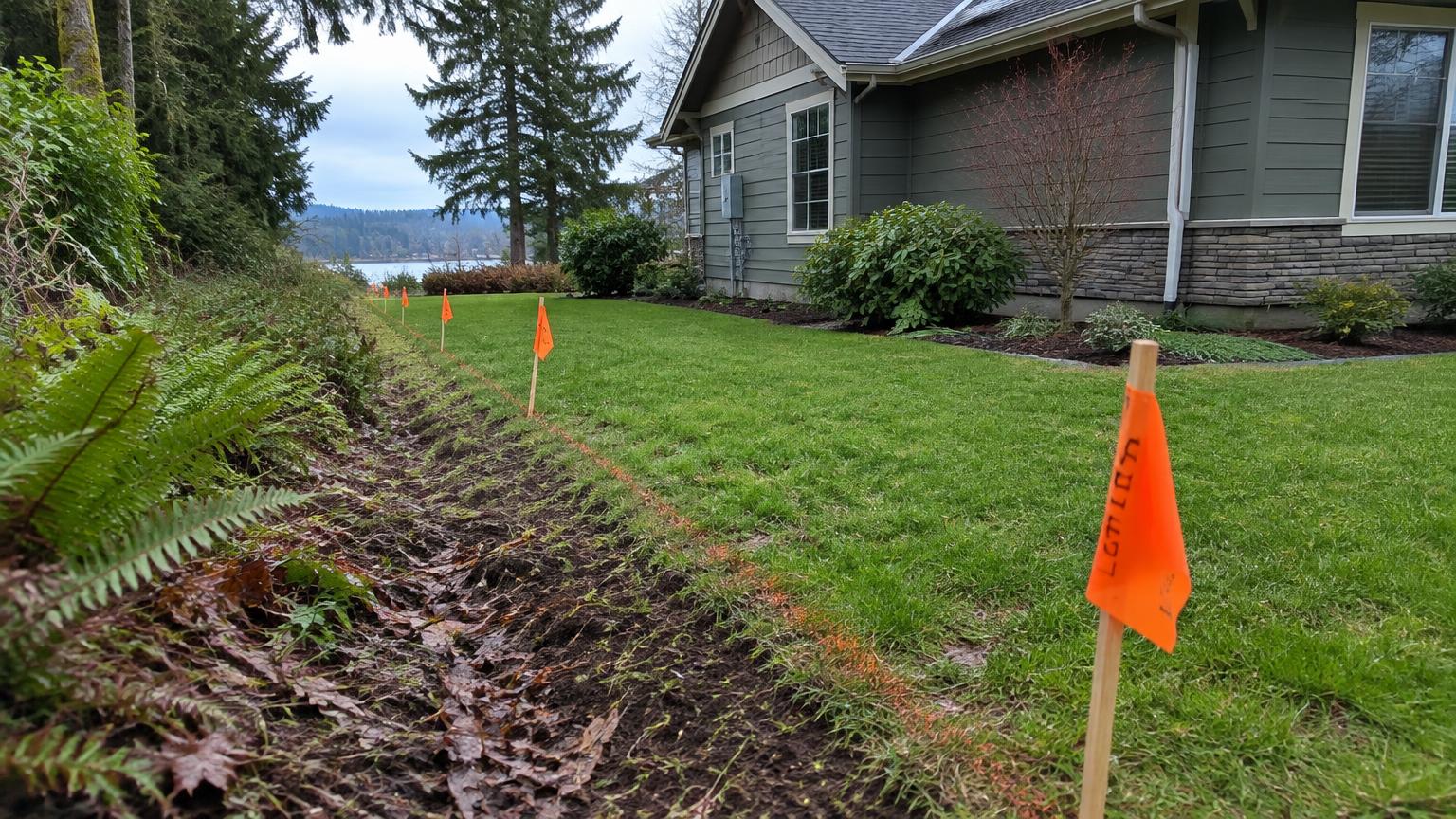
Due diligence
Easements, shared driveways and recorded restrictions: check before you buy.

Buyer strategy
Competing with all-cash offers as a financed buyer on the Eastside.

List price strategy
Pricing below market, offer review dates and how many showings to expect.

Offers and negotiation
What counts as a low-ball offer — and how to counter without losing the deal.
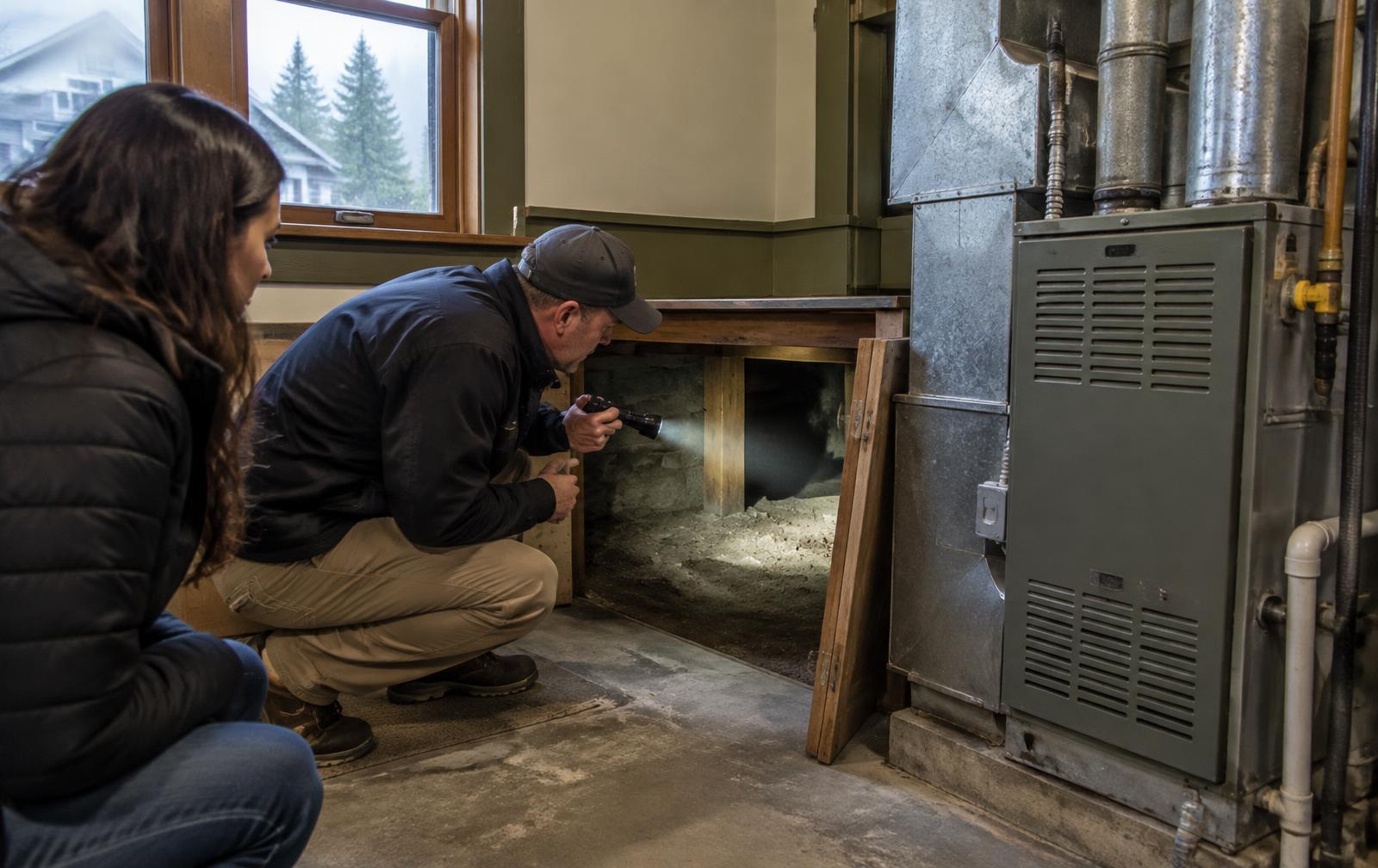
Inspection negotiation
Home inspection negotiation in Washington: repair requests, credits and difficult sellers.
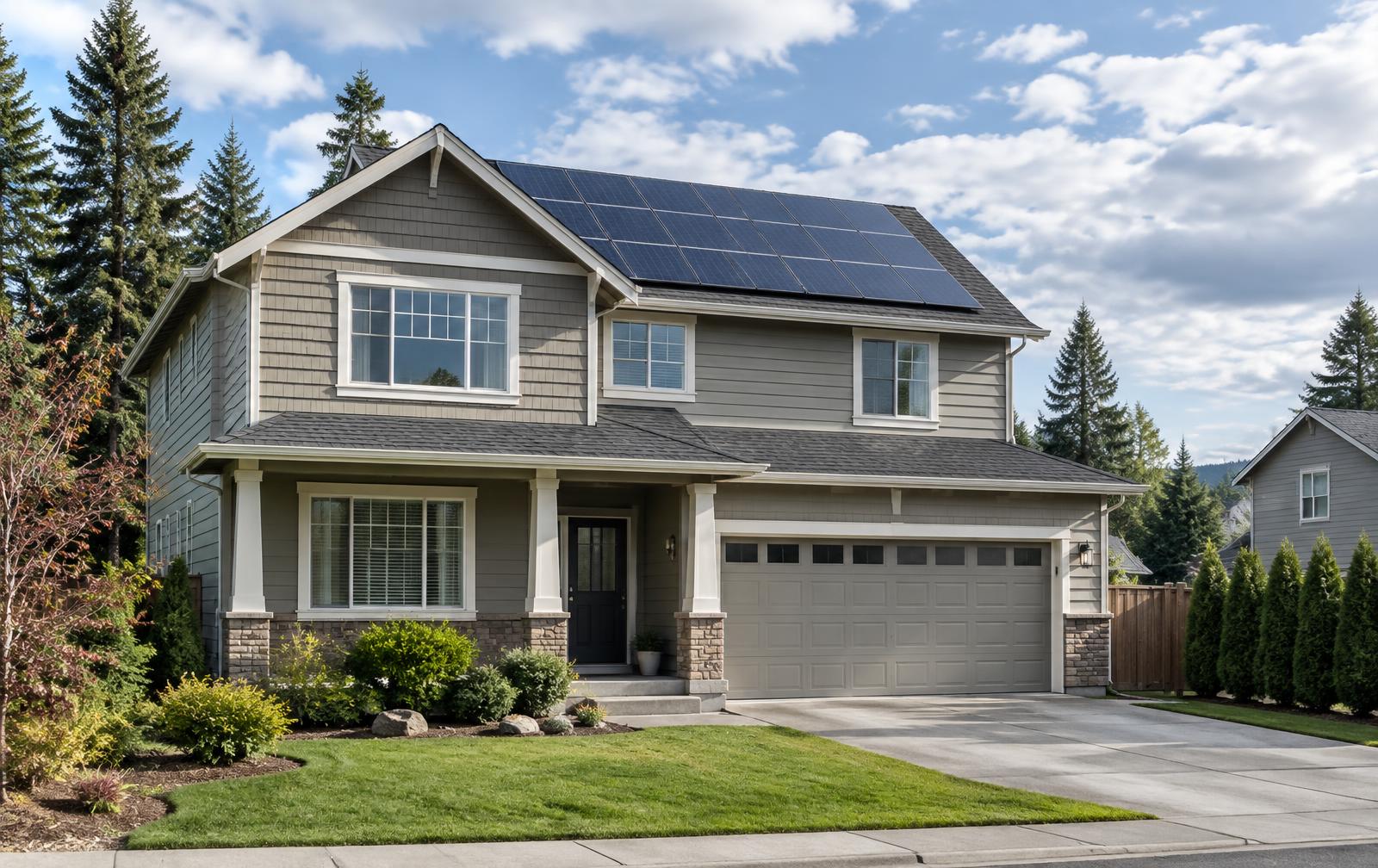
Solar homes
Buying a house with solar panels: owned vs leased, transfers and price drops.

Selling while living there
Selling a house while living in it: showings, kids, pets and the stress of selling.

Buying and selling at the same time
Home sale contingencies in Washington: buying a house contingent on selling yours.

Contract cancellation
Can you back out of buying a house before closing in Washington?
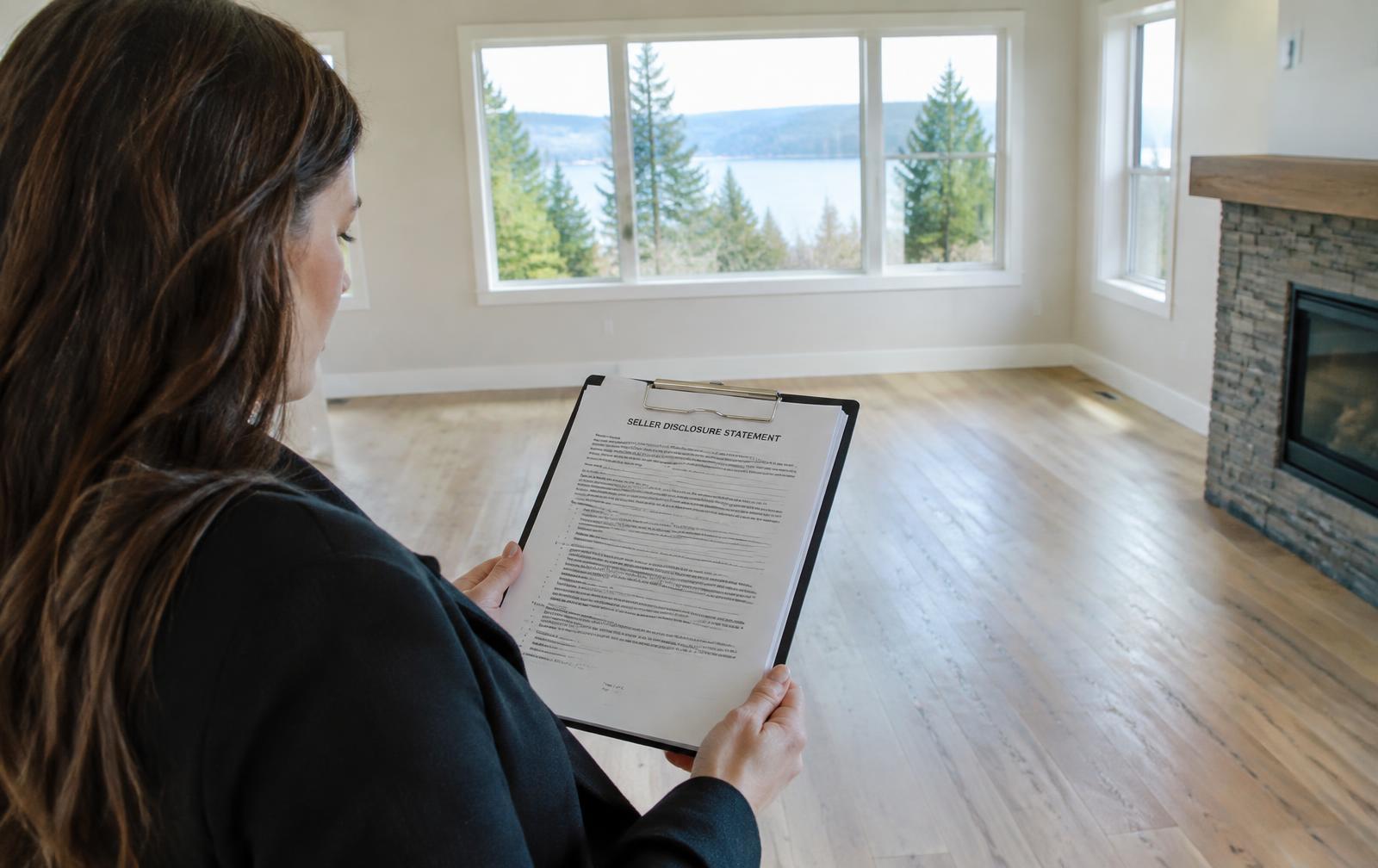
Seller disclosure
Washington's Form 17 seller disclosure: what buyers and sellers need to know.
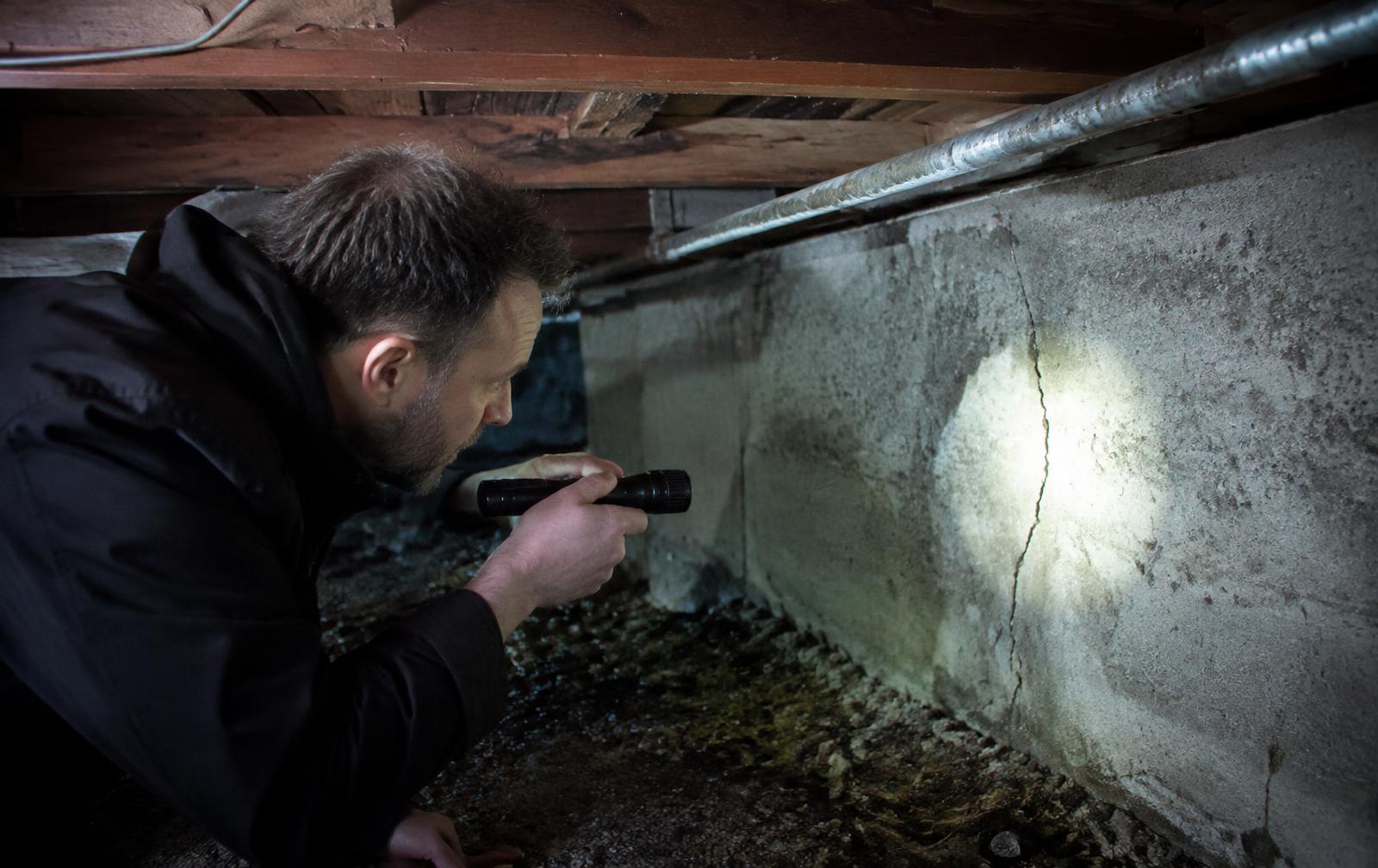
Structural risk
Buying a house with foundation issues in the Seattle area: risks, inspections and negotiation.

Mortgage options
Alternatives to a 30-year fixed mortgage for Washington buyers.
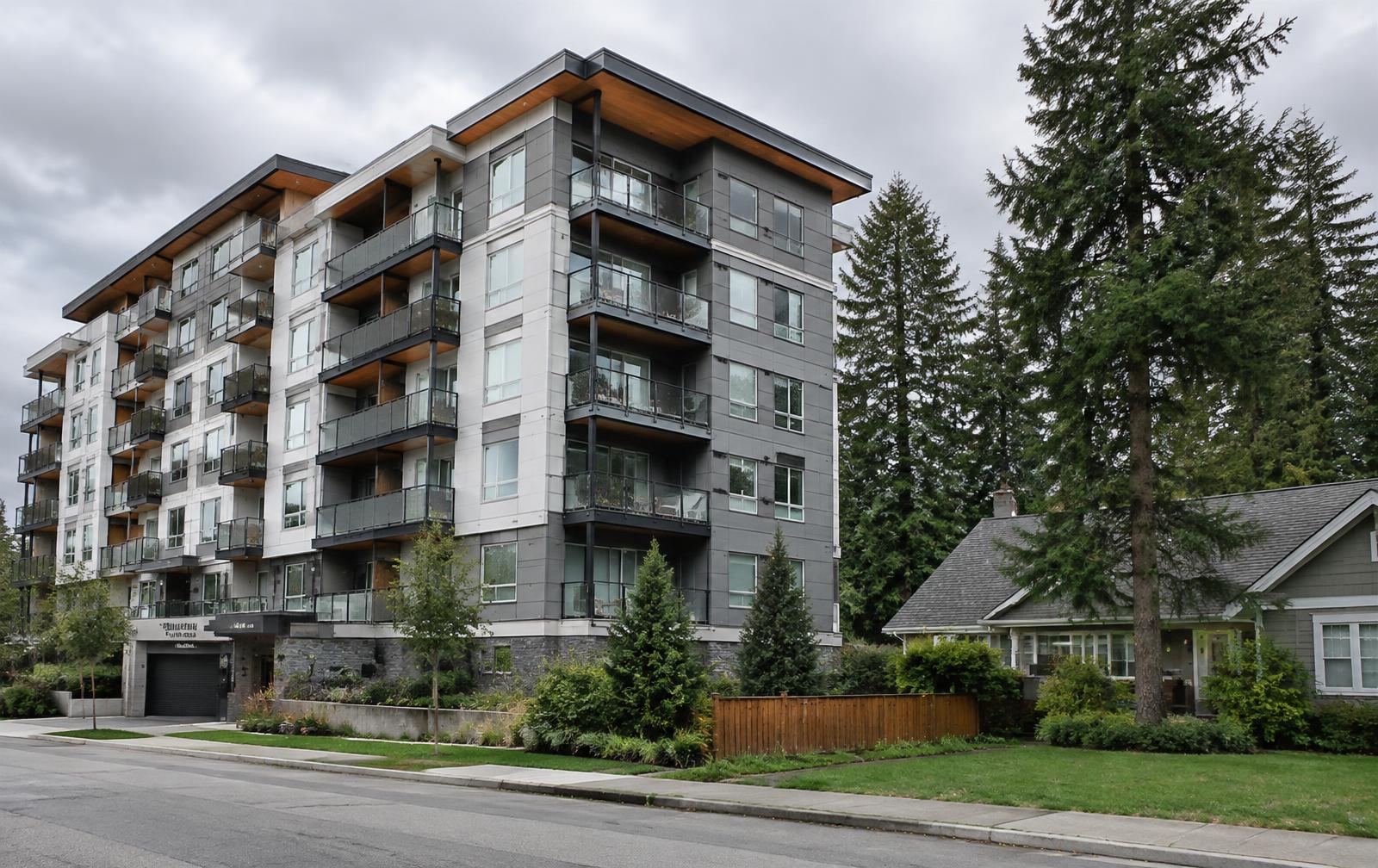
Property type decision
Condo vs single-family home: which holds up better as a long-term investment on the Eastside?

Rankings & best-of lists
Best places to live in the Seattle area, ranked — and how to read every ranking.

Selling an inherited home
Selling a parent's house in probate in Washington: authority, taxes and timing.

Concessions & credits
Seller concessions and seller credits: limits, price reduction vs credit, and repair trade-offs.

Permits & unpermitted additions
Buying a house with unpermitted work in Seattle and the Eastside: how to check permits and price the risk.

Final walkthrough
Final walkthrough checklist for Washington buyers — resale homes and new construction.
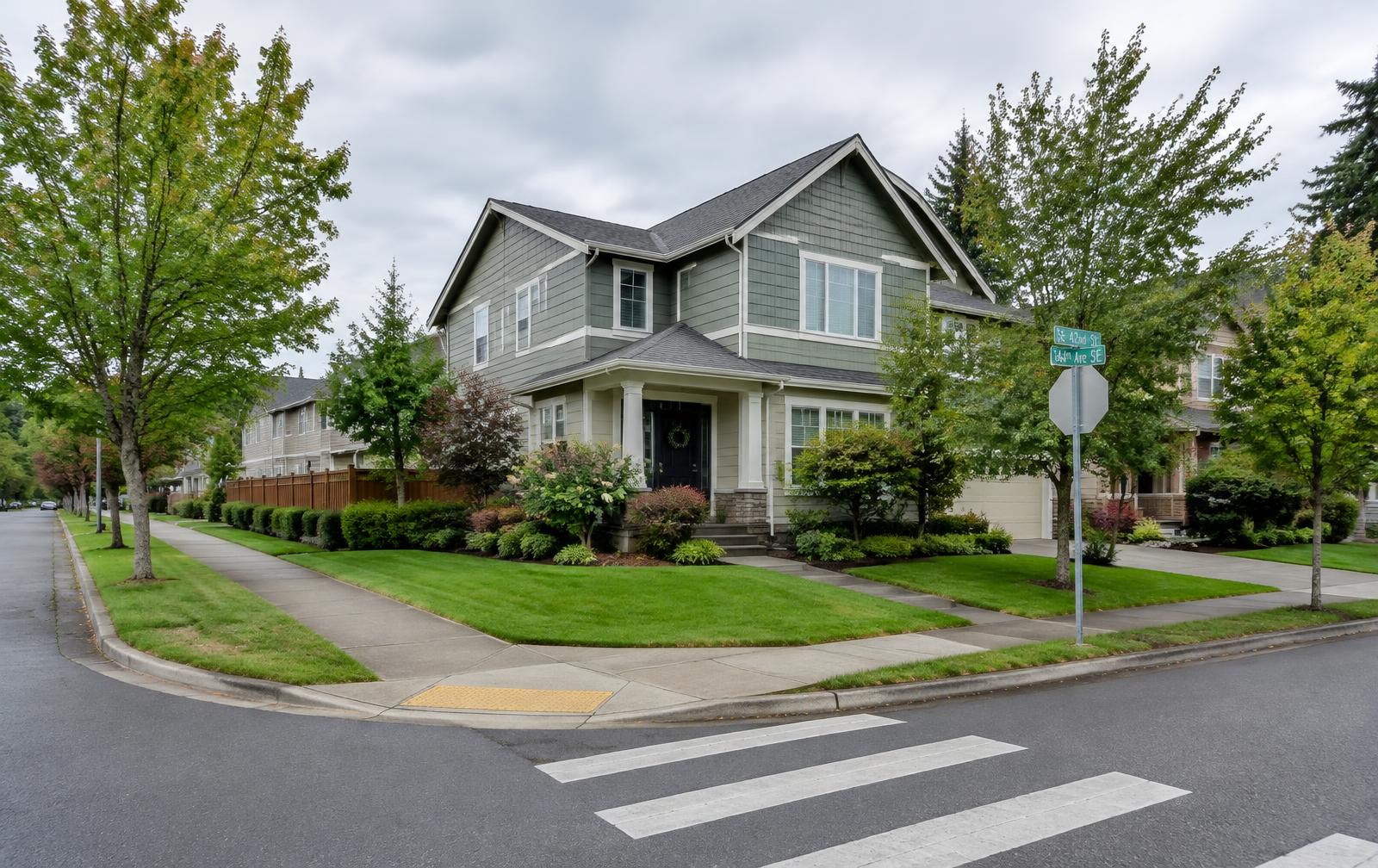
Lot & location trade-offs
Corner lot pros and cons, and living near a school: what Seattle-area buyers should weigh.

Buying land
Buying land to build a house in Washington: is the lot really buildable?

ADUs & backyard cottages
Financing an ADU or backyard cottage when your home still has a mortgage.

Market risk explained
Will the Seattle housing market crash? The economic signals that actually matter.

Selling a house that needs work
Selling a house as-is in Washington: what "as-is" does and does not mean.

Selling timeline
How long does it take to sell a house in Seattle? A stage-by-stage timeline.
Related articles
Want to see the numbers for a real property?
Send us a listing or a price range. We will pull rent comparables and estimate costs so you can compare it with your current investments.
Run a property comparison