
Market risk explained
Will the Seattle housing market crash? The economic signals that actually matter.
Headlines about a coming crash appear every year. Our monthly market reports show what happened; this page explains why prices fall sharply in some periods and only flatten in others, which data to watch, and how to make a buy, sell or hold decision without trying to call the bottom.

Quick answer
Sharp, broad price drops usually need forced selling: many owners who must sell at the same time because of job losses, payments they cannot afford or loans larger than the home's value. Higher mortgage rates on their own tend to cut sales volume and slow price growth rather than cause a crash, especially when most owners hold fixed-rate loans. Watch five signals together — mortgage rates, active inventory and months of supply, local employment, delinquency and foreclosure filings, and price cuts on listings. Make decisions on your own timeline and payment comfort, not on a forecast.
5 signals
Rates, inventory, jobs, delinquencies, price cuts — read together
Weekly
Freddie Mac publishes its average 30-year mortgage rate survey
Quarterly
FHFA releases its house price index by metro area
Questions this hub answers
- will the housing market crash
- housing market crash 2026
- seattle housing market crash
- how interest rates affect home prices
- how economic factors impact housing market
- will home prices drop in 2026
How to read the market without guessing
- 01
Track mortgage rates
Freddie Mac's weekly survey shows the national trend. A one-point move changes the payment on the same price noticeably, which shifts how many buyers qualify.
- 02
Watch inventory and months of supply
Rising active listings with falling pending sales point to a cooling market; low supply keeps prices firm even when sales slow.
- 03
Follow local jobs
Seattle-area prices are closely tied to tech and aerospace employment. Broad job losses matter more than any single company's layoff headline.
- 04
Check distress data
Delinquencies and foreclosure filings show whether owners are being forced to sell. Low distress usually means a slowdown, not a crash.
- 05
Look at price cuts, not just medians
The share of listings with price reductions moves earlier than median sale prices, which can shift with the mix of homes sold.
- 06
Decide on your own terms
Buy when the payment works for years and you plan to stay; sell when your next step is clear. Trying to time the exact bottom or top rarely works.
Slowdown vs correction vs crash
| Situation | What you see | Typical cause | What it means for you |
|---|---|---|---|
| Slowdown | Fewer sales, longer days on market, prices flat | Higher rates, affordability | More room to negotiate; sellers need sharp pricing |
| Correction | Prices down modestly from a peak | Rapid run-up, rate shock | Buyers gain leverage; long-term owners mostly unaffected |
| Crash | Steep, broad drops, rising foreclosures | Forced selling: job losses, risky loans, negative equity | Sellers who must sell take losses; cash-ready buyers gain |

Checklist
Market signal checklist
- Latest Freddie Mac 30-year rate and the 3-month trend
- Active listings and months of supply for your city
- Share of listings with price cuts
- Local unemployment rate trend
- Delinquency and foreclosure filing trend
- FHFA house price index for the Seattle metro
- Your own payment comfort and time horizon
Housing market crash FAQ
Will the housing market crash in 2026?
No one can predict that reliably. A broad crash usually needs widespread forced selling. Watch rates, inventory, jobs and distress data together, and base your decision on your payment and timeline rather than a forecast.
How do interest rates affect home prices?
Higher rates raise the monthly payment on the same price, so fewer buyers qualify and sales slow. Prices often flatten or dip modestly; they fall sharply mainly when owners are also forced to sell.
Should I wait for a crash to buy?
Waiting has costs too: rent paid, and the chance that rates or prices rise. If the payment works for you and you plan to stay several years, timing matters less than buying the right home at a fair price.
Should I sell now before prices fall?
Sell when your next move is clear and the numbers work. If you would buy again in the same market, the gain or loss on both sides often offsets. Ask for current local data before deciding.
Sources
Last checked October 29, 2026. Official sources for the key rules on this page; they describe general rules, and your contract, lender, tax adviser and each agency's current tools control your specific case.
Market reports and related guides
Related
Is it a good time to sell on the Eastside?
Current conditions for sellers.
Related
King County housing market, July 2026
A recent monthly snapshot.
Related
Bellevue housing market 2026
City-level trends.
Related
House not selling in a slow market
What sellers can change in a slowdown.
Related
Alternatives to a 30-year fixed mortgage
Loan options when rates are high.
Other topic guides

Family transfers
Gift of equity and selling a home to a family member in Washington.

Title & closing
Selling a house with a lien in Bellevue and Greater Seattle.
Land value
Selling an older Eastside home to a builder: land value vs. retail sale.

Visa & foreign buyers
Buying a home in Bellevue as a foreign national or visa holder.

Tech relocation
Moving to Bellevue for a tech job: rent first or buy now?

Schools & addresses
Buying by school assignment in the Bellevue School District.

Waterfront & unique homes
How to price a waterfront or one-of-a-kind home.

Listing problems
How to cancel a listing agreement and change agents.

Building & financing
Construction loans for self-employed and small business owners.

Land & lot value
Should you split a double lot before selling it?

Water & site risk
Flood zone, creek and drainage checks before you buy.

Landlords & investors
Selling a rental property to your current tenant.

Choosing an agent
How to choose a real estate agent in Seattle and on the Eastside.

Interview & review
Questions to ask before hiring — and how to tell if your agent is doing a good job.
Fees & commission
Who pays realtor fees in Washington — and what an agent actually keeps.

First-time buyers
Buying your first home in Washington State — including without a US credit history.

Home value
How to get an accurate home value estimate in Bellevue, Redmond and West Bellevue.
Investment property
Buying an investment property on the Eastside: returns, rules and the numbers to run.

Listing presentation
Staging and listing photos: virtual staging, AI edits and what buyers trust.
Stalled listings
Your house is not selling: what to change, and whether to pause the listing.

Seller options
Instant cash offer vs listing your home: how to compare them properly.
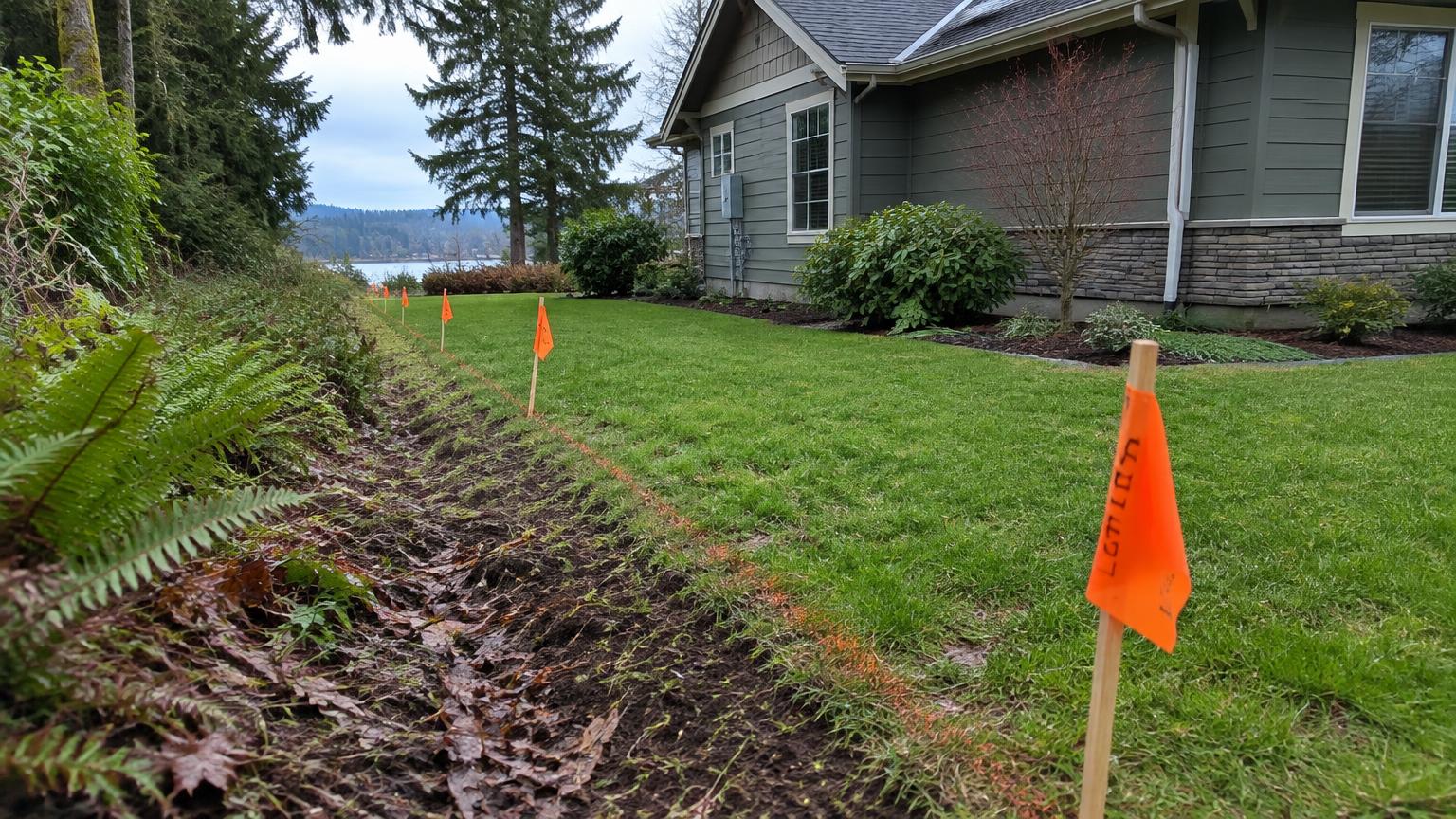
Due diligence
Easements, shared driveways and recorded restrictions: check before you buy.

Buyer strategy
Competing with all-cash offers as a financed buyer on the Eastside.

List price strategy
Pricing below market, offer review dates and how many showings to expect.

Offers and negotiation
What counts as a low-ball offer — and how to counter without losing the deal.
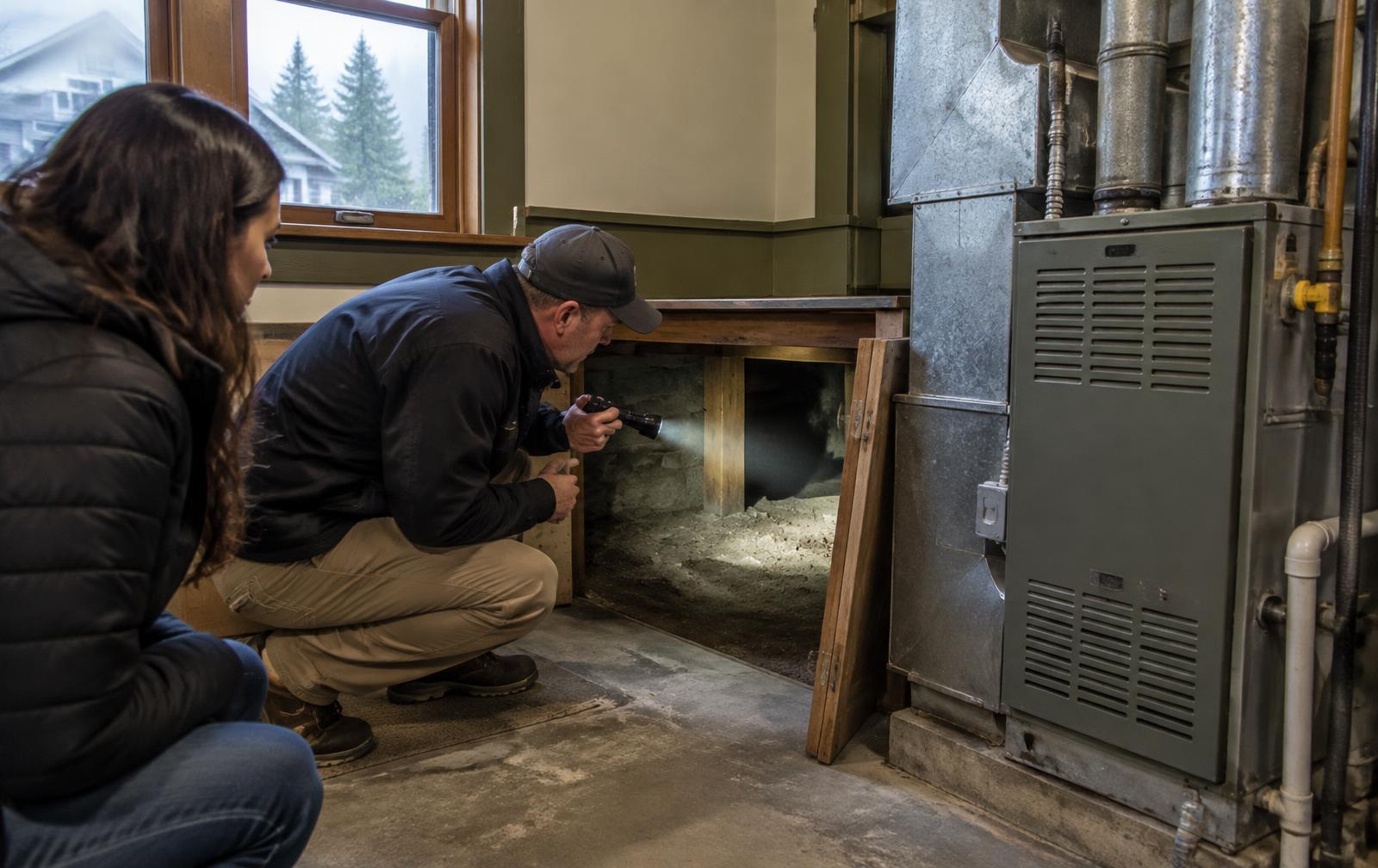
Inspection negotiation
Home inspection negotiation in Washington: repair requests, credits and difficult sellers.
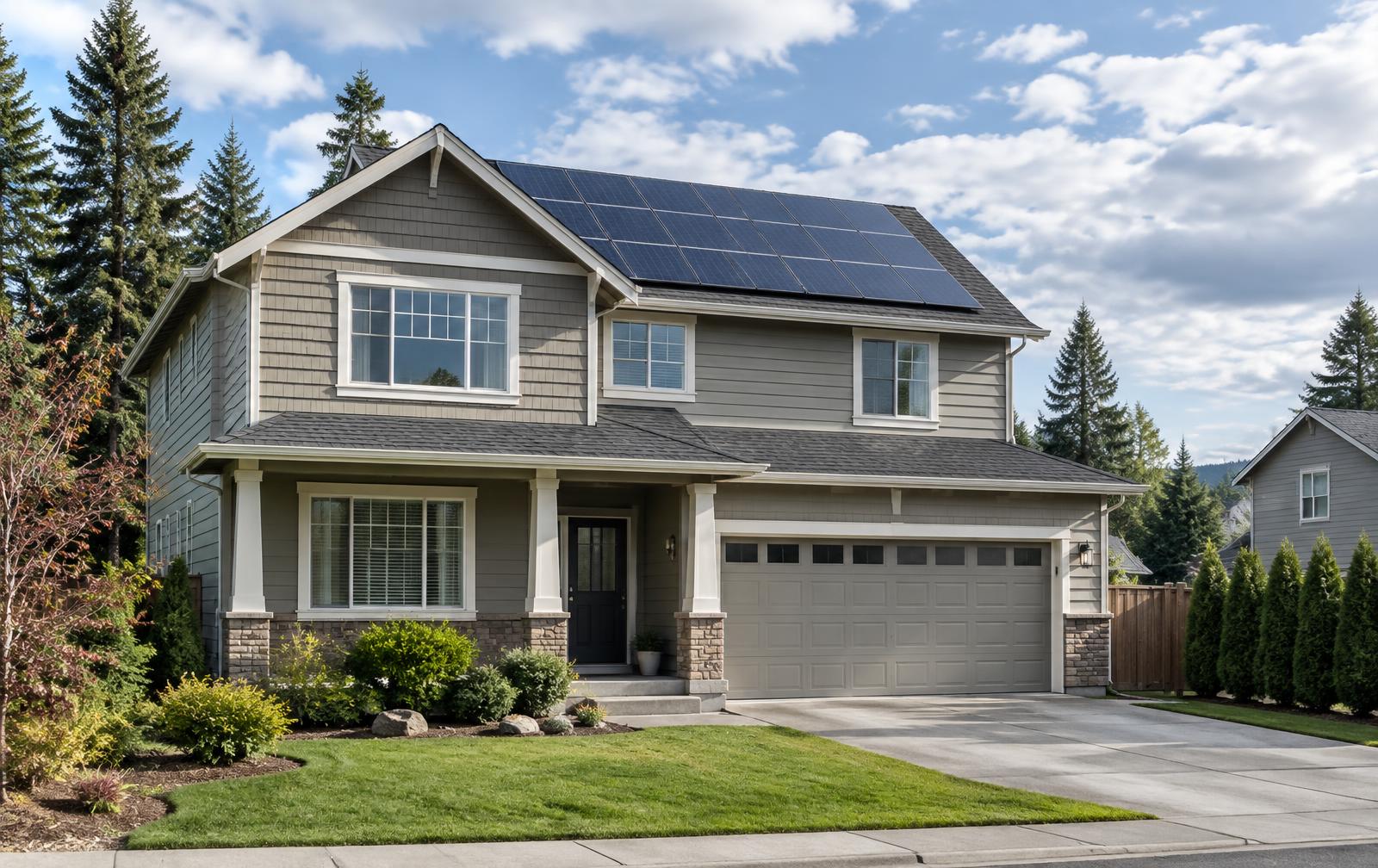
Solar homes
Buying a house with solar panels: owned vs leased, transfers and price drops.

Selling while living there
Selling a house while living in it: showings, kids, pets and the stress of selling.

Buying and selling at the same time
Home sale contingencies in Washington: buying a house contingent on selling yours.

Contract cancellation
Can you back out of buying a house before closing in Washington?
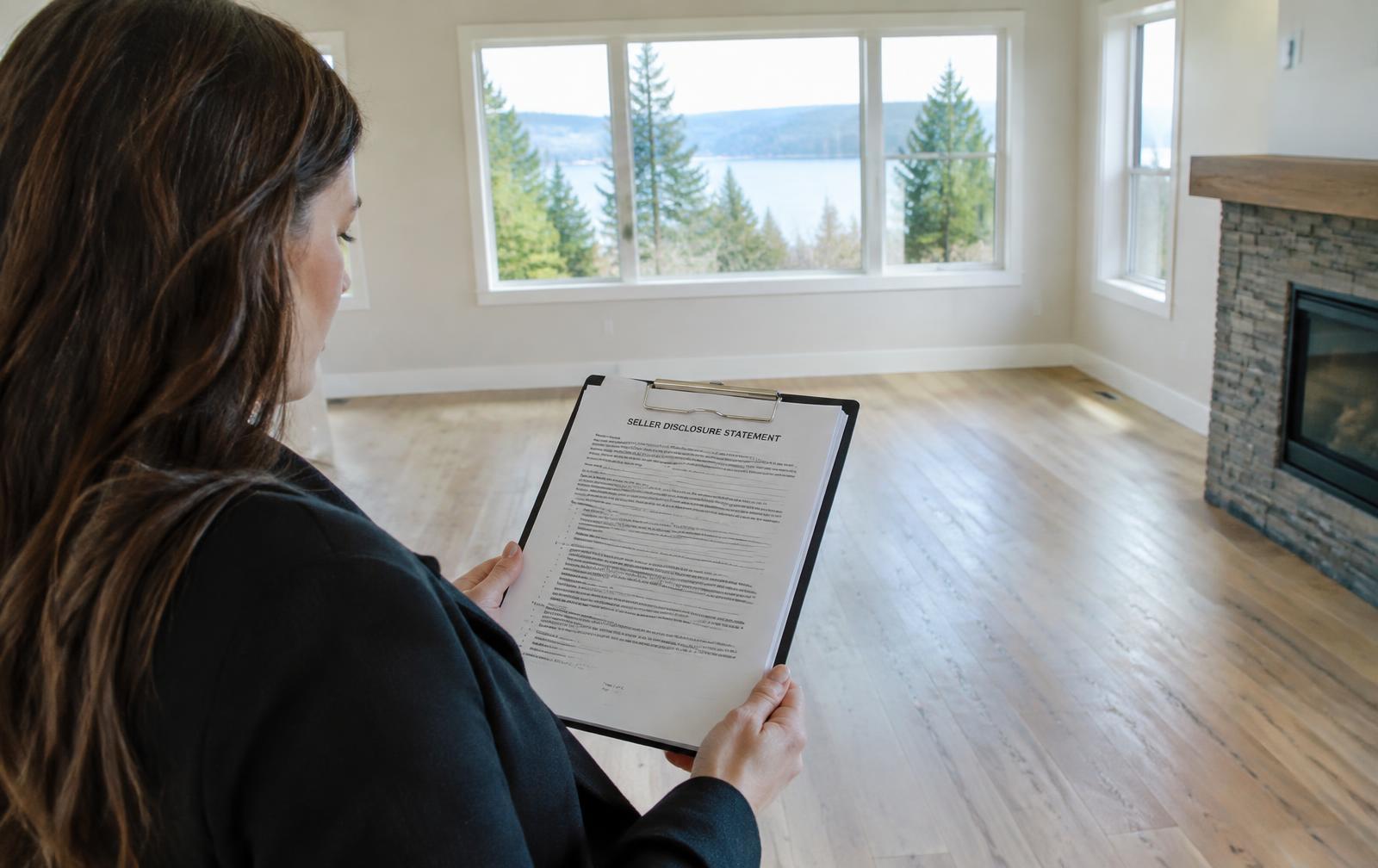
Seller disclosure
Washington's Form 17 seller disclosure: what buyers and sellers need to know.

Structural risk
Buying a house with foundation issues in the Seattle area: risks, inspections and negotiation.

Mortgage options
Alternatives to a 30-year fixed mortgage for Washington buyers.
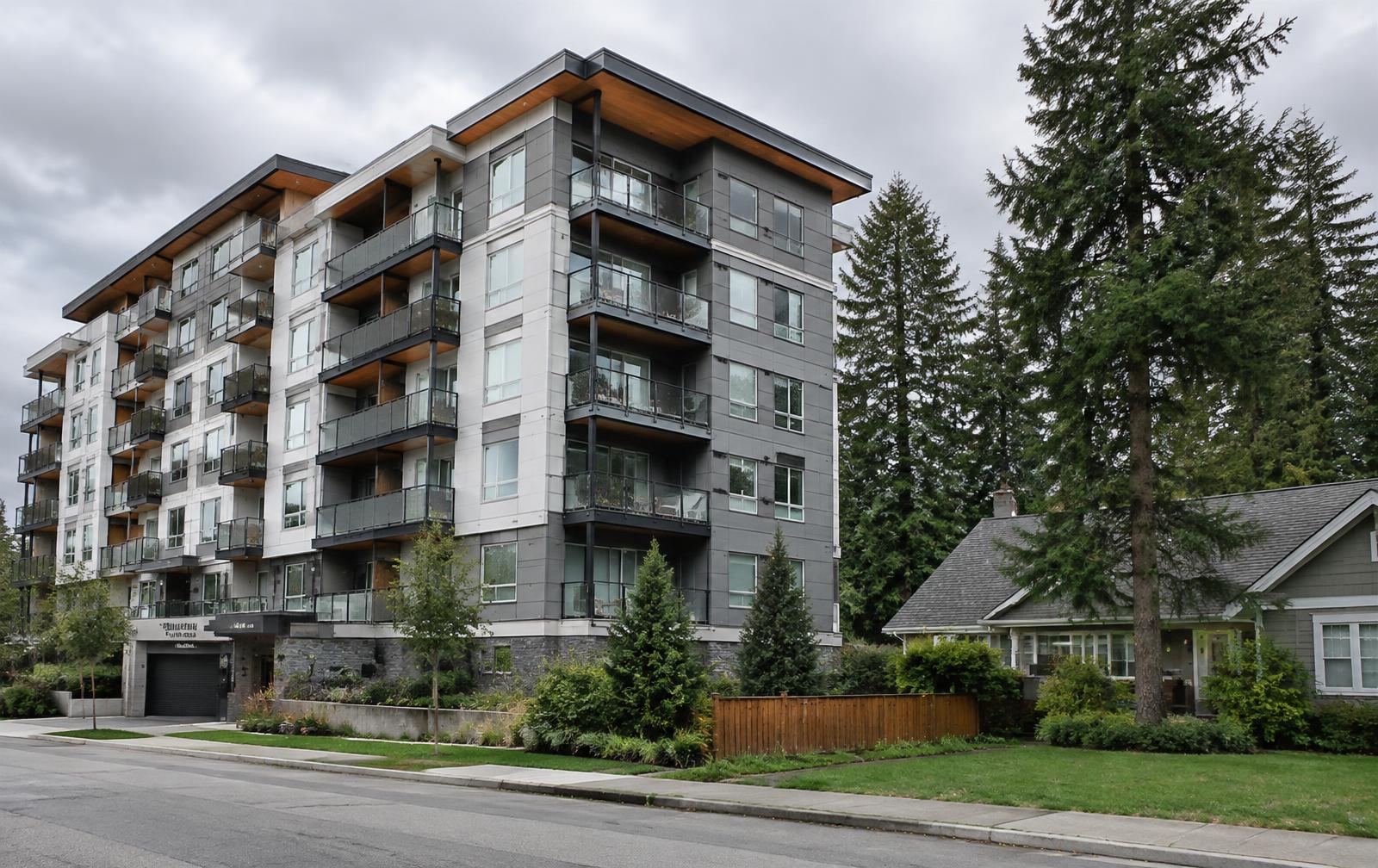
Property type decision
Condo vs single-family home: which holds up better as a long-term investment on the Eastside?

Rankings & best-of lists
Best places to live in the Seattle area, ranked — and how to read every ranking.

Selling an inherited home
Selling a parent's house in probate in Washington: authority, taxes and timing.

Concessions & credits
Seller concessions and seller credits: limits, price reduction vs credit, and repair trade-offs.

Permits & unpermitted additions
Buying a house with unpermitted work in Seattle and the Eastside: how to check permits and price the risk.

Final walkthrough
Final walkthrough checklist for Washington buyers — resale homes and new construction.
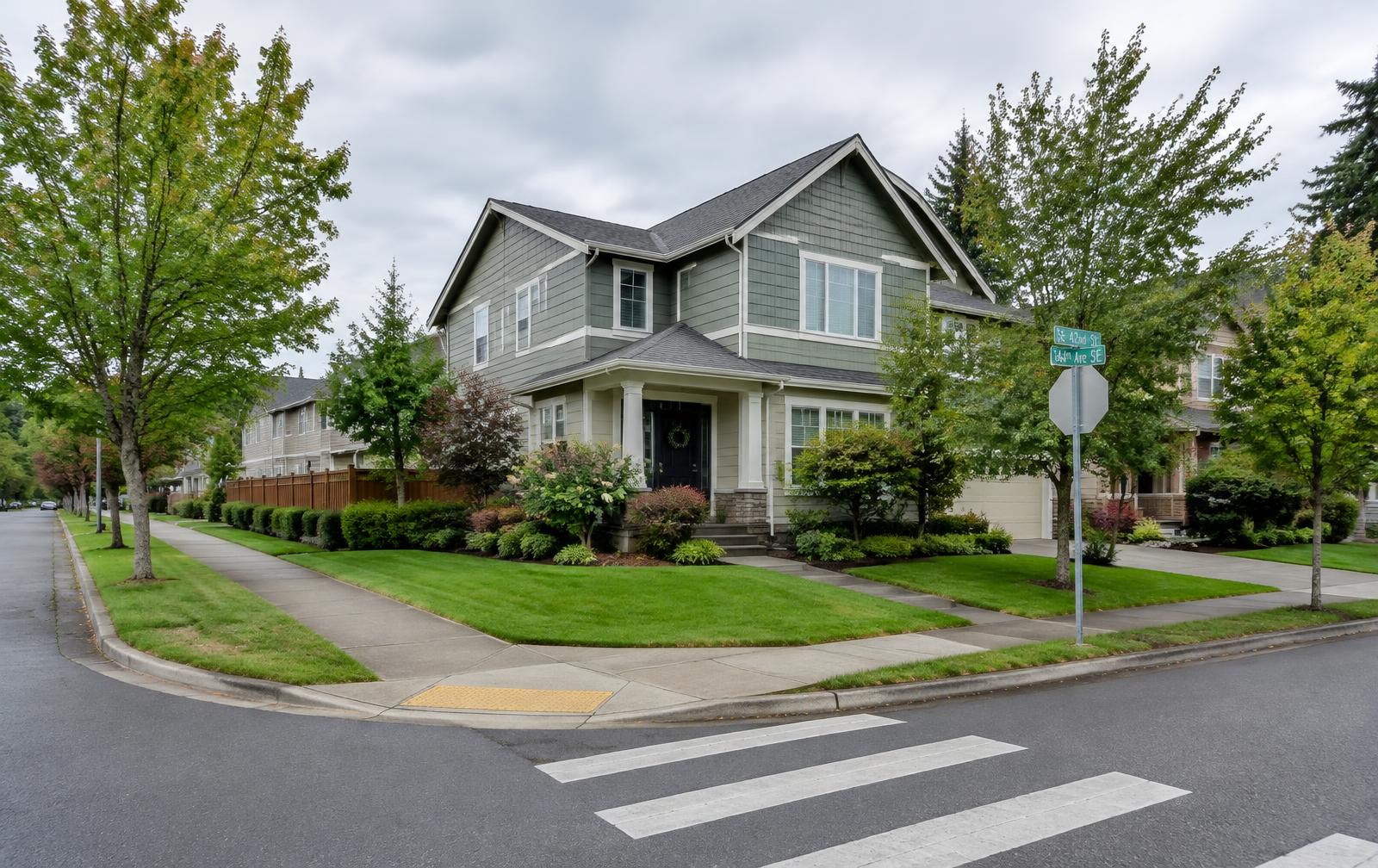
Lot & location trade-offs
Corner lot pros and cons, and living near a school: what Seattle-area buyers should weigh.

Buying land
Buying land to build a house in Washington: is the lot really buildable?

ADUs & backyard cottages
Financing an ADU or backyard cottage when your home still has a mortgage.

Real estate vs other assets
Real estate vs stocks: liquidity, leverage and taxes for Washington owners.

Selling a house that needs work
Selling a house as-is in Washington: what "as-is" does and does not mean.

Selling timeline
How long does it take to sell a house in Seattle? A stage-by-stage timeline.
Related articles
Want the current numbers for your neighborhood?
We will pull active inventory, price cuts and recent sales for your area and explain what they mean for your plan to buy, sell or hold.
Get a local market read