
ADUs & backyard cottages
Financing an ADU or backyard cottage when your home still has a mortgage.
Washington now requires most cities in urban growth areas to allow two accessory dwelling units on lots zoned for single-family homes, and Seattle has allowed backyard cottages (DADUs) for years. The harder question for most owners is money: how to borrow against a house that already has a first mortgage, and what the finished unit does to value and resale. This hub compares the financing routes and the steps in the right order.
Quick answer
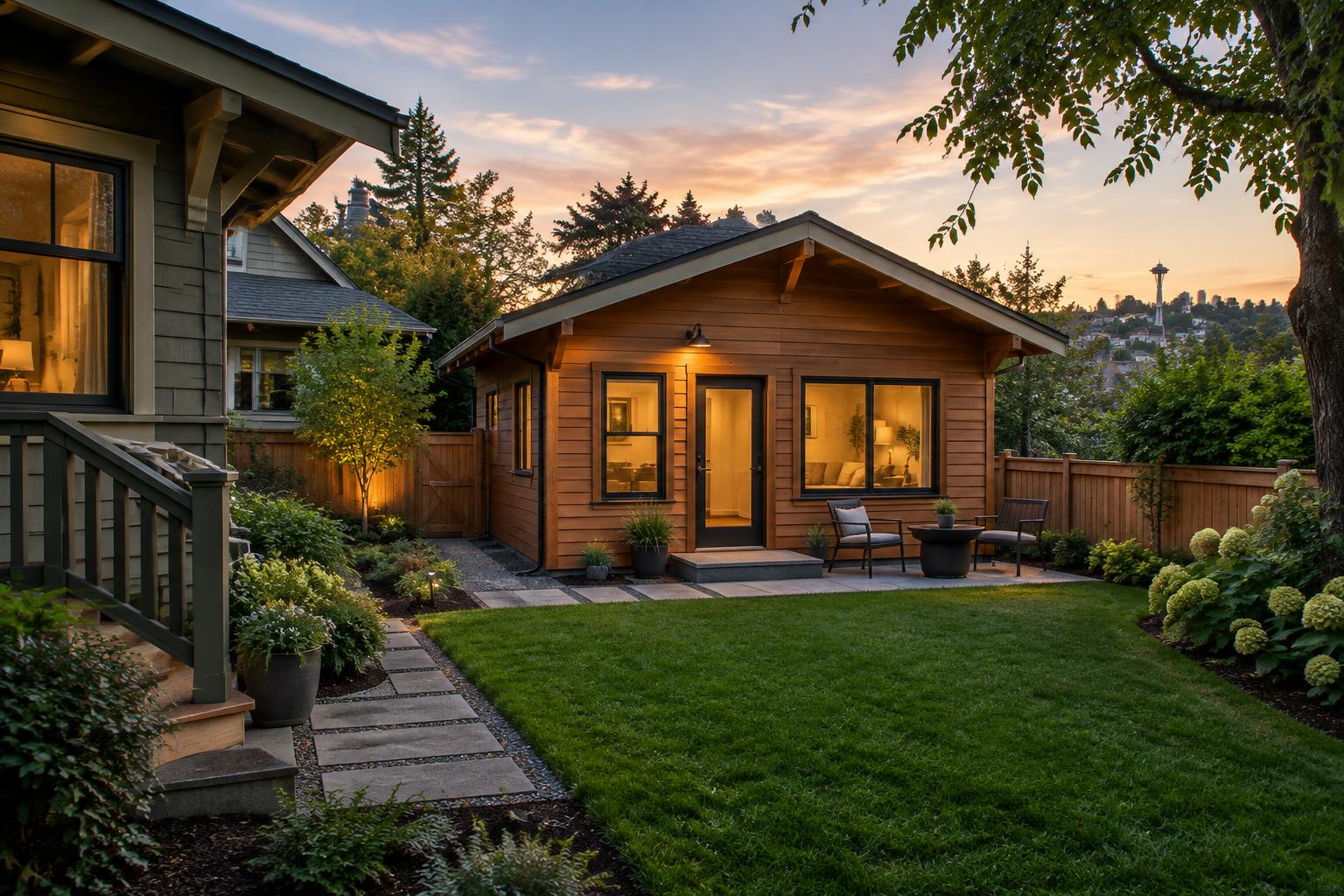
You can usually add an ADU to a house that has a mortgage — you do not have to pay the first loan off. The common routes are a HELOC or home equity loan (keeps your current rate, borrows against existing equity), a cash-out refinance (replaces the first mortgage, makes sense mainly when the new rate is acceptable), and a renovation loan such as Fannie Mae HomeStyle or FHA 203(k) that lends against the value after completion. Tell your insurer before construction, keep permits final, and expect the lender or appraiser to value the finished ADU using comparable sales, not build cost.
2 ADUs
Minimum most Washington cities in urban growth areas must allow per single-family lot (RCW 36.70A.681)
3 routes
HELOC / home equity loan, cash-out refinance, renovation loan
No owner-occupancy
State law bars cities from requiring the owner to live on the lot
Questions this hub answers
- financing an adu
- adu financing options
- how to finance an adu
- heloc for adu
- dadu seattle
- seattle adu rules
- can i build an adu with a mortgage
Steps to fund and build an ADU
- 01
Check what your lot allows
Confirm ADU size limits, setbacks, parking and height with your city (Seattle SDCI, Bellevue Development Services, Redmond, Kirkland). Rules differ by city even under the state law.
- 02
Get a realistic budget
Ask a designer or builder for a range that includes design, permits, utility connections and impact fees. Utility and site work often surprise owners more than the structure itself.
- 03
Compare financing routes
Ask at least two lenders to quote a HELOC, a cash-out refinance and a renovation loan on the same budget. Compare total interest cost, draw rules and whether future rent can help you qualify.
- 04
Line up insurance
Tell your homeowners insurer before work starts and ask about builder's risk coverage. Your deed of trust requires you to keep the property insured.
- 05
Permit, build and final
Draw funds against inspections and keep receipts. A finalled permit matters later: unpermitted units are a common issue at resale.
- 06
Plan the use
Long-term rental, family housing or home office each affect taxes and insurance differently. Check landlord-tenant rules if you will rent it.
Which ADU financing route fits?
| Route | Keeps your first mortgage? | Borrows against | Best when |
|---|---|---|---|
| HELOC | Yes | Current equity, variable rate | You have strong equity and a low existing rate |
| Home equity loan | Yes | Current equity, fixed payment | You want a fixed budget and payment |
| Cash-out refinance | No — replaces it | Current value | Today's rate is close to or below your existing rate |
| Renovation loan (HomeStyle, FHA 203(k)) | Usually replaces it | Value after completion | Equity today is not enough for the project |
| Cash / savings | Yes | — | You want no new debt and can wait to save |
Checklist
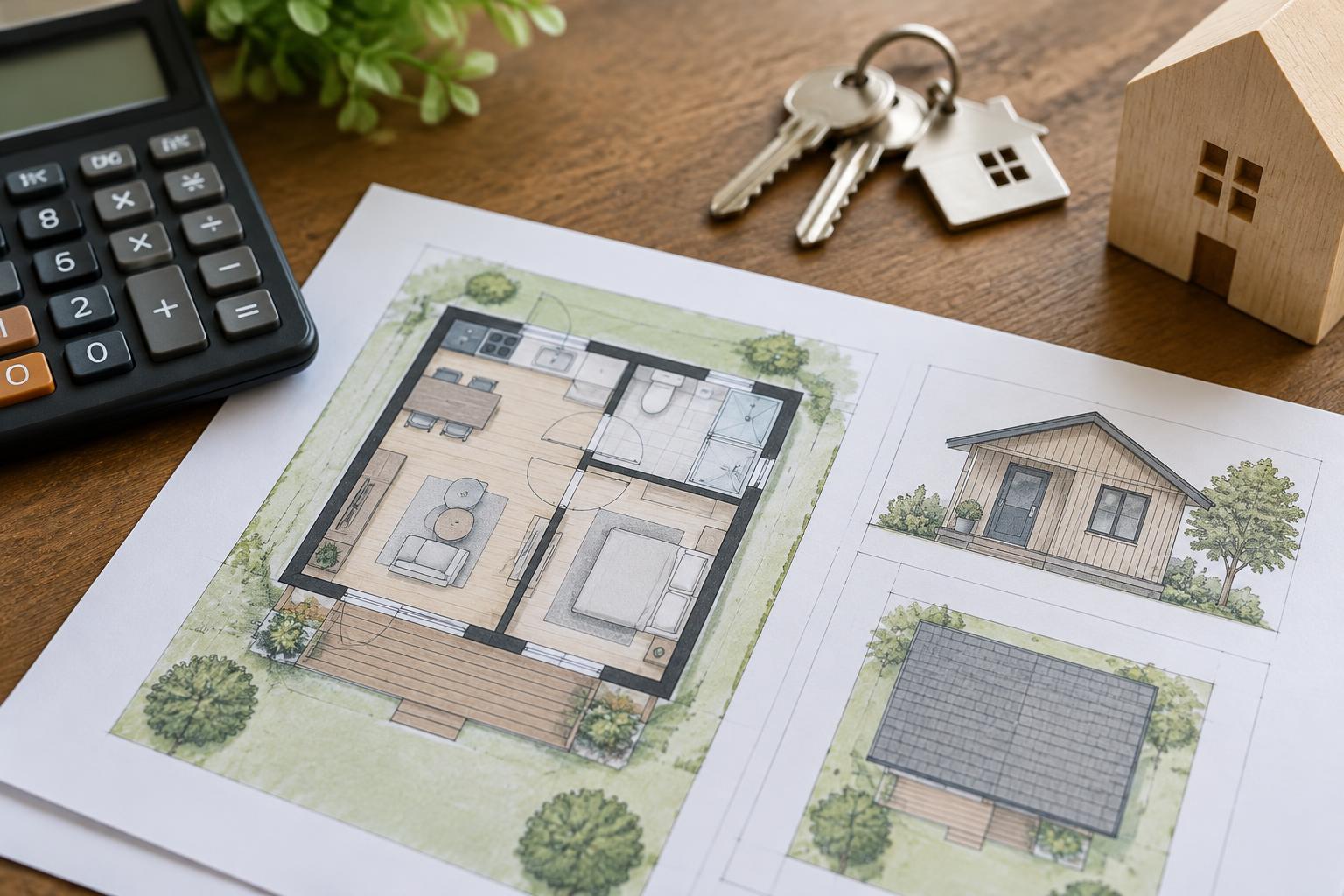
ADU financing checklist
- City ADU rules confirmed for your address
- Design and builder budget including utilities and fees
- Quotes for HELOC, cash-out refinance and renovation loan
- Draw schedule agreed with lender and builder
- Insurer notified; builder's risk coverage in place
- Permit issued before work starts
- Final inspection passed and documents filed
- Rental plan and landlord-tenant rules reviewed
ADU financing FAQ
Can I build an ADU if I still have a mortgage?
Usually yes. Most homeowners finance an ADU with a HELOC, home equity loan, cash-out refinance or renovation loan while keeping the property mortgaged. Read your deed of trust and tell your lender if a refinance is involved.
Does an ADU add value to my home?
A permitted, well-built ADU often adds value, but the appraiser uses comparable sales with similar units, not your build cost. In areas with few ADU sales, the added value can be harder to prove.
Can future rent help me qualify for the loan?
Some programs allow part of projected ADU rent to count as income under specific conditions. Ask each lender how they treat ADU rental income before you choose a route.
Do I have to live on the property?
Washington law bars cities in its scope from requiring the owner to live in the house or the ADU. Check your HOA covenants, which can still restrict rentals.
Sources
Last checked October 29, 2026. Official sources for the key rules on this page; they describe general rules, and your contract, lender, tax adviser and each agency's current tools control your specific case.
Related guides
Related
Buying a house with unpermitted work
Why permits matter when you sell later.
Related
Alternatives to a 30-year fixed mortgage
How loan types differ in cost and risk.
Related
Condo vs single-family as an investment
Comparing rental returns by property type.
Related
Seismic retrofit cost
Another common pre-ADU structural question.
Other topic guides

Family transfers
Gift of equity and selling a home to a family member in Washington.

Title & closing
Selling a house with a lien in Bellevue and Greater Seattle.
Land value
Selling an older Eastside home to a builder: land value vs. retail sale.

Visa & foreign buyers
Buying a home in Bellevue as a foreign national or visa holder.

Tech relocation
Moving to Bellevue for a tech job: rent first or buy now?

Schools & addresses
Buying by school assignment in the Bellevue School District.

Waterfront & unique homes
How to price a waterfront or one-of-a-kind home.

Listing problems
How to cancel a listing agreement and change agents.

Building & financing
Construction loans for self-employed and small business owners.

Land & lot value
Should you split a double lot before selling it?

Water & site risk
Flood zone, creek and drainage checks before you buy.

Landlords & investors
Selling a rental property to your current tenant.

Choosing an agent
How to choose a real estate agent in Seattle and on the Eastside.

Interview & review
Questions to ask before hiring — and how to tell if your agent is doing a good job.
Fees & commission
Who pays realtor fees in Washington — and what an agent actually keeps.

First-time buyers
Buying your first home in Washington State — including without a US credit history.

Home value
How to get an accurate home value estimate in Bellevue, Redmond and West Bellevue.
Investment property
Buying an investment property on the Eastside: returns, rules and the numbers to run.

Listing presentation
Staging and listing photos: virtual staging, AI edits and what buyers trust.
Stalled listings
Your house is not selling: what to change, and whether to pause the listing.

Seller options
Instant cash offer vs listing your home: how to compare them properly.
Due diligence
Easements, shared driveways and recorded restrictions: check before you buy.

Buyer strategy
Competing with all-cash offers as a financed buyer on the Eastside.

List price strategy
Pricing below market, offer review dates and how many showings to expect.

Offers and negotiation
What counts as a low-ball offer — and how to counter without losing the deal.
Inspection negotiation
Home inspection negotiation in Washington: repair requests, credits and difficult sellers.
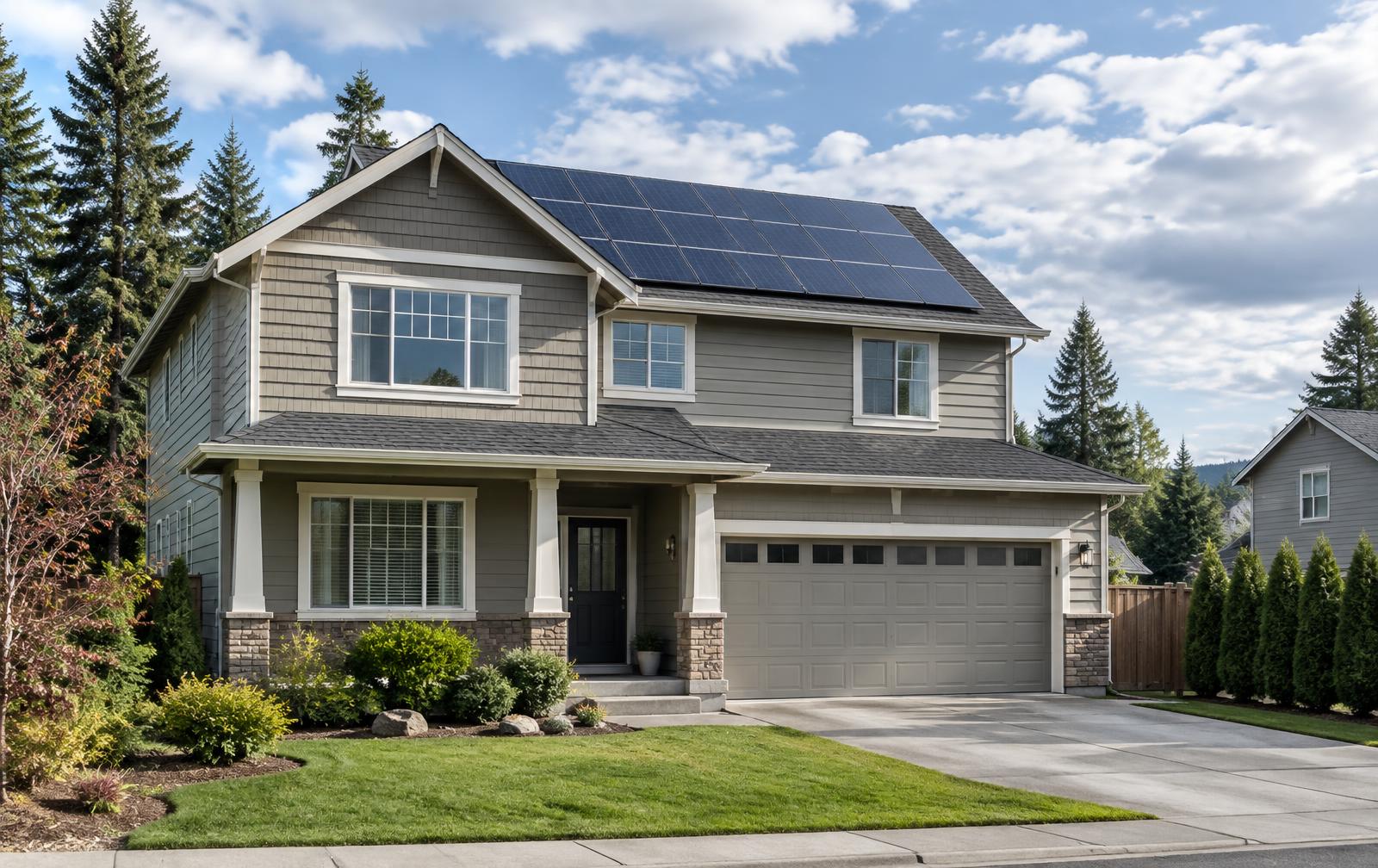
Solar homes
Buying a house with solar panels: owned vs leased, transfers and price drops.

Selling while living there
Selling a house while living in it: showings, kids, pets and the stress of selling.

Buying and selling at the same time
Home sale contingencies in Washington: buying a house contingent on selling yours.

Contract cancellation
Can you back out of buying a house before closing in Washington?
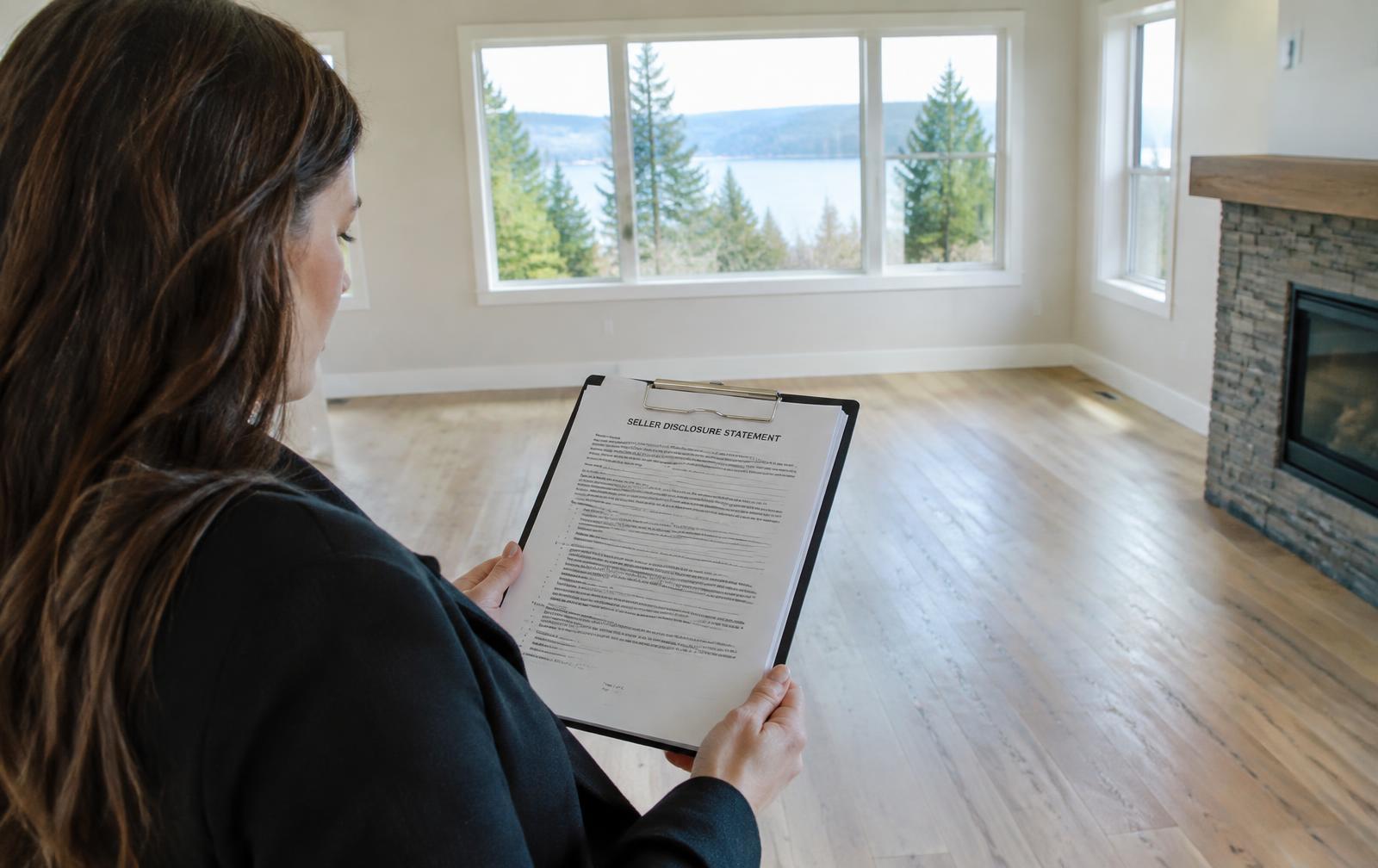
Seller disclosure
Washington's Form 17 seller disclosure: what buyers and sellers need to know.
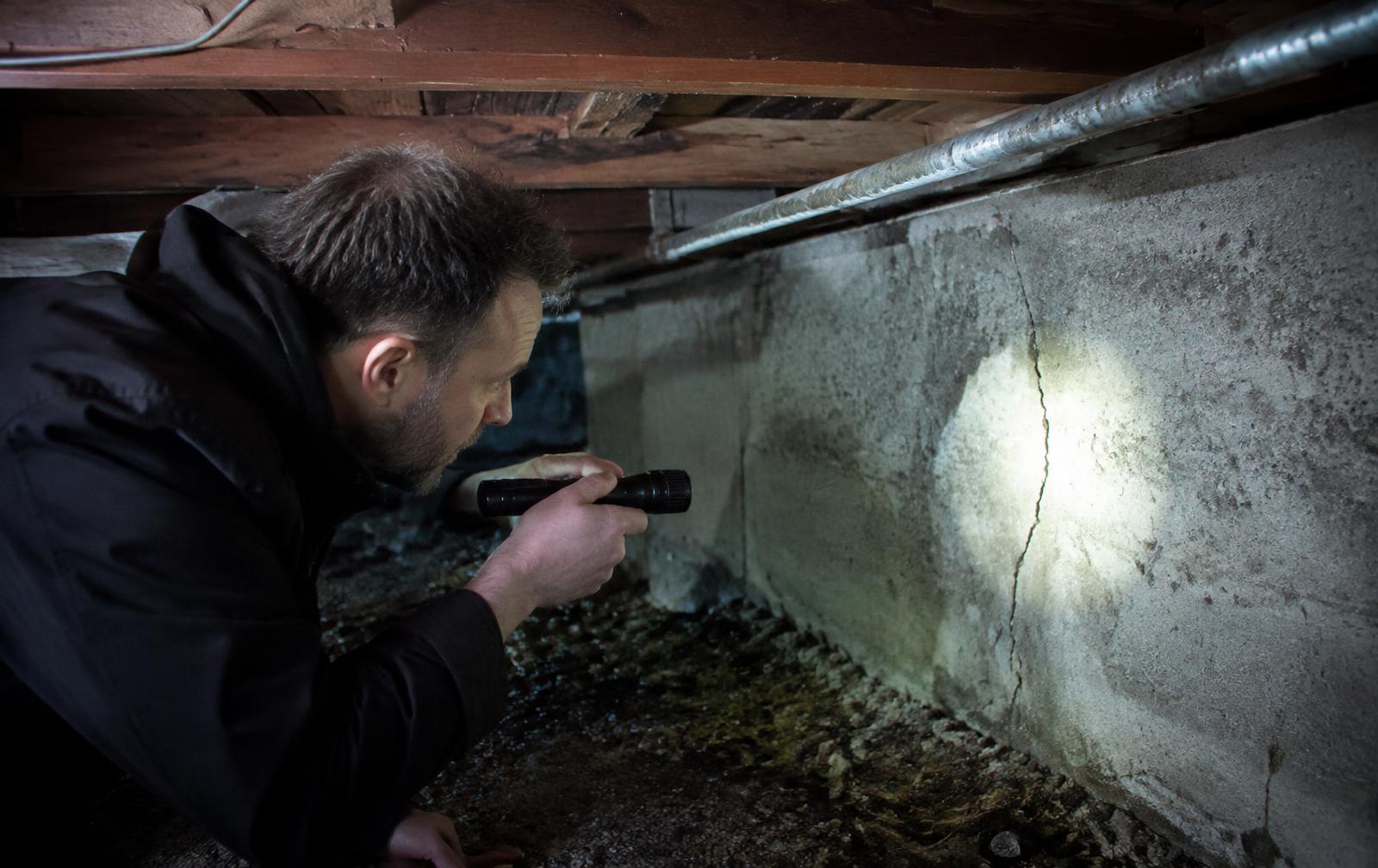
Structural risk
Buying a house with foundation issues in the Seattle area: risks, inspections and negotiation.

Mortgage options
Alternatives to a 30-year fixed mortgage for Washington buyers.
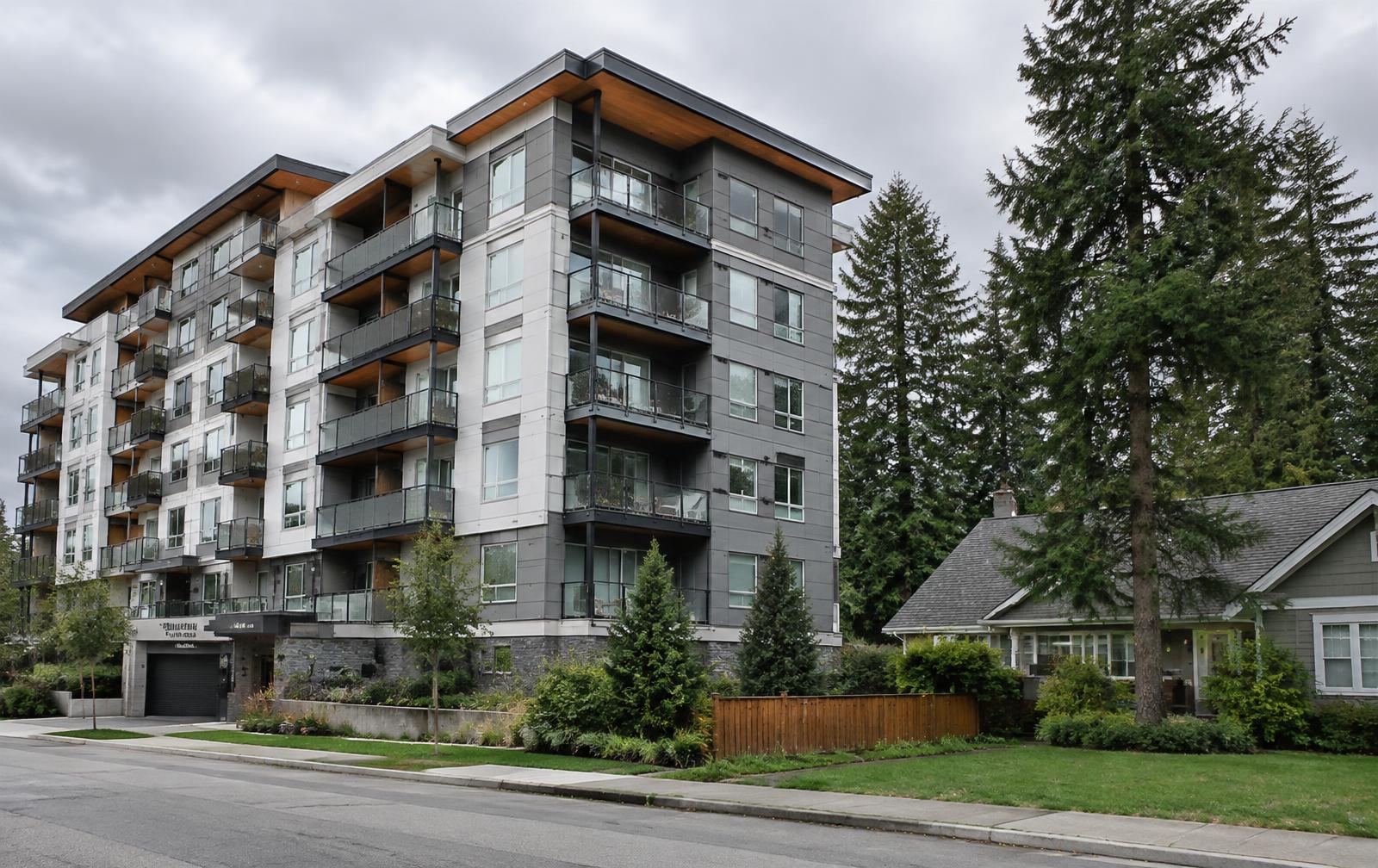
Property type decision
Condo vs single-family home: which holds up better as a long-term investment on the Eastside?

Rankings & best-of lists
Best places to live in the Seattle area, ranked — and how to read every ranking.

Selling an inherited home
Selling a parent's house in probate in Washington: authority, taxes and timing.

Concessions & credits
Seller concessions and seller credits: limits, price reduction vs credit, and repair trade-offs.
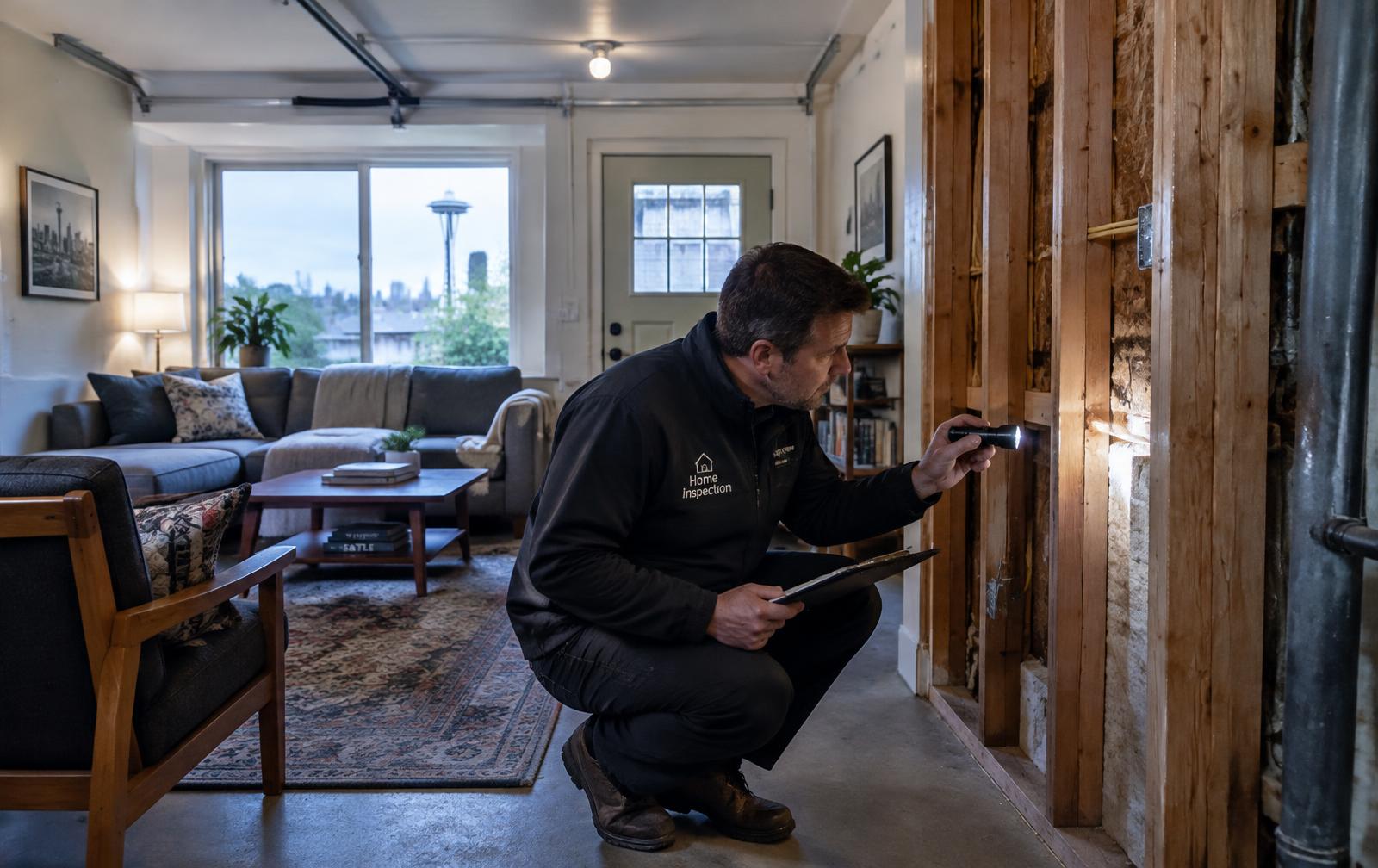
Permits & unpermitted additions
Buying a house with unpermitted work in Seattle and the Eastside: how to check permits and price the risk.
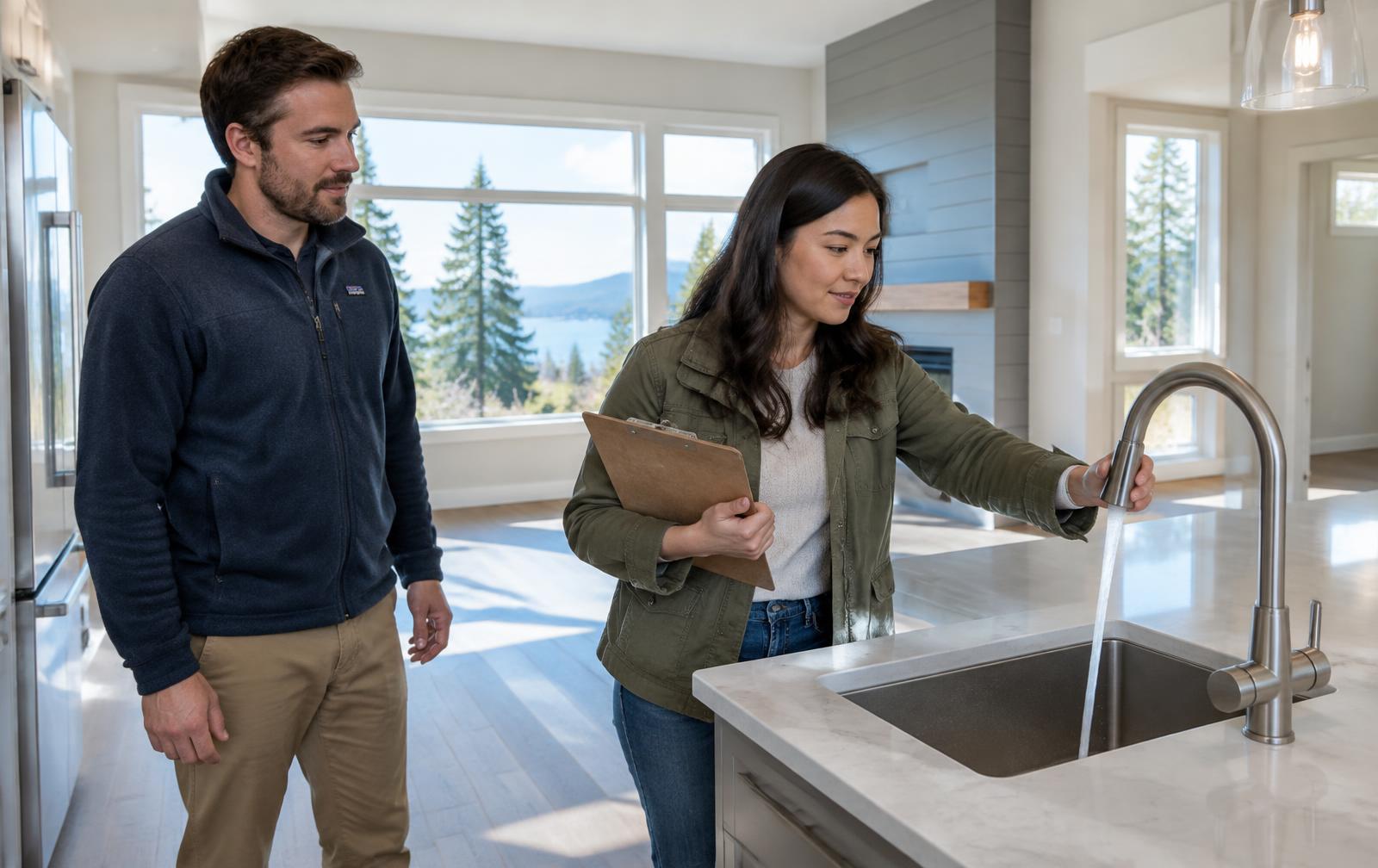
Final walkthrough
Final walkthrough checklist for Washington buyers — resale homes and new construction.
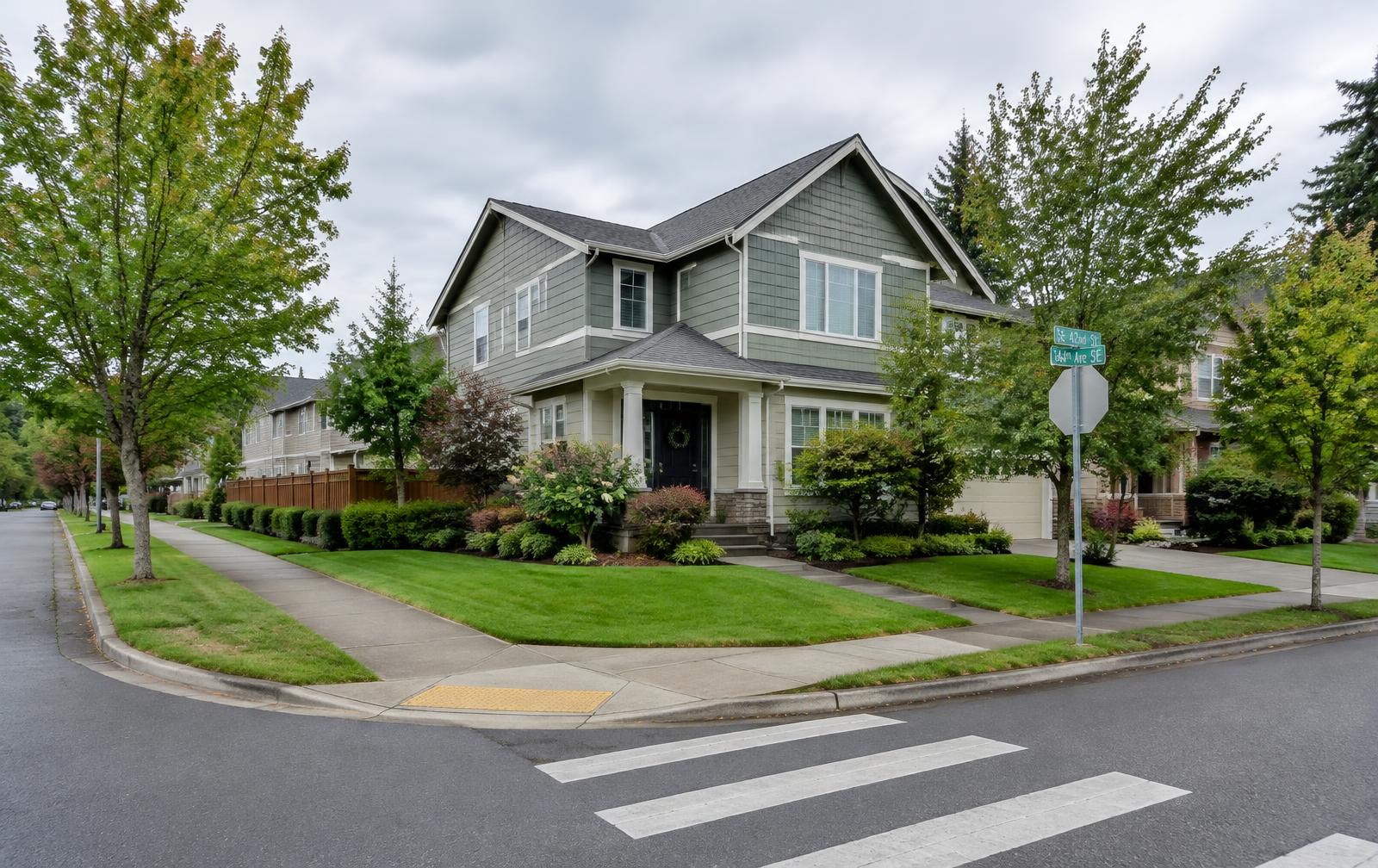
Lot & location trade-offs
Corner lot pros and cons, and living near a school: what Seattle-area buyers should weigh.

Buying land
Buying land to build a house in Washington: is the lot really buildable?

Real estate vs other assets
Real estate vs stocks: liquidity, leverage and taxes for Washington owners.
Market risk explained
Will the Seattle housing market crash? The economic signals that actually matter.
Selling a house that needs work
Selling a house as-is in Washington: what "as-is" does and does not mean.
Selling timeline
How long does it take to sell a house in Seattle? A stage-by-stage timeline.
Related articles
Wondering what an ADU would do to your home's value?
Tell us your address and plan. We will look at local sales of homes with ADUs and share what buyers have paid for them, so you can size the project before borrowing.
Ask about ADU value