
Buying land
Buying land to build a house in Washington: is the lot really buildable?
A vacant lot looks simpler than a house — no roof, no inspection report, no old plumbing. In practice it carries more unknowns, because the value depends on what a county or city will let you build, whether the soil can take a septic system, where water comes from and whether wetlands or steep slopes shrink the building area. This hub lists the checks to finish before your feasibility period ends.
Quick answer
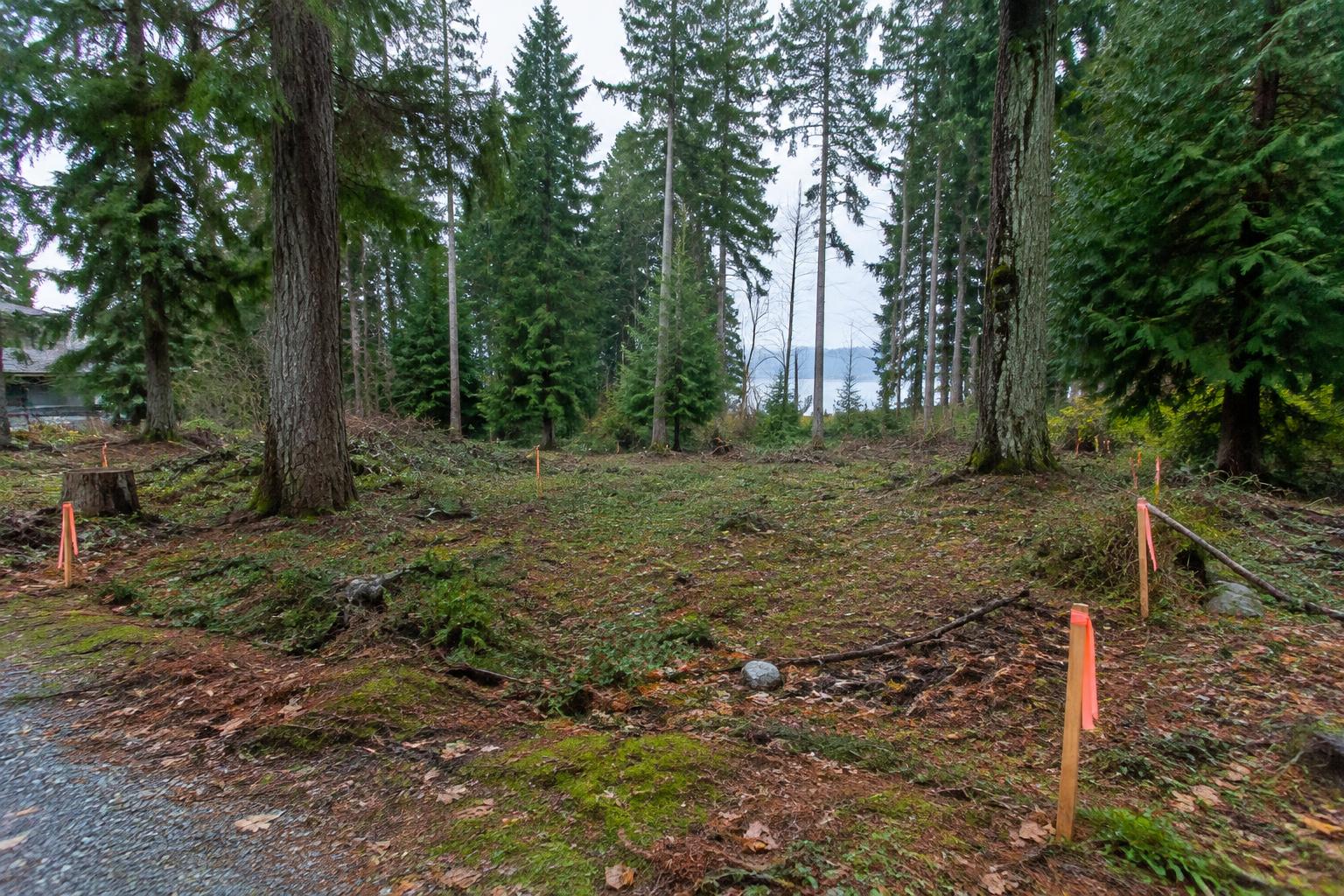
Before you buy land in Washington, confirm four things in writing: the parcel is a legal lot (created through a recorded plat, short plat or exemption under RCW 58.17), it has legal and physical access, it has a water source (public water letter or a well that fits state water rules), and it can handle wastewater (sewer availability or a passing soil evaluation for a septic design — the "perc test"). Then check zoning setbacks and critical areas such as wetlands, streams and steep slopes, which can shrink the buildable footprint. Write a feasibility contingency long enough to get these answers; a low price does not help if the lot cannot be permitted.
4
Must-confirm items: legal lot, access, water, wastewater
1 contingency
A written feasibility period protects your earnest money while you check
2 paths
Raw land (no utilities) vs improved land (utilities at the lot line)
Questions this hub answers
- buying land in washington state
- buying vacant land
- how to buy land to build a house
- perc test
- raw land vs improved land
- buying land vs buying a house
- how to check if land is buildable
Six checks before you buy a lot
- 01
Confirm legal lot status
Ask the seller for the recorded plat or short plat, or request a lot status determination from the county or city. A parcel number alone does not prove the lot can be built on.
- 02
Verify access
Check that the lot touches a public road or has a recorded easement. A dirt track across a neighbour's land without a recorded easement is not legal access.
- 03
Find the water source
In a water district, ask for a water availability letter. If you will drill a well, confirm the plan fits Washington Department of Ecology water rules and local well requirements.
- 04
Test for wastewater
Where sewer is not available, a licensed designer performs a soil evaluation (the perc test) and designs a septic system for local health approval. Soil results decide the system type and cost.
- 05
Map critical areas and zoning
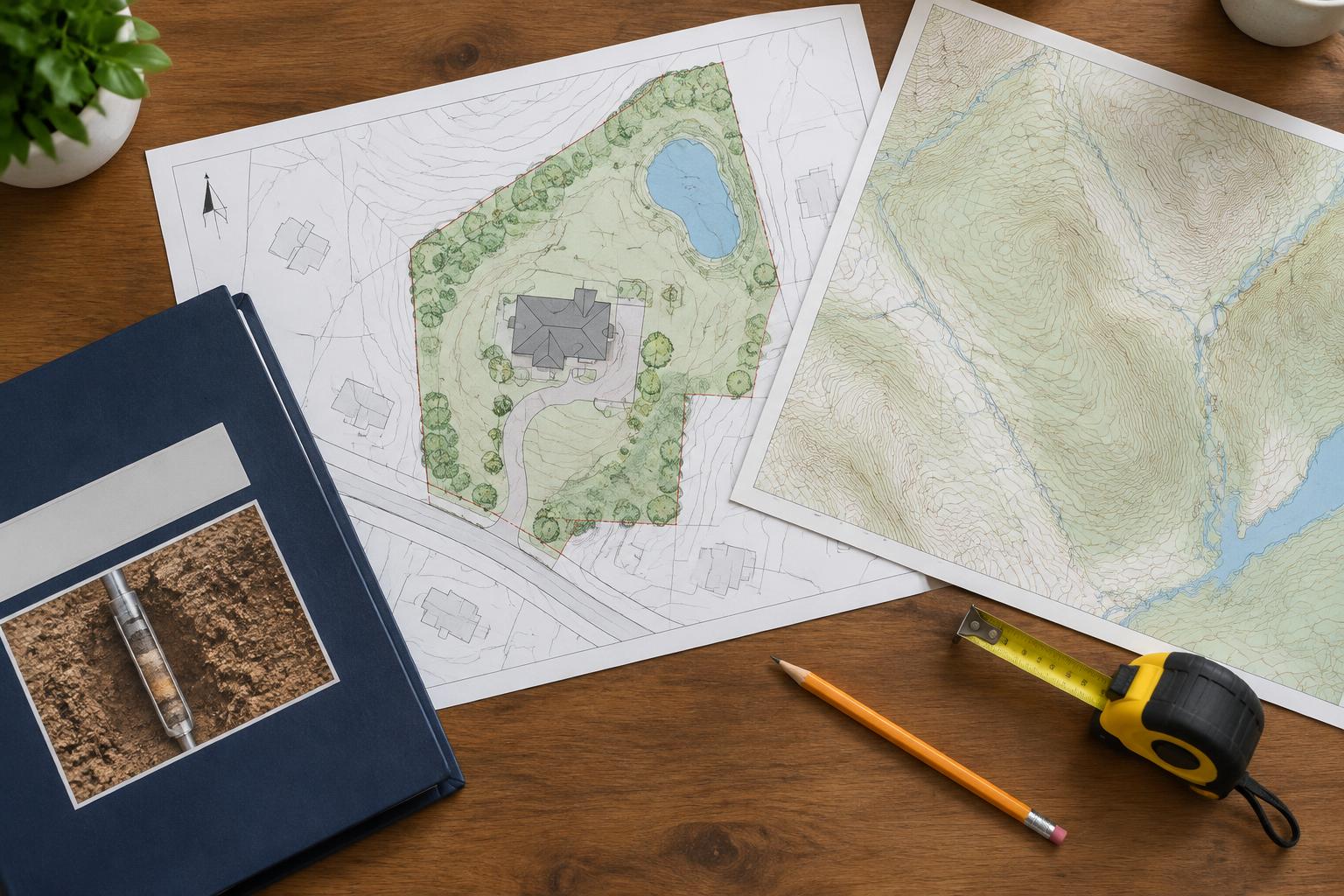
Use the county parcel viewer (King County iMap) to look for wetlands, streams, steep slopes and flood areas, then confirm setbacks with the permitting office. Buffers can cut the usable area sharply.
- 06
Price utilities and financing
Get quotes for power, water or well, septic or sewer connection and driveway. Land loans usually need a larger down payment than home loans; ask lenders early or plan a construction-to-permanent loan.
Raw land, improved land or an existing house?
| Factor | Raw land | Improved lot | Existing house |
|---|---|---|---|
| Utilities | None — you bring power, water and wastewater | At or near the lot line | Connected |
| Biggest unknown | Whether it can be permitted at all | Setbacks, design review and build cost | Condition of the house |
| Typical financing | Land loan or cash; larger down payment | Lot or construction loan | Standard mortgage |
| Time to move in | Longest: studies, permits, build | Permits and build | At closing |
| Key due diligence | Legal lot, access, water, perc test, critical areas | Zoning, utility fees, HOA or covenants | Inspection, Form 17 disclosure |
Checklist
Land due-diligence checklist
- Recorded plat, short plat or lot status determination
- Title report reviewed for easements, covenants and access
- Water availability letter or well plan
- Sewer availability or soil evaluation for septic
- Critical areas map check (wetlands, streams, slopes, flood)
- Zoning setbacks and maximum lot coverage confirmed
- Utility and driveway quotes
- Survey with corners marked
- Lender pre-approval for a land or construction loan
- Feasibility contingency dates on the calendar
Buying land FAQ
What is a perc test and do I need one?
A perc (percolation) test or soil evaluation measures how well soil absorbs water. If the lot has no public sewer, a septic system must be designed from these results and approved by the local health department before a building permit is issued.
Is buying land cheaper than buying a house?
The purchase price is usually lower, but utilities, studies, permits and construction are added on top, and land loans often need a larger down payment. Compare the total cost to move in, not just the lot price.
What does "unapproved" or "not buildable" land mean?
It usually means the parcel was not created as a legal lot, lacks access, water or a septic solution, or is mostly covered by critical-area buffers. Such land may still be sold, but a building permit may not be available.
How long should my feasibility period be?
Long enough to receive the soil evaluation, water letter and a pre-application answer from the permitting office. Ask the designer and permitting office for current timelines before you sign.
Sources
Last checked October 29, 2026. Official sources for the key rules on this page; they describe general rules, and your contract, lender, tax adviser and each agency's current tools control your specific case.
Related guides
Related
Selling an older home to a builder
The seller's side of land value and zoning.
Related
Splitting a double lot before selling
How short plats create new legal lots.
Related
Property easements and restrictions
Reading access and utility easements on title.
Related
Flood zone and water risk
Checking flood maps before you commit.
Related
New construction vs existing home
When building is worth the wait.
Other topic guides

Family transfers
Gift of equity and selling a home to a family member in Washington.

Title & closing
Selling a house with a lien in Bellevue and Greater Seattle.
Land value
Selling an older Eastside home to a builder: land value vs. retail sale.

Visa & foreign buyers
Buying a home in Bellevue as a foreign national or visa holder.

Tech relocation
Moving to Bellevue for a tech job: rent first or buy now?

Schools & addresses
Buying by school assignment in the Bellevue School District.

Waterfront & unique homes
How to price a waterfront or one-of-a-kind home.

Listing problems
How to cancel a listing agreement and change agents.

Building & financing
Construction loans for self-employed and small business owners.

Land & lot value
Should you split a double lot before selling it?

Water & site risk
Flood zone, creek and drainage checks before you buy.

Landlords & investors
Selling a rental property to your current tenant.

Choosing an agent
How to choose a real estate agent in Seattle and on the Eastside.

Interview & review
Questions to ask before hiring — and how to tell if your agent is doing a good job.
Fees & commission
Who pays realtor fees in Washington — and what an agent actually keeps.

First-time buyers
Buying your first home in Washington State — including without a US credit history.

Home value
How to get an accurate home value estimate in Bellevue, Redmond and West Bellevue.
Investment property
Buying an investment property on the Eastside: returns, rules and the numbers to run.

Listing presentation
Staging and listing photos: virtual staging, AI edits and what buyers trust.
Stalled listings
Your house is not selling: what to change, and whether to pause the listing.
Seller options
Instant cash offer vs listing your home: how to compare them properly.
Due diligence
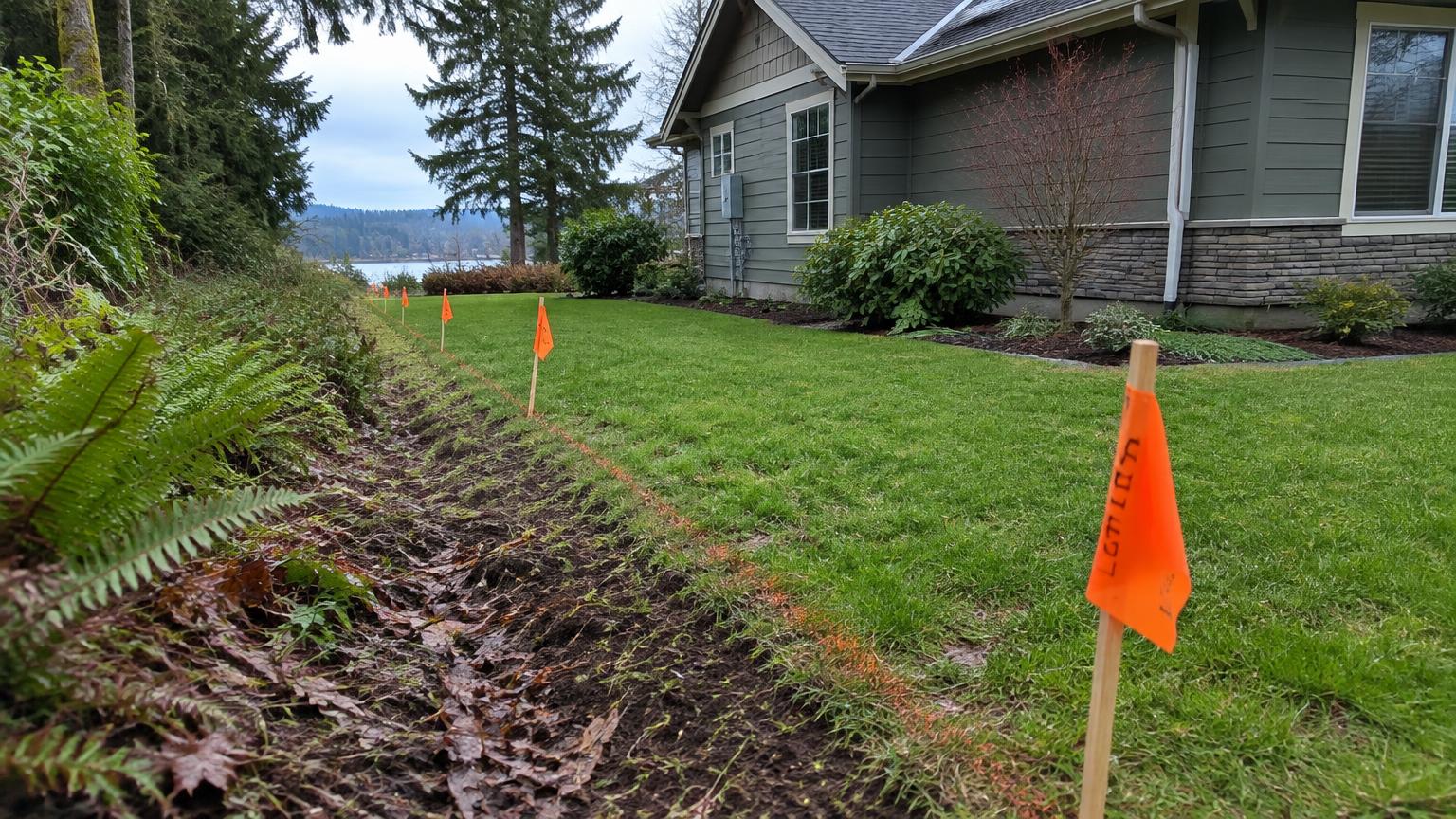
Easements, shared driveways and recorded restrictions: check before you buy.

Buyer strategy
Competing with all-cash offers as a financed buyer on the Eastside.

List price strategy
Pricing below market, offer review dates and how many showings to expect.

Offers and negotiation
What counts as a low-ball offer — and how to counter without losing the deal.
Inspection negotiation
Home inspection negotiation in Washington: repair requests, credits and difficult sellers.
Solar homes
Buying a house with solar panels: owned vs leased, transfers and price drops.

Selling while living there
Selling a house while living in it: showings, kids, pets and the stress of selling.

Buying and selling at the same time
Home sale contingencies in Washington: buying a house contingent on selling yours.

Contract cancellation
Can you back out of buying a house before closing in Washington?
Seller disclosure
Washington's Form 17 seller disclosure: what buyers and sellers need to know.
Structural risk
Buying a house with foundation issues in the Seattle area: risks, inspections and negotiation.

Mortgage options
Alternatives to a 30-year fixed mortgage for Washington buyers.
Property type decision
Condo vs single-family home: which holds up better as a long-term investment on the Eastside?

Rankings & best-of lists
Best places to live in the Seattle area, ranked — and how to read every ranking.
Selling an inherited home
Selling a parent's house in probate in Washington: authority, taxes and timing.

Concessions & credits
Seller concessions and seller credits: limits, price reduction vs credit, and repair trade-offs.
Permits & unpermitted additions
Buying a house with unpermitted work in Seattle and the Eastside: how to check permits and price the risk.
Final walkthrough
Final walkthrough checklist for Washington buyers — resale homes and new construction.
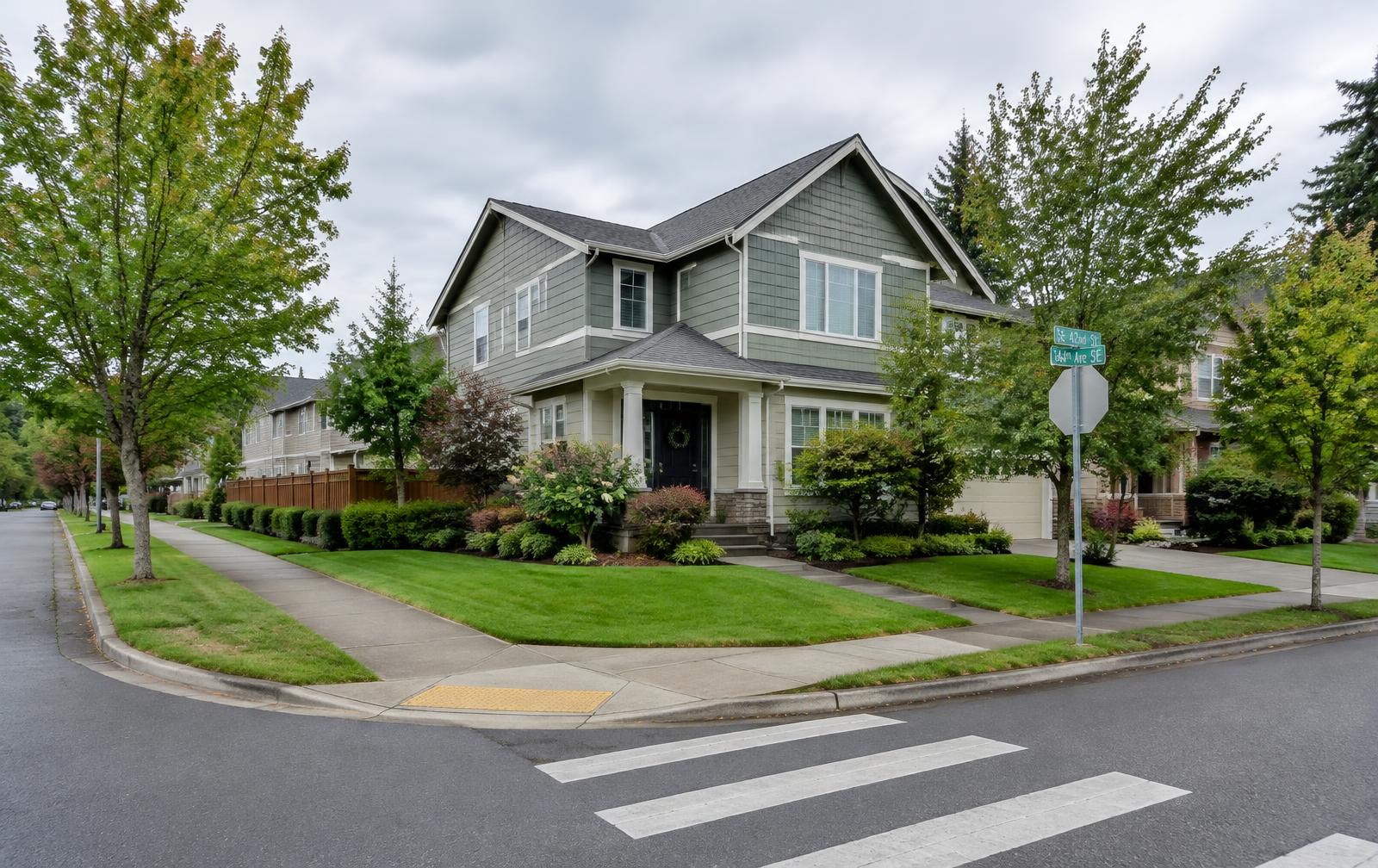
Lot & location trade-offs
Corner lot pros and cons, and living near a school: what Seattle-area buyers should weigh.

ADUs & backyard cottages
Financing an ADU or backyard cottage when your home still has a mortgage.

Real estate vs other assets
Real estate vs stocks: liquidity, leverage and taxes for Washington owners.
Market risk explained
Will the Seattle housing market crash? The economic signals that actually matter.
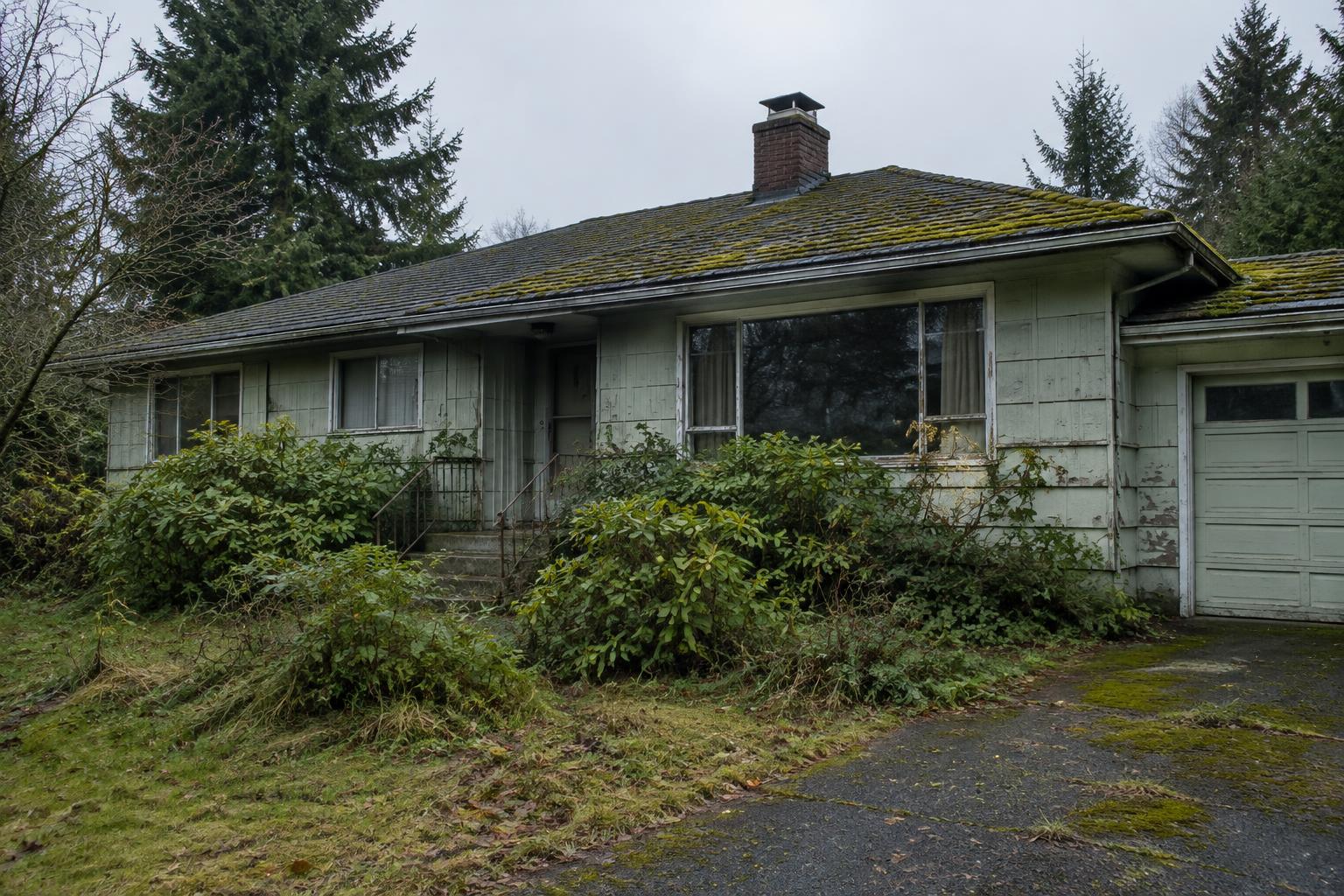
Selling a house that needs work
Selling a house as-is in Washington: what "as-is" does and does not mean.

Selling timeline
How long does it take to sell a house in Seattle? A stage-by-stage timeline.
Related articles
Looking at a lot and not sure it is buildable?
Send us the parcel number. We will pull the title, plat and map layers, list what still needs a professional study, and help you write a feasibility period that fits.
Check a lot with us