
HOA fees
HOA fees on a condo or townhouse: what they cover and when they are too high.
A monthly HOA fee is part of your housing cost in the same way a mortgage payment is. A low fee can mean a careful association — or one that is not saving for the roof. A high fee can mean waste — or one that already covers water, insurance and a staffed building. This hub shows how to read the documents that tell the difference before you commit.
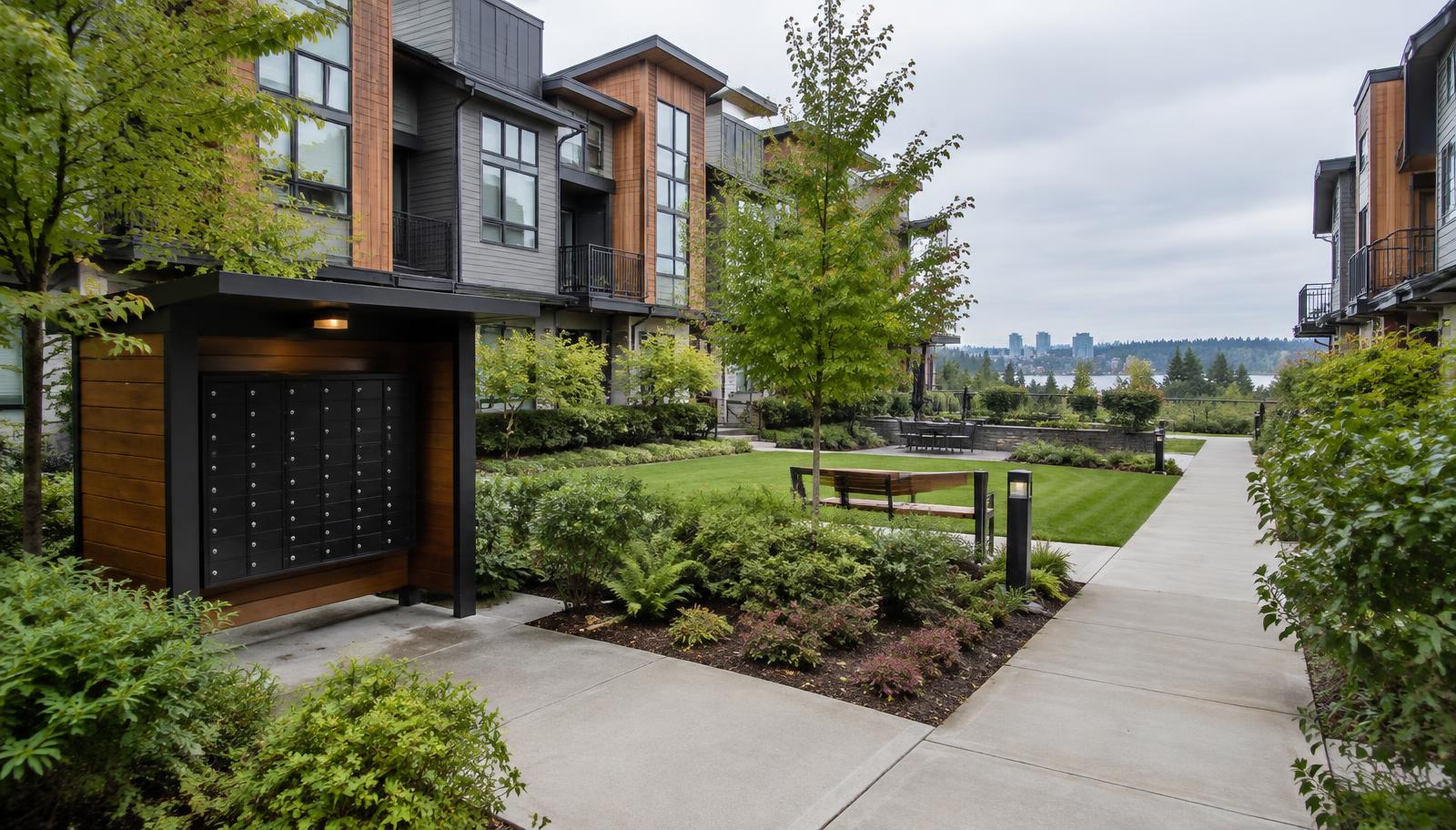
Quick answer
There is no "normal" HOA fee: it depends on what the association pays for (building insurance, water and sewer, garbage, elevators, staff, amenities) and how much it saves for future repairs. Before you buy, read the association budget, the most recent reserve study and the resale certificate. A fee is too high only if it is high for what it covers; a fee is too low if the reserve study shows the association is not funding major repairs, which raises the chance of a special assessment. When you compare owning with renting, compare mortgage + HOA + property tax + your own insurance against rent — your lender will count the HOA dues in your debt-to-income ratio too.
3 documents
Budget, reserve study and resale certificate show whether the fee is sustainable
Every 3 years
Washington associations covered by the reserve-study statute update the study, with a site visit
DTI
Lenders count HOA dues in your monthly debt-to-income ratio
Questions this hub answers
- how much are hoa fees
- what do hoa fees cover
- are hoa fees worth it
- condo hoa fees vs townhouse hoa fees
- hoa special assessment
- condo reserve study
- high hoa fees vs rent cost comparison
Five checks before you accept an HOA fee
- 01
List what the fee pays for
Ask which utilities, insurance and services are included. A condo fee that covers the master insurance policy, water, sewer and garbage is not comparable with a townhouse fee that covers only landscaping.
- 02
Read the budget line by line
Look at the share going to reserves, insurance and management. A sudden jump in the insurance line is common in older buildings and often precedes a fee increase.
- 03
Open the reserve study
The study lists major components (roof, siding, elevators, paving), their remaining life and the cash needed. Compare the reserve balance with the study's recommendation.
- 04
Ask about special assessments
Check the resale certificate and board minutes for approved or discussed assessments, pending litigation and planned projects such as envelope repairs.
- 05
Compare with rent honestly
Add mortgage, HOA, property tax and an HO-6 or homeowner policy, then subtract nothing you cannot verify. Compare that monthly figure with rent for a similar home.
Condo vs townhouse HOA: what usually differs
| Item | Condo | Townhouse (HOA) | Why it matters |
|---|---|---|---|
| Building insurance | Usually in the master policy | Often your own policy | Changes what your personal insurance must cover |
| Roof and siding | Association repairs from reserves | Varies: association or owner | Decides who pays the largest future bills |
| Utilities in fee | Often water, sewer, garbage | Often none or garbage only | Affects the fee-vs-rent comparison |
| Rental rules | Leasing caps are common | Fewer limits, but check | Matters if you may rent it out later |
| Special assessment risk | Higher in older buildings with envelope work | Lower if owners maintain exteriors | Read the reserve study either way |

Checklist
HOA document checklist
- Current year budget and last year's actual spending
- Most recent reserve study and reserve balance
- Resale certificate from the association
- Declaration, bylaws and rules (pets, rentals, parking)
- Board minutes for the last 12 months
- Master insurance policy summary and deductible
- Any approved or proposed special assessments
- Pending litigation disclosure
HOA fees FAQ
Are high HOA fees always bad?
No. A higher fee that includes insurance, utilities and a well-funded reserve can cost less in total than a low fee followed by a special assessment. Judge the fee against what it covers and the reserve study.
What is a special assessment?
A one-time charge the association levies on owners when reserves cannot cover a repair or cost. The declaration and Washington law set how it is approved and allocated; ask the seller and the association whether any are planned.
Can HOA fees go up after I buy?
Yes. The board adopts a budget each year and owners have a ratification process under Washington's community association statutes. Rising insurance and deferred repairs are the most common reasons.
Do HOA fees affect how much I can borrow?
Yes. Lenders add the monthly HOA dues to your housing payment when calculating your debt-to-income ratio, so a high fee lowers the loan amount you qualify for.
Sources
Last checked November 13, 2026. Official sources for the key rules on this page; they describe general rules, and your contract, lender, tax adviser, association documents and each agency's current rules control your specific case.
Related guides
Related
HOA reserve study explained
How to read the reserve study in detail.
Related
Condo vs single-family home
Ownership type and long-term value.
Related
Rent out or sell your condo
When HOA rules limit renting.
Related
Buying in a new development
Builder-controlled HOAs and turnover.
Related
First-time home buyer in Washington
Budgeting the full monthly payment.
Other topic guides

Family transfers
Gift of equity and selling a home to a family member in Washington.

Title & closing
Selling a house with a lien in Bellevue and Greater Seattle.
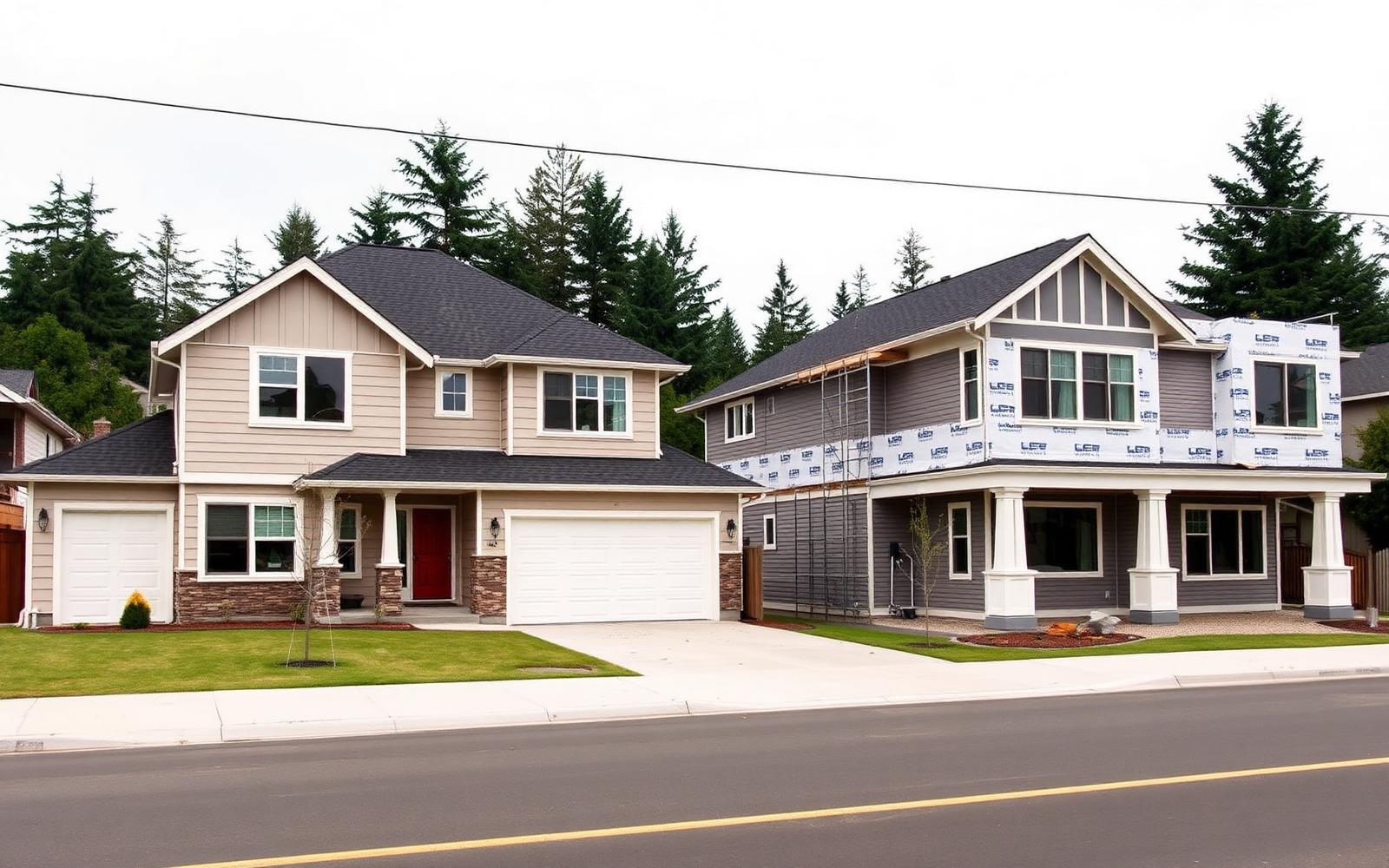
Land value
Selling an older Eastside home to a builder: land value vs. retail sale.

Visa & foreign buyers
Buying a home in Bellevue as a foreign national or visa holder.

Tech relocation
Moving to Bellevue for a tech job: rent first or buy now?

Schools & addresses
Buying by school assignment in the Bellevue School District.

Waterfront & unique homes
How to price a waterfront or one-of-a-kind home.

Listing problems
How to cancel a listing agreement and change agents.

Building & financing
Construction loans for self-employed and small business owners.

Land & lot value
Should you split a double lot before selling it?

Water & site risk
Flood zone, creek and drainage checks before you buy.

Landlords & investors
Selling a rental property to your current tenant.

Choosing an agent
How to choose a real estate agent in Seattle and on the Eastside.

Interview & review
Questions to ask before hiring — and how to tell if your agent is doing a good job.

Fees & commission
Who pays realtor fees in Washington — and what an agent actually keeps.

First-time buyers
Buying your first home in Washington State — including without a US credit history.

Home value
Home value estimates for Bellevue and Redmond sellers: compare the evidence.
Investment property
Buying an investment property on the Eastside: returns, rules and the numbers to run.

Listing presentation
Staging and listing photos: virtual staging, AI edits and what buyers trust.
Stalled listings
Your house is not selling: what to change, and whether to pause the listing.

Seller options
Instant cash offer vs listing your home: how to compare them properly.
Due diligence
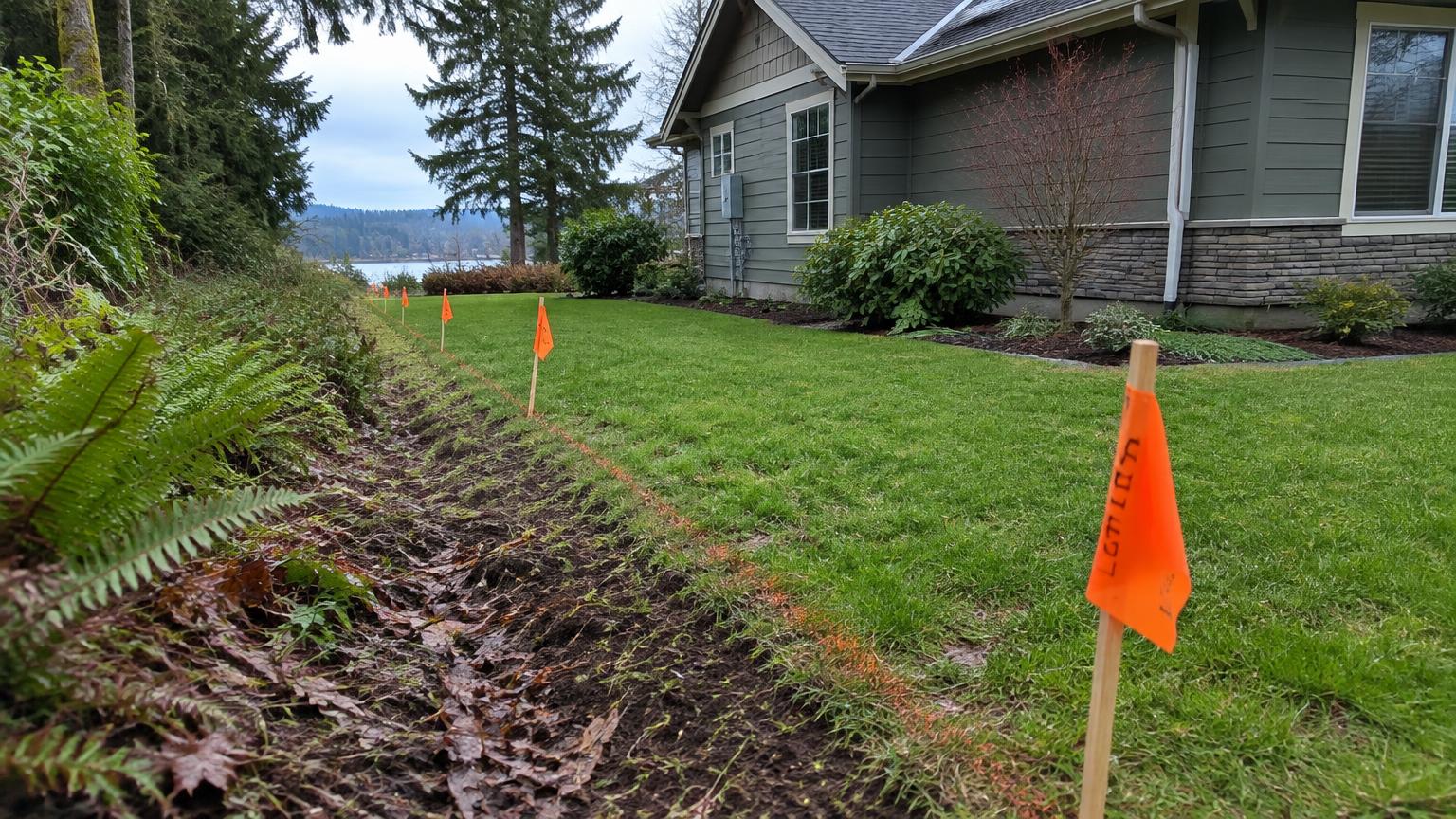
Easements, shared driveways and recorded restrictions: check before you buy.

Buyer strategy
Competing with all-cash offers as a financed buyer on the Eastside.

List price strategy
Pricing below market, offer review dates and how many showings to expect.

Offers and negotiation
What counts as a low-ball offer — and how to counter without losing the deal.
Inspection negotiation
Home inspection negotiation in Washington: repair requests, credits and difficult sellers.

Solar homes
Buying a house with solar panels: owned vs leased, transfers and price drops.

Selling while living there
Selling a house while living in it: showings, kids, pets and the stress of selling.

Buying and selling at the same time
Home sale contingencies in Washington: buying a house contingent on selling yours.

Contract cancellation
Can you back out of buying a house before closing in Washington?
Seller disclosure
Washington's Form 17 seller disclosure: what buyers and sellers need to know.
Structural risk
Buying a house with foundation issues in the Seattle area: risks, inspections and negotiation.

Mortgage options
Alternatives to a 30-year fixed mortgage for Washington buyers.
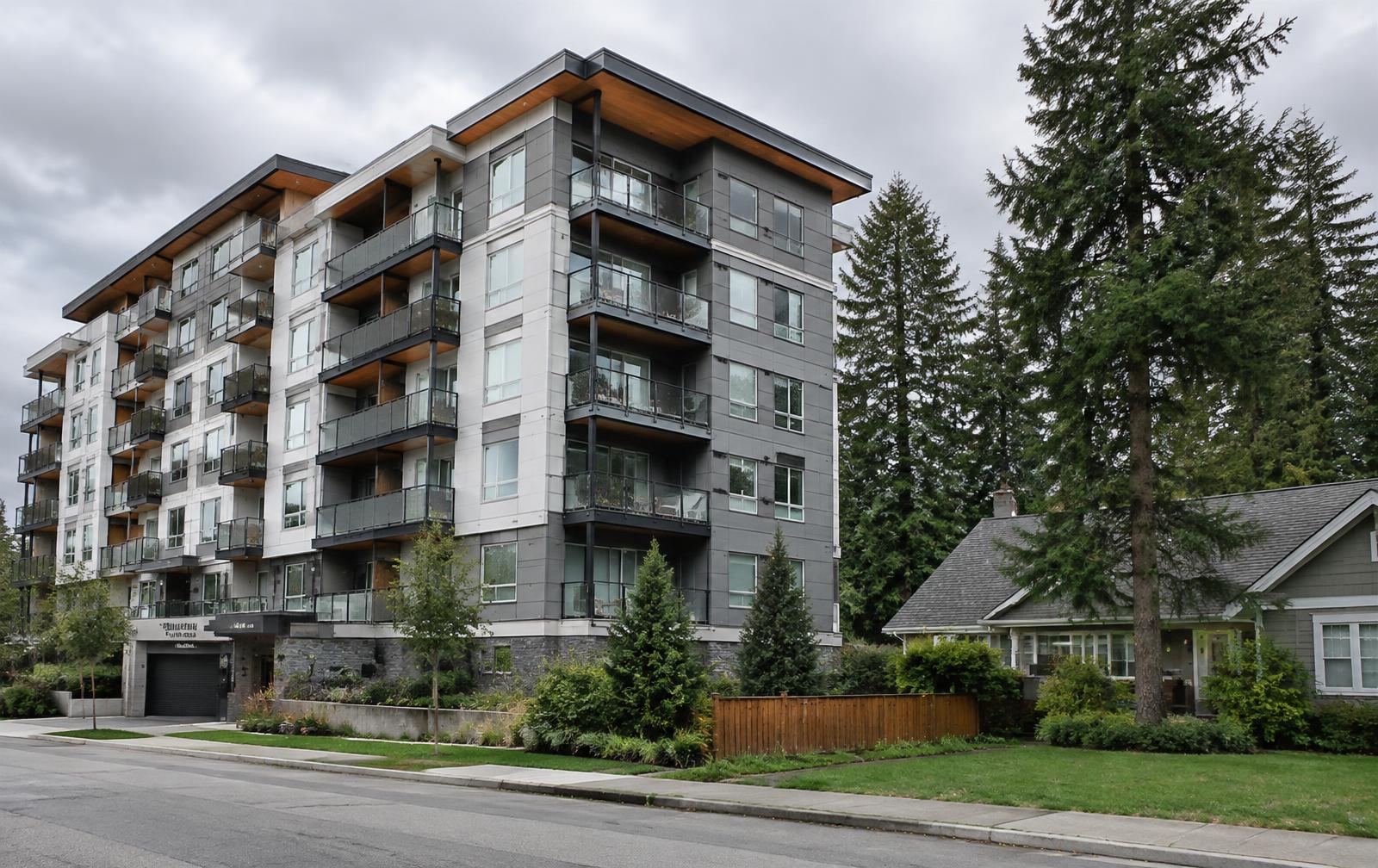
Property type decision
Condo vs single-family home: which holds up better as a long-term investment on the Eastside?

Rankings & best-of lists
Best places to live in the Seattle area, ranked — and how to read every ranking.

Selling an inherited home
Selling a parent's house in probate in Washington: authority, taxes and timing.

Concessions & credits
Seller concessions and seller credits: limits, price reduction vs credit, and repair trade-offs.
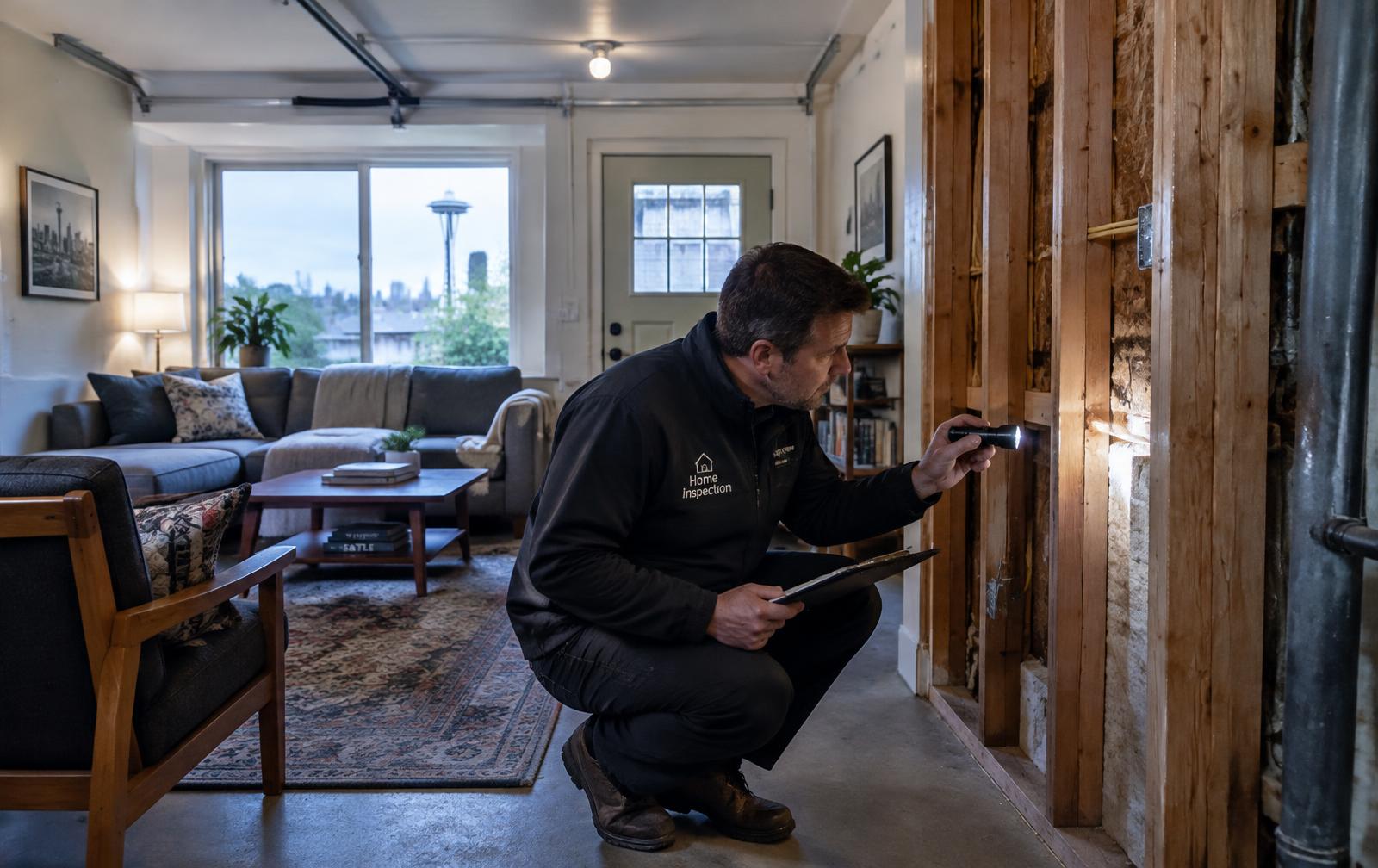
Permits & unpermitted additions
Buying a house with unpermitted work in Seattle and the Eastside: how to check permits and price the risk.

Final walkthrough
Final walkthrough checklist for Washington buyers — resale homes and new construction.
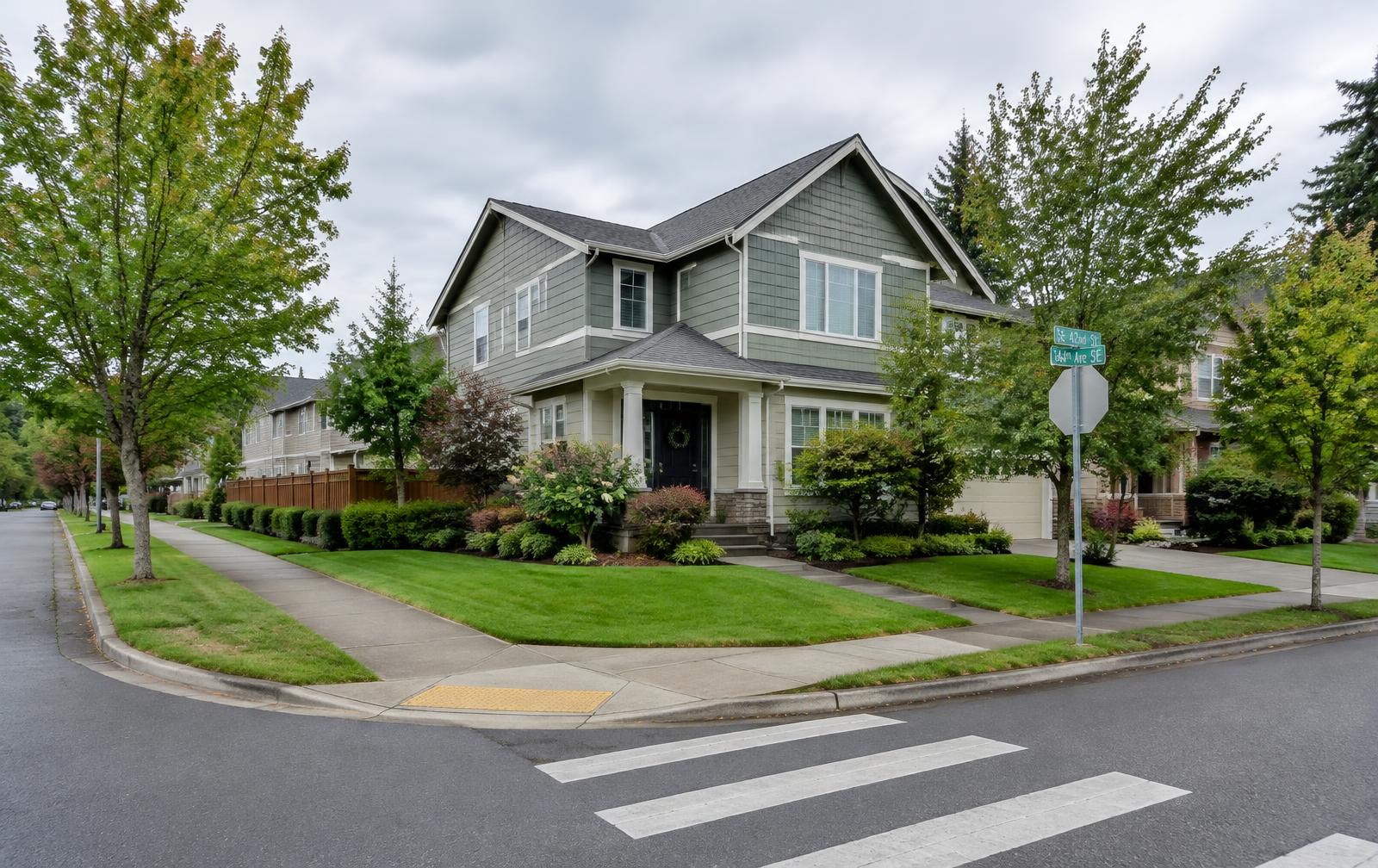
Lot & location trade-offs
Corner lot pros and cons, and living near a school: what Seattle-area buyers should weigh.

Buying land
Buying land to build a house in Washington: is the lot really buildable?

ADUs & backyard cottages
Financing an ADU or backyard cottage when your home still has a mortgage.

Real estate vs other assets
Real estate vs stocks: liquidity, leverage and taxes for Washington owners.

Market risk explained
Will the Seattle housing market crash? The economic signals that actually matter.
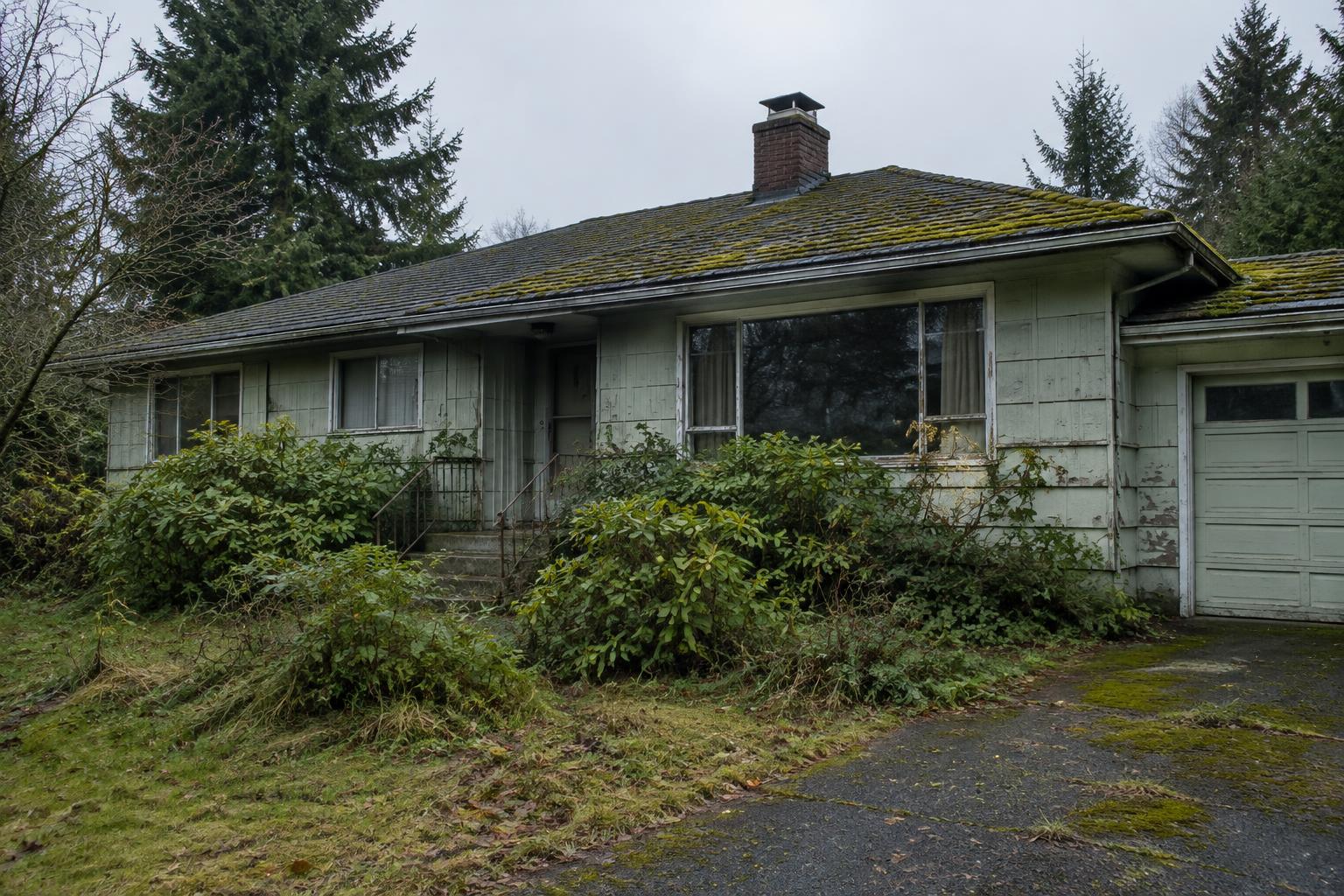
Selling a house that needs work
Selling a house as-is in Washington: what "as-is" does and does not mean.

Selling timeline
How long does it take to sell a house in Seattle? A stage-by-stage timeline.
Rent or sell
Should you rent out your home or sell it when you move?
WDO inspection
WDO and termite inspections when buying a home in Washington.

Pay off or invest
Pay off your mortgage early or buy a rental property?
New developments
Buying in a new development or next to one: what to check first.
Short-term rentals
Buying next to short-term rentals in Seattle: rules, comps and quality of life.
Related articles
Looking at a condo or townhouse with a fee you are unsure about?
Send us the listing. We will request the budget, reserve study and resale certificate, flag assessment risk and lay the true monthly cost next to comparable rents.
Review an HOA with us