
Short-term rentals
Buying next to short-term rentals in Seattle: rules, comps and quality of life.
A street with several Airbnb or VRBO units feels different from one where everyone lives year-round: more turnover, unfamiliar cars, and sometimes noise. For a buyer the questions are practical — how many are nearby, are they licensed, can the HOA or city limit them, and do they affect what your home will appraise for. This hub collects those checks.
Quick answer
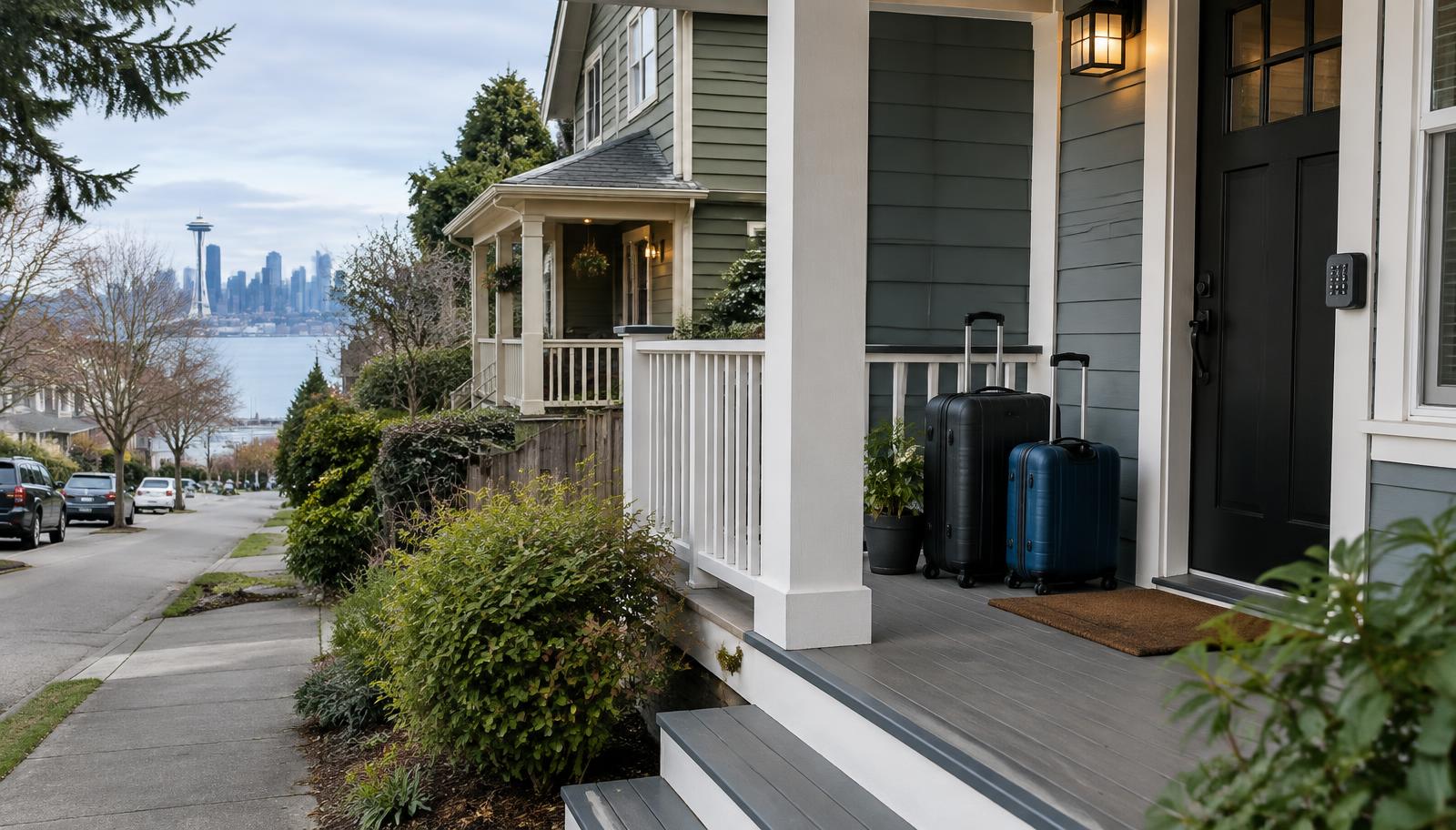
Nearby short-term rentals do not enter a residential appraisal as rental income — appraisers compare sales of similar homes — so their direct effect on your comps is usually indirect, through what buyers are willing to pay to live on that street. The bigger issues are quality of life and rules. In Seattle, short-term rental operators need a city short-term rental operator license and a business license, and the city limits how many units one operator can run. Washington law also sets duties for short-term rental operators (RCW 64.37). If you are buying in an HOA, read the declaration: associations can restrict rentals through the process the statutes allow. Walk the street at different times and ask the seller what they know about neighbouring rentals.
Sales comps
Residential appraisals compare home sales, not nightly rental income
City license
Seattle requires a short-term rental operator license plus a business license
RCW 64.37
Washington's short-term rental statute sets operator duties statewide
Questions this hub answers
- how do short term rentals affect home value comps
- living next to an airbnb
- airbnb next door
- airbnb rules seattle
- short term rental regulations
- can an hoa ban short term rentals
- buying a house near vacation rentals
Checking a street for short-term rentals
- 01
Count the nearby listings
Search the major booking sites around the address. Note how many whole-home rentals are within a few houses and on shared walls.
- 02
Check licensing
In Seattle, licensed operators display a license number on their listing; you can raise unlicensed activity with the city. Other Eastside cities have their own rules — check with the city where the home is.
- 03
Read HOA documents
Look for leasing minimums, short-term rental bans and how they can be amended. Ask the association how they are enforced.
- 04
Visit at peak times
Walk the street on a Friday or Saturday evening and during summer if you can. Talk to neighbours.
- 05
Ask about comps
Ask your agent which recent sales are truly comparable and whether homes next to known rentals sold differently. Look at evidence, not assumptions.
What short-term rentals nearby can change
| Area | Possible effect | How to check |
|---|---|---|
| Daily life | More turnover, parking, noise | Visit at weekends; talk to neighbours |
| Appraisal | Indirect, through buyer demand | Review recent comparable sales |
| Rules | City licensing and limits | Seattle operator license lookup / city code |
| HOA buildings | Shared-wall impact, wear on common areas | Declaration and rental rules |
| Your own plans | Whether you could rent short-term later | City rules and HOA limits |
Checklist
Short-term rental checklist
- Nearby whole-home listings counted
- Seattle license numbers checked on listings, if in Seattle
- City short-term rental rules for non-Seattle addresses
- HOA declaration rental and leasing clauses
- Weekend and evening visit completed
- Neighbour conversation notes
- Comparable sales reviewed with your agent
- Seller asked about known issues with neighbouring rentals
Short-term rentals FAQ
Do short-term rentals lower nearby home values?
There is no single answer. Appraisers use comparable sales, so any effect shows up through what buyers pay. Concentrations of rentals can deter some buyers and attract others; look at local sales evidence.
What are Seattle's short-term rental rules?
Seattle requires operators to hold a short-term rental operator license and a city business license, and limits how many units one operator can run. Check the city's current rules, which can change.
Can an HOA ban short-term rentals in Washington?
Associations can restrict rentals through their declaration and the amendment process set by Washington's community association statutes. Read the current documents and ask whether any changes are pending.
What can I do about a problem rental next door?
Start with the operator or platform contact, then the HOA if there is one. In Seattle you can report noise or licensing concerns to the city.
Sources
Last checked November 13, 2026. Official sources for the key rules on this page; they describe general rules, and your contract, lender, tax adviser, association documents and each agency's current rules control your specific case.
Related guides
Related
Buying in a new development
Another way your surroundings change value.
Related
HOA fees on a condo or townhouse
Reading rental rules in HOA documents.
Related
Corner lot and living near a school
Location trade-offs on a street.
Related
Rent out or sell your home
If you are the one considering renting.
Related
Home value estimates for Eastside sellers
How comps are chosen.
Other topic guides

Family transfers
Gift of equity and selling a home to a family member in Washington.

Title & closing
Selling a house with a lien in Bellevue and Greater Seattle.
Land value
Selling an older Eastside home to a builder: land value vs. retail sale.

Visa & foreign buyers
Buying a home in Bellevue as a foreign national or visa holder.
Tech relocation
Moving to Bellevue for a tech job: rent first or buy now?

Schools & addresses
Buying by school assignment in the Bellevue School District.

Waterfront & unique homes
How to price a waterfront or one-of-a-kind home.

Listing problems
How to cancel a listing agreement and change agents.

Building & financing
Construction loans for self-employed and small business owners.

Land & lot value
Should you split a double lot before selling it?

Water & site risk
Flood zone, creek and drainage checks before you buy.

Landlords & investors
Selling a rental property to your current tenant.

Choosing an agent
How to choose a real estate agent in Seattle and on the Eastside.

Interview & review
Questions to ask before hiring — and how to tell if your agent is doing a good job.
Fees & commission
Who pays realtor fees in Washington — and what an agent actually keeps.

First-time buyers
Buying your first home in Washington State — including without a US credit history.

Home value
Home value estimates for Bellevue and Redmond sellers: compare the evidence.
Investment property
Buying an investment property on the Eastside: returns, rules and the numbers to run.
Listing presentation
Staging and listing photos: virtual staging, AI edits and what buyers trust.
Stalled listings
Your house is not selling: what to change, and whether to pause the listing.
Seller options
Instant cash offer vs listing your home: how to compare them properly.
Due diligence
Easements, shared driveways and recorded restrictions: check before you buy.
Buyer strategy
Competing with all-cash offers as a financed buyer on the Eastside.

List price strategy
Pricing below market, offer review dates and how many showings to expect.

Offers and negotiation
What counts as a low-ball offer — and how to counter without losing the deal.
Inspection negotiation
Home inspection negotiation in Washington: repair requests, credits and difficult sellers.
Solar homes
Buying a house with solar panels: owned vs leased, transfers and price drops.

Selling while living there
Selling a house while living in it: showings, kids, pets and the stress of selling.

Buying and selling at the same time
Home sale contingencies in Washington: buying a house contingent on selling yours.

Contract cancellation
Can you back out of buying a house before closing in Washington?
Seller disclosure
Washington's Form 17 seller disclosure: what buyers and sellers need to know.
Structural risk
Buying a house with foundation issues in the Seattle area: risks, inspections and negotiation.

Mortgage options
Alternatives to a 30-year fixed mortgage for Washington buyers.
Property type decision
Condo vs single-family home: which holds up better as a long-term investment on the Eastside?

Rankings & best-of lists
Best places to live in the Seattle area, ranked — and how to read every ranking.

Selling an inherited home
Selling a parent's house in probate in Washington: authority, taxes and timing.

Concessions & credits
Seller concessions and seller credits: limits, price reduction vs credit, and repair trade-offs.
Permits & unpermitted additions
Buying a house with unpermitted work in Seattle and the Eastside: how to check permits and price the risk.
Final walkthrough
Final walkthrough checklist for Washington buyers — resale homes and new construction.
Lot & location trade-offs
Corner lot pros and cons, and living near a school: what Seattle-area buyers should weigh.

Buying land
Buying land to build a house in Washington: is the lot really buildable?

ADUs & backyard cottages
Financing an ADU or backyard cottage when your home still has a mortgage.

Real estate vs other assets
Real estate vs stocks: liquidity, leverage and taxes for Washington owners.
Market risk explained
Will the Seattle housing market crash? The economic signals that actually matter.
Selling a house that needs work
Selling a house as-is in Washington: what "as-is" does and does not mean.

Selling timeline
How long does it take to sell a house in Seattle? A stage-by-stage timeline.
HOA fees
HOA fees on a condo or townhouse: what they cover and when they are too high.
Rent or sell
Should you rent out your home or sell it when you move?
WDO inspection
WDO and termite inspections when buying a home in Washington.

Pay off or invest
Pay off your mortgage early or buy a rental property?
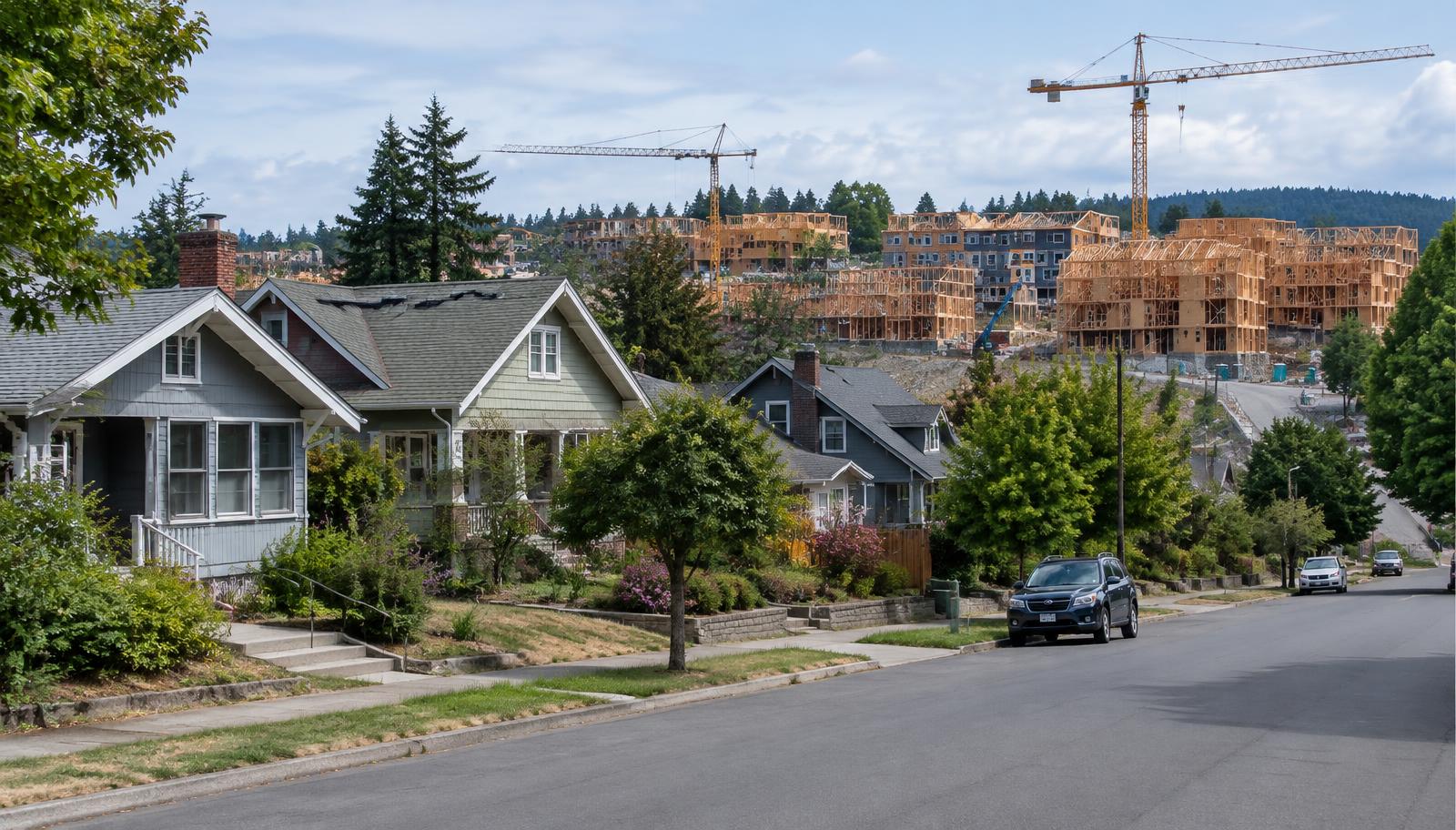
New developments
Buying in a new development or next to one: what to check first.
Related articles
Worried about rentals on a street you like?
Send us the address. We will check nearby listings and HOA rules and pull the comparable sales so you can judge the street with real information.
Check a street with us