Short answer: Buying land to build in Washington is a buy-then-prove process. Put the lot under contract with a feasibility contingency, use that window to confirm zoning, critical areas, legal access, water and sewer or septic, and get a builder and lender to price the project before you remove the contingency. The price of the dirt is only the first line of the budget.
Many buyers who want a custom home start by searching for land, then discover that two lots with the same asking price can lead to very different total costs. One may have sewer at the street and a recorded access easement; the other may need a well, a septic design and a long driveway through a wetland buffer. This guide walks through the order of work for buying land in Washington state so you can find those differences while you still have the right to walk away.
Step 1: Decide what you need the land to do
Before you tour lots, write down the house you want to build: approximate size, number of stories, whether you need a garage or shop, and whether you want to live there within two years or hold the land. That short brief is what you will test every lot against. A lot is only "a good deal" if it can legally and practically carry that house within your budget.
For each parcel, separate three decisions: whether the location fits your plans, whether the land can support the intended development, and whether the full acquisition and construction budget is affordable. Prior permits or plat records are evidence to investigate, not proof that approvals remain valid. Ask the jurisdiction to confirm expiration, conditions and the scope of any new review.
Step 2: Check the parcel in public records before you offer
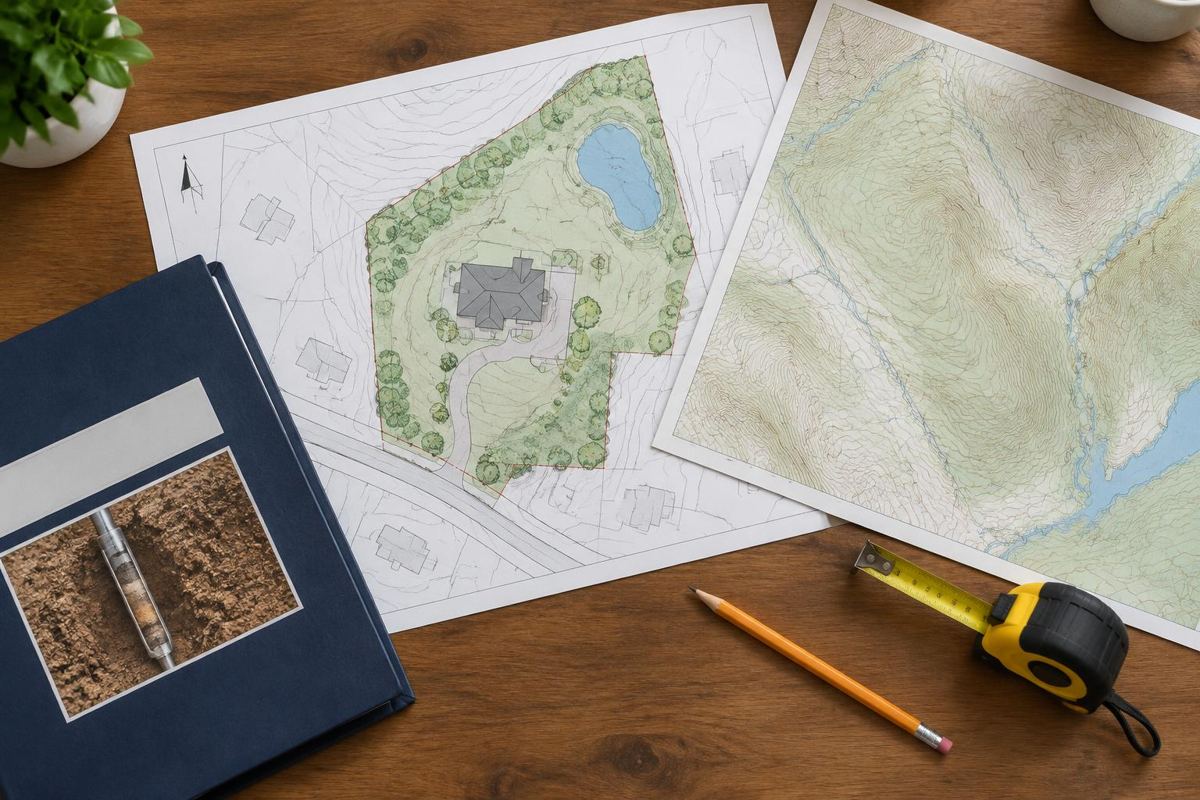
In King County, the free King County iMap and the Assessor's eReal Property page let you look up a parcel's zoning, lot size, assessed value, sensitive-area layers and nearby utilities. Other counties have similar GIS viewers. These maps are a screening tool, not a final answer, but they quickly show red flags such as a mapped stream, steep slope, landslide hazard area or flood zone.
Next, confirm which jurisdiction controls the lot. Land inside a city follows that city's zoning code; unincorporated land follows the county code. Under Washington's Growth Management Act (RCW 36.70A), urban growth areas are where urban-density housing and sewer service are planned; rural land outside them usually has larger minimum lot sizes and more often depends on wells and septic systems.
Step 3: Write the offer on the right contract with a feasibility contingency
Use a purchase agreement appropriate for vacant land, with a written feasibility contingency if negotiated. Ask your broker to identify the exact form title, current edition, investigation deadline and notice method in the signed contract. A form number alone does not establish a right to terminate. The seller disclosure for unimproved residential property is addressed in RCW 64.06.013, subject to applicable exemptions.
A common mistake is to shorten or waive feasibility to compete. On land, that removes your main protection. If the market is competitive, a better trade is to arrive with your consultants already lined up so you can work quickly inside a reasonable window.
Step 4: Use the feasibility period to answer five questions
| Question | Who usually answers it | What to get in writing |
|---|---|---|
| Can I build the house I want here? | City or county planning; land use consultant | Zoning, setbacks, lot coverage, height, tree rules; a pre-application meeting summary if offered |
| Are there critical areas or buffers? | Wetland biologist, geotechnical engineer | Critical area or geotech report showing the usable building area |
| Is there legal access? | Title company, surveyor | Preliminary title report, recorded easements, boundary survey |
| Where will water come from? | Water purveyor or well driller; WA Dept. of Ecology | Water availability (certificate of water availability) letter or well feasibility |
| Where will wastewater go? | Sewer district, or septic designer and local health department | Sewer availability letter, or soil evaluation and septic feasibility |
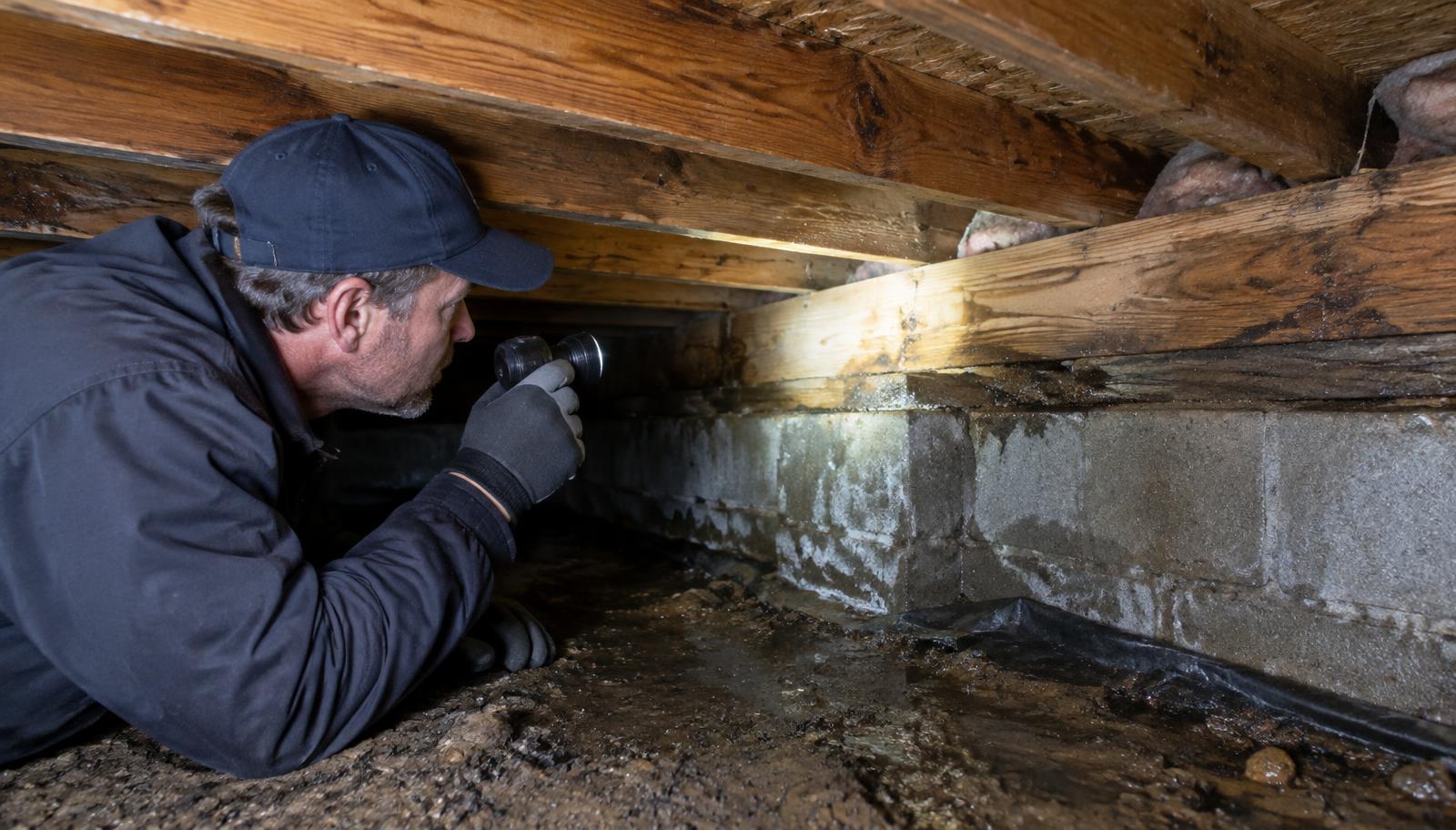
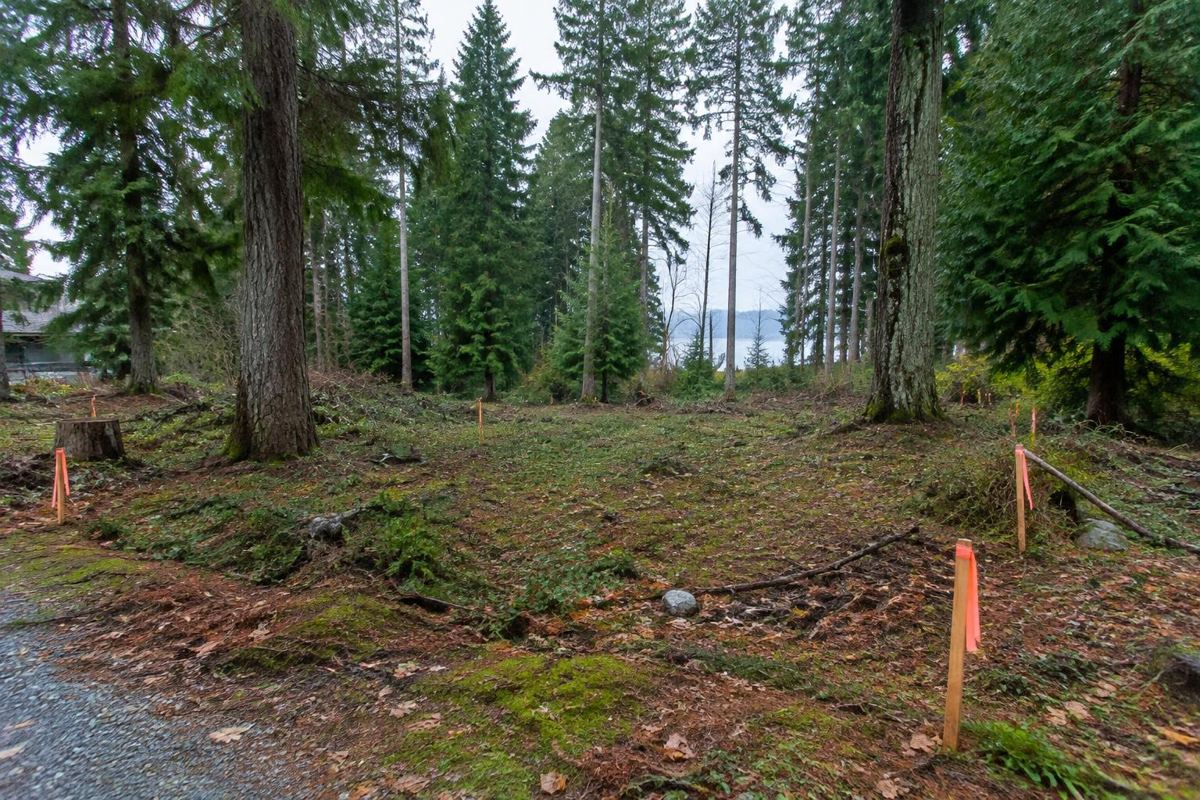
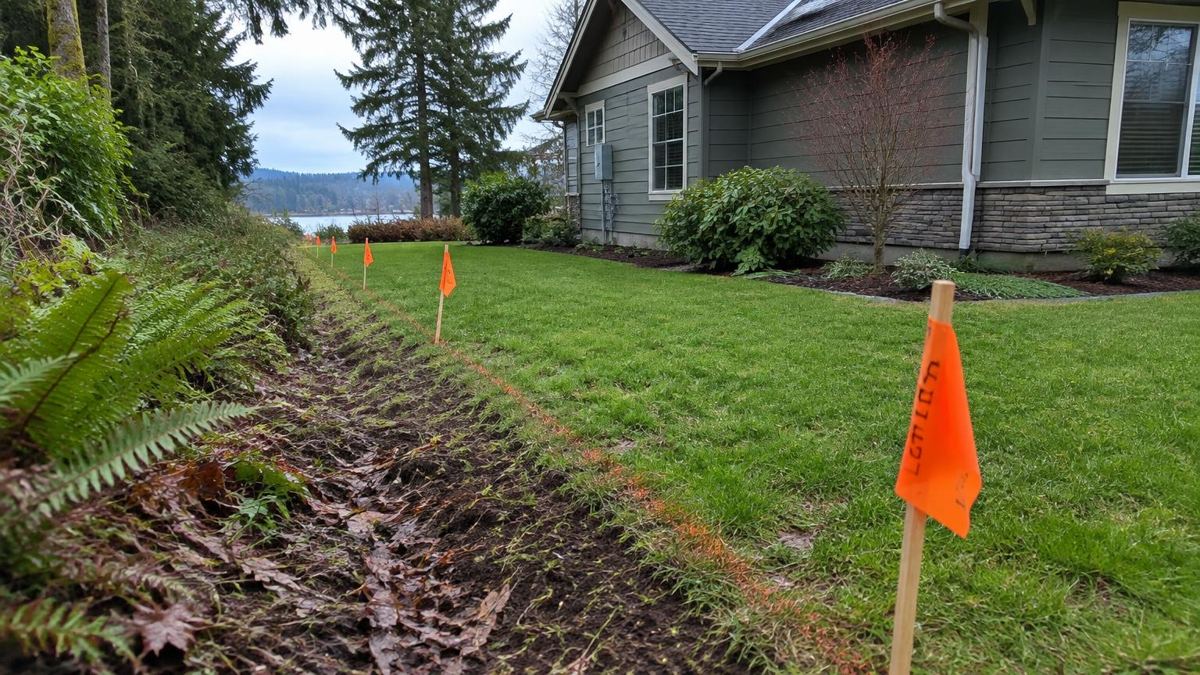
Remember that a parcel's total area is not the same as its buildable area. Setbacks, critical-area buffers, easements and septic drainfield space each remove part of the lot from the area where a house can go. Ask your consultant for the remaining usable building area on a site plan rather than subtracting numbers yourself.
What a "perc test" means in Washington
Buyers often ask whether they need a perc test. In Washington, on-site sewage (septic) systems are regulated under the Department of Health rules in WAC 246-272A and by the local health jurisdiction, which in King County is Public Health – Seattle & King County. The site is usually evaluated by a licensed septic designer or soil scientist who digs test holes and logs the soil type and depth (King County's design application calls for soil logs in the drainfield, reserve area and tank locations), rather than by the older water-drain "perc" test many people imagine. If the lot can connect to public sewer, you normally will not need a septic design at all; the sewer district's availability letter and connection charges become the key items instead.
Water is the companion question. If a water district serves the lot, request its water availability letter and fee schedule. If you would rely on a well, Washington allows certain wells to be drilled without a water right permit under RCW 90.44.050, but some watersheds have additional limits and fees under the streamflow restoration law (RCW 90.94). Check with the Department of Ecology's groundwater permit exemption guidance for the specific basin.
Step 5: Line up financing that matches the plan
Financing land is different from financing a finished home. A lot does not yet secure a house, so many lenders treat land loans as a separate product with their own down payment, rate and term. If you plan to build soon, ask lenders about a construction-to-permanent loan that can finance the land purchase or payoff and the build, then convert to a standard mortgage after completion. If you plan to hold the land for several years, compare a land loan with paying cash or borrowing against other assets. Ask every lender for their terms in writing, because pricing and requirements for land vary widely by lender and by how developed the lot already is.
Step 6: Budget beyond the purchase price
Build a budget with separate lines so you can see which costs come from the land itself. The table below lists the categories to price during feasibility. We do not publish typical dollar ranges here because they depend heavily on the specific lot; ask for written quotes.
| Cost category | Examples |
|---|---|
| Studies and design | Survey, geotech, wetland review, septic design, architect, engineering |
| Permits and fees | Building and land use permits, impact fees, utility connection charges |
| Site work | Clearing, grading, driveway, retaining walls, stormwater, utility trenching |
| Construction | The house itself, plus builder contingency |
| Holding costs | Property tax, insurance, loan interest while you design and permit |
Under RCW 82.45.080, REET is the seller’s statutory obligation. A contract may allocate reimbursement or economic costs between the parties; that does not itself change responsibility to the tax authority. Review exemption eligibility and allocate title, escrow and recording charges in the purchase agreement rather than assuming every charge belongs to the buyer.
If the seller is a foreign person: FIRPTA
If you buy land from a seller who is a foreign person for U.S. tax purposes, the Foreign Investment in Real Property Tax Act (FIRPTA) generally makes you, the buyer, the withholding agent. The general rate is 15% of the amount realized (usually the sale price), withheld at closing and sent to the IRS; it is a prepayment toward the seller's U.S. tax, not the seller's final tax. Reduced rates and exceptions exist, and the seller can apply for a withholding certificate on IRS Form 8288-B. Because the buyer can be liable if withholding is missed, ask escrow and a CPA to confirm the seller's status early. See the IRS FIRPTA withholding page.
Land purchase checklist
- Confirm jurisdiction and zoning; read the actual code sections for setbacks, coverage and height.
- Screen GIS layers for wetlands, streams, steep slopes and flood zones.
- Order the preliminary title report and check recorded access and easements.
- Get water and sewer availability letters, or well and septic feasibility.
- Ask for the usable building area on a site plan.
- Get a builder's preliminary budget and a lender's written terms.
- Decide to proceed or terminate before the feasibility deadline.
Frequently Asked Questions
Do I need a real estate agent to buy land in Washington?
No law requires one, but land contracts, feasibility deadlines and title issues are technical. A broker familiar with NWMLS vacant land forms can help you set the contingency period and track deadlines.
Can I build on any lot that is zoned residential?
Not always. Zoning allows a use, but critical areas, access, water, sewer or septic, and minimum lot standards still have to be met before a building permit is issued.
Who pays the real estate excise tax on land?
RCW 82.45.080 makes REET the seller’s statutory obligation. The parties can negotiate who bears the economic cost between themselves, but their contract does not itself change statutory responsibility to the tax authority. Exemptions depend on the transaction.
Is a perc test required in King County?
If the lot will use a septic system, a licensed designer must evaluate the soil and design a system that Public Health – Seattle & King County approves. If public sewer is available, a septic evaluation is usually not needed.
Sources and Further Reading
The official sources below explain the legal, tax, permitting and financing points discussed here. Rules apply to specific transactions and can change. Confirm the applicable requirements before acting. The numeric examples are illustrative unless a dated source is stated.
- RCW 64.06.013 – Unimproved residential real property seller disclosure
- RCW 36.70A – Growth Management Act
- WAC 246-272A – On-site sewage systems
- Public Health – Seattle & King County, onsite sewage systems
- RCW 90.44.050 and RCW 90.94 – permit-exempt wells and streamflow restoration
- WA Department of Ecology – domestic permit-exempt wells
- RCW 82.45.080 – REET payment responsibility
- IRS – FIRPTA withholding
- King County iMap and Assessor eReal Property
Looking at a lot on the Eastside or in King County?
Discuss your property and goals with the team. Contact Maggie Real Estate Group. Confirm the scope of any brokerage service before proceeding; lending, engineering and tax decisions belong with the relevant qualified professionals.
Related Guides
- Topic hub: Buying land to build a house in Washington
- Buying a home with Maggie Real Estate Group
- Buying Vacant Land: Raw Land vs Improved Land, and How to Check if a Lot Is Buildable
- Land Feasibility Study: What to Check, Who Does It and How to Decide
About the Author
Maggie Sun, Managing Broker, leads Maggie Real Estate Group, serving buyers and sellers in Seattle and the Eastside in English and Mandarin. This guide is general information, not legal, tax or lending advice; consult a Washington real estate attorney, CPA or licensed loan officer for your situation.
Last updated: November 2026.