

Key summary: Bellevue offers proximity to major tech employers, highly rated schools, and urban amenities with suburban green spaces. Relocation requires careful analysis of micro-neighborhood characteristics, commute patterns, and budget allocation beyond purchase price (property taxes, potential HOA fees, and maintenance). School assignments vary by specific address and require verification with district tools. This guide provides decision frameworks rather than market predictions, emphasizing due diligence processes and financial tradeoffs unique to cross-state relocation.
Table of Contents
Relocation Decision Framework Neighborhood Profiles & Selection Process Commute Pattern Analysis Financial Considerations Due Diligence Process Relocation Checklist Frequently Asked QuestionsRelocation Decision Framework
Approaching a Bellevue relocation requires structured evaluation across four dimensions:
1. Lifestyle Priorities
- Walkability needs vs. suburban space preferences
- Cultural/community amenities importance
- Outdoor access priorities (trails, parks, water features)
- Entertainment and dining expectations
2. Housing Non-Negotiables
- Minimum bedroom/bathroom requirements
- Home office/workspace needs
- Lot size and outdoor space preferences
- Architectural style preferences
- Renovation tolerance level
3. Financial Parameters
- Total housing budget including taxes/insurance
- Down payment source verification
- Reserve fund requirements
- Long-term affordability projections
4. Transition Logistics
- Timeline flexibility for home search
- Temporary housing needs
- Vehicle transportation plans
- Family transition coordination
Key Tradeoff: Urban core convenience versus suburban space. Downtown Bellevue offers walkable amenities but typically smaller living spaces at higher price points. Suburban neighborhoods provide more square footage and yard space but require driving for most services. Consider your daily routine and long-term lifestyle preferences when evaluating this balance.
Neighborhood Profiles & Selection Process
Bellevue's neighborhoods offer distinct characteristics that require careful evaluation beyond superficial comparisons. Follow this three-step neighborhood selection process:
Step 1: Macro-Level Filtering
Eliminate areas that don't meet basic criteria:
- School district requirements (verify exact boundaries)
- Maximum acceptable commute time
- Minimum housing type availability
- Price range feasibility
Step 2: Micro-Level Evaluation
Assess remaining neighborhoods for:
- Street-by-street variation in noise levels
- Topographical considerations (hills, drainage)
- Future development plans (check city zoning maps)
- Neighborhood association activity
Step 3: Lifestyle Verification
Validate through:
- Weekday and weekend neighborhood visits
- Local business patronage experience
- Park and trail system accessibility
- Public transportation trial runs
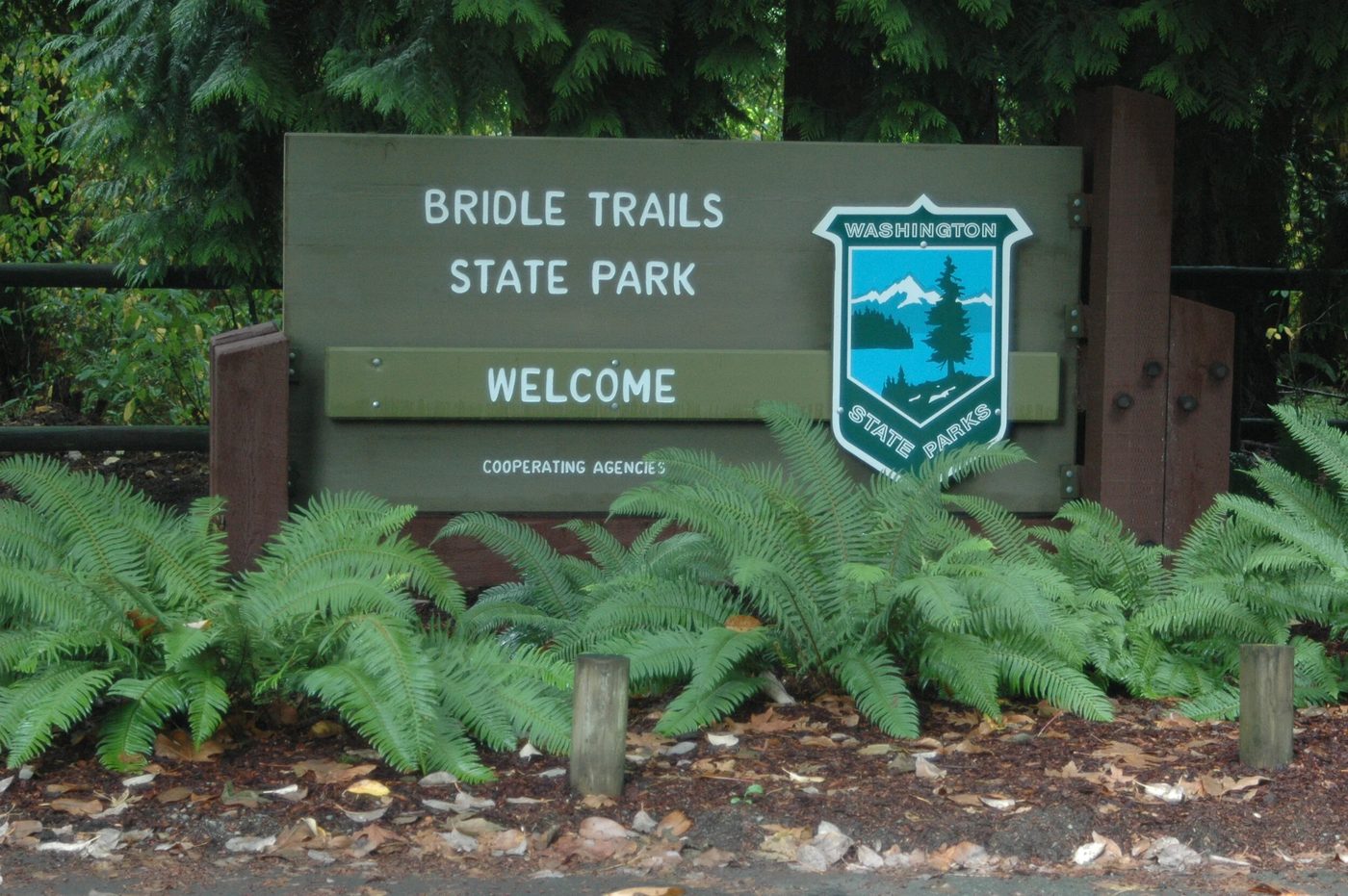
Neighborhood Characteristics
Downtown Core
Urban living with high-rise condos and luxury townhomes. Key considerations:
- HOA fees typically include amenities but add to monthly costs
- Verify parking availability and guest policies
- Review building rental restrictions if considering future leasing
- School assignments may involve non-intuitive boundaries
Eastgate
Area with varied property ages and I-90 access. Important notes:
- Mixed architectural styles from mid-century to contemporary
- Some properties fall within Issaquah School District
- Check floodplain maps for lower-lying properties
- Convenient I-90 access but potential traffic noise
West Bellevue
Established luxury properties with water/mountain views:
- Older homes may require seismic retrofitting
- Steep driveways and winding roads affect winter access
- Verify shoreline regulations for waterfront properties
- Some areas have restrictive covenants
Commute Pattern Analysis
Bellevue's central Eastside location creates varying commute experiences. Analyze these factors:
Commute Evaluation Checklist
- Test drive routes during actual commute hours
- Identify alternative routes for accident scenarios
- Evaluate public transit options (Sound Transit, Metro)
- Consider micro-mobility options (bike lanes, scooters)
- Assess parking availability/costs at workplace
| Route Factor | Considerations | Resources |
|---|---|---|
| Peak Traffic Times | I-405 southbound mornings, northbound evenings | WSDOT traffic cameras |
| Toll Roads | SR-520 bridge tolls vary by time | Good To Go! payment system |
| Transit Options | ST Express buses, the operating 2 Line across Lake Washington (opened March 28, 2026; check current schedules) | Sound Transit trip planner |
Key Tradeoff: Proximity premium versus commute tolerance. Homes closer to major employers often command higher prices. Determine your personal valuation of commute time savings versus housing budget flexibility. Some buyers prefer longer commutes to access more affordable neighborhoods or larger properties.
Financial Considerations
A relocating owner-occupant should compare a full monthly budget, not a rental-property yield. Request current lender, insurer, assessor and HOA figures for the specific address; the rows below are a worksheet, not local averages.
| Recurring monthly item | How to fill it in |
|---|---|
| Principal and interest | Written lender quote: loan amount, rate, term and points |
| Property tax | Parcel-specific tax estimate, divided by 12; future bills can change |
| Home insurance | Address-specific annual quote divided by 12 |
| HOA dues | Current budget and assessment notices; zero only if no association |
| Utilities and maintenance | Property-specific bills, condition and repair plan, converted to monthly amounts |
| Total monthly housing budget | Sum of the preceding monthly amounts; compare with lender qualification separately |
Keep one-time cash to close separate: down payment, inspection, lender/title/escrow costs, travel, storage, moving and initial repairs. Verify WSHFC assistance separately if relevant; it can be repayable.
Due Diligence Process
Washington's typical 10-day inspection period requires strategic planning:
Inspection Timeline
Start from the deadlines in the accepted purchase agreement, not a presumed statewide ten-day period. Book inspectors promptly and coordinate specialized reviews, HOA documents, financing and any request for additional time before their individual contract deadlines.
- Day 1-2: Schedule general inspection and review preliminary title report
- Day 3-4: Conduct specialized inspections (sewer scope, roof, chimney)
- Day 5-6: Review condo/HOA documents (focus on reserves, litigation)
- Day 7-8: Finalize financing contingencies with lender
- Day 9-10: Negotiate repair requests or credits
Special Considerations
- Out-of-State Buyers: Consider extended inspection periods or pre-offer inspections
- Condo Purchases: Review reserve study and meeting minutes for special assessment risks
- Older Homes: Evaluate knob-and-tube wiring, galvanized plumbing, or foundation issues
- International Buyers: FIRPTA applies only if seller is foreign; consult tax professional
Red Flags to Investigate
- Properties with multiple recent price reductions
- Homes with unpermitted work (verify with city records)
- Neighborhoods with numerous recent listings
- Unusually low HOA reserves relative to property age
- Properties with inconsistent ownership history
Relocation Checklist
Pre-Move Preparation (2-3 Months Prior)
- Research Washington vehicle registration requirements
- Obtain driving record for insurance quotes
- Schedule mover estimates (in-person preferred)
- Begin address change process with critical services
Immediate Post-Move Tasks (First 30 Days)
- Register vehicles with WA DOL (deadline varies)
- Transfer driver's license (appointment recommended)
- Establish utility accounts (varies by provider)
- Update estate planning documents for WA laws
- Register to vote at new address
Long-Term Adjustments (First Year)
- Review property tax assessment for accuracy
- Establish relationships with local service providers
- Explore community organizations and activities
- Monitor seasonal home maintenance needs
Frequently Asked Questions
How should we evaluate Bellevue schools as relocators?
Bellevue School District operates differently than California systems. Key steps:
- Verify exact school assignments using the district boundary tool
- Tesla STEM is an LWSD choice school with its own eligibility and application rules, not a neighborhood assignment in Bellevue School District
- Review OSPI report cards for detailed performance metrics
- Visit schools during active hours to observe culture
- Consider after-school program availability
What's the optimal timing for a cross-state relocation?
Consider these seasonal factors:
- Winter: Fewer buyers but less inventory; can evaluate winter weather impacts
- Spring: More listings but increased competition
- Summer: Ideal for families needing school transition
- Fall: Potential for motivated sellers before holidays
Align your timeline with personal factors like lease expirations and job start dates rather than trying to time the market.
What unique considerations apply to Bellevue condo purchases?
Condo buyers should:
- Review the reserve study, funding plan, deferred repairs, meeting minutes and proposed assessments; there is no universal 25% adequacy threshold
- Check rental restrictions if considering future leasing
- Verify parking space ownership and guest policies
- Research pending special assessments
- Understand what amenities are actually maintained
- Review construction quality and soundproofing
How do Washington property taxes compare to California?
Key differences:
- WA has no state income tax but higher sales taxes
- Property taxes are parcel-specific without Prop 13-type limitations
- REET (Real Estate Excise Tax) generally applies to a sale and is usually the seller's obligation; verify the current rules with WA DOR
- Annual property tax statements show detailed breakdowns
- Senior/disabled exemptions have different criteria than CA
What language assistance is available for Mandarin speakers?
Important distinctions:
- Agents may discuss terms in Mandarin but contracts are in English
- Informal written summaries may be provided for understanding
- Ask the lender, title company or receiving institution what translation format and qualifications it requires
- Critical documents (loan, title) should be reviewed in English
- Not all service providers offer Mandarin support
Sources
- Bellevue School District: Attendance Area Maps
- Washington State REET: WA DOR
- FIRPTA Guidelines: IRS Publication 515
- King County Parcel Viewer: Assessor's Office
- WSHFC Programs: Homebuyer Resources
Working with Maggie Sun: Maggie Sun, Managing Broker, and her Bellevue-based team can help organize priorities, compare locations and plan next steps for your Bellevue relocation. Discuss scope and team roles in a consultation. Lenders, attorneys, tax advisers and districts determine issues within their fields.
Need Personalized Bellevue Relocation Advice?
A consultation can help you organize Bellevue location, property and timing questions around your own move.
Schedule a consultation to discuss your specific relocation needs.
Related Reading
- Relocating to Bellevue: Rent or Buy Analysis
- Bellevue vs. Seattle: Homebuying Comparison
- Bellevue Community Profile
About the Author
Maggie Sun, Managing Broker
Disclaimer: This content provides general information only, not legal, tax, lending, or investment advice. Market conditions change—verify all data points independently. School assignments require confirmation with district tools for each specific address. FIRPTA rules have exceptions—consult a tax professional. Compensation is negotiable and not set by law. Hypothetical examples are for educational purposes only and don't predict actual results.