Short answer: Selling “as is” offers the home in its current condition rather than promising repairs. It does not automatically remove negotiated inspection rights or Washington disclosure duties; exemptions and applicable contract terms still matter. Compare net proceeds, the work required and the risk of each offer, not simply the highest headline price.
When a home needs work, selling it "as is" sounds like the simplest option: no contractors, no repair bills, no delays. Sometimes it is the right call. But the label changes who will buy the house and what they will pay, so it is worth understanding the trade-off before you choose it.
What does "as is" mean in real estate?
An as-is sale means the seller offers the property in its current condition and states up front that they do not intend to make repairs or give repair credits. It does not mean:
- No inspection. Buyers can still inspect, and many will.
- No disclosure. In Washington, sellers of residential property generally must provide the seller disclosure statement required by RCW 64.06.020 (NWMLS Form 17), unless an exemption in RCW 64.06.010 applies. Homes built before 1978 also require the federal lead-based paint disclosure.
- No negotiation. Buyers can still ask for a lower price after their inspection; you can say no.
In short, "as is" sets expectations about repairs. It does not remove the buyer's right to know what you know about the house.
How an as-is sale affects price and buyers
Condition, documentation and the offer terms affect buyers’ responses. Consider these possible trade-offs, rather than assuming every buyer reacts the same way:
- Uncertainty can affect offers. An as-is label may make some buyers more cautious, particularly when inspection and repair records are missing. It is not proof of hidden defects.
- Repair scope affects the price. Buyers may allow for estimated repairs and a contingency for unknowns. Written quotes and disclosed condition provide a firmer basis for comparison than guesses.
- Buyer preferences vary. Some owner-occupants prefer move-in-ready homes; others accept work. Investors have their own cost and return requirements, so do not assume the same discount or demand for every property.
- Financing can depend on condition. Ask the buyer’s lender whether appraisal or property-condition findings require work before funding. Do not assume that an as-is contract overrides any loan program’s requirements.
- Longer market time can cost more. Homes that sit tend to draw fewer new showings and more price reductions.

When selling as-is makes sense
An as-is approach may be worth comparing in these situations; none makes it automatically the best net-proceeds option:
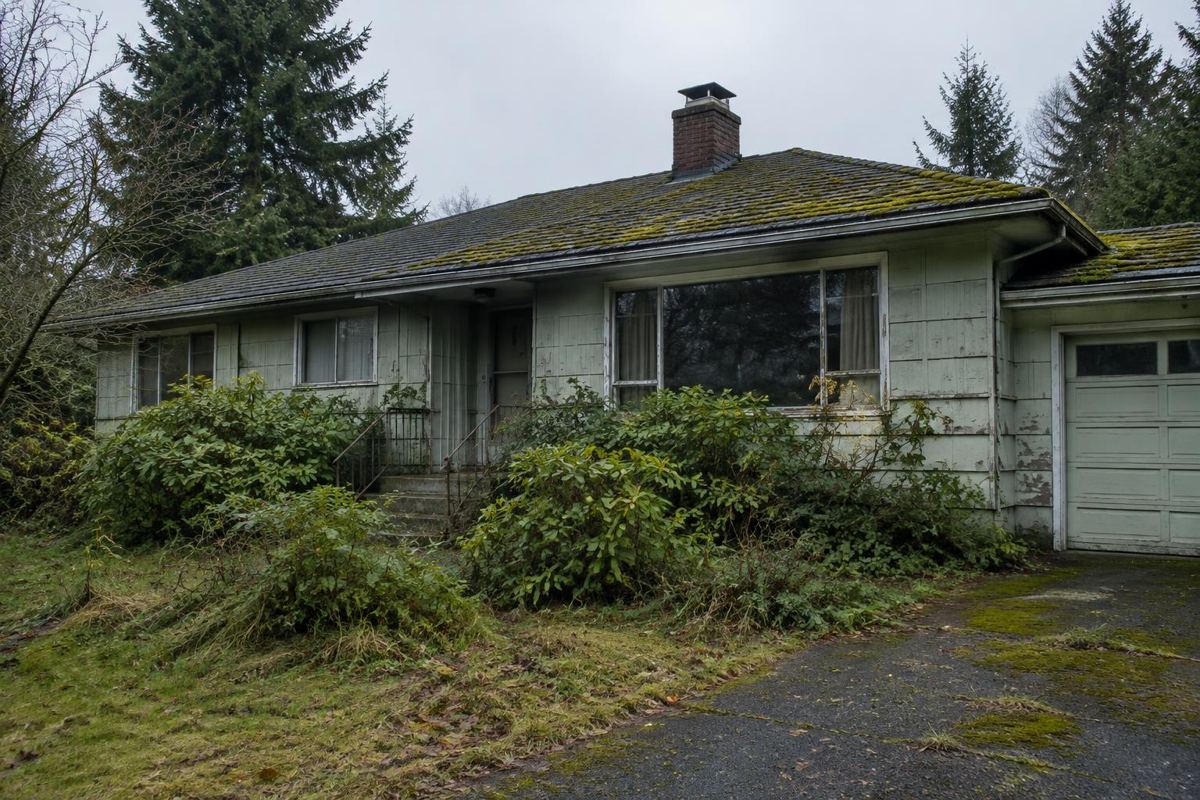
- The house needs major work or is likely to be rebuilt. If the roof, plumbing and electrical systems all need replacement and the location attracts builders or renovators, spending on partial repairs may not raise the price enough to pay for itself.
- Time matters more than price. Examples include an urgent relocation, a financial emergency, or an inherited home the heirs do not want to manage. In probate or estate sales, court and heir approvals also affect timing.
- You cannot fund repairs. If cash is tied up or abroad and repairs are not possible before listing, as-is may be the practical path.
If you cannot fund repairs, compare an as-is sale with a limited, affordable scope or a lender-approved credit where suitable. Do not assume a contractor will accept payment from future sale proceeds. Any deferred payment requires the contractor’s written agreement, review of payment and lien terms, and acceptance by the relevant closing parties; it is not a service promised here.
Selling a house that needs repairs: options compared
| Option | Upfront cost to you | Typical buyer pool | Main trade-off |
|---|---|---|---|
| List as-is on the open market | Low | Investors and some owner-occupants | Lower offers; longer market time possible |
| Make targeted repairs, then list | Moderate | Broadest | Needs an agreed budget, funding and time; deferred payment cannot be assumed. |
| Offer a repair credit instead of repairs | Paid at closing | Broad, subject to loan limits on credits | Credits reduce your net; lender limits may apply |
| Direct sale to a cash buyer or iBuyer | None | One buyer | May avoid lender underwriting, but timing and completion depend on funds, title, due diligence and contract terms. Compare net proceeds, not a guarantee of speed or certainty. |
How to decide with numbers
Estimate each route on the same basis. As-is net proceeds = expected as-is sale price − route-specific selling costs − holding costs − loan payoff. Repaired-sale net proceeds = expected repaired sale price − repairs − route-specific selling costs − holding costs − loan payoff. Selling costs include the applicable REET, negotiated brokerage compensation, title, escrow, agreed credits and other charges. Holding cost is a money amount: monthly carrying cost × additional months, not the time itself.
| Hypothetical comparison (not a valuation) | Sell as is | Repair then sell |
|---|---|---|
| Assumed sale price | $900,000 | $970,000 |
| Repairs | $0 | $35,000 |
| State REET, 2023–2026 taxable-sale schedule | $10,575 | $11,471 |
| Assumed other selling costs, including any local REET | $30,000 | $33,000 |
| Holding cost at an assumed $3,000 per month | 1 month: $3,000 | 3 months: $9,000 |
| Assumed loan payoff at closing | $400,000 | $400,000 |
| Illustrative net proceeds | $456,425 | $481,529 |
Illustrative repaired-route advantage: $25,104, before other unlisted charges and any income-tax effects. Except for the cited state REET formula, every input is an assumption. Brokerage compensation has no assumed standard rate. Replace costs with written quotes and use the actual payoff at each closing date; holding cost must not count loan principal already reflected in the payoff twice.
Washington selling costs still apply
For a taxable sale during 2023–2026, state REET uses graduated brackets of 1.1% up to $525,000, 1.28% on the portion to $1,525,000, 2.75% on the portion to $3,025,000 and 3.0% above; local REET is additional. Exemptions and special classifications can apply, and thresholds change for 2027. See WA DOR. FIRPTA is separately a foreign-seller withholding rule, generally administered by the buyer and subject to exceptions or an IRS certificate; see IRS guidance.
Preparing an as-is listing well
If you decide to sell as is, a few low-cost steps can still help you get stronger offers and fewer surprises:
- Complete Form 17 carefully and make it available before offers, so buyers price with full information.
- Consider a pre-listing inspection. Sharing it shows good faith and reduces renegotiation; remember that what you learn becomes part of your disclosure knowledge.
- Get rough repair quotes for the largest items. Buyers who see a real number tend to discount less than buyers guessing at the worst case.
- Clean out personal items and do basic cleaning and yard cleanup. "As is" does not have to mean cluttered.
- Gather records: permits, roof or system ages, insurance claims and utility history.
- Price from recent sales of homes in similar condition, not from renovated comparables.
These steps cost little compared with major repairs but help buyers judge the house more accurately, which supports better offers.
Frequently Asked Questions
Can I sell my house as is without an inspection?
You can ask, but buyers decide whether to inspect. Many buyers, and most lenders through the appraisal, will still look at condition.
Do I have to disclose problems if I sell as is?
Generally yes. Washington sellers of residential property must complete the seller disclosure statement under RCW 64.06.020 unless an exemption applies.
Will I get less money selling as is?
Usually, because fewer buyers compete and they price in repair costs and risk. How much less depends on condition, location and market conditions.
Can a buyer back out of an as-is purchase?
Yes, if the contract gives them an inspection or other contingency, or within the disclosure rescission period under RCW 64.06.030.
Sources and Further Reading
The official sources below explain the legal, tax, permitting and financing points discussed here. Rules apply to specific transactions and can change. Confirm the applicable requirements before acting. The numeric examples are illustrative unless a dated source is stated.
- RCW 64.06.020 – Improved residential real property disclosure
- RCW 64.06.010 – Exemptions
- RCW 64.06.030 – Buyer’s rescission right
- EPA – Lead-based paint disclosure rule
- WA DOR – Real estate excise tax
- IRS – FIRPTA withholding
Not sure whether to repair or sell as is?
Discuss your property and goals with the team. Contact Maggie Real Estate Group. Confirm the scope of any brokerage service before proceeding; lending, engineering and tax decisions belong with the relevant qualified professionals.
Related Guides
- Topic hub: Selling a house as-is in Washington
- How long does it take to sell a house in Seattle?
- Selling with Maggie Real Estate Group
- Selling a House As Is in Washington: Seller Disclosure (Form 17) and Vetting Cash Buyers
About the Author
Maggie Sun, Managing Broker, leads Maggie Real Estate Group, serving buyers and sellers in Seattle and the Eastside in English and Mandarin. This guide is general information, not legal, tax or lending advice; consult a Washington real estate attorney, CPA or licensed loan officer for your situation.
Last updated: November 2026.